


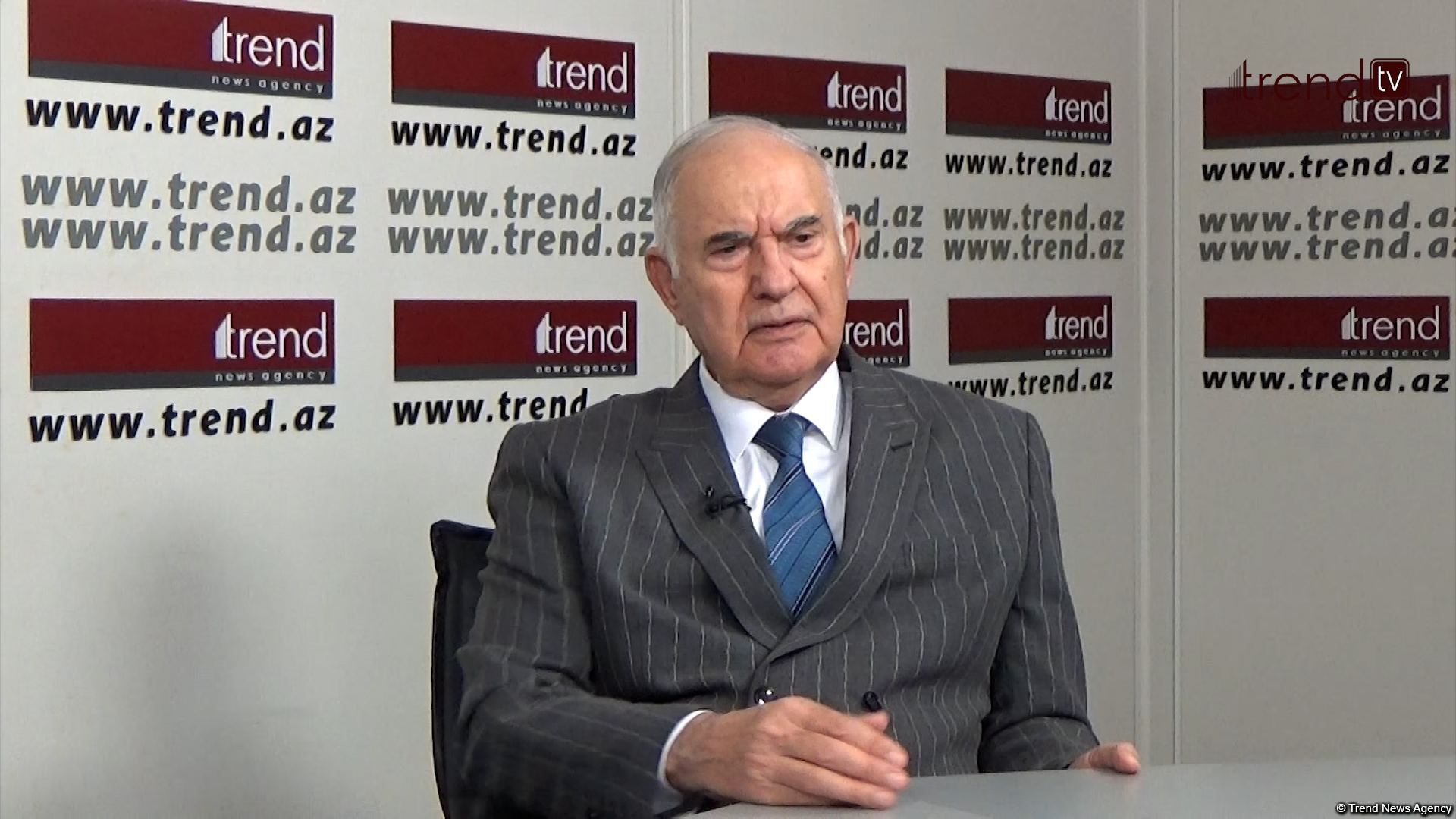
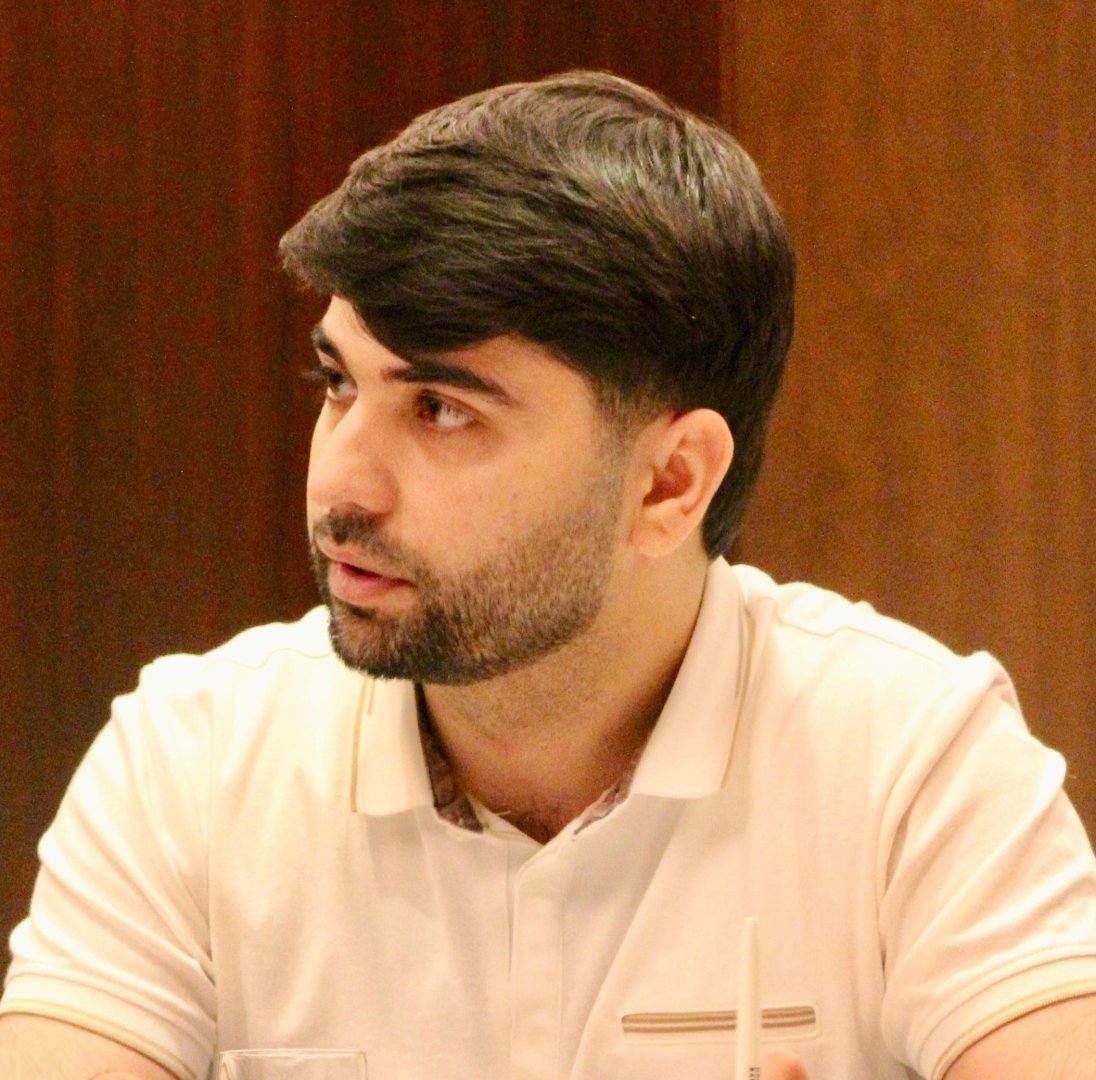
BAKU, Azerbaijan, May 20. The opening ceremony of the 13th Session of the UN World Urban Forum (WUF13) was another demonstration of Azerbaijan's global organizational power, political analyst Azer Garayev told Trend.
He said that Baku has once again become a key address on the global agenda. On May 18, the capital hosted the official opening ceremony of WUF13, marking Azerbaijan’s hosting of yet another international event, and positioning itself as the center of a global platform for discussing the urbanization, sustainable development, and urban agenda.
"In fact, holding WUF13 in Baku is not a random choice. In recent years, Azerbaijan has strengthened its image as a reliable partner with its experience in organizing international events, political stability, security environment, and high-level infrastructure capabilities. Having hosted a huge global event like COP29 and organizing the Formula 1 Azerbaijan Grand Prix at a high level for many years, Baku is already among the cities that have proven themselves in terms of hosting major events. As President Ilham Aliyev said at the opening ceremony of WUF13, the forum is the second-largest international event hosted by Azerbaijan after COP29. The head of state emphasized that the forum is remembered for its record number of participants: "This morning, I got information that we have more than 45,000 registered participants from 182 countries. So, this is the second biggest international event ever held in Azerbaijan after COP29, which was held one and a half years ago." These figures show not only the scale of the event, but also the growing international attractiveness of Baku. The Azerbaijani capital, once perceived mainly as a regional center, has today become one of the places where the global political, economic, and humanitarian agenda is shaped," he noted.
According to him, the opening ceremony of WUF13 was also a demonstration of Azerbaijan's organizational skills in this sense.
"The event, which was held with the participation of heads of state and government, heads of international organizations, and experts in urban planning and urbanization, was organized at a high level. The presentation of a cultural program as part of the opening, the screening of videos reflecting the history and modern development of Azerbaijan, gave the forum participants a broader idea of the country. Baku's ability to successfully hold such events is based on many years of experience.
The capital, which attracted the world's attention during the Formula 1 races, has repeatedly demonstrated its logistics, security, and organizational capabilities during the European Games, the Islamic Solidarity Games, the Non-Aligned Movement Summit, COP29, and other international events. In this regard, WUF13 can be assessed as another confirmation of Azerbaijan's already established international reputation.
President Ilham Aliyev's speech at the forum was not only the opening speech of the event, but also a presentation of Azerbaijan's urban planning philosophy. The head of state emphasized that Baku reflects the unity of ancient history and modern development.
"If you walk inside the ancient walls of the old city of Baku and just cross the street, you will find yourself in the absolutely modern surroundings." This idea can actually be considered a short expression of the development model of Baku in recent years," the analyst said.
Garayev added that the preservation of historical heritage, and the parallel development in accordance with modern urbanization standards - are presented as one of the main priorities in the urban planning policy of Azerbaijan. From the Old City to the White City, from the renovated boulevard to the modern transport infrastructure, Baku is trying to both preserve its historical identity and adapt to the model of a modern megalopolis.
"One of the issues that took a special place in President Ilham Aliyev's speech was the large-scale reconstruction process carried out in Karabakh and East Zangezur. The presentation of the work done by Azerbaijan in the post-conflict period on an international platform such as WUF13 attracted attention as an important political message. Recalling that during the years of occupation, Aghdam was called the 'Hiroshima of the Caucasus' by international observers, the head of state spoke about the currently implemented Great Return program. President Ilham Aliyev stated that over the past five years, 70 kilometers of tunnels have been laid in the region, 435 out of 500 bridges have been built, power plants, schools, hospitals, railways, and three international airports have been built. According to the head of state, currently more than 85,000 Azerbaijanis live, work, and study in their native lands as former IDPs. This message wasn't accidental. Using the WUF13 platform, Azerbaijan tried to show that it not only presents theoretical views on the issue of urban development, but also has practical and large-scale restoration experience. The concepts of 'smart city' and 'smart village' in Karabakh, modern "The planning approaches indicate Azerbaijan's intention to create its own model in the field of urbanization," he said.
The analyst pointed out that the political and diplomatic side of the forum was not left without attention.
"Heads of state and government, high-level delegations from various countries came to Baku within the framework of WUF13. The numerous meetings held by President Ilham Aliyev showed that the forum plays the role of not only an urban planning platform, but also an important diplomatic space. During the meetings with Serbian President Aleksandar Vučić, Uzbek President Shavkat Mirziyoyev, Georgian Prime Minister Irakli Kobakhidze, Bulgarian President Iliiana Iotova, Vice Premier of the State Council of China Zhang Guoqing, and others, the importance of WUF13 was emphasized, and various areas of bilateral cooperation were discussed. One of the particularly striking moments is that the vast majority of forum participants congratulated President Ilham Aliyev, emphasizing the high level of organization of the event held in Baku. This indicates that Azerbaijan's already formed reputation as an organizer of global events is recognized at the international level," Garayev said.
According to him, WUF13 once again demonstrated that Baku is no longer just a city located at the crossroads of Europe and Asia in geographical terms. The capital has also become one of the important platforms for political dialogue, discussion of global challenges, and international cooperation.
"One idea voiced by President Ilham Aliyev in his speech expressed the general philosophy of the forum: "We must be brave in development, in the creation of better conditions for our people, in modernization, but at the same time very cautious when it comes to the preservation of our historical heritage." Namely this approach shows the main essence of the development model that Azerbaijan has been implementing in recent years: creating a balance between modernization and preserving national identity.
"The holding of WUF13 in Baku cannot be assessed as just a few-day international event. This forum is an important event in terms of strengthening Azerbaijan's international image, presenting its experience in the field of urban planning and sustainable development, and at the same time further strengthening the country's diplomatic reputation. It is once again clear that Baku hosts major events with high professionalism and strategic vision. The path from COP29 to WUF13 is another confirmation of Azerbaijan's growing role at the global level," the analyst concluded.



