


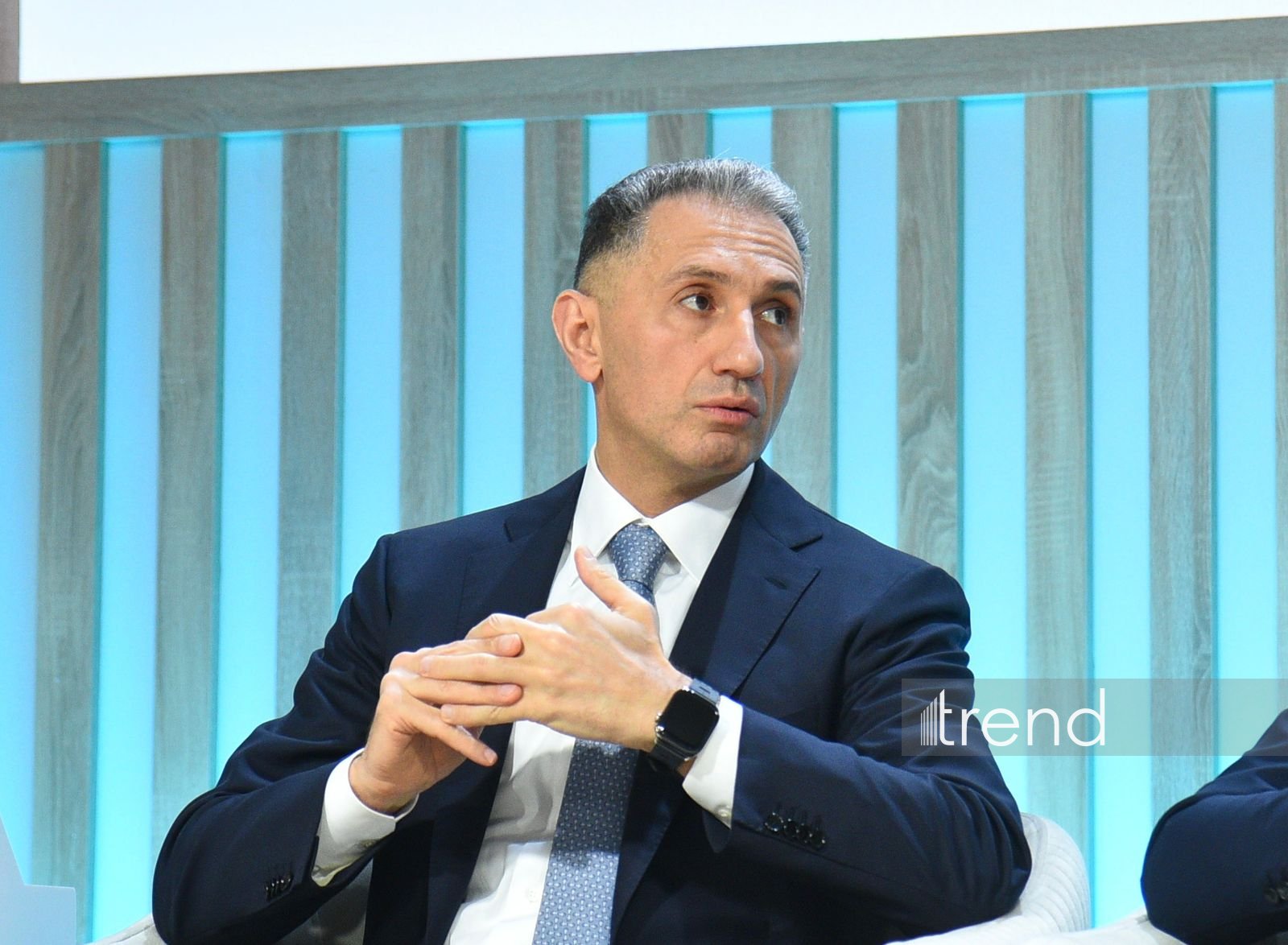

BAKU, Azerbaijan, May 19. The transformation of urban mobility and public transportation in Baku began with a targeted and strategic approach, Azerbaijan’s Minister of Digital Development and Transport Rashad Nabiyev said during the WUF13 event titled “Cities at the Center of Connectivity: Urban Regeneration and Regional Cooperation” held in Baku, Trend reports.
According to the minister, the key question at the initial stage was not about the project itself, but about the overall objective.
“The main goal was how to encourage citizens to shift from private vehicles to public transportation. Although this approach faced criticism at the time, it ultimately led to a reduction in congestion on city roads,” Nabiyev said.
He noted that the number of taxis in the capital was reduced from approximately 67,000 to around 20,000, which not only helped address social and transportation challenges, but also improved service quality and safety standards.
“The working conditions of drivers have been normalized, and a more manageable transportation system has now been established,” he added.
Nabiyev also highlighted the growing role of micromobility infrastructure in the city, including facilities for bicycles, scooters, and pedestrians.
“All of these measures were planned with consideration for environmental impact and carbon emissions,” the minister said.
The 13th session of the World Urban Forum (WUF13) is being held in Baku from May 17 to May 22 in cooperation between UN-Habitat and the Government of Azerbaijan.
The forum’s program brings together stakeholders and representatives of like-minded groups to discuss one of the world’s most pressing challenges — housing accessibility.
Held under the theme “Housing for All: Safe and Sustainable Cities and Human Settlements,” WUF13 gathers national governments, communities, experts, and international partners from around the world to exchange ideas, shape policy approaches, and accelerate solutions for sustainable urban development.
The program also provides practical, solution-oriented platforms and interactive meeting formats designed to facilitate high-level discussions and ensure that global policymaking is informed by local experience.



