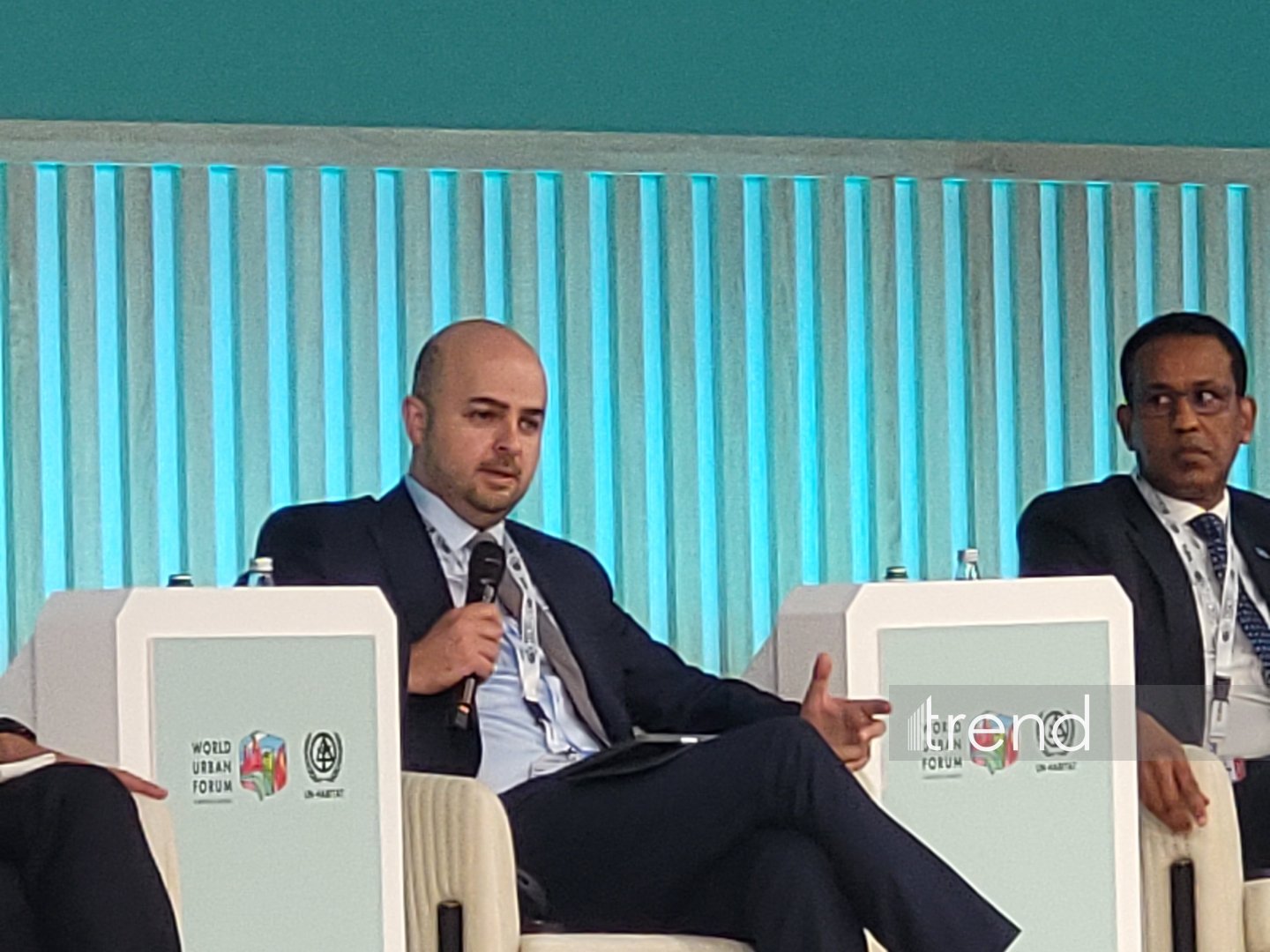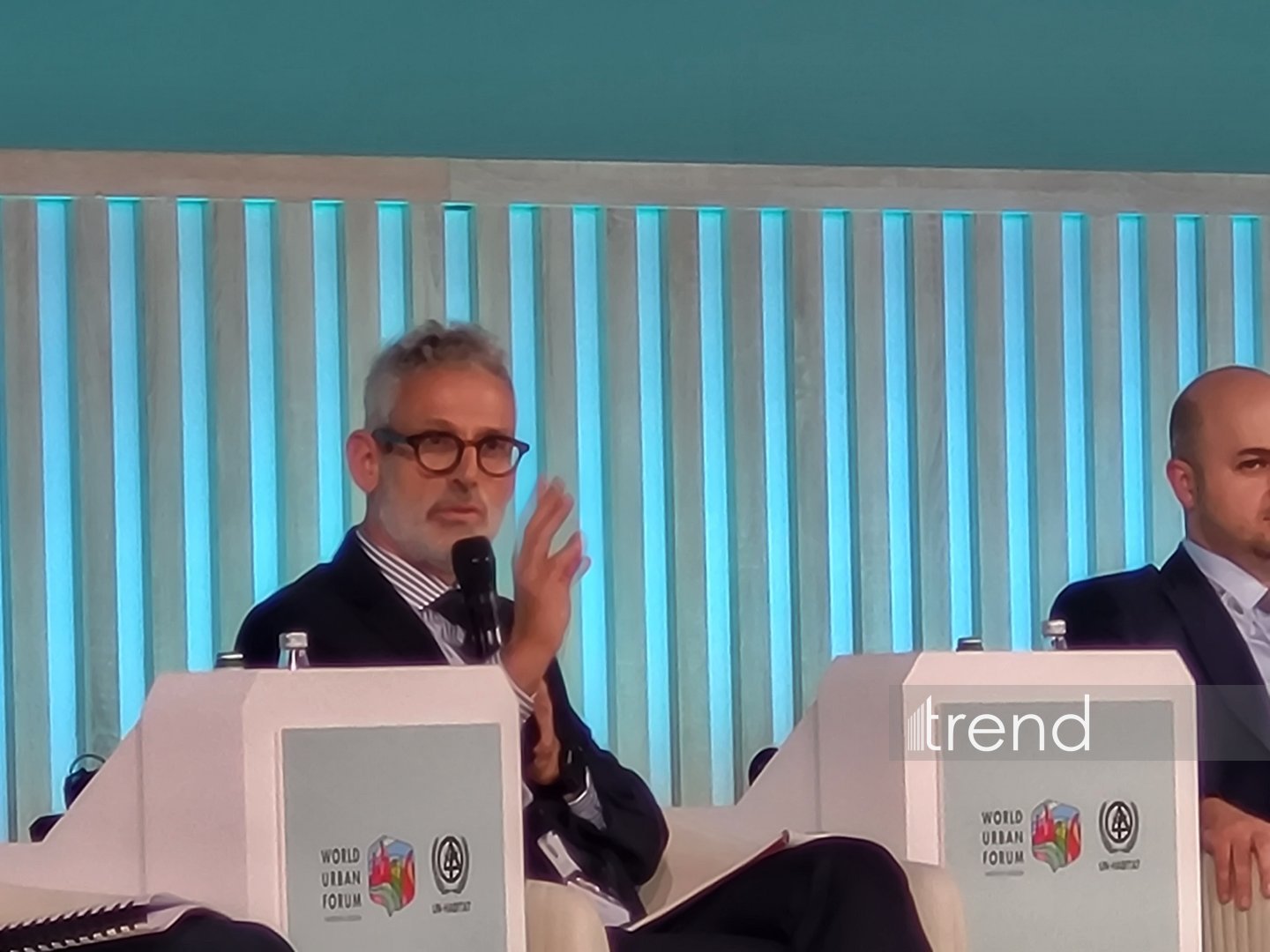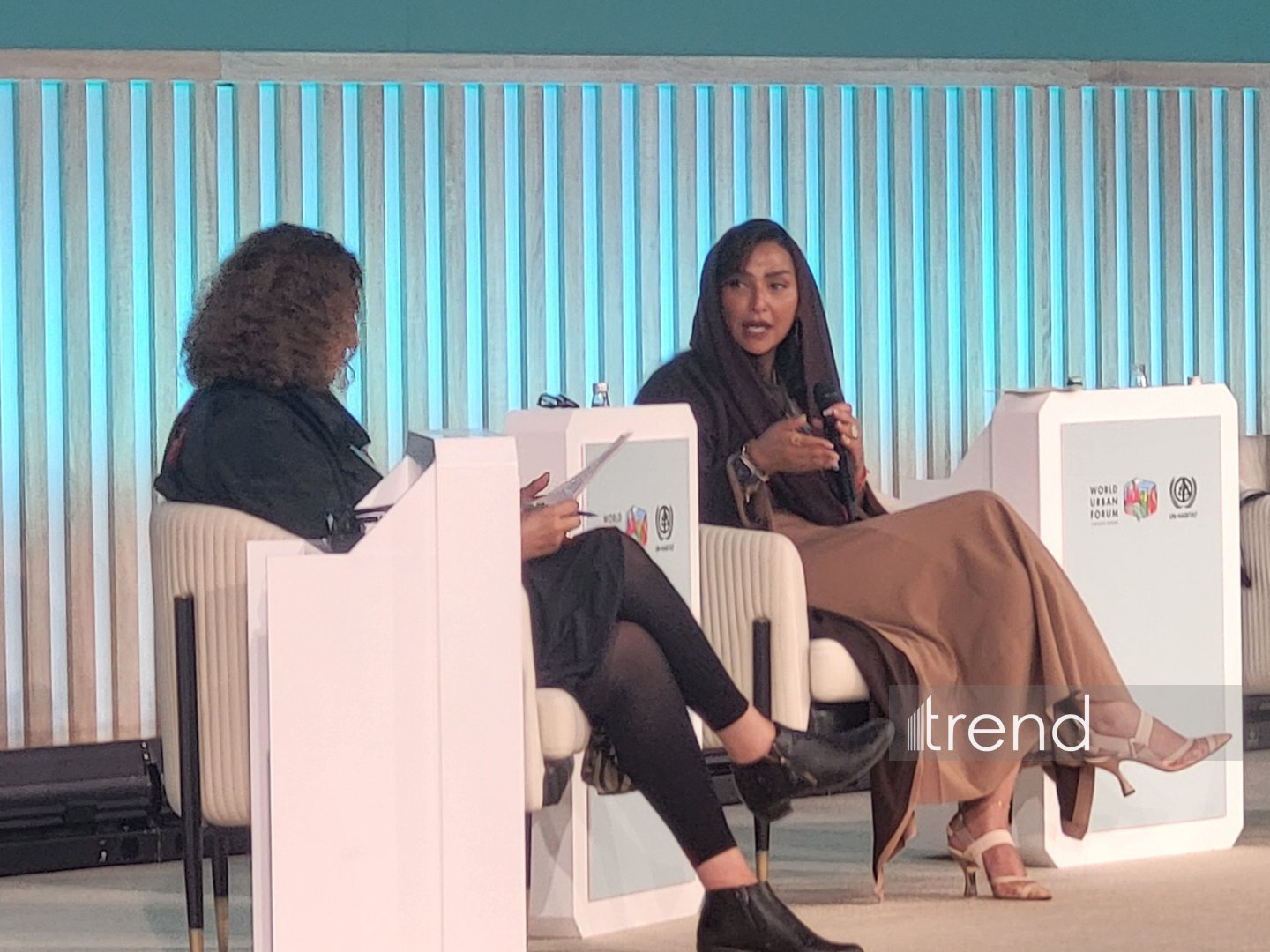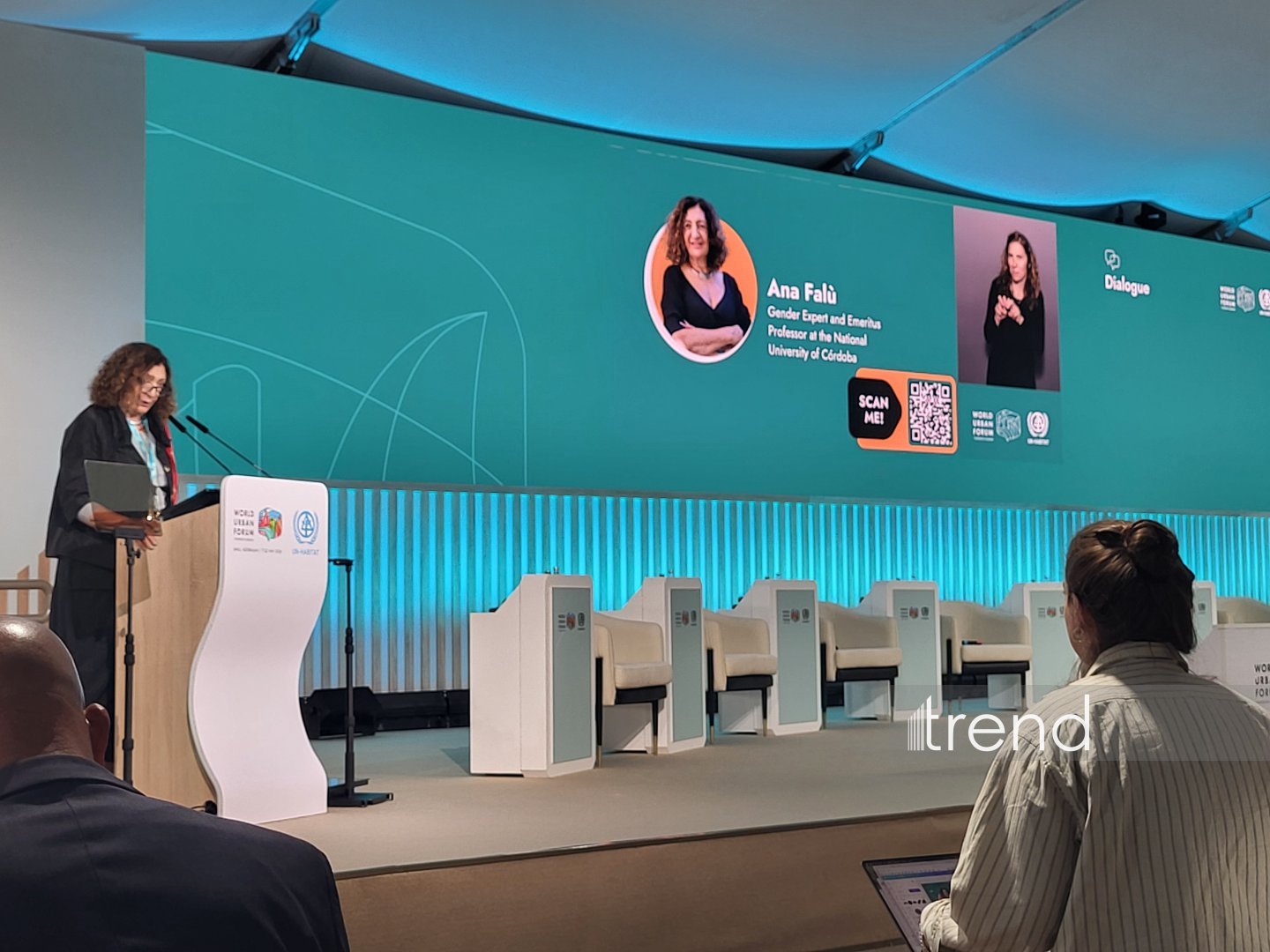

BAKU, Azerbaijan, May 19. A panel discussion on “The Social and Economic Power of Housing” was held as part of the 13th session of the World Urban Forum (WUF13), Trend reports.
Throughout the session, attendees discussed the role of the housing sector in ensuring sustainable economic development and social justice.
The panel discussion addressed how the housing sector can serve simultaneously as an economic driver and a tool for social equality, as well as how governments can regulate the influence of market mechanisms to ensure citizens’ right to decent housing.
The event featured remarks by Vahid Hajiyev, the President’s Special Representative in the Jabrayil, Gubadli, and Zangilan districts, as well as Francine Pickup, Deputy Head of the United Nations Development Programme (UNDP).
According to Vahid Hajiyev, the President’s Special Representative for the Jebrail, Gubadli, and Zangilan districts, Azerbaijan believes that the social and economic aspects of housing policy must develop simultaneously to ensure sustainable resettlement of the population.
“Housing is not only a social right and physical shelter. It is also a driver of economic activity. It is impossible to ensure sustainable growth without social inclusion, but at the same time, it is impossible to achieve successful resettlement without economic opportunities,” he said.
According to Hajiyev, in the territories of Azerbaijan liberated from occupation, reconstruction and construction work is effectively starting from scratch after 30 years of occupation.
"In a post-conflict environment, providing housing often becomes the first visible sign of return and the foundation for restoring public trust. That is precisely why we are building smart cities and villages, combining elements of social and economic development," the representative noted.
He emphasized that in the construction of new settlements, special attention is being paid to educational and medical infrastructure, access to public services, as well as the creation of conditions for economic activity.
“We are making the most of climate-friendly opportunities by installing solar panels on rooftops, which will help reduce residents’ utility bills. We are also building dedicated bike lanes so people can get to schools and kindergartens faster,” he said.
Furthermore, French expert on urban planning and housing policy Yves-Laurent Sapoval stated that housing policy must be viewed as both a social and economic issue, since housing forms the foundation of global well-being.
“Economic and social issues are very closely intertwined when it comes to housing. Real estate accounts for more than 50% of global wealth, and housing makes up about 60–70% of that real estate,” he said.
Sapoval noted that one of the key challenges today is preserving the existing housing stock and adapting it to climate change.
“Many people will be forced to move or adapt their homes not only to climate change but also to demographic shifts, including an aging population. This is one of the main challenges facing Europe,” he emphasized.
According to him, countries also need to continue developing housing construction, especially in the social housing sector.
“Social housing is necessary not only for workers who need to be able to relocate for work, but also for students. This is a serious issue for our countries,” the expert noted.
Meanwhile, Princess Lamia bint Majed Al Saud, Secretary-General of Alwaleed Philanthropies and UN-Habitat Goodwill Ambassador for the Arab States, noted that housing should be viewed not as an end in itself, but as a foundation for ensuring people’s security, stability, and dignity.
According to the princess, Alwaleed Philanthropies has been implementing housing programs around the world for nearly 45 years.
"We have provided 1.2 million housing units and invested more than $5 billion in human development and humanitarian projects. It’s not about the houses themselves, but about helping families become independent and self-reliant,” she emphasized.
She cited a joint project with the United Nations Development Programme, the United Nations High Commissioner for Refugees, and the King Salman Center for Relief and Humanitarian Action in Saudi Arabia and Yemen as an example.
“We provided 600 homes, but we didn’t stop there. We also implemented vocational training programs that led to employment for Yemeni families. The number of beneficiaries reached nearly 5,000 people,” she noted.
Princess Lamia bint Majed Al Saud, Secretary-General of Alwaleed Philanthropies, emphasized that by 2030, about 60% of the world’s population will live in cities, and governments will not be able to resolve all housing issues on their own.
Following the discussion, proposals and recommendations will be presented aimed at developing a common approach to ensuring a balance between the development of the housing sector and the principles of social equality.
The third day of the 13th session of the World Urban Forum (WUF13) is underway in Baku.
On the first day, a ministerial meeting dedicated to the New Urban Agenda, a roundtable of ministers, assemblies of women and civil society, business sessions, and discussions on urban well-being were held. A ceremony for raising the flags of the United Nations and Azerbaijan also took place within the framework of the forum.
The second day of the forum drew attention with the first-ever Leaders Summit. High-level discussions on the global housing crisis, urbanization policy, and urban resilience were held that day. At the same time, the Mexico City pavilion was inaugurated within the framework of WUF13. The pavilion was presented as an important platform for expanding cooperation with the Latin American region and preparing for WUF14.
WUF13, which has attracted more than 40,000 registered participants from 182 countries, will continue until May 22. Held under the theme “Housing the world: Safe and resilient cities and communities,” the forum brings together governments, international organizations, experts, and representatives of civil society to strengthen global cooperation in the field of sustainable urban development.