


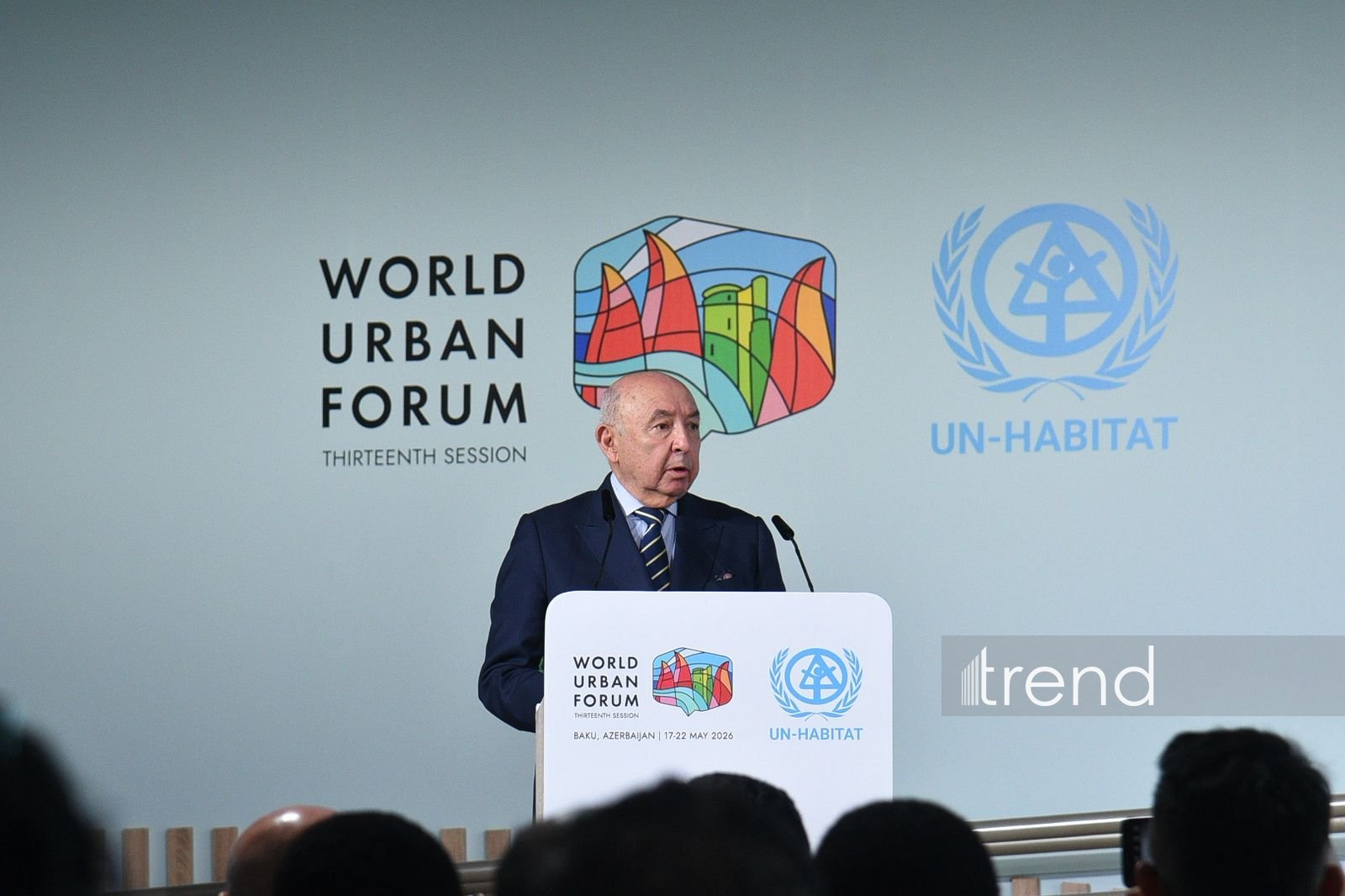
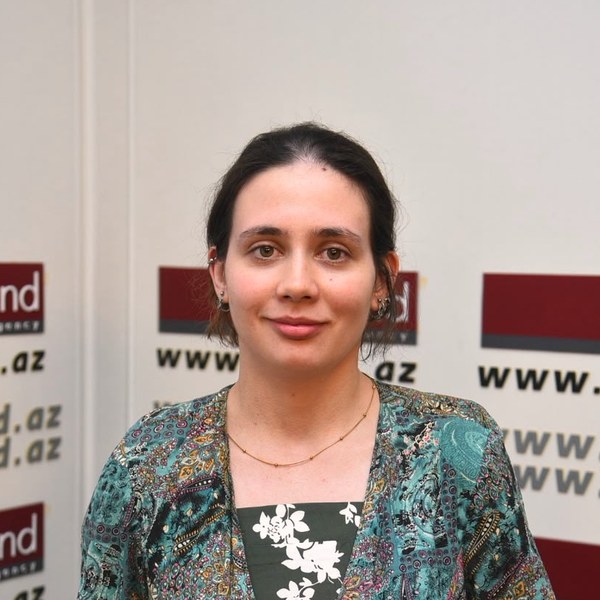
BAKU, Azerbaijan, May 19. Decision-making in the context of multilateral diplomacy is a complex task, and the UN remains a key forum for addressing global issues, Luis Gallegos, Deputy Secretary-General of the Global South NGO Platform (GSNP) for the Latin America region, said, Trend reports.
He made the remark during the NGO Forum on “Global Partnership and Decision-Making” as part of WUF13.
“The current geopolitical situation is characterized by uncertainty and a world order based on the use of force or the threat of its use, rather than on international law and mechanisms for negotiation and conflict resolution,” the Deputy Secretary-General said.
He noted that under these conditions, it is particularly important to promote global partnerships capable of addressing key global challenges.
Gallegos emphasized that a global partnership encompasses states, the private sector, non-governmental organizations, international organizations, civil society, local communities, and academia.
According to him, bringing together such a large number of participants requires political will to overcome differences and protect the common good.
He noted that many issues extend beyond the borders of individual states and take on a regional or global character, requiring complex negotiations and agreements.
Moreover, Gallegos stated that the world is characterized by differences in culture, values, religions, and political and educational systems, which complicates the process of reaching consensus.
The official emphasized the need for a clear understanding of the facts and issues, as well as a collaborative approach.
According to him, participants in multilateral negotiations must set aside their own interests for the sake of the common good.
In addition, Gallegos noted that in the context of complex negotiations, solutions require a multi-system approach and people-centered political will.
He also emphasized that holding the NGO Forum in Azerbaijan marked a historic milestone, as it is the first such event in the history of the World Cities Forum.
Meanwhile, the third day of the 13th session of the World Urban Forum (WUF13) is underway in Baku.
On the first day, a ministerial meeting dedicated to the New Urban Agenda, a roundtable of ministers, assemblies of women and civil society, business sessions, and discussions on urban well-being were held. A ceremony for raising the flags of the United Nations and Azerbaijan also took place within the framework of the forum.
The second day of the forum drew attention with the first-ever Leaders Summit. High-level discussions on the global housing crisis, urbanization policy, and urban resilience were held that day. At the same time, the Mexico City pavilion was inaugurated within the framework of WUF13. The pavilion was presented as an important platform for expanding cooperation with the Latin American region and preparing for WUF14.
WUF13, which has attracted more than 40,000 registered participants from 182 countries, will continue until May 22. Held under the theme “Housing the world: Safe and resilient cities and communities,” the forum brings together governments, international organizations, experts, and representatives of civil society to strengthen global cooperation in the field of sustainable urban development.



