



BAKU, Azerbaijan, December 12. ExxonMobil has unveiled its strategy to strengthen its upstream portfolio by focusing on advantaged assets that offer lower supply costs and higher returns, Trend reports.
By 2030, the company anticipates delivering an additional $9 billion in annual upstream earnings potential, a 50% increase compared to 2024, assuming benchmark prices of $65 per barrel for Brent crude, $3 per mmbtu for Henry Hub gas, and $6.50 per mmbtu for TTF gas.
The recent acquisition of Pioneer Natural Resources has accelerated ExxonMobil’s goal of deriving over 50% of its production from advantaged assets such as the Permian Basin, Guyana, and LNG projects. This milestone was achieved three years ahead of schedule, with expectations that more than 60% of production will come from these sources by 2030. Advantaged asset production is projected to grow by an additional 1.2 million oil-equivalent barrels per day (Moebd), pushing total Upstream production to 5.4 Moebd by the end of the decade.
In the Permian Basin, ExxonMobil now holds the largest contiguous acreage position, doubling its low-cost net drilling locations compared to competitors. With plans to double production in the region to 2.3 Moebd by 2030, the company aims to leverage technological advancements to enhance capital efficiency and resource recovery.
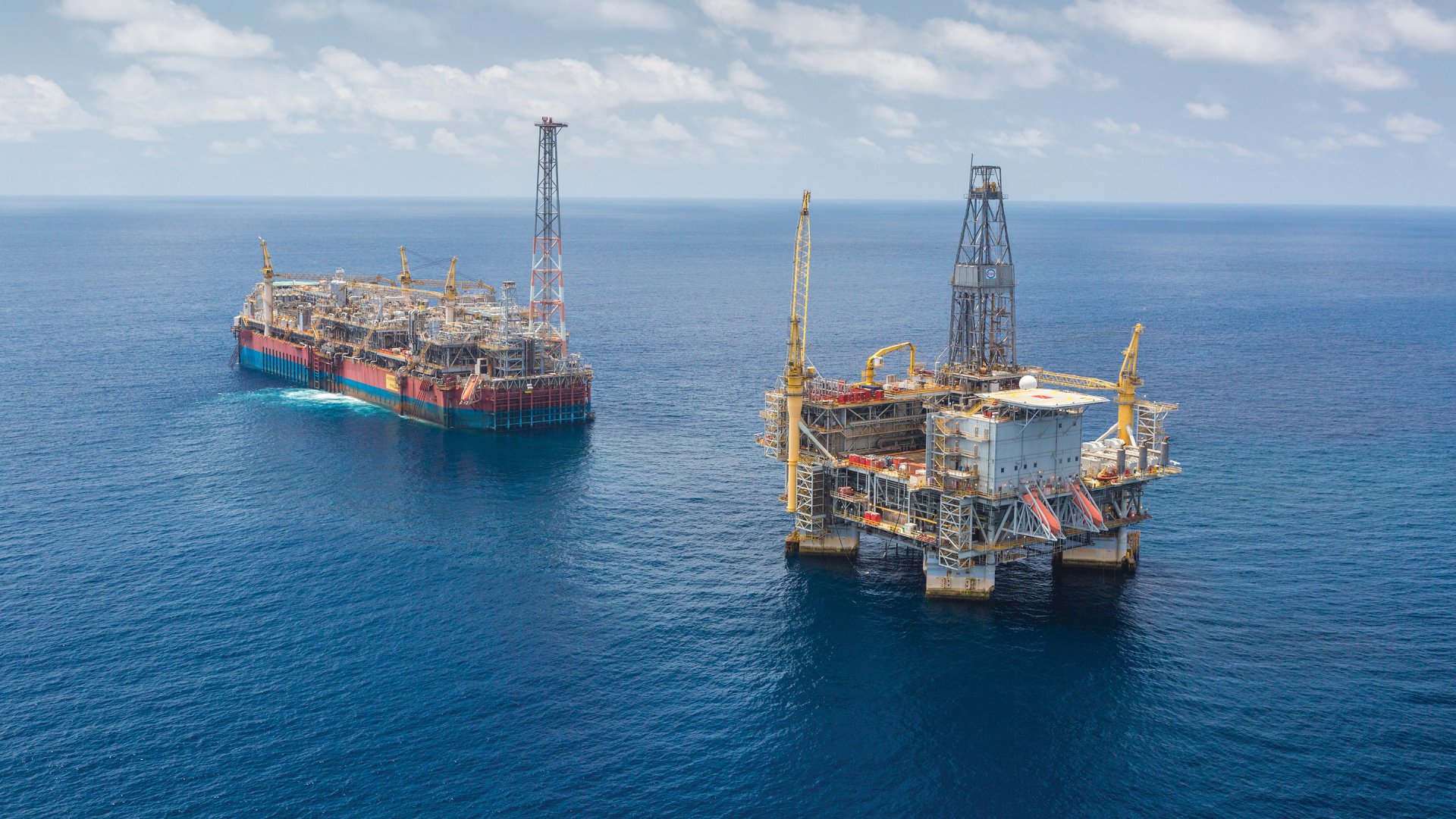
ExxonMobil also announced two new developments in Guyana, Hammerhead and Longtail, bringing the total number of projects in the region to eight by 2030. Production capacity in Guyana is expected to reach 1.7 million barrels per day, with gross production hitting 1.3 million barrels per day.
In addition to production growth, the company is focused on sustainability. ExxonMobil plans to reduce its operated Upstream emissions intensity by 40-50% compared to 2016 levels by 2030. The integration of Pioneer is expected to deliver over $3 billion in annual synergies, surpassing previous guidance.



