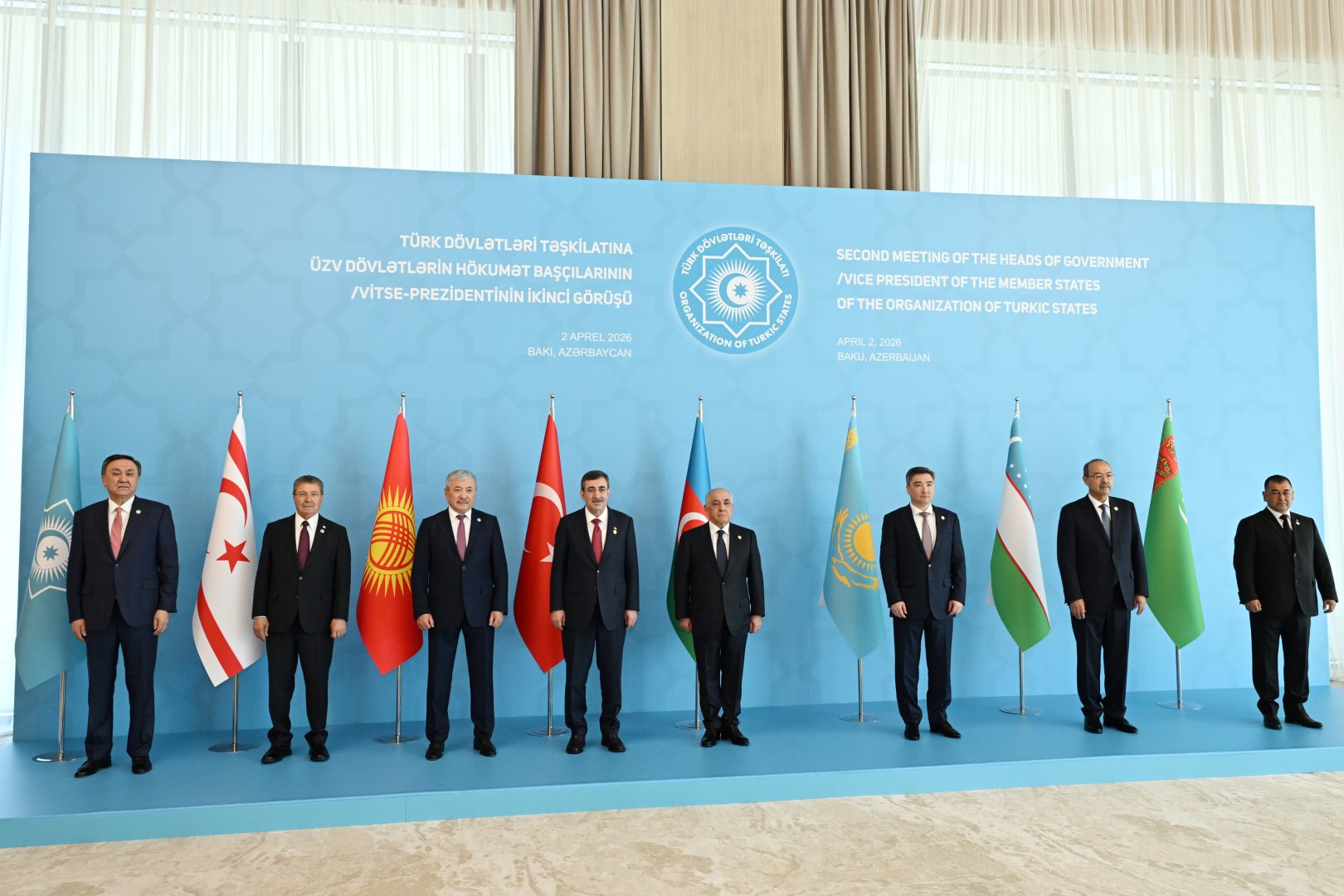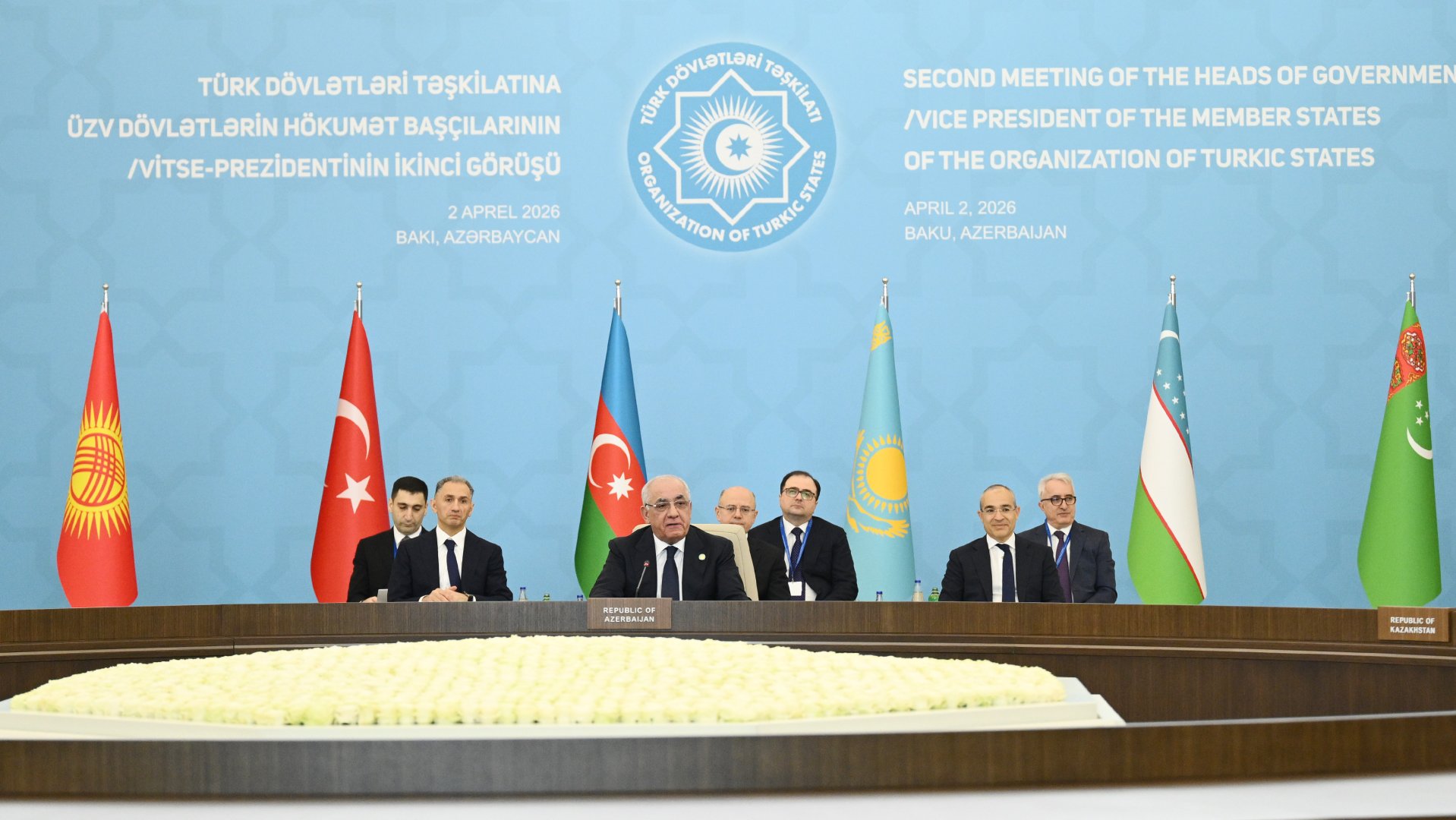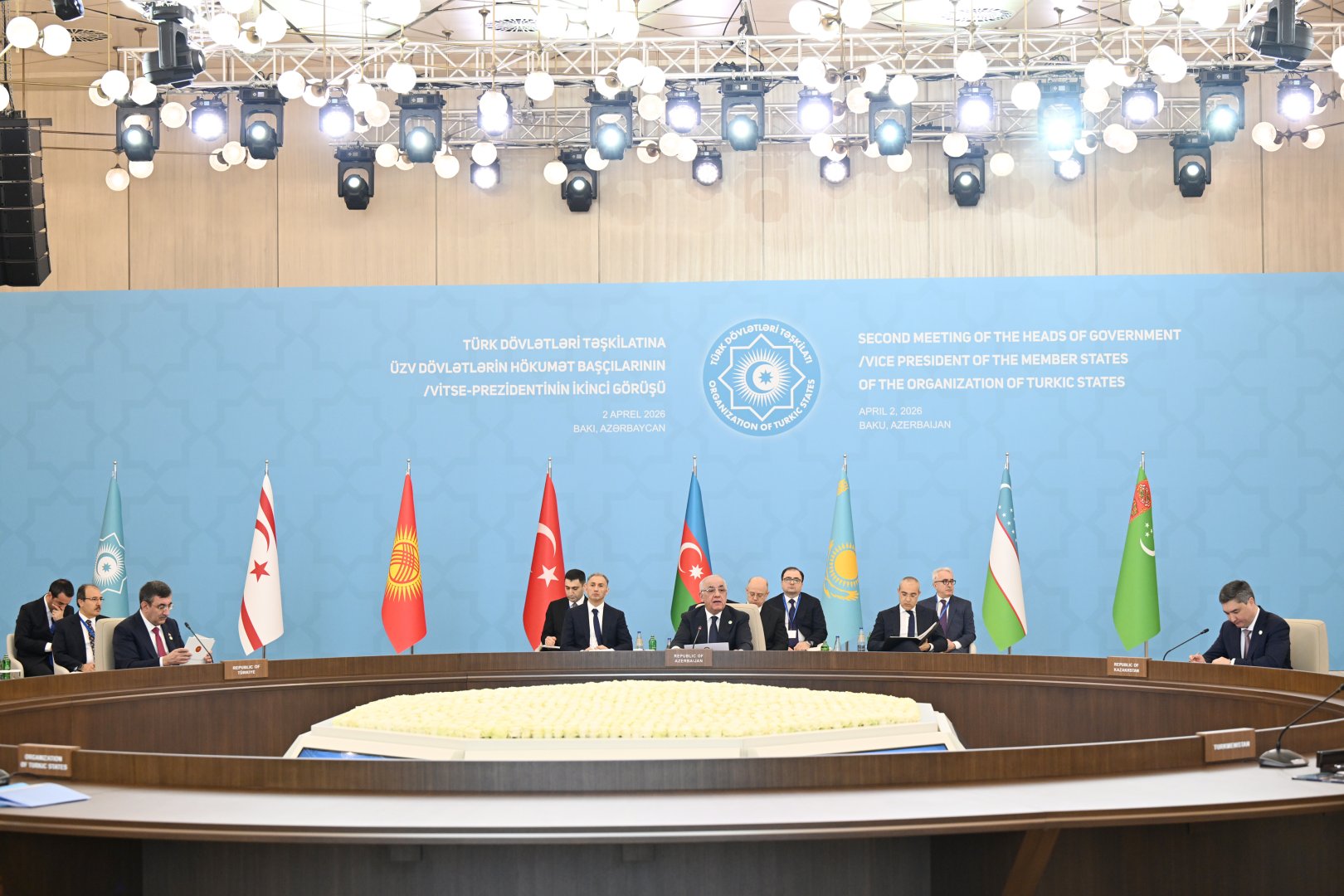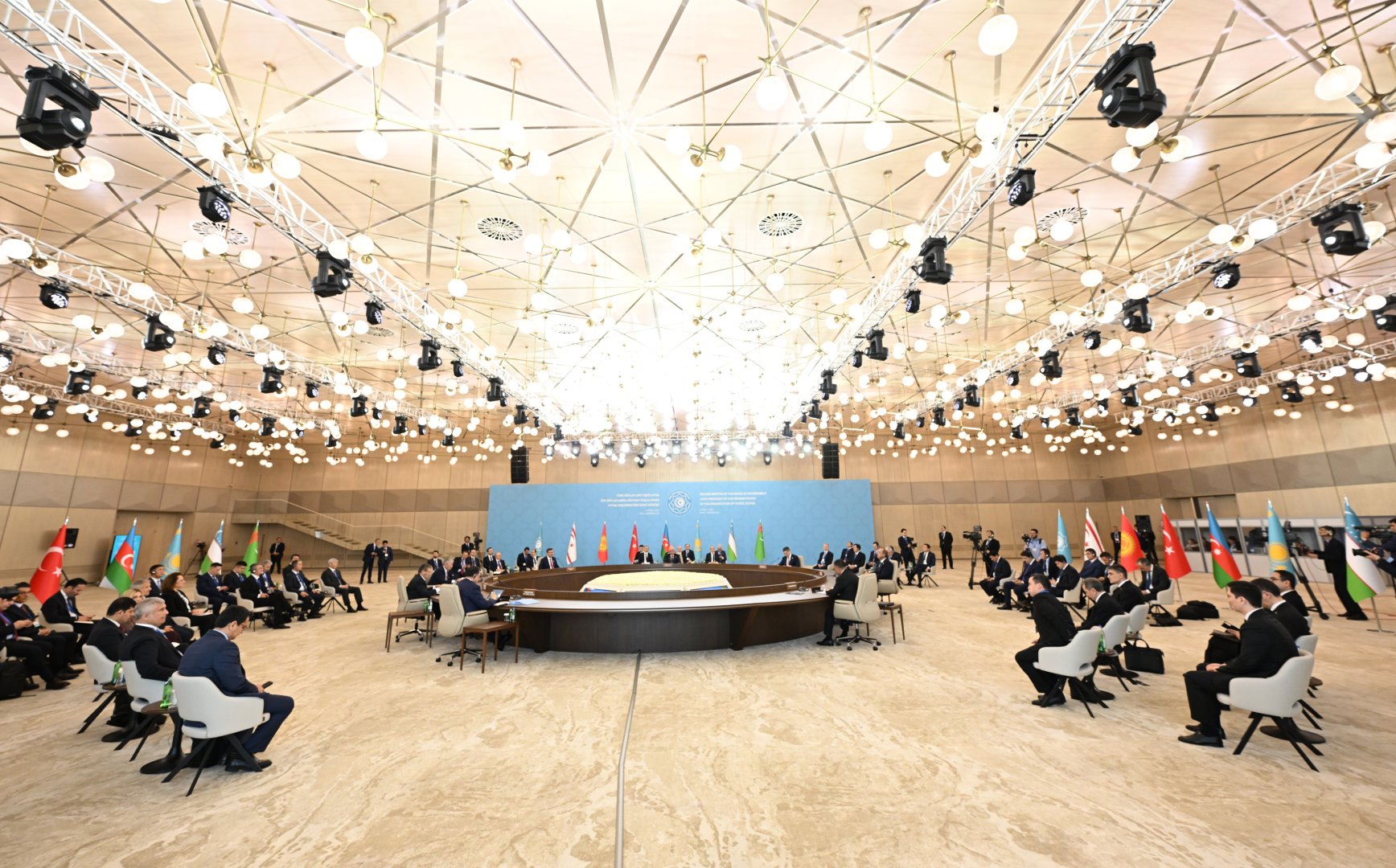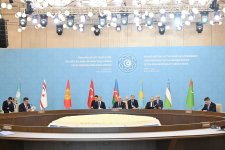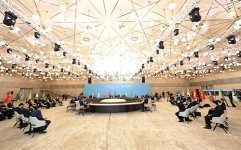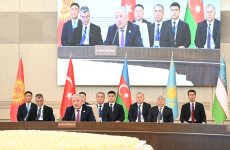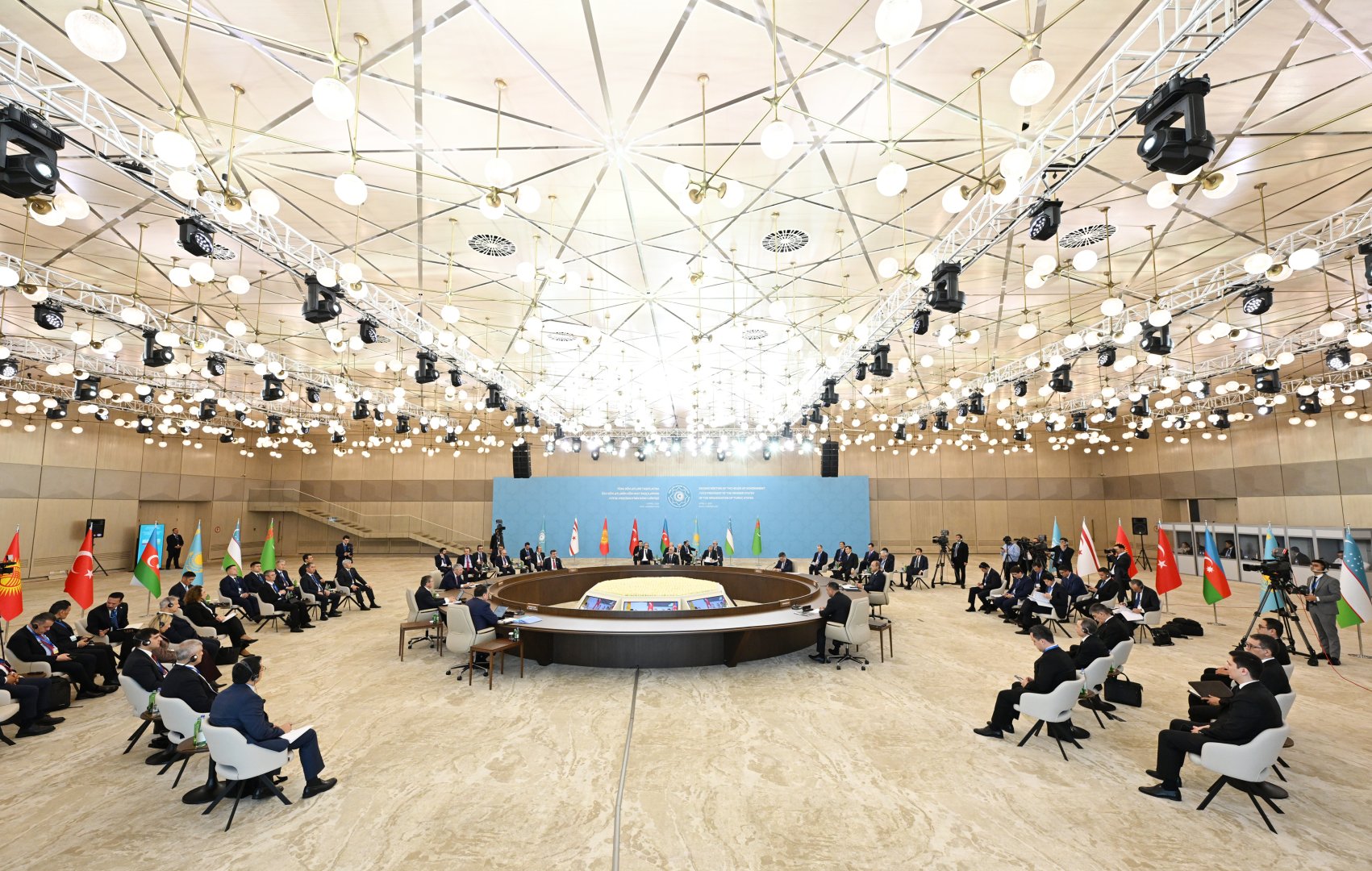

BAKU, Azerbaijan, April 2. Azerbaijan's Baku hosted the second meeting of prime ministers and vice presidents from member states of the Organization of Turkic States (OTS), Trend reports.
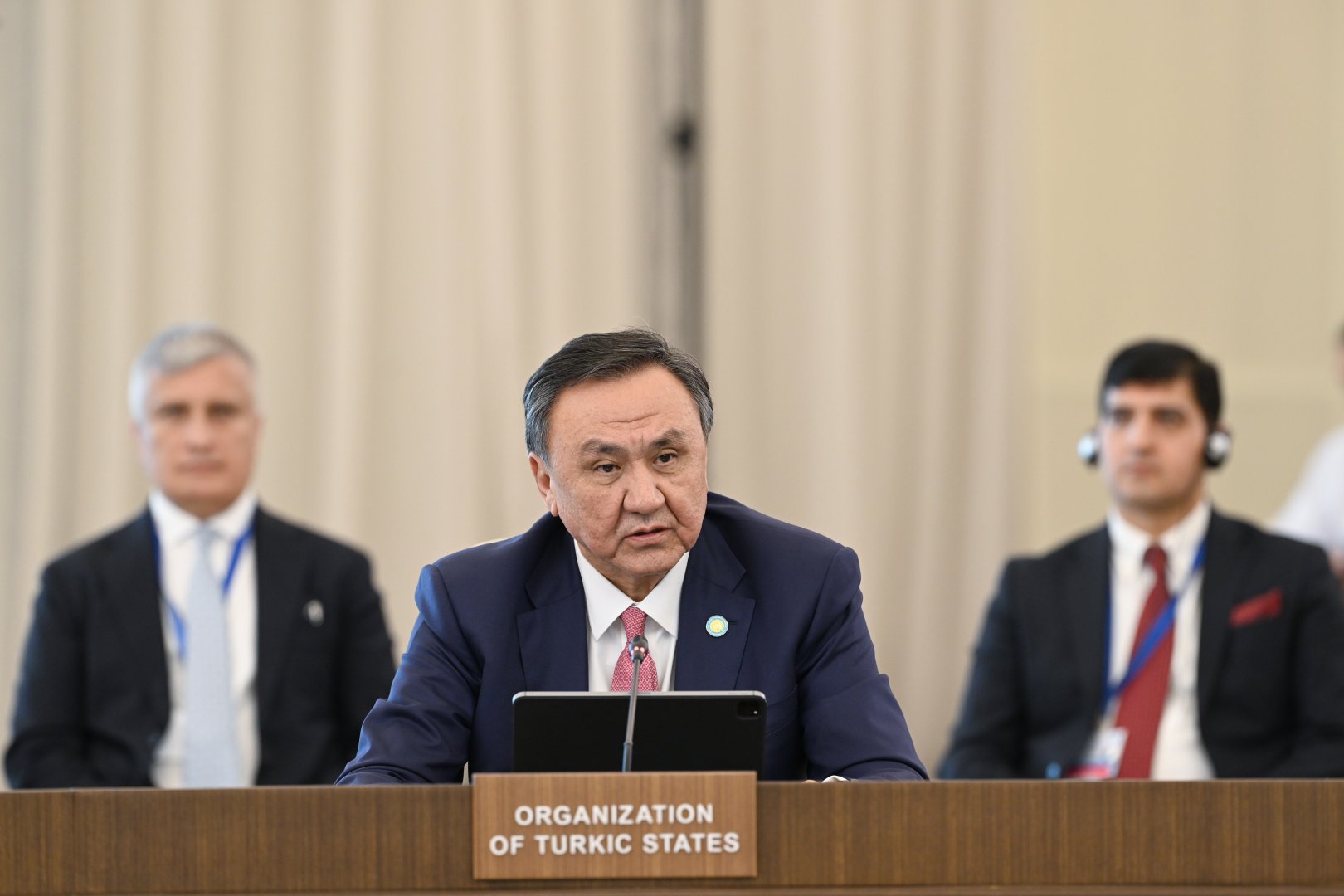
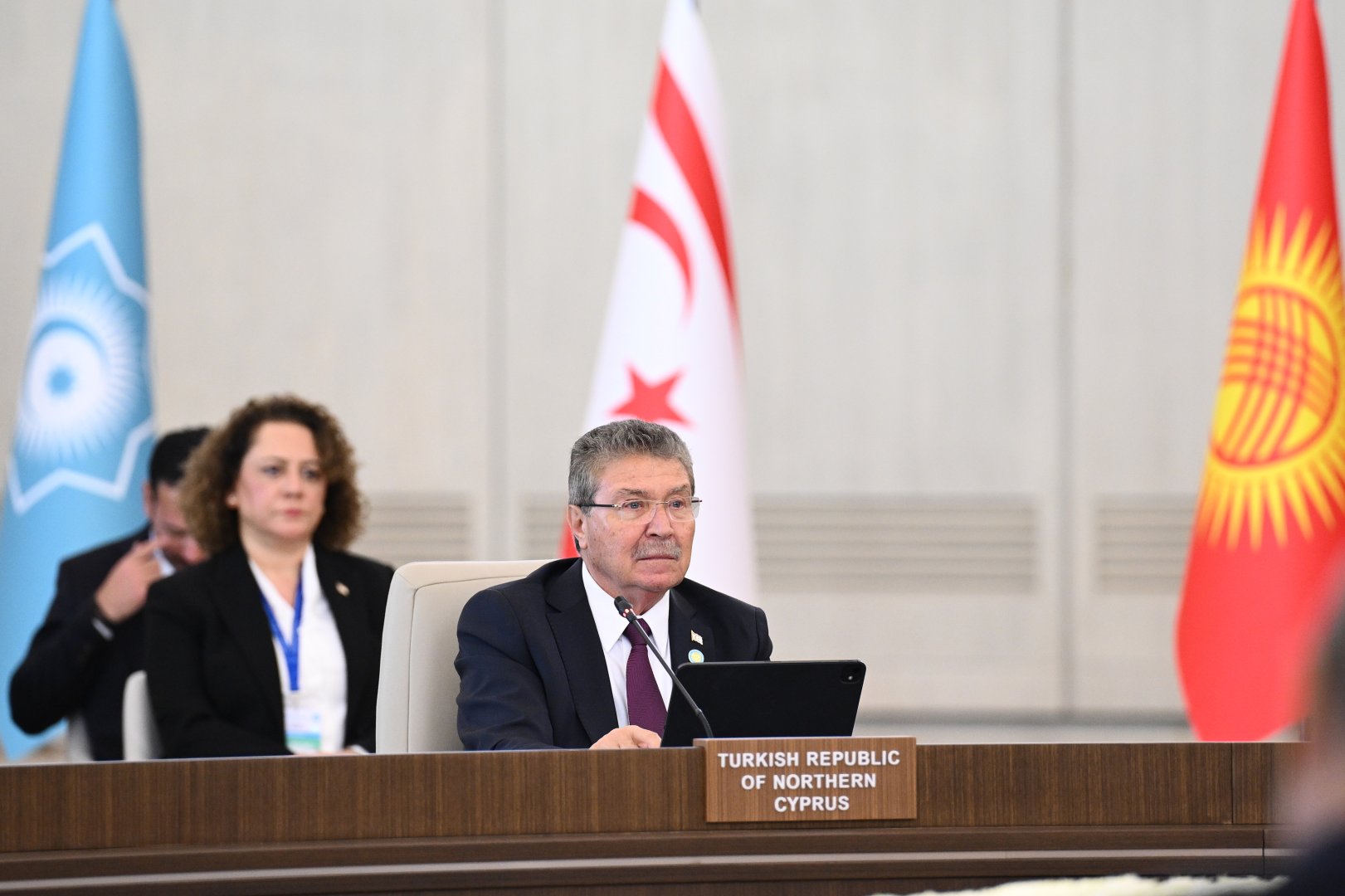
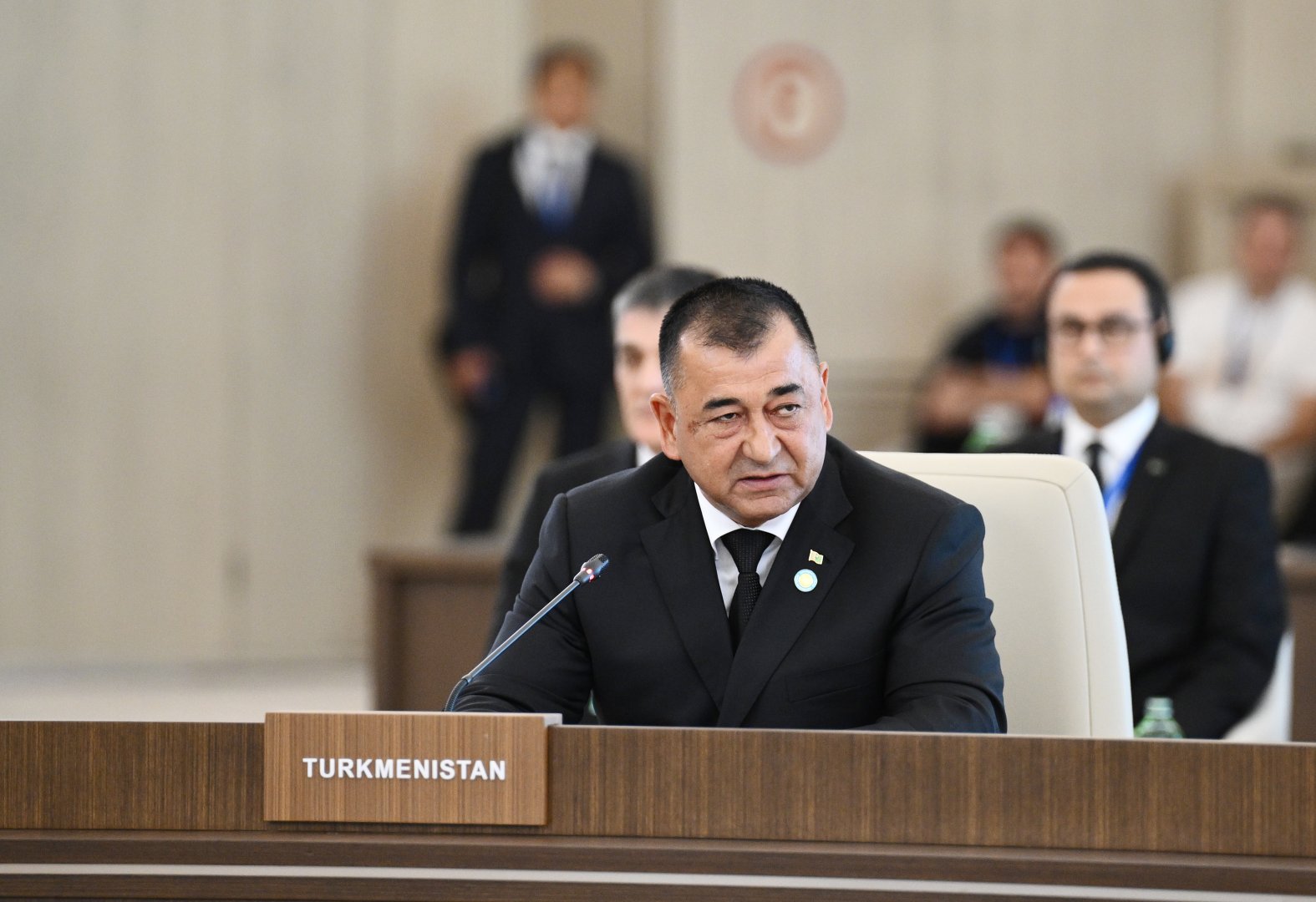
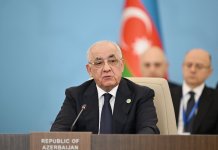
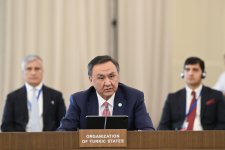
The meeting was attended by OTS Secretary General Kubanychbek Omuraliev, Azerbaijan’s Prime Minister Ali Asadov, Türkiye’s Vice President Cevdet Yilmaz, Kazakhstan’s Prime Minister Olzhas Bektenov, Chairman of the Cabinet of Ministers of Kyrgyzstan Adylbek Kasymaliev, Uzbekistan’s Prime Minister Abdulla Aripov, Prime Minister of the Turkish Republic of Northern Cyprus Ünal Üstel, and Deputy Chairman of the Cabinet of Ministers of Turkmenistan Nokerguly Atagulyev.
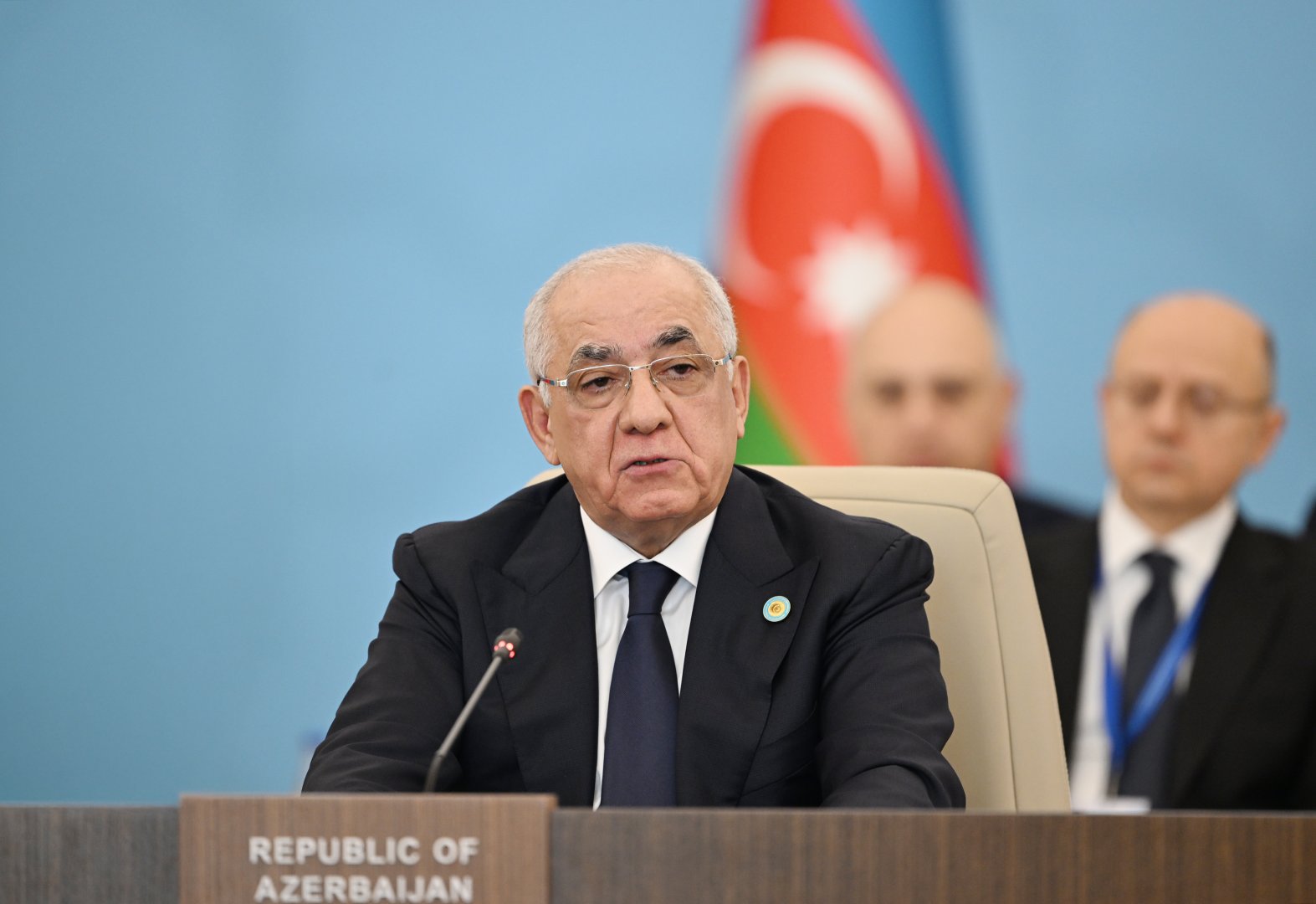
Speaking at the event Azerbaijan’s Prime Minister Ali Asadov stressed that the implementation of the Zangezur Corridor is of major strategic importance within the development of the Middle Corridor.
“In recent years, transit transportation along the Middle Corridor has been steadily growing as a result of our joint efforts. In 2025, this growth reached nearly 11%, totaling 5 million tons,” he said.
Asadov emphasized that Azerbaijan has made substantial investments in developing the corridor, establishing a modern transport and logistics infrastructure.
“Strengthening the commercial fleet in the Caspian Sea, expanding the capacity of the international seaport, upgrading railway and road infrastructure, and creating logistics centers are among the key steps taken in this direction.
We are confident that enhanced coordination among member states, simplification of border and customs procedures, implementation of digital solutions, and harmonization of tariff policies will further increase the competitiveness of the Middle Corridor,” he added.
The prime minister emphasized that, in this context, the realization of the Zangezur Corridor holds particular significance.
“The importance of this project is not limited to ensuring seamless connectivity between mainland Azerbaijan and the Nakhchivan Autonomous Republic. It is also of strategic importance for uniting the entire Turkic world and opening up new transport and communication opportunities for the broader region,” Asadov said.
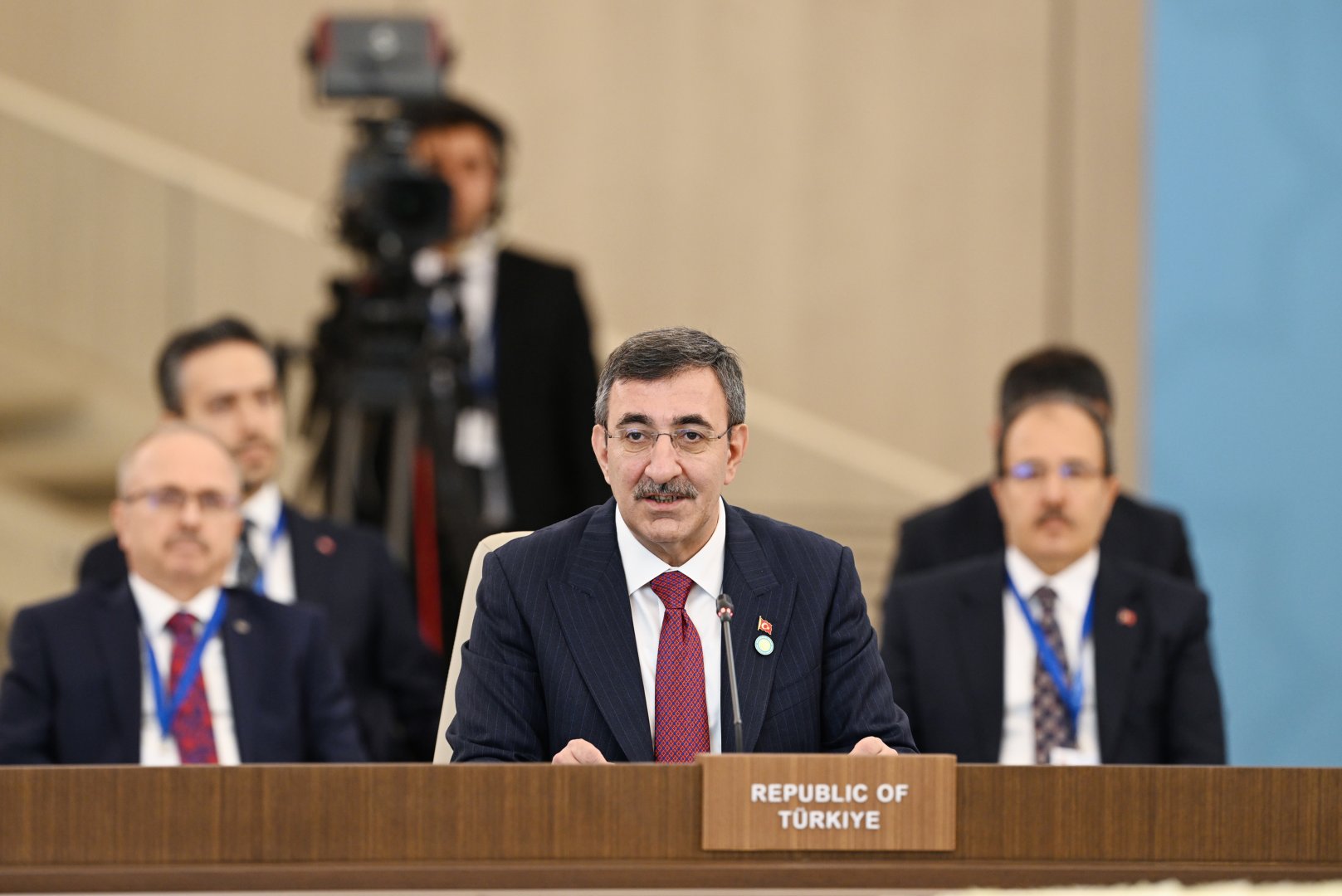
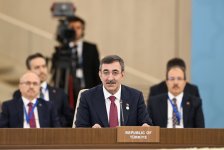
Türkiye’s Vice President Cevdet Yılmaz announced that the Turkic States Investment Fund, the first financial institution among Turkic states, is expected to begin its financing activities in the near future.
“We project that the Fund will imminently initiate its financial activities. Initiatives aimed at positioning it as a credible entity within the global arena hold significant value. Enhancing energy and transportation linkages between Turkic nations is of paramount importance when addressing both global and regional challenges,” Yilmaz delineated.
He also added that the Middle Corridor, stretching from Central Asia across the Caspian Sea to Türkiye and Europe, is emerging as a strategic route that strengthens supply chains, diversifies trade, and reinforces connections between Turkic states.
“The development of transport corridors, simplification of customs procedures, and facilitation of trade are closely interconnected. Holding joint meetings of relevant agencies and bringing together private sector representatives under shared objectives will be highly beneficial,” the vice president noted.
Kazakhstan’s Prime Minister Olzhas Bektenov emphasized that Kazakhstan is ready to participate in the Zangezur Corridor project.
“Amid rising geopolitical tensions, we are seeing disruptions in trade and transport routes that underpin the region’s food and energy security,” Bektenov said.
He highlighted the Trans-Caspian International Transport Route as one of the region’s most reliable and secure transit corridors. “To strengthen the institutional status of the Middle Corridor, we plan to sign a corresponding intergovernmental agreement with Azerbaijan this year,” he added.
Bektenov stressed the importance of integrating this route with the opening of the Zangezur Corridor while ensuring its long-term sustainability. “Kazakhstan is ready to participate in the project, and several Kazakh companies have expressed interest in building and upgrading railway infrastructure,” he said.
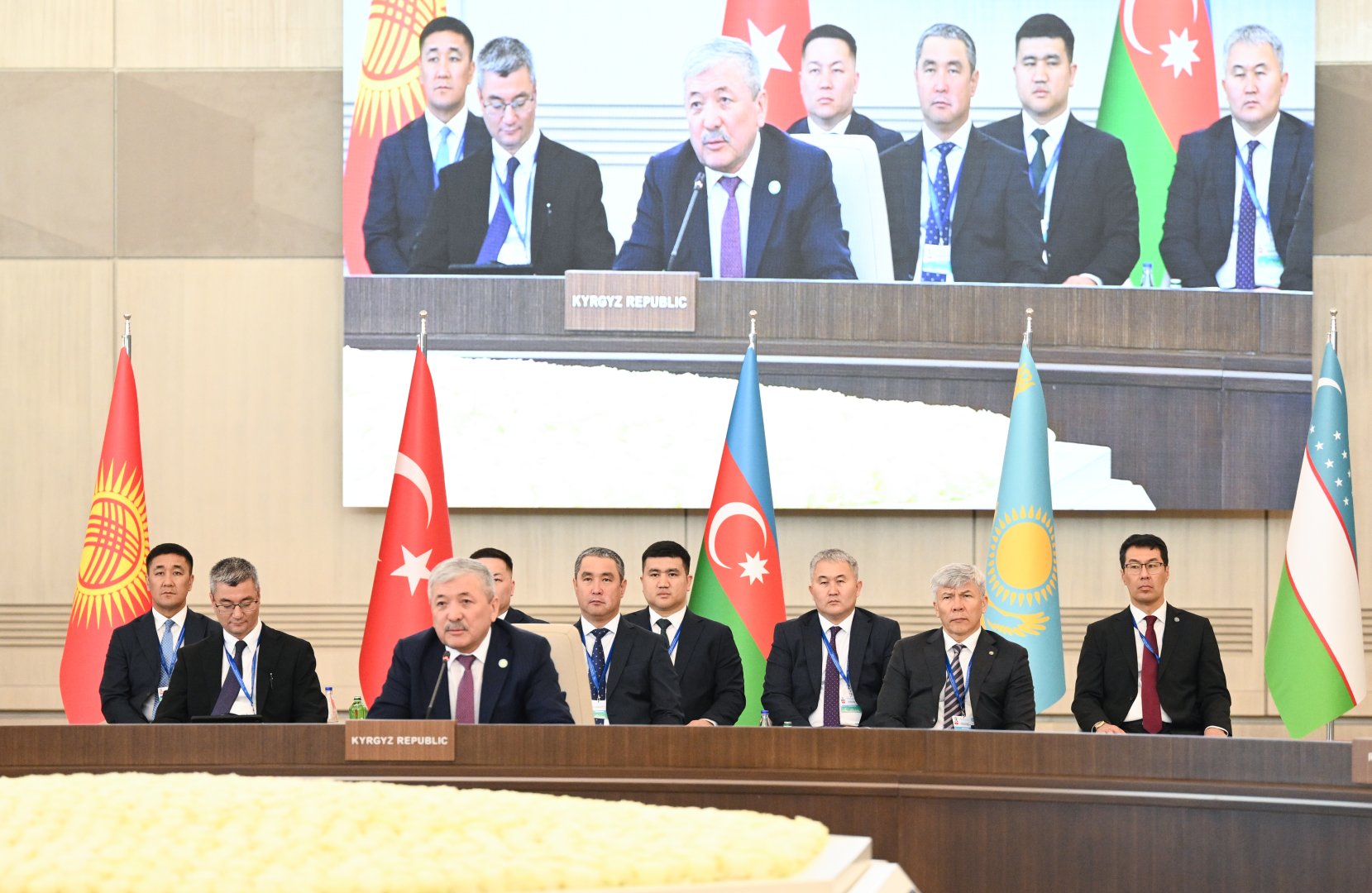
Chairman of the Cabinet of Ministers of Kyrgyzstan Adylbek Kasymaliev added that Kyrgyzstan is pushing to modernize its energy sector, with officials emphasizing the need for new technologies and expanded infrastructure.
“Although solar, wind, hydro, and bioenergy are already in use, their potential remains largely untapped,” he said.
Kasymaliev said the development of small hydropower plants is key to diversifying energy sources, boosting energy security, and supporting regional socioeconomic growth. Large projects are also underway, including the Kambar-Ata hydroelectric plant and the CASA-1000 initiative, which will allow Kyrgyzstan to export green electricity to Afghanistan and Pakistan.
“The Kyrgyz Republic is open to investment and ready for constructive dialogue,” Kasymaliev added. “We are confident that cooperation in the energy sector will strengthen social development and energy security across Central Asia.”
Uzbekistan’s Prime Minister Abdulla Aripov said that Uzbekistan considers it advisable to establish an industrial alliance of Turkic states.
“The development of industrial cooperation and strategic sectors is one of the key priorities. In this regard, we consider it advisable to establish an industrial alliance of Turkic states, as well as to expedite the adoption of the Strategic Minerals Program, aimed at forming value chains for full-scale industrialization,” Aripov said.
Aripov noted that, in order to deepen economic integration, it is necessary to establish a coordination mechanism under the leadership of the countries’ deputy prime ministers.
“We hope for your support for this mechanism and its prompt approval,” said Aripov.
The Prime Minister noted that within the framework of the Organization of Turkic States (OTS), particular importance is attached to simplifying customs and export procedures, reducing transit times, and introducing “green” infrastructure to develop trade between our countries. The implementation of these initiatives will significantly improve the business environment and increase the efficiency of logistics.
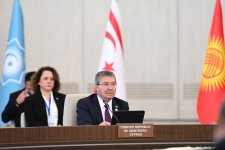
Prime Minister of the Turkish Republic of Northern Cyprus Ünal Üstel outlined that the Turkish Republic of Northern Cyprus intends to develop cooperation with all member states of the Organization of the Turkic States (OTS).
"Relations between Azerbaijan, Türkiye, and the Turkish Republic of Northern Cyprus should serve as an example for the entire organization. Our goal is to develop this cooperation with all member states and move forward," he said.
Üstel noted that the Turkish Republic of Northern Cyprus is ready for full membership in the OTS.
He also emphasized that to ensure sustainable economic development, it is necessary to focus on areas such as energy security, agriculture, tourism, technology, and education.
According to him, these sectors determine the economic potential of the Eastern Mediterranean and are of strategic importance.
“Cooperation between Türkiye and the Turkish Republic of Northern Cyprus in the fields of education, universities, and public institutions facilitates the education of young people and should be a priority. Digital education and the development of digital infrastructure, including data security, are also important,” he concluded.
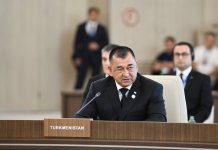
Nokerguly Atagulyyev, Deputy Chairman of Turkmenistan’s Cabinet of Ministers said that Turkmenistan views strong partnerships among the member states of the Organization of Turkic States (OTS) as essential for regional stability and development.
“Turkmenistan highly values cooperation among Turkic states and considers it a key condition for regional stability and growth,” Atagulyev said.
He highlighted ongoing collaboration on major global issues, including international peace, security, environmental protection, and the United Nations’ Sustainable Development Goals.
“At the same time, it’s important to consolidate the efforts of OTS member states,” Atagulyyev added.
The deputy prime minister also pointed to Turkmenistan’s active role in international organizations, particularly the UN, emphasizing the country’s commitment to multilateral diplomacy and the practical implementation of global initiatives.
OTS Secretary-General, Kubanychbek Omuraliev announced that negotiations have begun on an important agreement on the development of services and investment within the framework of the Organization of Turkic States (OTS).
“The agreement must be ambitious and practical. Kazakhstan initiated this process. We also call on Kazakhstan, Kyrgyzstan, and Türkiye to ratify the Agreement on Partnership in the Digital Economy as soon as possible, which will increase trust in digital transactions and expand e-commerce,” he said.
Omuraliev also noted that the Union of Chambers of Commerce and Industry of Turkic States could become more effective through institutional capacity building and the activation of the private sector’s role.
“In this context, the establishment of the Turkic Investment Fund will be an important step in supporting small and medium-sized businesses and increasing mutual trade,” he emphasized.
A joint statement was adopted during the meeting of government heads of Organization of Turkic States (OTS) member countries in Baku.
The meeting featured important discussions on further expanding cooperation within the OTS, developing economic and trade relations, strengthening joint activities in transportation and energy, and deepening collaboration in other areas.
Stay up-to-date with more news on Trend News Agency's WhatsApp channel