


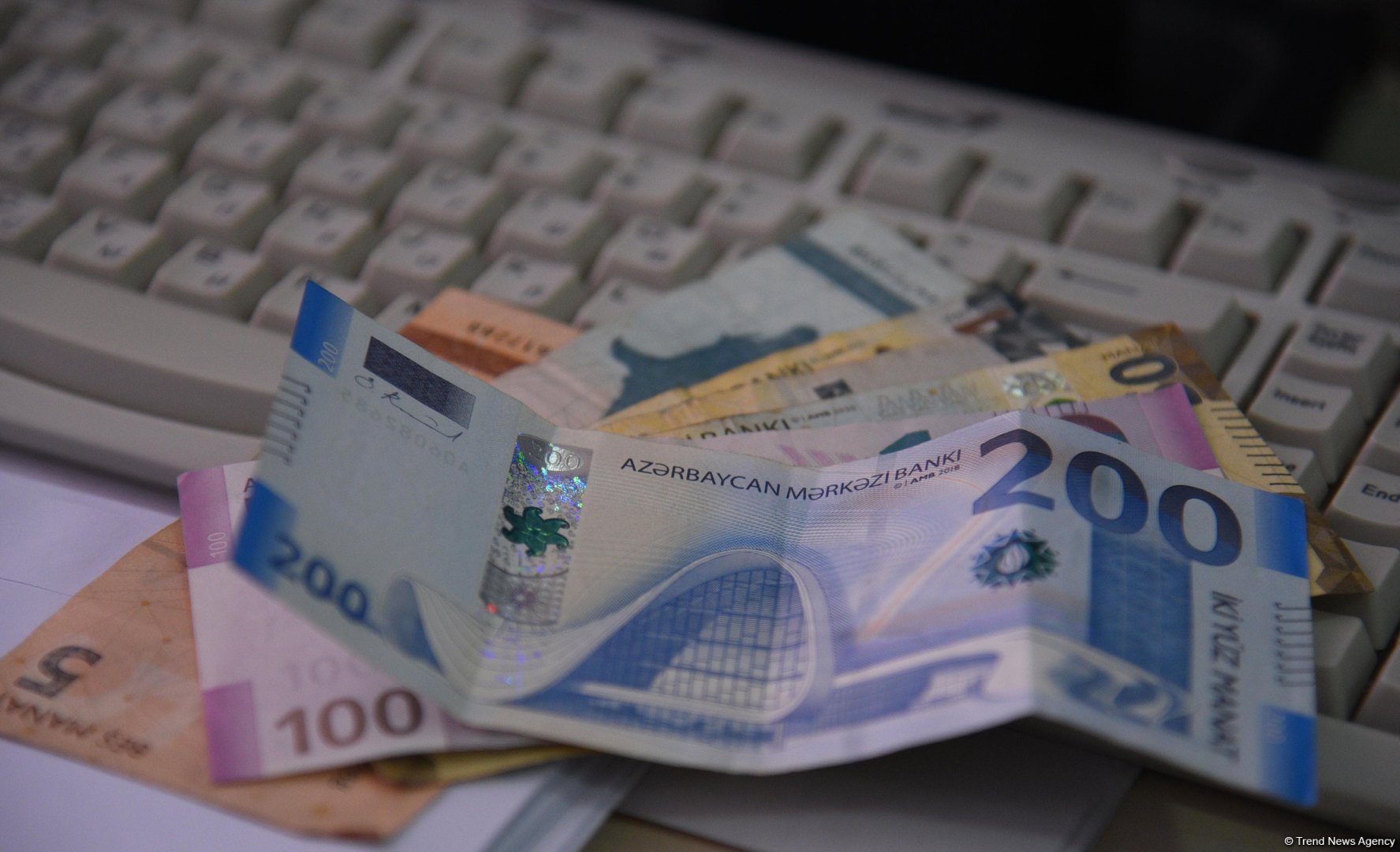

BAKU, Azerbaijan, May 28. Last year, budget revenues from road tax in Azerbaijan exceeded the forecast of 127.4 million manat ($74.9 million), reaching 135.9 million manat ($79.9 million).
Data obtained by Trend from the draft law on the execution of the state budget of the Republic of Azerbaijan in 2024 shows that this represents an increase of 8.5 million manat ($5 million) or 6.7 percent.
The country's road tax revenues slightly exceeded expectations, totaling 91.5 million manat ($53.8 million) against a forecast of 90.4 million manat ($53.1 million) - an excess of 1.1 million manat ($647,000) or 1.2 percent. However, there was a decrease of 3 million manat ($1.7 million) or 3.2 percent compared to 2023, due to a decrease in domestically produced oil products.
Road tax collected from imported fuel and foreign-registered vehicles amounted to 44.4 million manat ($26.1 million), which is 7.4 million manat ($4.3 million) or 20 percent above forecast and 1.6 million manat ($941.1) or 3.7 percent higher than in 2023. The overperformance in revenues is linked to larger-than-expected imports of automobile gasoline, as outlined in the Fuel and Energy Balance (FEB). Specifically, imports of AI-92 gasoline were 87,800 tons or 52.2 percent above expectations, and AI-95 gasoline imports exceeded forecasts by 7,400 tons or 5.6 percent.
For mining tax, actual revenues totaled 173.3 million manat ($101.9 million) compared to a forecast of 160 million manat ($94.1 million)—an increase of 13.3 million manat ($7.8 million) or 8.3 percent. This is also 9.8 million manat ($5.7 million) or 6 percent higher than in 2023.
Of this, 141 million manat ($82.9 million) or 81.4 percent came from the oil sector, representing an 11.7 percentage-point decrease compared to 2023. The remaining 32.3 million manat ($19 million) or 18.6 percent came from the non-oil sector—an 11.7 percentage-point increase from the previous year.
The significant rise in non-oil sector mining tax revenues—an increase of 20.9 million manat ($12.2 million) or 2.8 times—was mainly driven by payments for non-metallic minerals, which rose by 13 million manat ($7.6 million) or 4.3 times, and mineral waters, which saw an increase of 1.2 million manat ($705,8) or 2.6 times.



