


BAKU, Azerbaijan, July 16. Uzbekistan plans to increase budgets of mahallas (local neighborhoods) up to 2 trillion soums ($165 million).
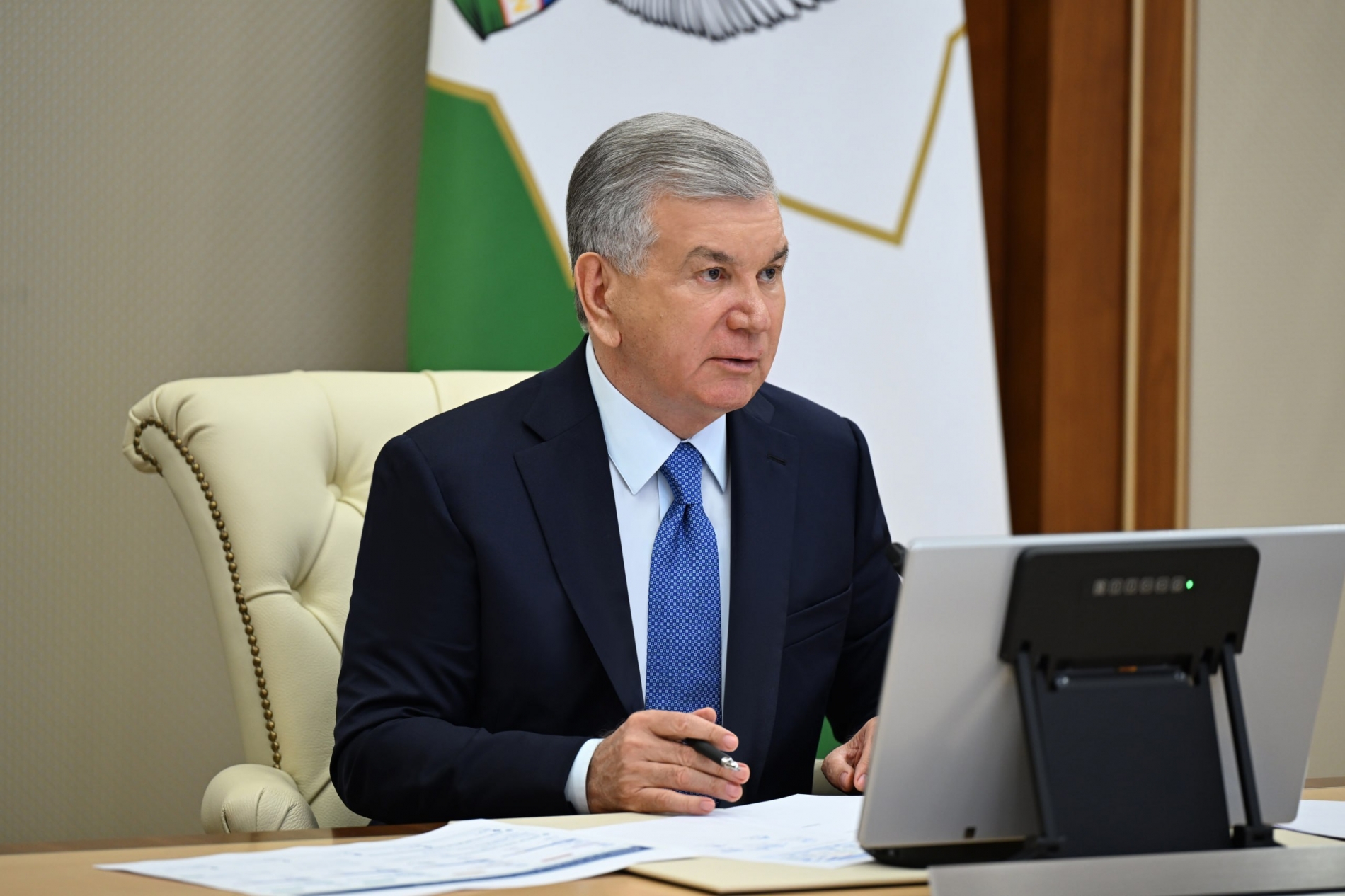
This was announced in a statement published by the press service of the Uzbek president, following a videoconference meeting outlining a major economic and structural overhaul of the country's mahallas.
During the meeting, the President Shavkat Mirziyoyev focused heavily on economic decentralization, local budget optimization, and small-business support programs designed to spur employment.
Mirziyoyev detailed that under a newly signed decree, mahalla chairpersons will shift from merely documenting social issues to forming concrete economic and social projects for their areas. To support this transition, mahallas will be granted the authority to auction off land plots for private schools, clinics, and sports facilities. Furthermore, "mahalla sevens" (local joint leadership groups) will receive 10 million soums ($827) in grants for income-generating and social projects, supported by a newly established 240-billion-soum ($19.8 million) national fund.
Addressing the financial mechanisms of the reform, the President introduced new tax incentives to strengthen local budgets. Starting this year, 5% of land and property tax revenues collected from non-residential properties within a mahalla will be channeled directly back to that neighborhood’s budget. This measure is expected to leave an additional 400 billion soums ($33 million) annually at the local level. Outstanding mahallas that show top performance in registering entrepreneurs, job creation, and expanding tax bases will receive 2 billion soums ($165,455) in bonuses.
"In general, due to new initiatives, revenues to mahalla budgets will reach 1.6 trillion soums ($132 million) this year, and 2 trillion soums ($165 million) from next year," the official report highlights.
Additionally, to stimulate local entrepreneurship, an extra 2 trillion soums ($165 million) in preferential resources will be allocated for family business initiatives. For mahallas facing difficult socio-economic conditions, the credit rate will be significantly reduced from 17.5% to 12%. State banks are also tasked with establishing specialization tracks in mahallas, building agricultural production-to-retail chains, and launching at least three "locomotive" investment projects in 1,000 targeted neighborhoods within a month.
The President emphasized that local authorities must take active ownership of these resources to resolve long-standing issues.
"To put it simply, both the district governor and the mahalla chairman, and in general every representative of the 'seven', have resources and powers to solve issues on the ground. Only responsibility and initiative are lacking," President Mirziyoyev stated.
Additionally, the meeting defined structural changes to the local banking system. Under the new guidelines, one dedicated "mahalla banker" will be assigned to no more than three neighborhoods. These bankers will be strictly responsible for identifying local economic "growth points," connecting with proactive residents, and expanding profitable micro-projects.



