


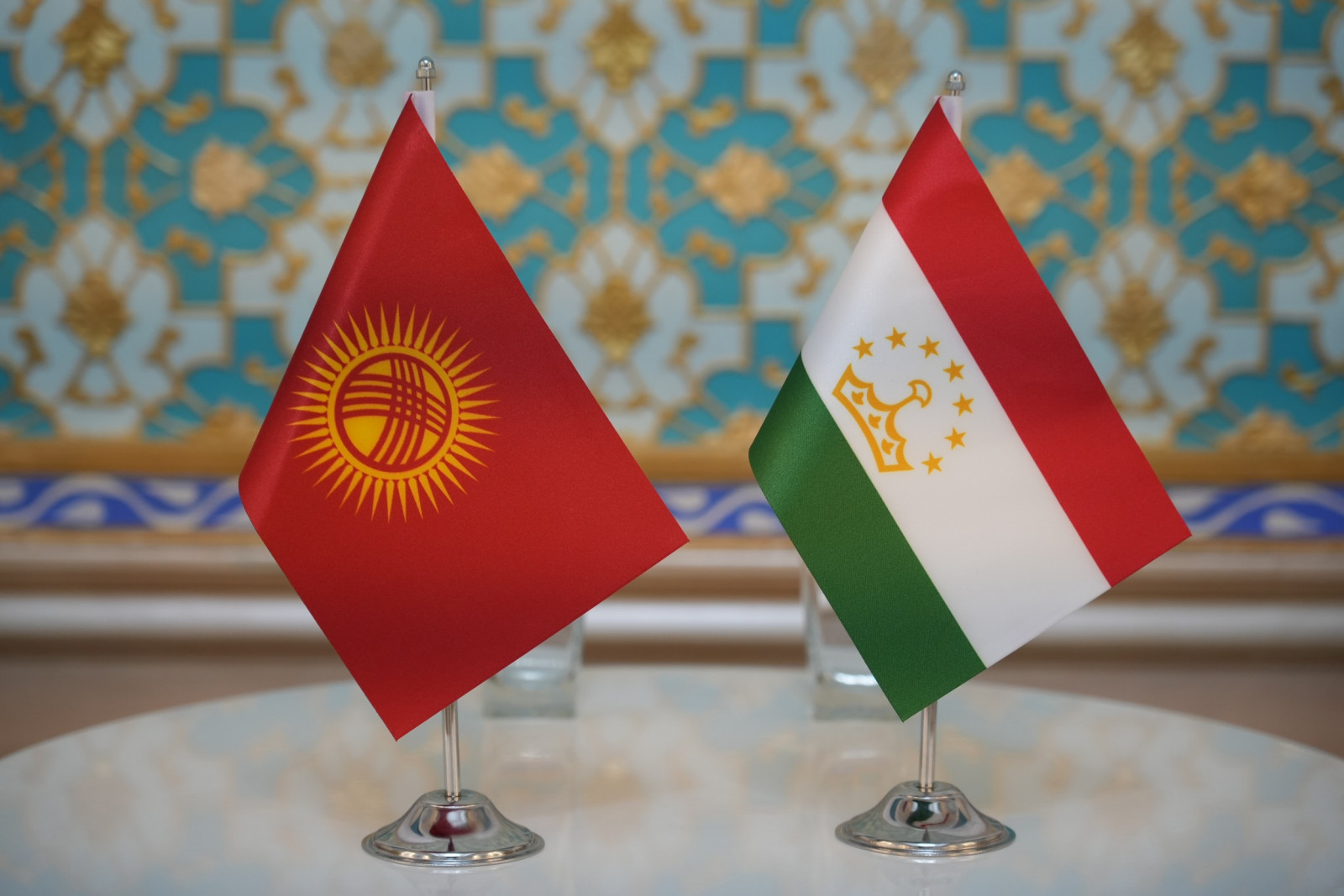
BAKU, Azerbaijan, July 15. Tajikistan and Kyrgyzstan discussed the practical implementation of the CASA-1000 (Central Asia-South Asia) electricity transmission project.
This was announced in a report published by the Tajik Ministry of Energy and Water Resources, following an online meeting between Minister of Energy and Water Resources Daler Juma and Minister of Energy of the Kyrgyz Republic Altynbek Rysbekov.
According to the report, during the talks, the ministers reviewed the current status and future development prospects of the bilateral energy partnership. A central focus of the discussions was placed on the practical implementation of the CASA-1000 (Central Asia-South Asia) electricity transmission project, which is designed to export surplus hydroelectricity from Kyrgyzstan and Tajikistan to South Asian markets.
''The parties also exchanged views on the implementation of the CASA-1000 regional electricity transmission project, the exchange of experience between specialists, the use of Tajikistan's experience in the construction of hydroelectric power plants, and other issues of industry cooperation,'' the report says.
Furthermore, the parties also exchanged views on expanding professional exchange programs, with Kyrgyzstan looking to utilize Tajikistan’s extensive technical expertise and experience in the construction and engineering of large-scale hydroelectric power plants. Additionally, the ministers addressed other key areas of sectoral cooperation aimed at enhancing regional energy security and optimizing water-resource utilization in Central Asia.
CASA-1000 (Central Asia–South Asia Electricity Transmission and Trade Project) is a regional energy project designed to facilitate electricity trade between Central and South Asia. It enables Kyrgyzstan and Tajikistan to export surplus hydropower to Afghanistan and Pakistan through a high-voltage transmission network with a capacity of around 1,300 MW. Supported by international financial institutions, the project aims to strengthen regional energy cooperation and improve electricity supply in South Asia.



