


BAKU, Azerbaijan, July 16. Lower political risks could improve logistics economics after the reopening of the Strait of Hormuz, the International Transport Forum told Trend.
The assessment was made in response to Trend's question on how lasting peace between the United States and Iran could influence logistics investment and reshape the regional transport market.
According to the International Transport Forum (ITF), lower political risks could reduce operating costs on transport routes linked to Iran.
"Lower political risk could reduce insurance, financing and compliance costs on Iran-related routes," the organization said.
At the same time, the ITF believes investors and logistics operators are unlikely to change their approach immediately.
"However, investors and logistics operators may remain cautious until changes in sanctions, banking access and political relations appear durable," the organization noted.
The ITF outlined several opportunities that could emerge for logistics providers in a reshaped regional trade environment.
"Growth in multimodal transport combining rail, road, sea and port services. Increased demand for cargo tracking, customs support and real-time route management. Development of logistics hubs in Turkmenistan and Azerbaijan serving both east-west and north-south trade," the organization said.
The organization also identified key challenges that could affect the pace of logistics development.
"Different customs rules, tariffs, technical standards and documentation requirements across countries. Possible capacity constraints at ports, border crossings, and rail terminals. Continued uncertainty around sanctions, insurance cover, banking and payment systems," the organization added.
Meanwhile, as no tangible progress was made in the nuclear negotiations between the U.S. and Iran, the situation escalated on February 28, when the United States and Israel launched military airstrikes against Iran. In retaliation, Iran initiated missile and drone strikes targeting Israeli and U.S. installations in the region. Following these developments, a two-week ceasefire agreement was brokered on April 7 through Pakistan's mediation.
A peace memorandum was signed between Iran and the U.S. on June 18. The memorandum was signed by Iranian President Masoud Pezeshkian and U.S. President Donald Trump. The memorandum came into effect on June 19.
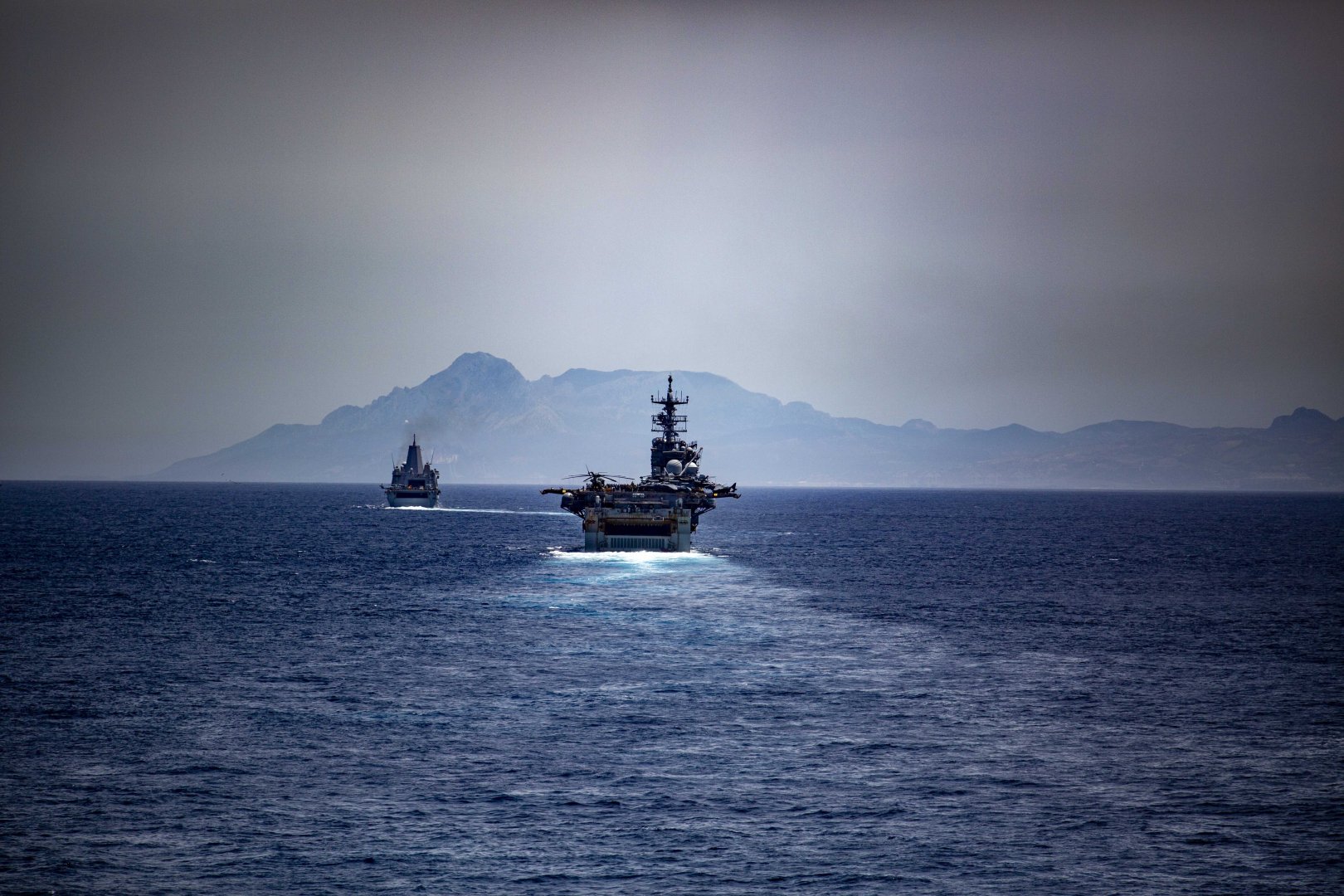
On June 21, the first round of talks between Iran and the U.S. took place in Switzerland, mediated by Pakistan and Qatar. Among the issues discussed was the restoration of safe navigation through the Strait of Hormuz, one of the world's most strategically important maritime chokepoints, following weeks of heightened military tensions and disruptions to regional shipping. The waterway carries around one-fifth of global oil consumption and a significant share of global liquefied natural gas (LNG) trade, making its uninterrupted operation critical for global shipping, energy markets and supply chains.



