



BAKU, Azerbaijan, April 7. The conflict in the Middle East could lead to an increase in transit traffic along the Middle Corridor, Trend reports via the International Monetary Fund.
"An escalation of the conflict in the Middle East could lead to a further decline in tourist flows from Israel and the Gulf countries, intensify inflationary pressures, and tighten financial conditions. “A more protracted conflict could lead to a redirection of financial and tourist flows toward Georgia, as well as an increase in transit through the Middle Corridor,” the fund’s report states.
According to IMF analysts, a peaceful resolution in Ukraine could partially reverse trends related to migration, financial flows, and transit trade, while simultaneously contributing to broader regional stability and confidence-building.
"Difficulties in relations with the European Union could negatively affect investor sentiment and the volume of foreign direct investment, while a planned real estate project worth $6.6 billion, being implemented by an investor from the United Arab Emirates, represents significant potential for economic growth and employment," the report states.
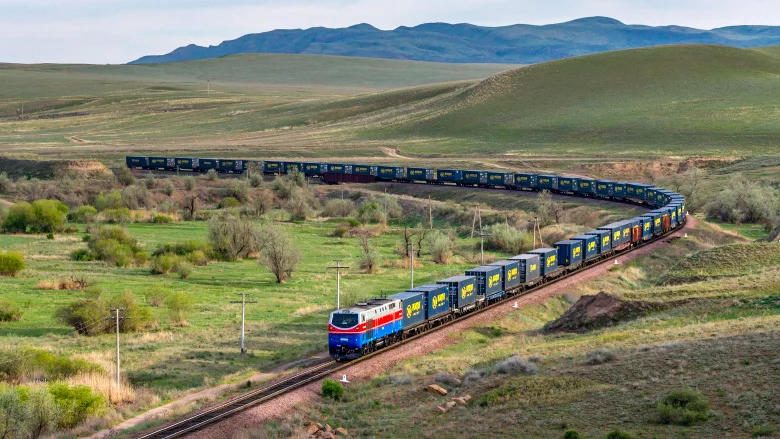
The Middle Corridor is a transport and trade route that passes through a number of countries in the region and connects Asia with Europe. It serves as an alternative to the traditional Northern and Southern Corridors.
The route begins in China and runs through the countries of Central Asia. It then crosses the Caspian Sea, Azerbaijan, Georgia, and Türkiye, before reaching Europe. The Middle Corridor is a land route that bypasses longer sea routes, connecting the eastern regions of Asia, including China, with Europe.



