


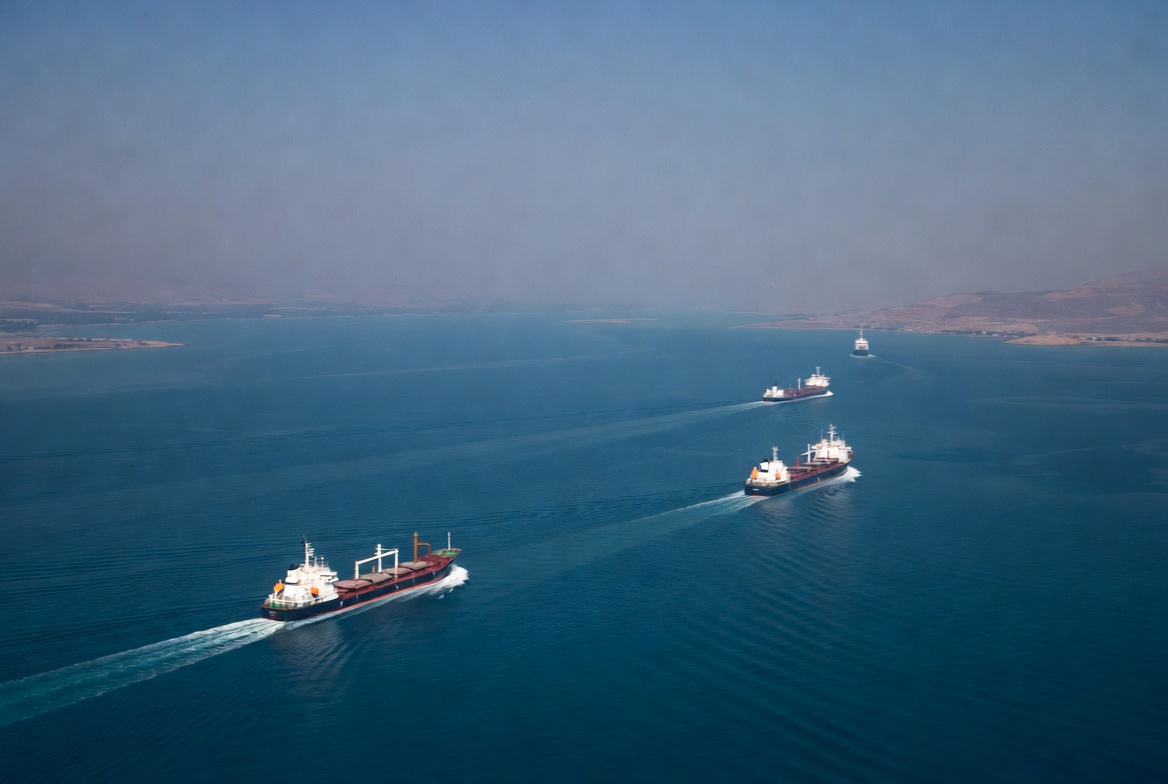

BAKU, Azerbaijan, March 26. Iran is ready to facilitate the passage of South Korean ships through the Strait of Hormuz, said the country’s ambassador to South Korea, Saeed Koozechi, Trend reports.
During a press conference, Koozechi clarified that the ships themselves are not the problem, but that the governments involved must coordinate in advance.
“Iran acts conscientiously and is prepared to permit the passage of South Korean ships through the Strait of Hormuz, but this depends on whether the necessary information and the list of vessels are provided. Once the information is submitted, we will review it,” he said.
According to the South Korean news agency Yonhap, about 26 South Korean vessels, carrying around 180 crew members, are currently anchored in the Persian Gulf. The ambassador made it clear that Iran does not see South Korea as an adversary, but restrictions on ships associated with U.S. companies and tankers remain unavoidable under the current circumstances.
Since no concrete agreement was reached in negotiations between the United States and Iran over the nuclear program, the U.S. and Israel began military airstrikes against Iran on February 28. In response, Iran launched missile and drone attacks on Israel and U.S. military facilities located in countries across the region, starting the same day.
On the first day of the air strikes against Iran, Iran’s Supreme Leader Ayatollah Seyyed Ali Khamenei and several high-ranking military officials were killed. On March 8, Iran’s Assembly of Experts elected Seyyed Mojtaba Khamenei as Iran’s third Supreme Leader by majority vote.
From March 1 through March 5, the confrontation expanded further, affecting several countries across the Middle East.
According to information, the U.S. side suffered losses of 13 dead and more than 140 wounded.
The ongoing conflict has significantly threatened the region’s energy infrastructure and maritime transport. Oil prices have surged on global markets due to heightened security tensions around the Strait of Hormuz, prompting several countries to advise their citizens to leave the region.
Stay up-to-date with more news on Trend News Agency's WhatsApp channel



