



ASTANA, Kazakhstan, March 31. The World Bank
(WB) has provided a grant of $4.8 million for the implementation of
the "Partnership for Market Implementation" (PMI) project, aimed at
developing the Emissions Trading System (ETS) in Kazakhstan and
integrating carbon pricing mechanisms into the country’s economic
strategy, Trend
reports via the Ministry of Ecology and Natural Resources of the
Republic of Kazakhstan.
The Ministry of Ecology and Natural Resources of the Republic of
Kazakhstan, in collaboration with “Zhasyl Damu” (Green Development)
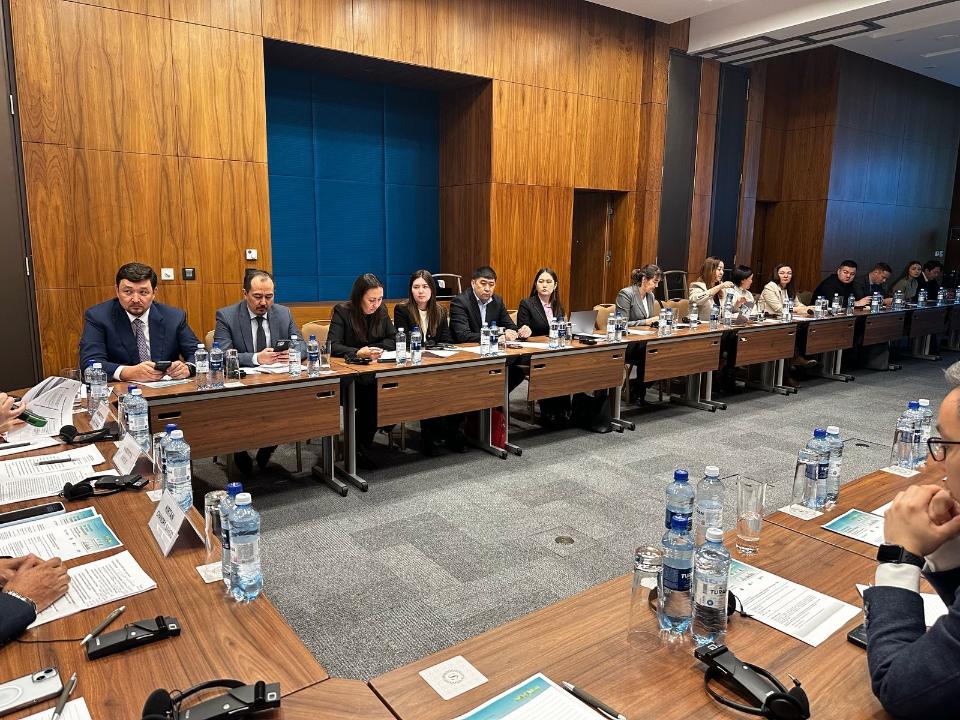
JSC and the World Bank, organized a seminar for the launch of the
PMI grant project.
The project is focused on developing and improving Kazakhstan's
Emissions Trading System (ETS) and integrating carbon pricing
mechanisms into the country’s economic strategy.
"In support of the efforts of the Ministry of Ecology and Natural
Resources of the Republic of Kazakhstan and “Zhasyl Damu” (Green
Development) JSC - the operator of the carbon units system in
Kazakhstan - and to support the country’s climate commitments, the
World Bank’s Targeted Fund ‘Partnership for Market Implementation’
(PMI) has allocated a grant of $4.8 million to Kazakhstan, valid
until June 30, 2028," the Ministry of Ecology and Natural Resources
of the Republic of Kazakhstan stated.
The event was attended by representatives from government agencies,
businesses, international organizations, and technical experts. The
discussions focused on strengthening the national emissions trading
system (ETS), introducing auction-based trading of quotas,
assessing the coverage of the ETS beyond the energy sector and CO₂
emissions, and preparing Kazakhstan for participation in
international carbon markets (Article 6 of the Paris
Agreement).
The event also served as an important platform for exchanging
experiences and discussing new solutions (taxes, emissions credits)
in the field of carbon regulation.
...



