


BAKU, Azerbaijan, September 9. On September 9, Tajikistan marks State Independence Day. In 2026, the country commemorates 35 years since the declaration of independence, a milestone of particular significance in the republic’s modern history.
Over the past decades, Tajikistan has experienced a complex period that included civil war, the restoration of state institutions, the consolidation of peace and national unity, and the subsequent pursuit of large-scale infrastructure development, energy advancement, industrialization, and expanded international cooperation.
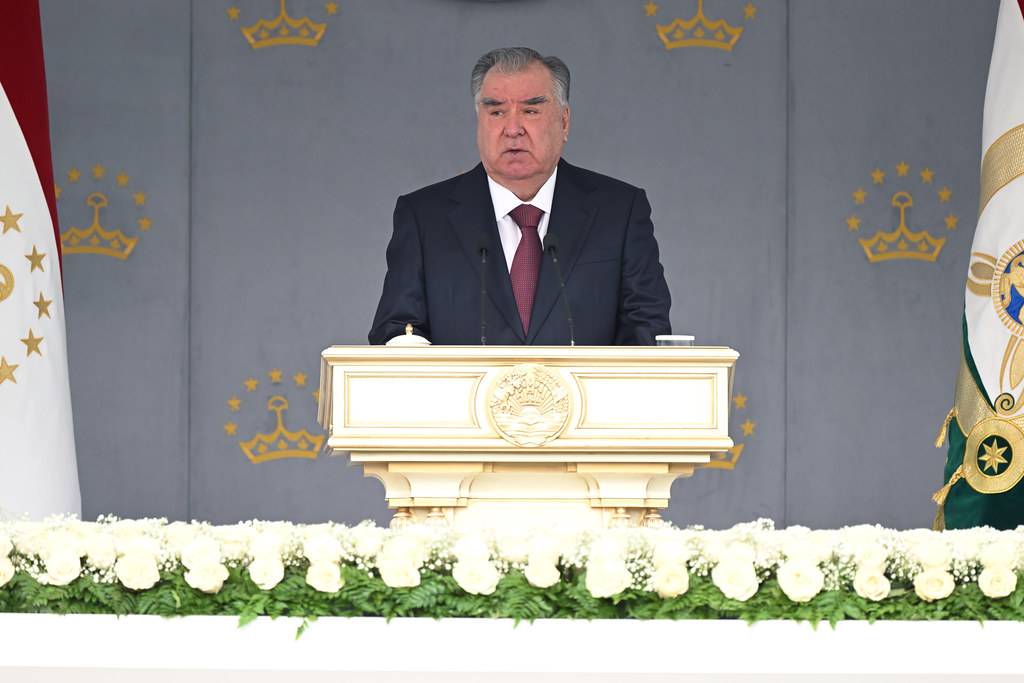
A key role in Tajikistan's development process has been attributed to the policy pursued by President Emomali Rahmon. His period of leadership coincided with the most challenging stage of Tajikistan’s post-civil-war recovery and the subsequent consolidation of the country’s modern system of public administration.
One of the principal outcomes of this period has been the preservation of national unity and the establishment of conditions conducive to long-term development. A significant milestone in this process was the signing of the General Agreement on the Establishment of Peace and National Accord in Tajikistan on June 27, 1997. The agreement paved the way for the cessation of armed confrontation and the restoration of stability.
President Emomali Rahmon has repeatedly underscored the historical significance of independence for Tajikistan. “Indeed, independence and freedom are our greatest historical achievement and the foundation for the development of national statehood,” President of Tajikistan Emomali Rahmon said.
Following the end of the civil war, state policy gradually shifted toward economic recovery, infrastructure development, and the creation of conditions conducive to improving living standards. In parallel, Dushanbe began implementing long-term strategies focused on achieving energy independence, ensuring food security, overcoming the country’s communications isolation, and accelerating industrialization.
The outcomes of these policy priorities can now be assessed through a range of economic indicators. According to figures presented by Ambassador of Tajikistan to Azerbaijan Ilhom Abdurahmon during a speech in Baku marking the 35th anniversary of Tajikistan’s state independence, the country’s GDP increased 3.4-fold over the past decade, while average annual economic growth reached 7.6%. In 2025, Tajikistan’s GDP amounted to 173 billion somoni ($18.77 billion), while real economic growth stood at 8.4%.
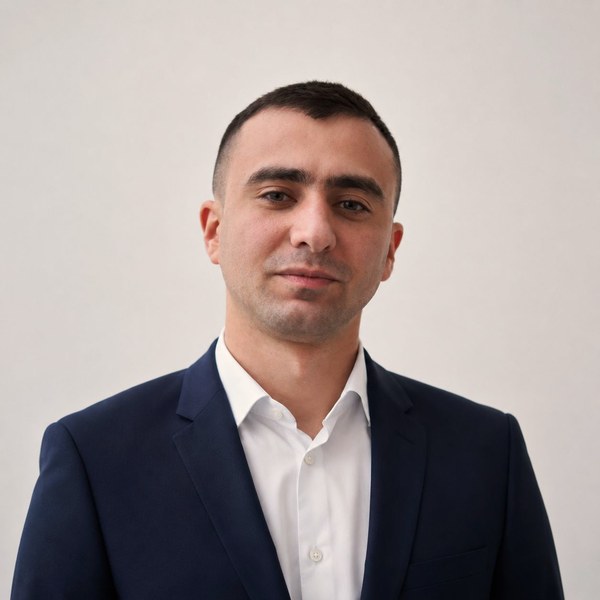
Over the same period, the country’s population increased from 5.3 million in 1991 to 10.7 million in 2026, while the poverty rate declined to 19%. “Over the years since gaining independence, our country has achieved significant progress in socio-economic development under the leadership of the Leader of the Nation, President of the Republic of Tajikistan, respected Mr. Emomali Rahmon,” Ambassador of Tajikistan to Azerbaijan Ilhom Abdurahmon said.
Energy remains among the principal priorities of Tajikistan’s economic policy. Over the past decade, 60 billion somoni ($6.51 billion) has been invested in the sector, while power generation capacity has increased by more than 1,000 MW. The largest project in this sector remains the Rogun Hydropower Plant. Its construction is viewed by Dushanbe as a strategic project that could strengthen the country’s energy independence, create additional opportunities for industrial development and increase Tajikistan’s export potential.
At the same time, the country is accelerating industrial development. During seven years of implementing its industrialization policy, more than 2,600 new industrial enterprises have been established and commissioned, creating more than 87,000 jobs. During this period, industrial production increased 2.5 times.
Another important factor is infrastructure development. As part of preparations for the 35th anniversary of independence, 29,000 facilities were initially planned for construction. However, more than 31,000 social, industrial, and infrastructure facilities have already been commissioned across the country. More than 70% of them were built with funding from domestic investors and donors.
The transformation has been particularly significant in the regions. More than 8,360 facilities of various types have been commissioned in Khatlon region over the past five years. The development of roads, social facilities, industrial enterprises and urban infrastructure is gradually changing the economic profile of the regions.
Tajikistan’s economic policy is also increasingly focused on human capital, including education, healthcare, culture, sports and expanding opportunities for young people. In his address marking the 35th anniversary of independence, Emomali Rahmon separately emphasized the responsibility of the younger generation for the country’s future.
Alongside domestic development, Tajikistan is consistently expanding its foreign economic and diplomatic ties. One of the most notable areas is cooperation with Azerbaijan. On May 23, 2024, Azerbaijan and Tajikistan signed a Declaration on Strategic Partnership in Baku. The document covers a broad range of areas, from trade and investment to transport, energy, industry, education, and culture.
According to Ilhom Abdurahmon, Azerbaijan currently holds a special place in Dushanbe’s foreign economic strategy. “Azerbaijan is one of Tajikistan’s most important and close partners, with whom we maintain sincere and friendly relations,” Ambassador of Tajikistan to Azerbaijan Ilhom Abdurahmon said.
Economic statistics also point to the intensification of bilateral ties. In 2025, trade turnover between Tajikistan and Azerbaijan increased by 84%, while the volume of strategically important transit transportation increased by 50%. At the same time, the potential for cooperation extends far beyond trade. Dushanbe is considering opportunities to use Azerbaijan’s transport and logistics infrastructure and further develop routes, including the Middle Corridor. Four direct flights per week also operate between Baku and Dushanbe, creating additional opportunities for business and tourism contacts.
Going forward, the combination of energy, industry and transport infrastructure could become one of the key factors in Tajikistan’s further economic development. For a landlocked country, expanding transport links with external markets is of strategic importance. The development of transit routes through Azerbaijan could expand access for Tajik producers to international markets while increasing Tajikistan’s role in regional logistics.
Energy remains an equally important area. The completion of major projects, development of renewable energy sources and modernization of infrastructure could strengthen domestic power supplies and create additional opportunities for electricity exports. Against this backdrop, the 35th anniversary of independence is becoming not only an opportunity for Tajikistan to assess its achievements, but also a starting point for a new stage of development. The country’s authorities have already outlined long-term priorities, including industrialization, energy independence, food security, transport development, digitalization and improving the quality of human capital.
Speaking to military personnel ahead of the anniversary, Emomali Rahmon linked the preservation of the achievements made to the responsibility of the state and society. “Therefore, compliance with the law and the requirements of military regulations, continuous improvement of professional skills, responsibility and devotion to the Motherland, the state and the people of Tajikistan are the most important and sacred duties of every officer and soldier,” the president said.
The military parade held in Dushanbe on September 7, which involved more than 27,000 people, was one of the central events marking the anniversary. At the same time, the symbolism of the 35th anniversary of independence goes far beyond the celebrations. For Dushanbe, the anniversary provides an opportunity to demonstrate the results of state-building over the past decades while also outlining the country’s future direction.
The next phase could be characterized by a gradual shift from large-scale recovery and the construction of basic infrastructure toward deeper economic integration, industrial cooperation, development of the digital economy and increasing export potential. Strategic partners could play a particularly important role in this process, including Azerbaijan, which, due to its geographic position, could become an important element of Tajikistan’s external logistics strategy.
Over 35 years of independence, the country has moved from a period of acute internal crisis and armed conflict toward a development model in which statehood, infrastructure development, energy and industrial policy have become central elements of its national strategy.
The policy of President Emomali Rahmon is viewed as a foundation for maintaining stability, strengthening independence, and creating conditions for the country’s further development.



