



BAKU, Azerbaijan, June 1. The Global Environment Facility (GEF) is reviewing a $3.9 billion replenishment package in Samarkand aimed at defining global environmental financing priorities for the 2026–2030 period, with an emphasis on supporting vulnerable countries and enhancing sustainable investment mechanisms, Trend reports via the Uzbek National Committee on Ecology and Climate Change.
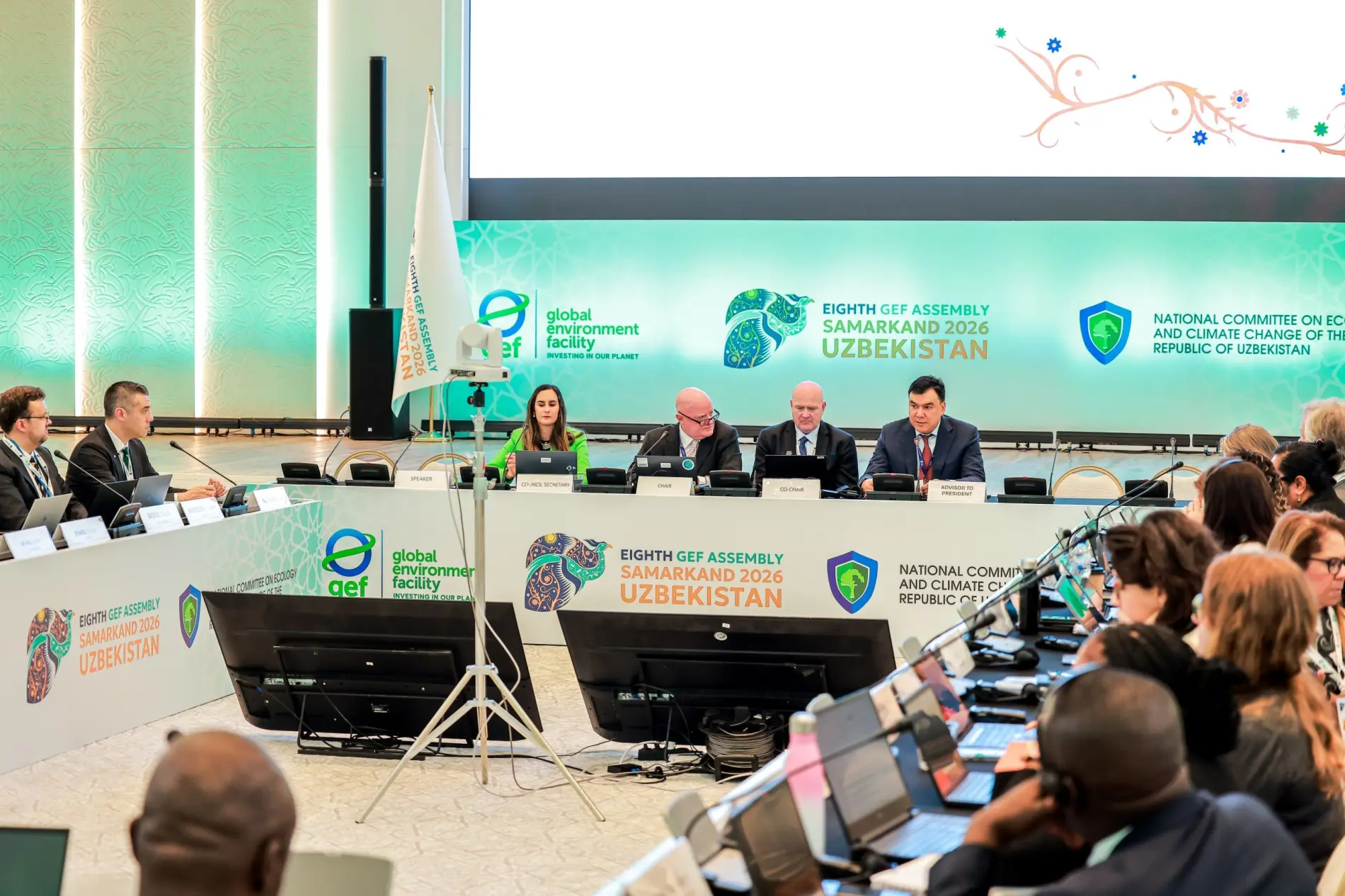
The matter was discussed at the 71st meeting of the GEF Council, which commenced on May 31 ahead of the Eighth GEF Assembly. The event brought together representatives of GEF member states, international organizations, financial institutions, the scientific community, civil society, and the private sector.
A key focus of the opening day was the ninth replenishment of the GEF Trust Fund, including its investment strategy, resource allocation mechanisms, and priority funding areas. Officials noted that the current replenishment envelope amounts to $3.9 billion, while donor countries may continue to make additional pledges until the final package is approved by the World Bank.
Participants stressed the importance of increasing support for least developed countries, small island developing states, as well as Indigenous Peoples and local communities. Delegates also discussed the expansion of transboundary environmental initiatives, strengthening blended finance mechanisms, and increasing private-sector participation in environmental projects.
Another item on the agenda was the GEF Work Program for June 2026, which includes 16 projects across 19 countries, with total GEF financing of $141.4 million and expected co-financing exceeding $828 million.
During the discussions, Uzbekistan’s Risk Mitigation Facility project was highlighted as an example of how blended finance can facilitate additional investment in environmental and sustainable development initiatives.
The Council also reviewed the proposed GEF corporate budget for fiscal year 2027, measures to enhance the effectiveness of the GEF partnership network, plans to expand the number of implementing agencies, and proposals to further refine the System for Transparent Allocation of Resources (STAR) under the GEF-9 framework.
Environmental experts presented assessments of major global challenges, including rising temperatures, extreme heat, threats to marine ecosystems, plastic pollution, and contamination from per- and polyfluoroalkyl substances (PFAS). Participants stressed the importance of science-based policymaking and integrated approaches to addressing environmental issues.
The 71st GEF Council meeting will continue in Samarkand through June 3, while the Eighth GEF Assembly is scheduled to officially open on June 4 at the Silk Road Samarkand complex.



