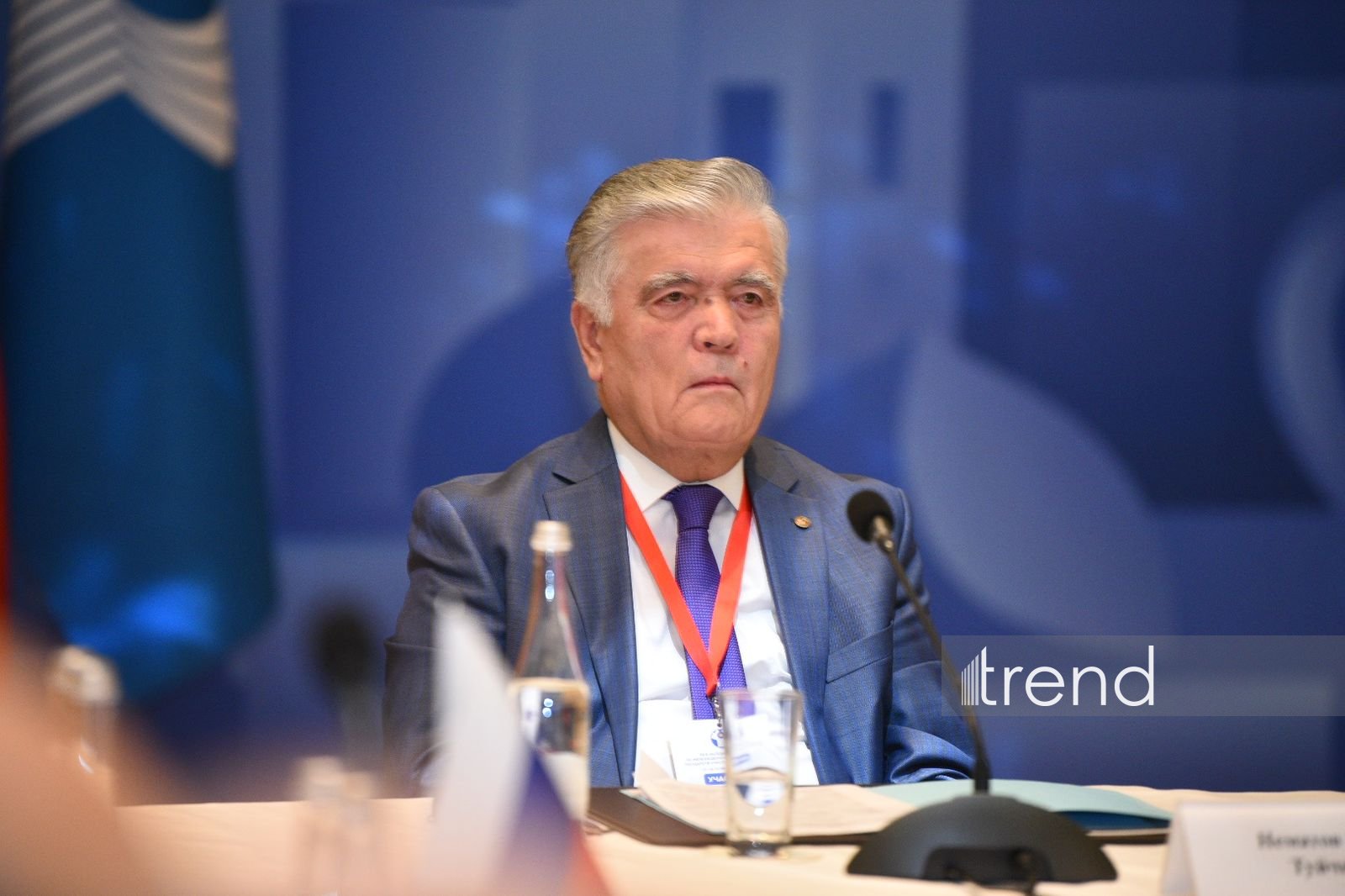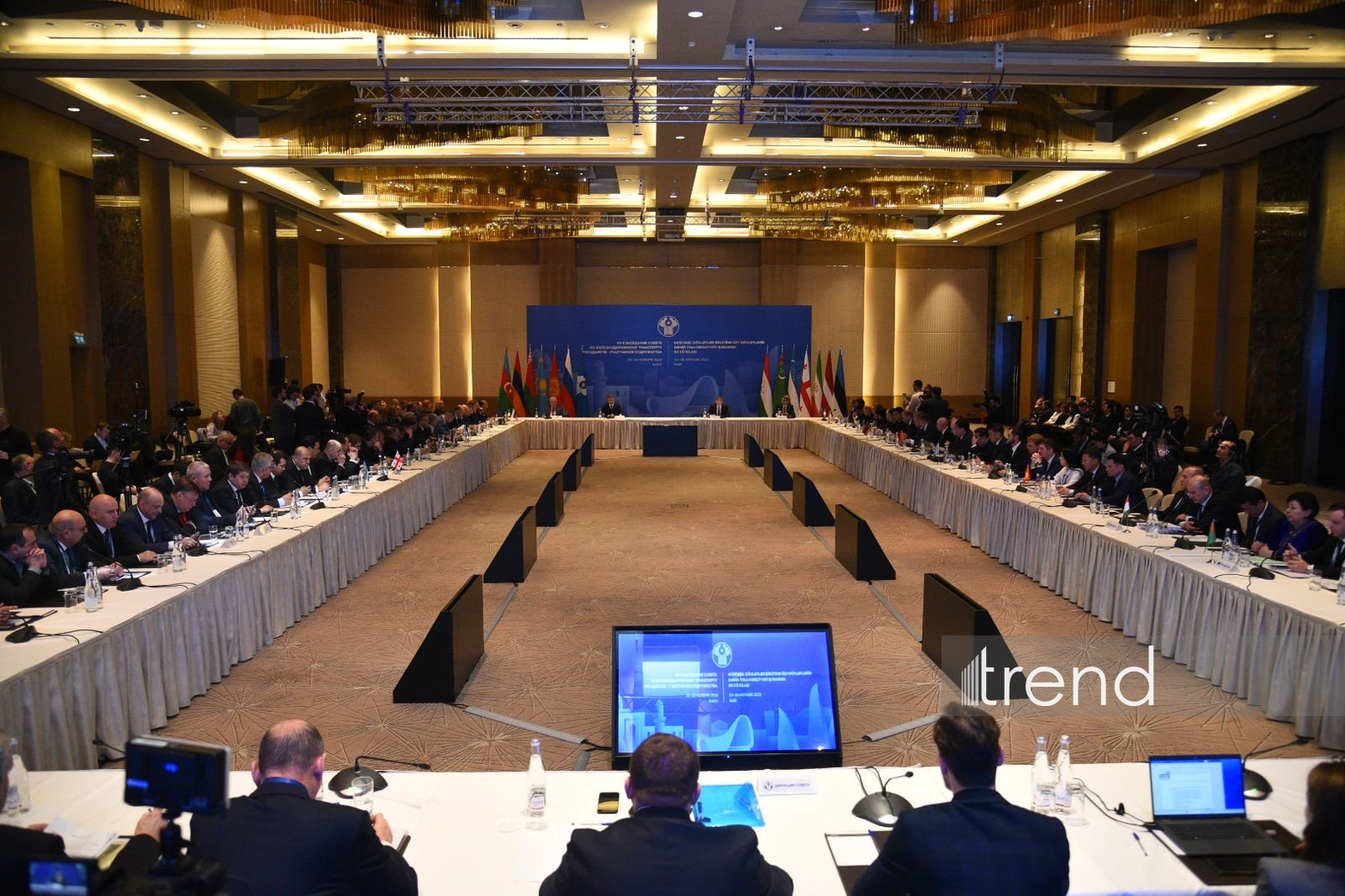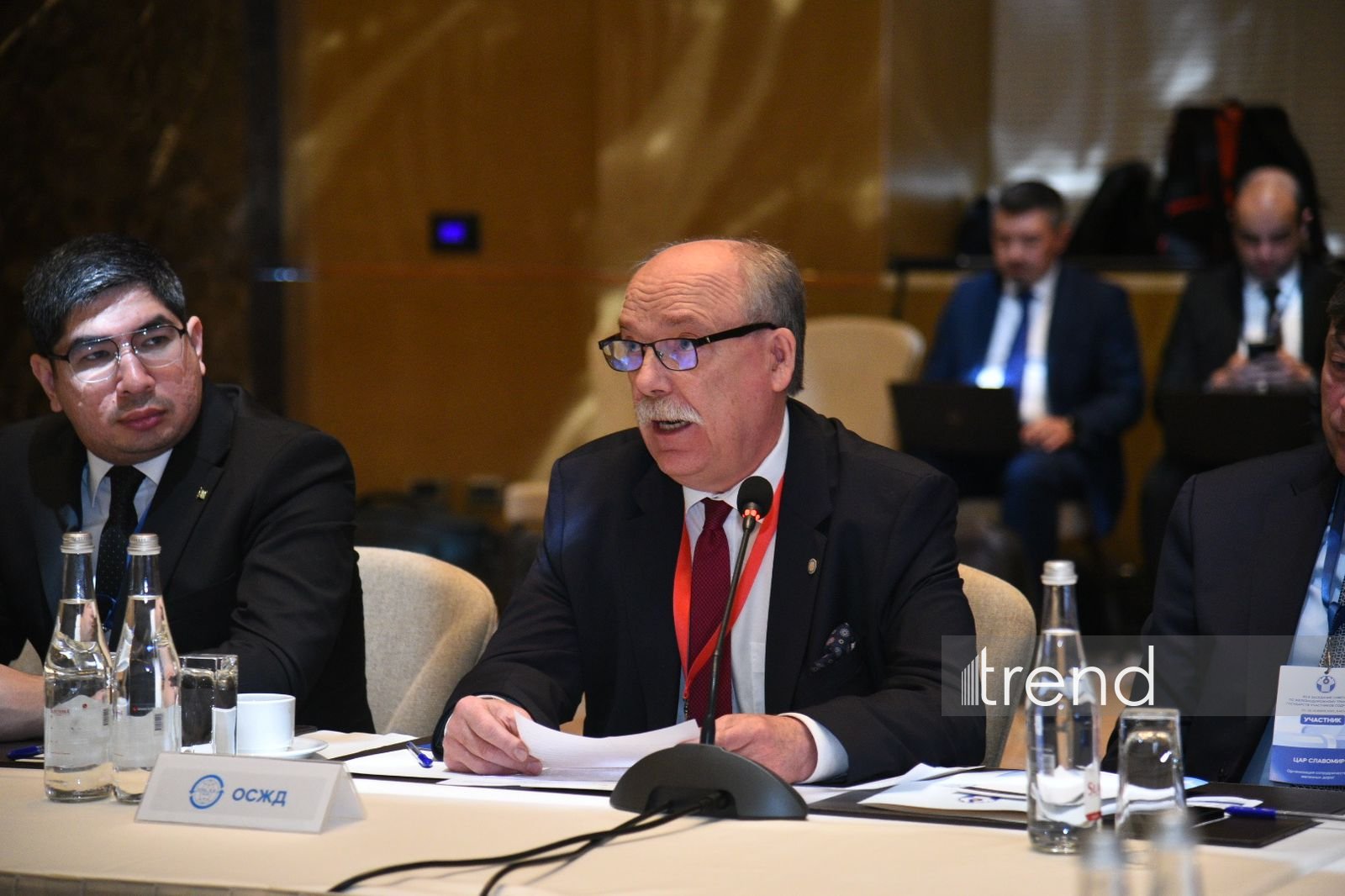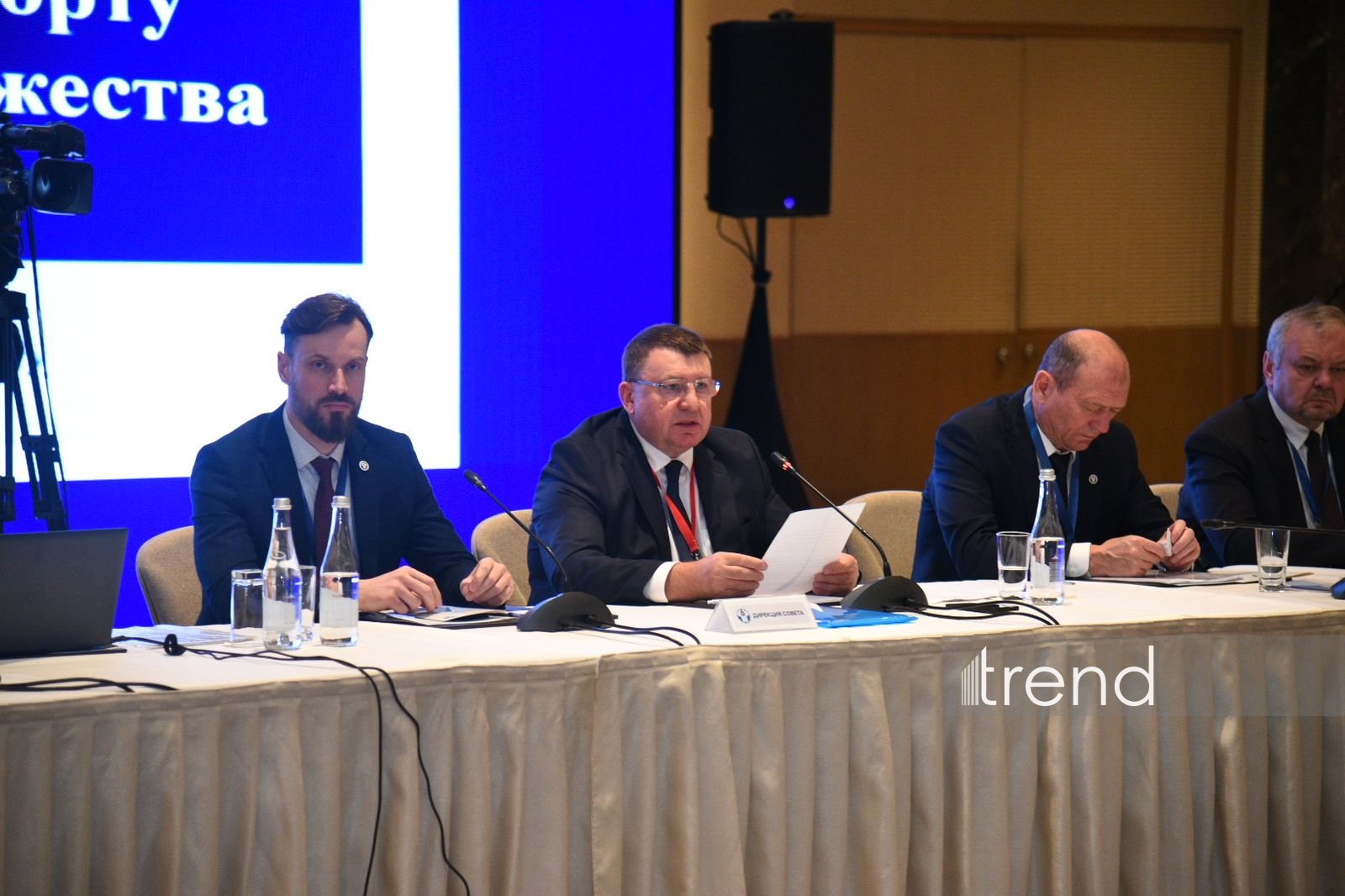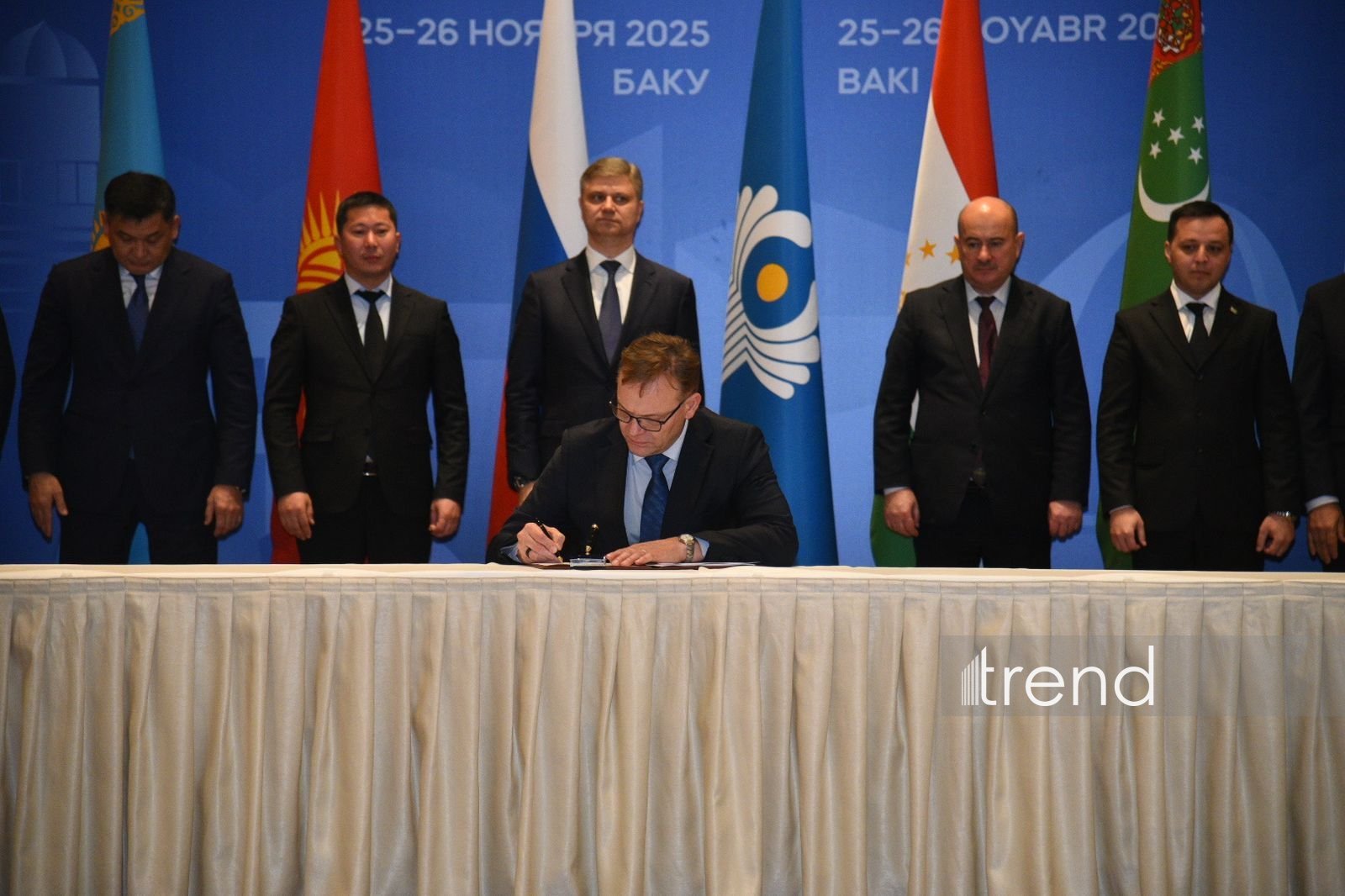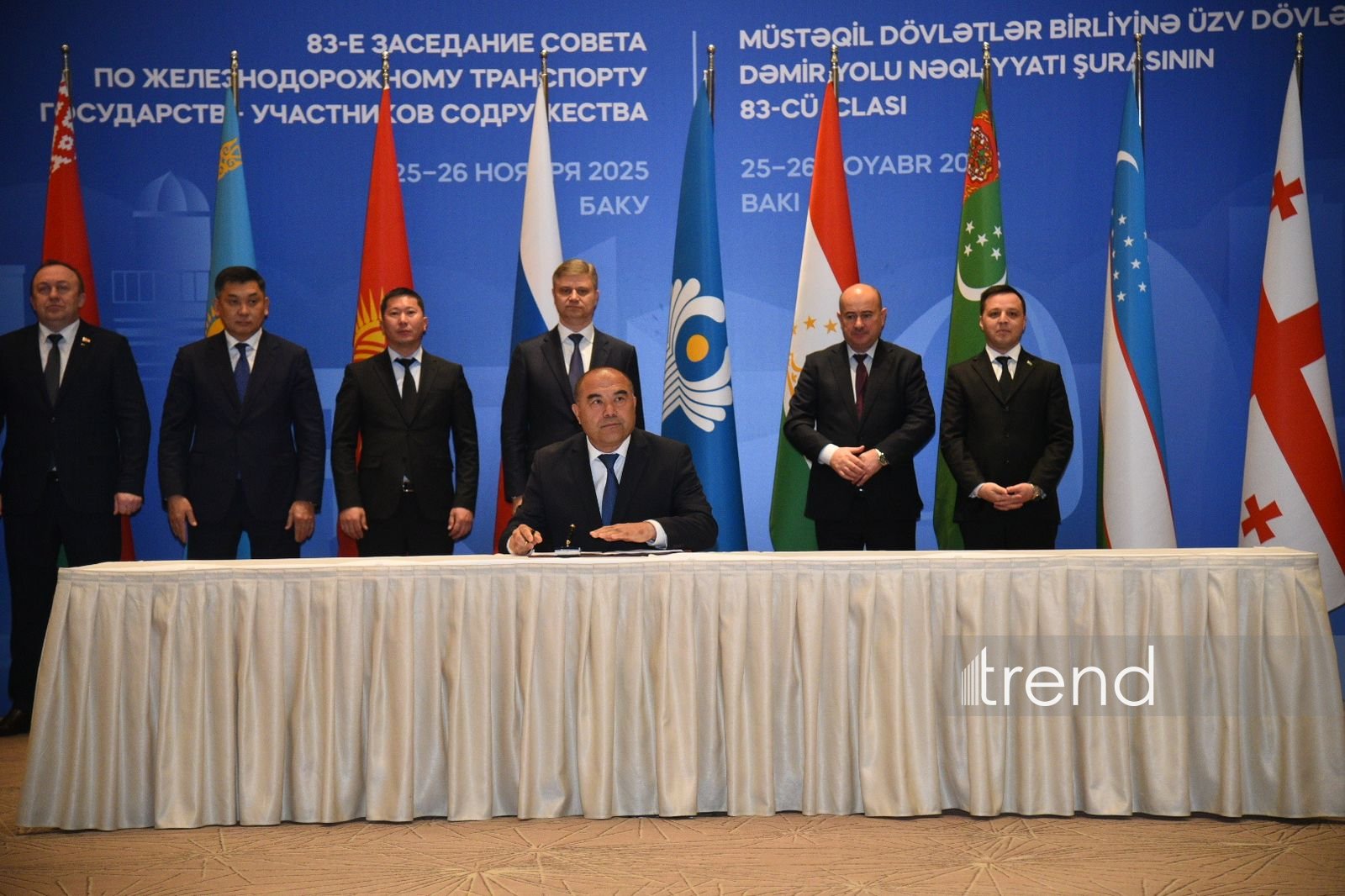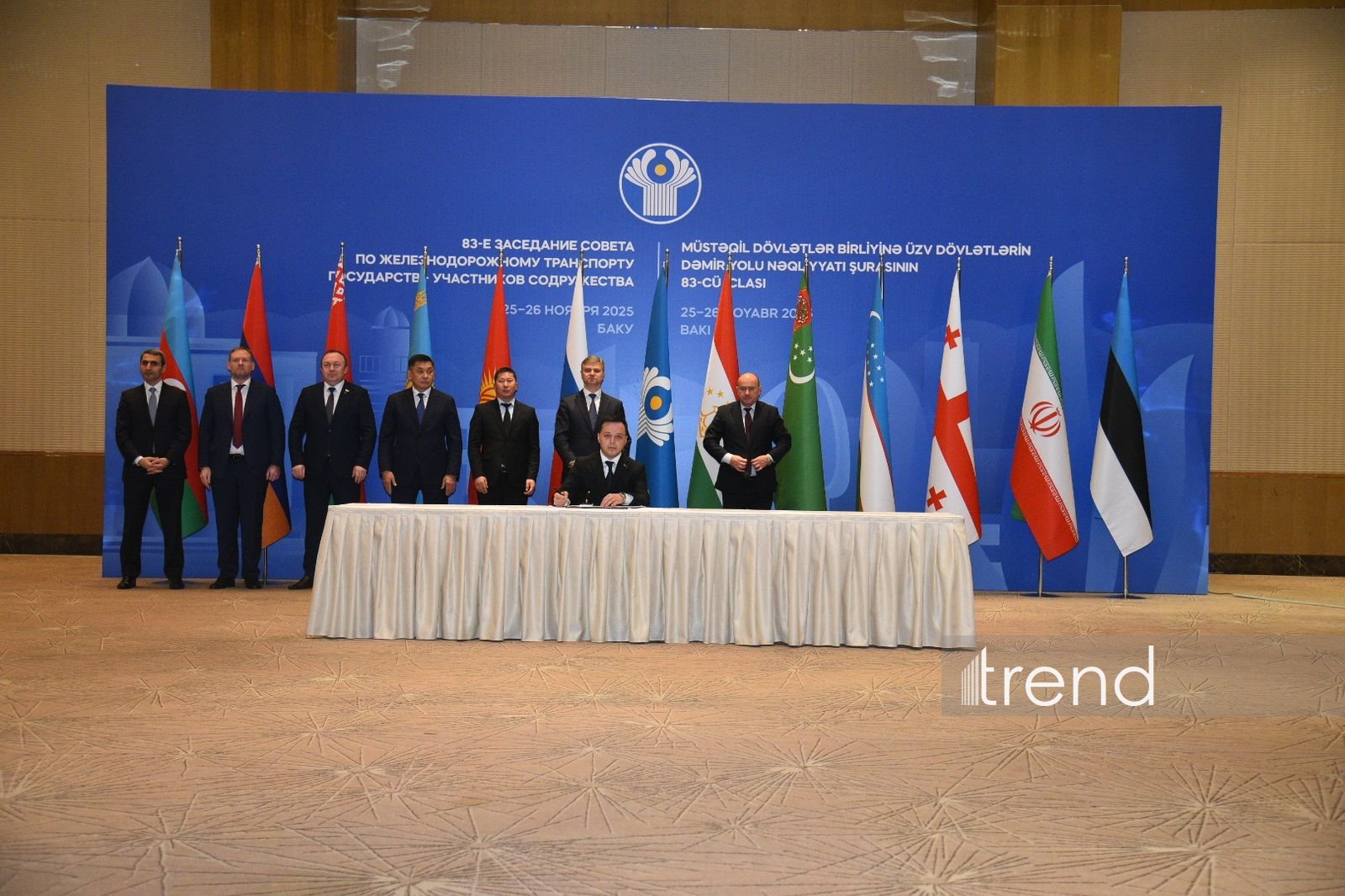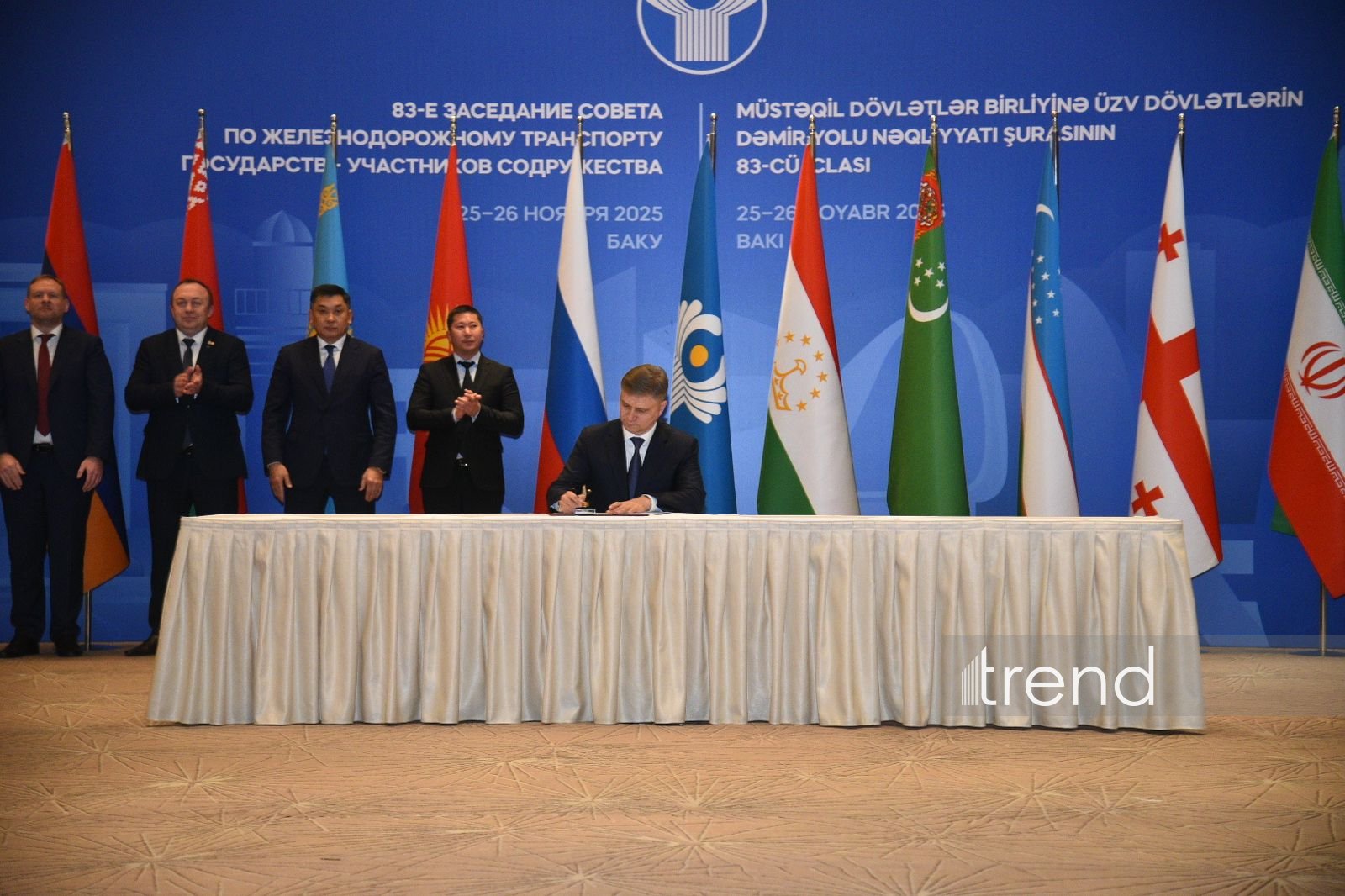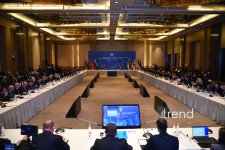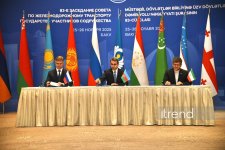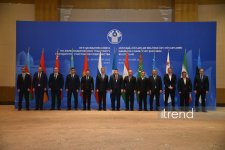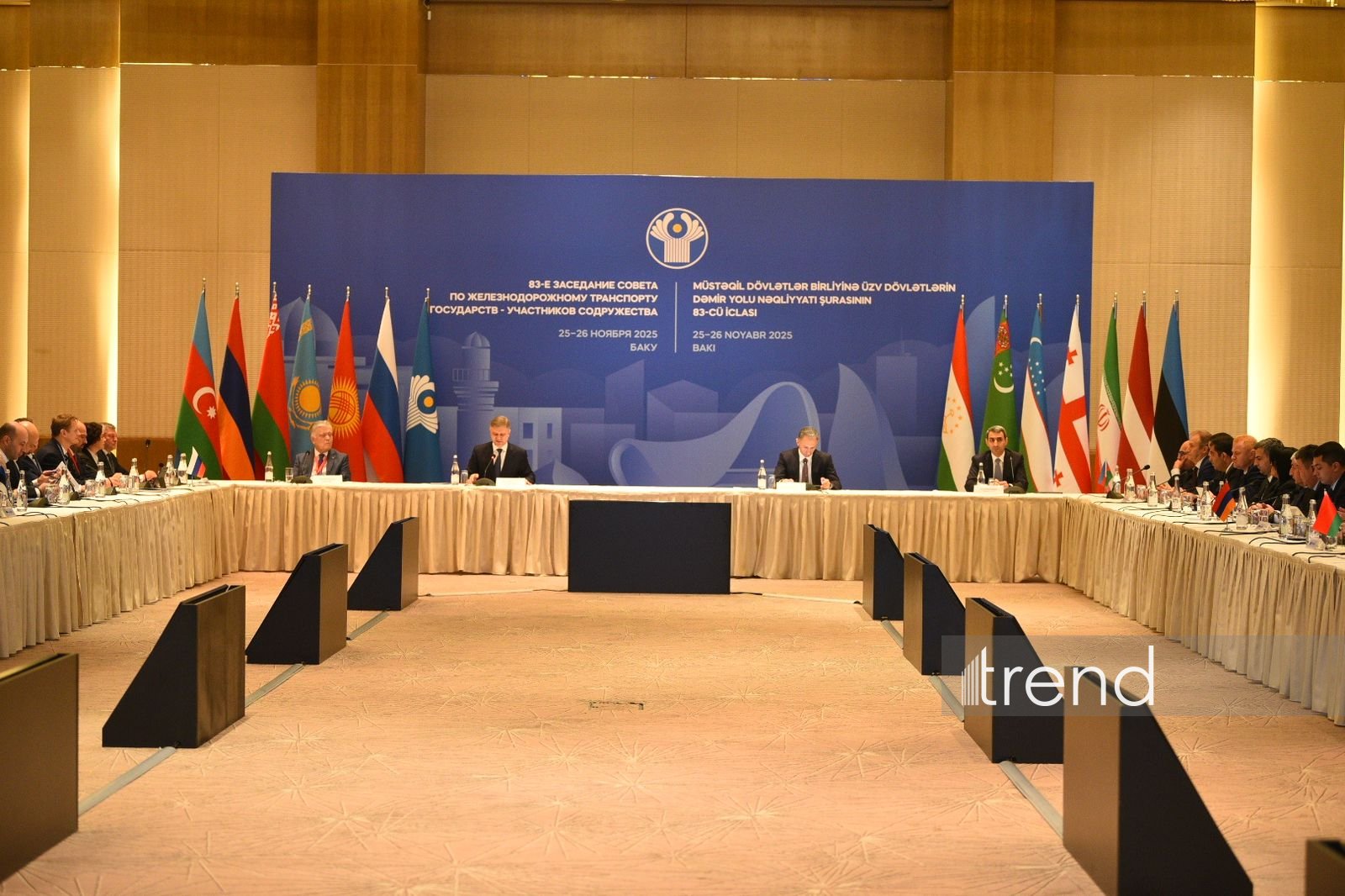

BAKU, Azerbaijan, November 25. The 83rd meeting of the CIS Railway Transport Council concluded in Baku, Trend reports.
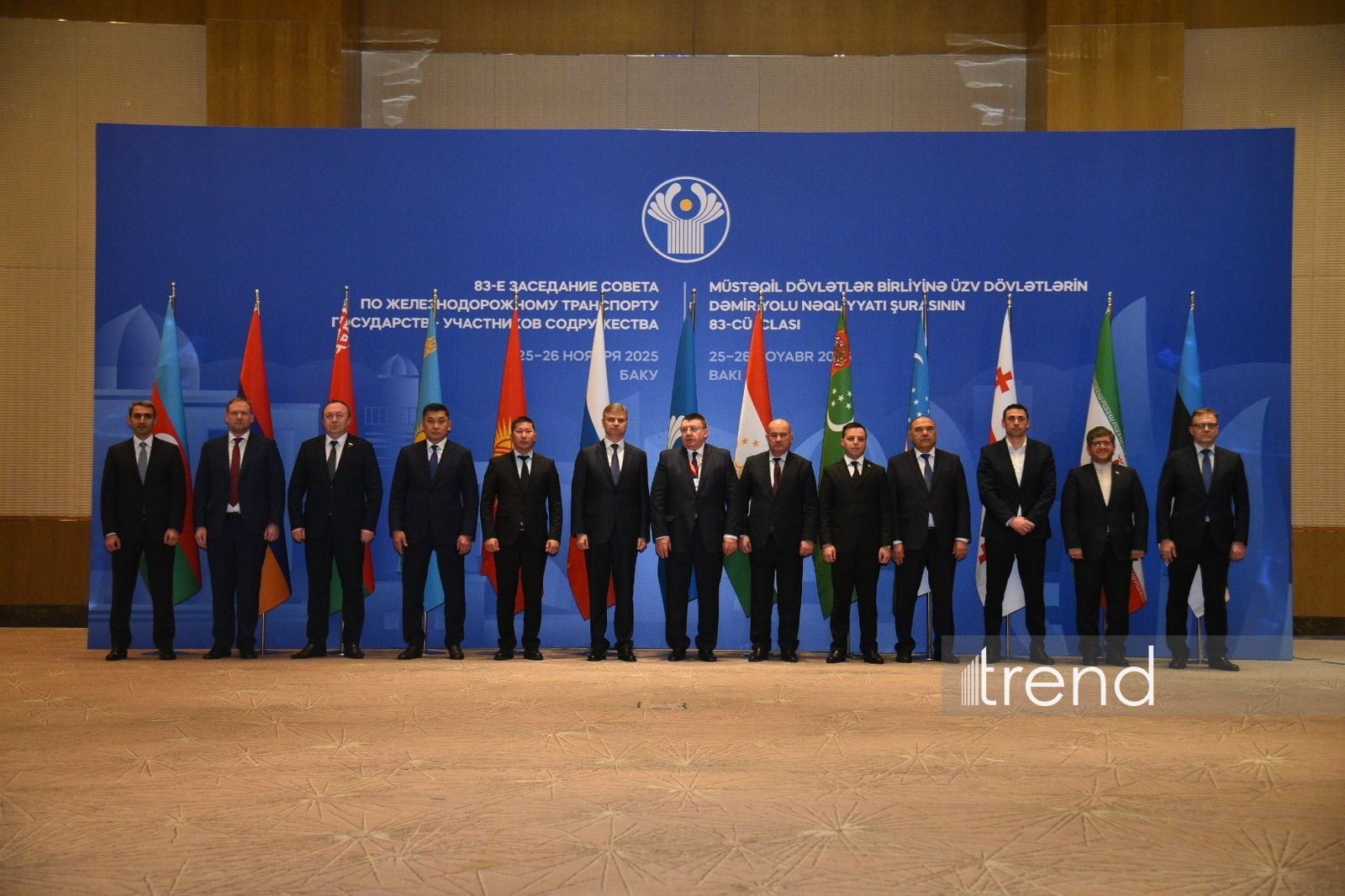
The event was attended by the leadership of the railway administrations of Azerbaijan, Russia, Belarus, Kazakhstan, Kyrgyzstan, Tajikistan, Turkmenistan, Uzbekistan, Georgia, Iran, Latvia, and Estonia, as well as the Organization for Cooperation between Railways (OSJD), the CIS Executive Committee, and the International Confederation of Railway Workers' Trade Unions.
In his opening remarks, Minister of Digital Development and Transport of Azerbaijan Rashad Nabiyev announced that Azerbaijan intends to boost cargo turnover on the North-South route to five million tons per year from January 1, 2028.
The minister brought up that last year, Azerbaijan and Russia struck a cooperation deal to work on transit traffic along the North-South International Transport Corridor. The documents provide for the modernization of railway infrastructure and a phased growth in freight traffic.
"For example, starting January 1, 2028, we plan to increase the turnover on this route to five million tons and subsequently to 15 million tons per year," he explained.
General Director of Russian Railways Oleg Belozerov pointed out that cargo turnover of CIS Council for Rail Transport member countries exceeds U.S. and EU figures.
"Last year, the combined freight turnover of the council member countries' railways amounted to almost 3 trillion ton-kilometers. This is 1.3 times, or 30 percent, more compared to U.S. Class I railways and almost eight times more compared to the EU," he noted.
Сhairman of Azerbaijan Railways Rovshan Rustamov noted that Azerbaijan Railways continues to develop infrastructure to improve the efficiency of operations along the Middle Corridor.
"The Baku-Tbilisi-Kars railway already serves as a reliable bridge between Europe and Asia. Following the modernization of the Baku-Tbilisi-Kars line, its capacity has been increased from 1 million to 5 million tons per year. In general, the Azerbaijan Railways continues to work on developing infrastructure to improve the efficiency of operations on the Middle Corridor, including the successful transition to alternating current on the Baku-Boyuk-Kasik line, which is the main east-west railway line," he said.
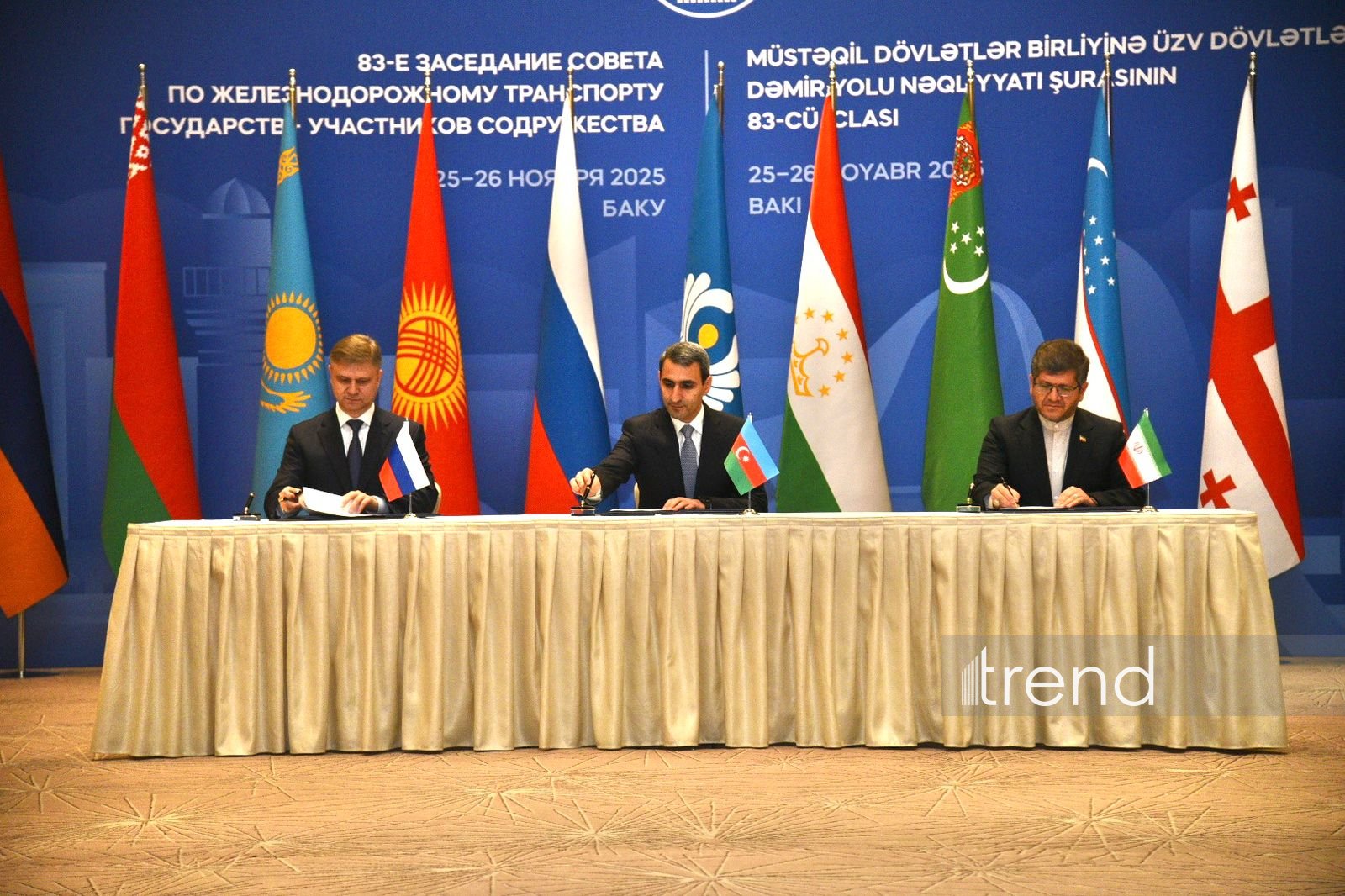
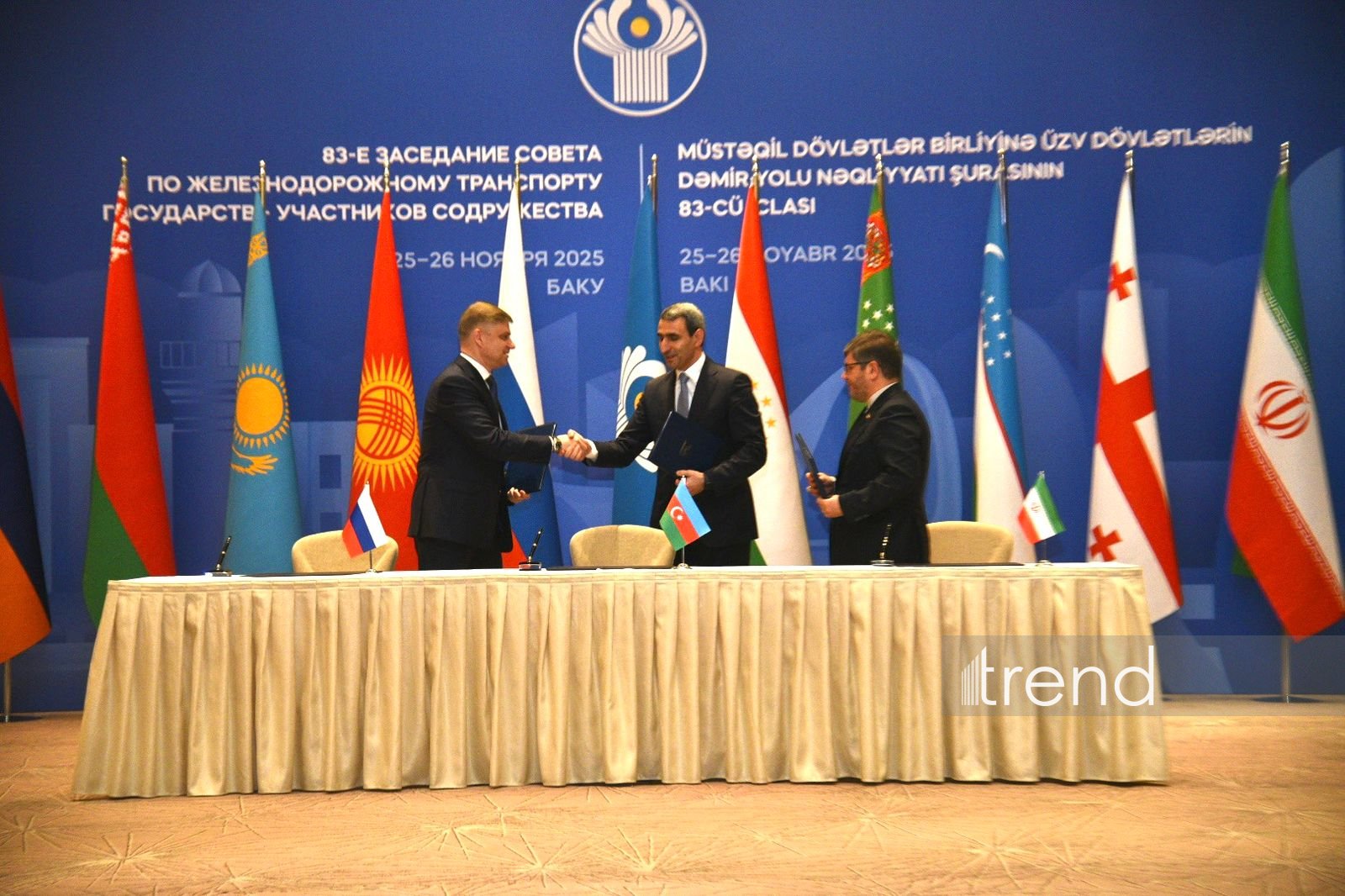
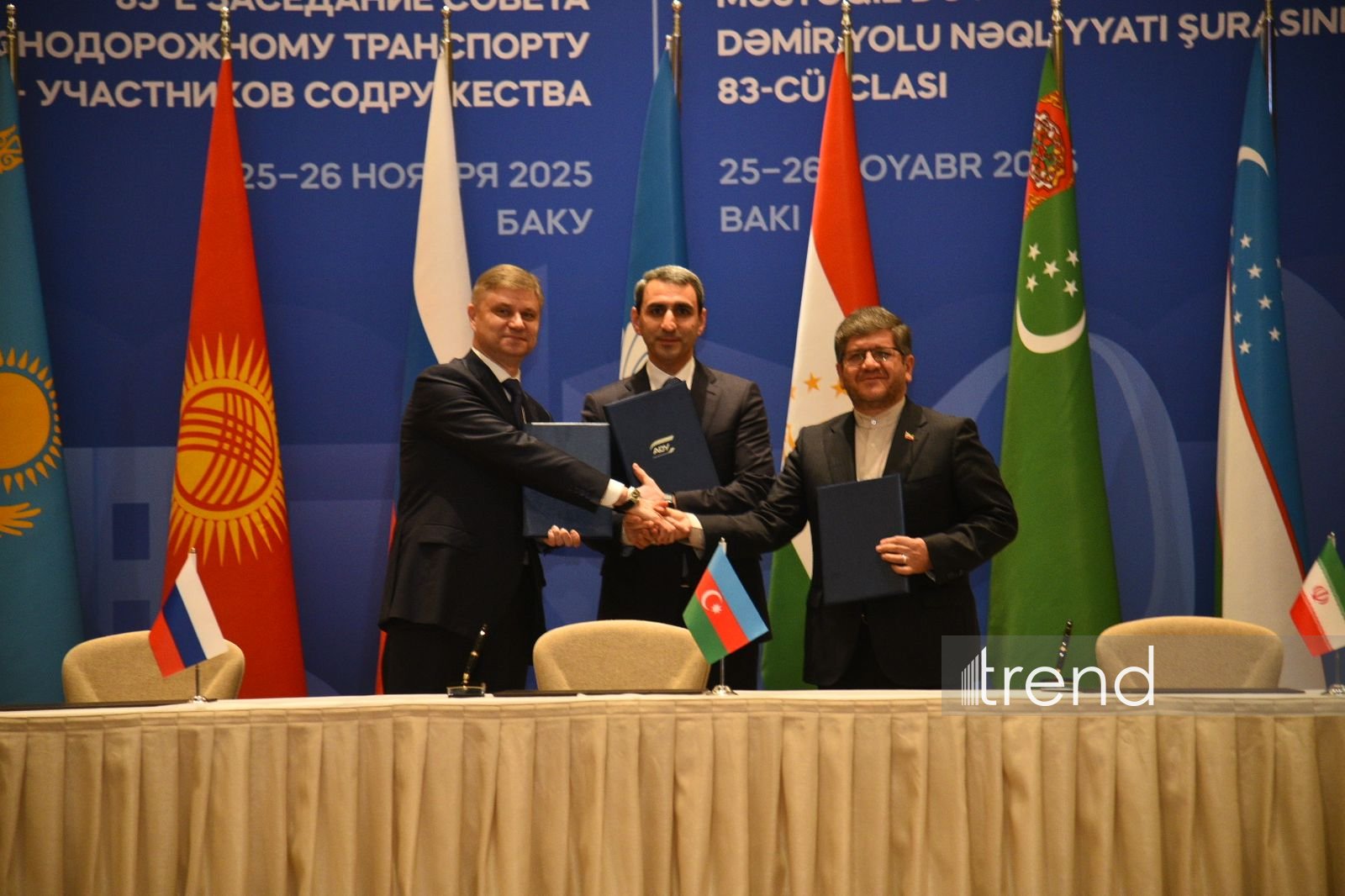
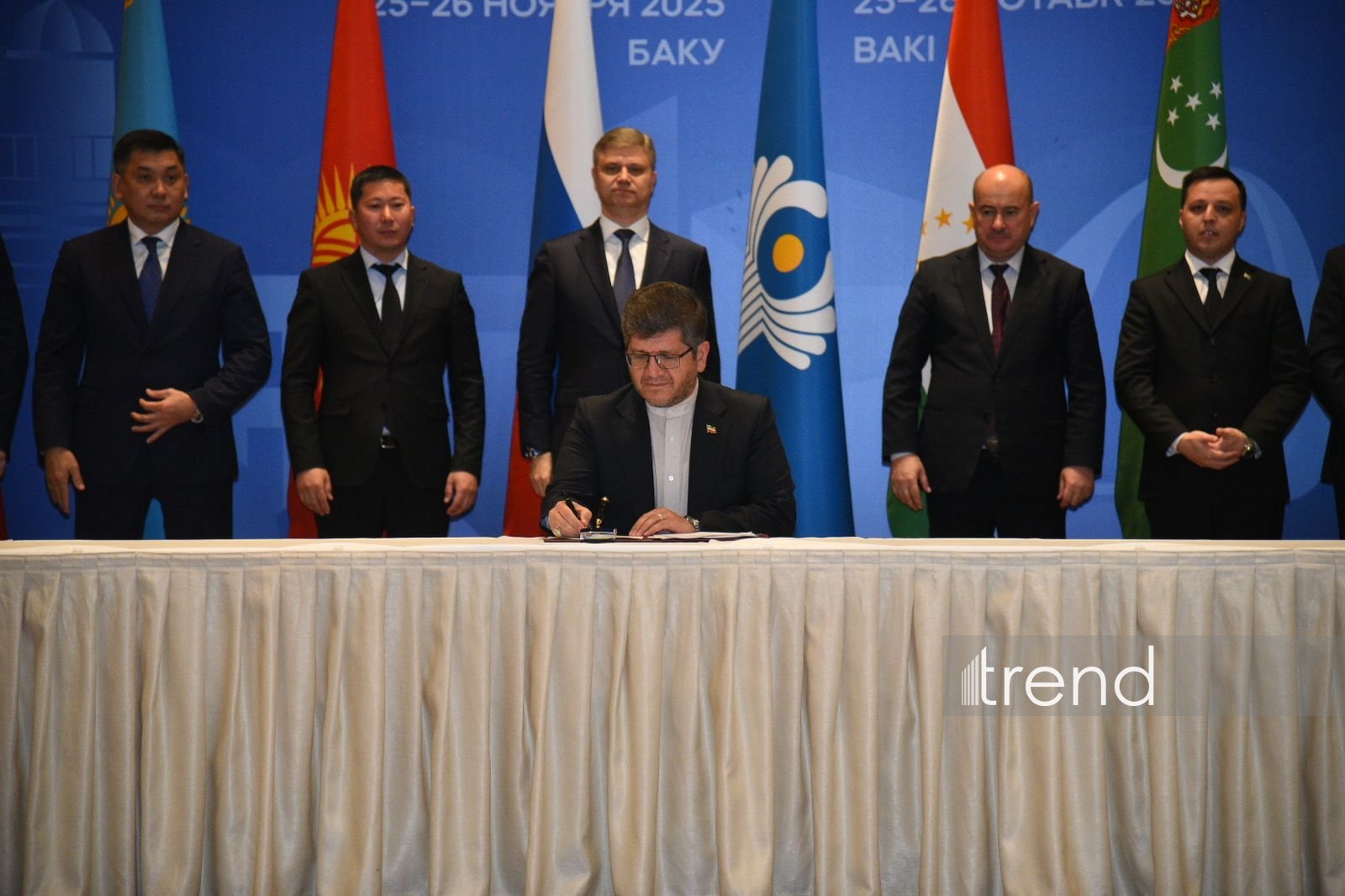
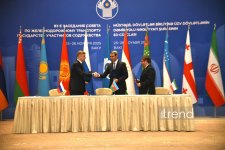
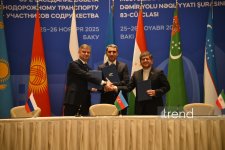
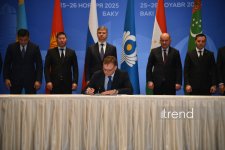
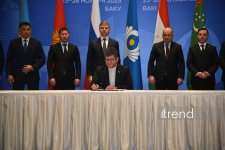
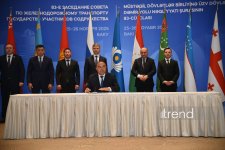
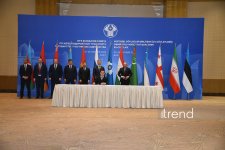
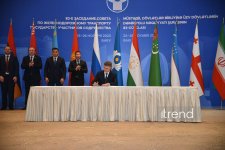
Following the meeting, Azerbaijani, Russian, and Iranian Railways signed a memorandum of understanding on boosting the North-South cooperation efficiency.
The document was signed by CEO and Chairman of the Board of Russian Railways Oleg Belozerov, Chairman of the Board of Azerbaijan Railways Rovshan Rustamov, and Deputy Minister for Roads and Urban Development of Iran and Chairman of the Board and President of the Railways of Iran (RAI) Jabbar Ali Zakeri.
The document provides for the harmonization of tariff approaches, the formation of a single comprehensive tariff, the launch of regular block trains, and the improvement of transportation procedures. The deployment of these frameworks will facilitate a more streamlined, expedited, and economically efficient logistics continuum among Russia, Azerbaijan, and Iran.
Participants highlighted the importance of enhancing transparency and synchronizing logistics processes across the region. They noted that aligning the tariff policy for international freight transportation in 2026 carries strategic significance “from the perspective of strengthening competitiveness and optimizing transit flows.”
The participants also signed the meeting protocol.