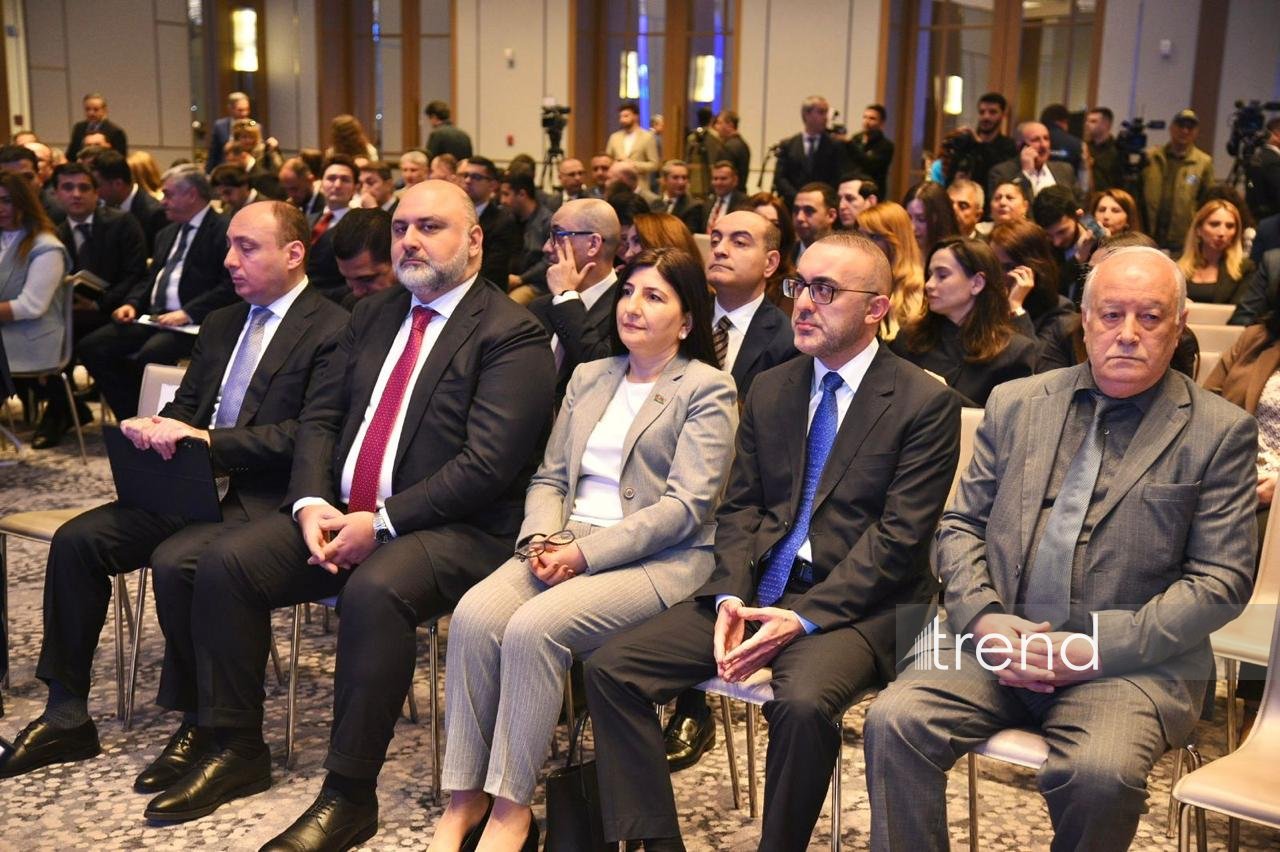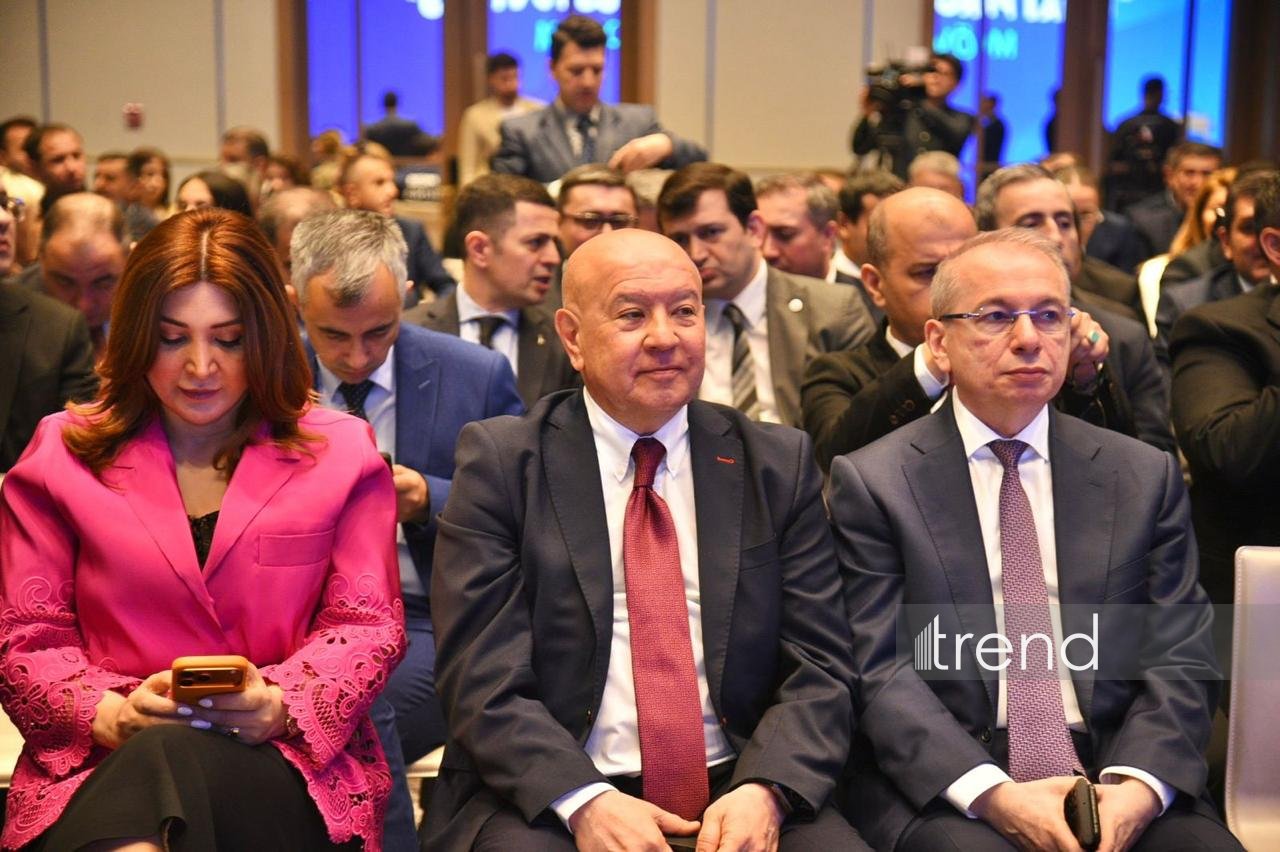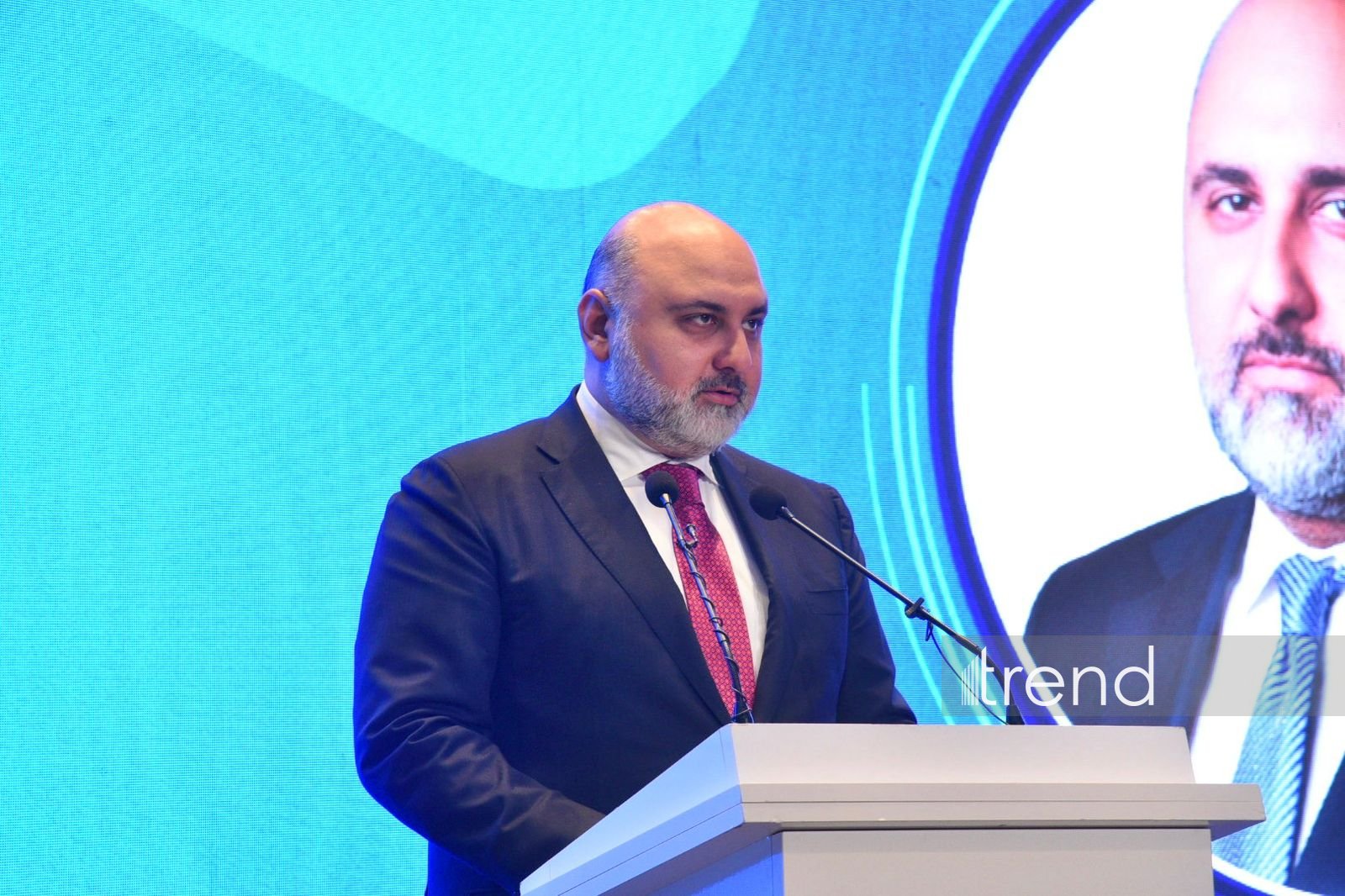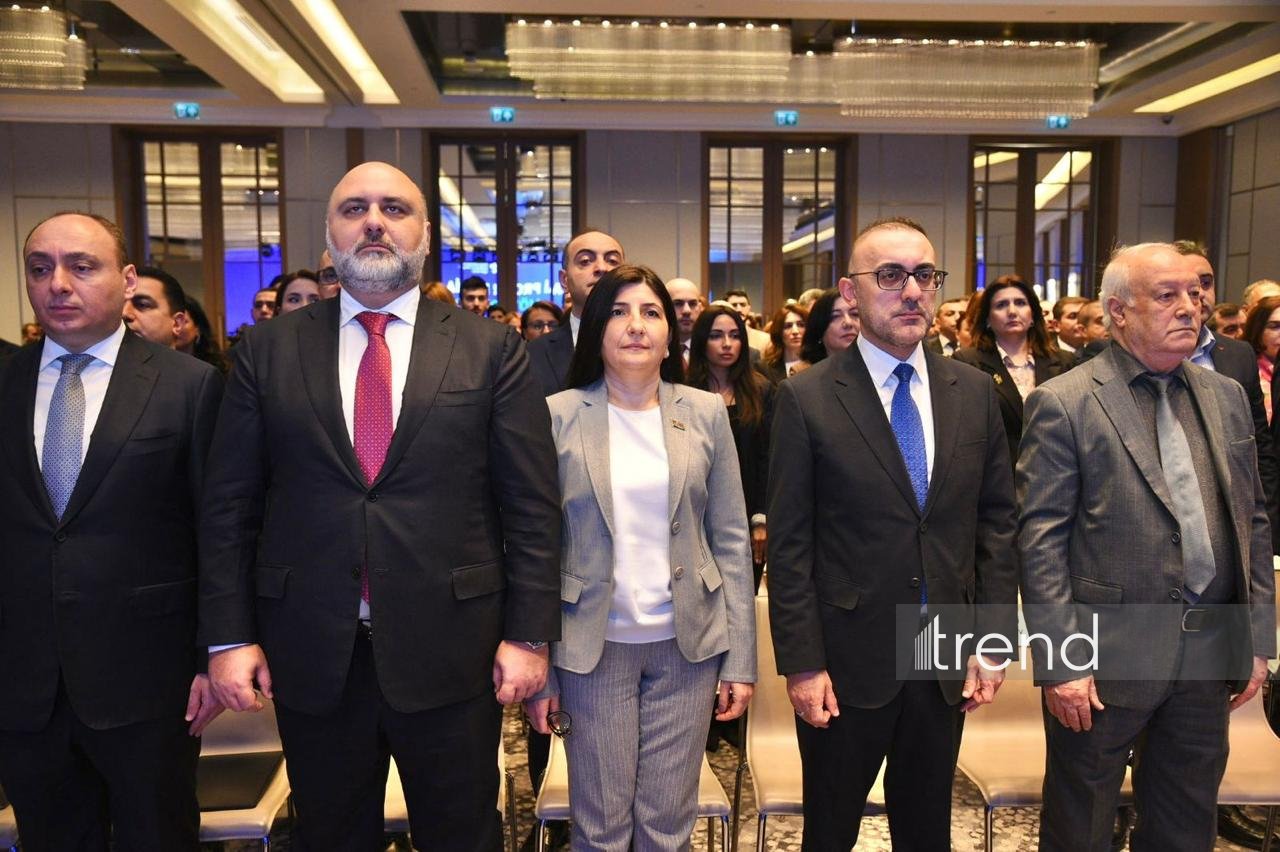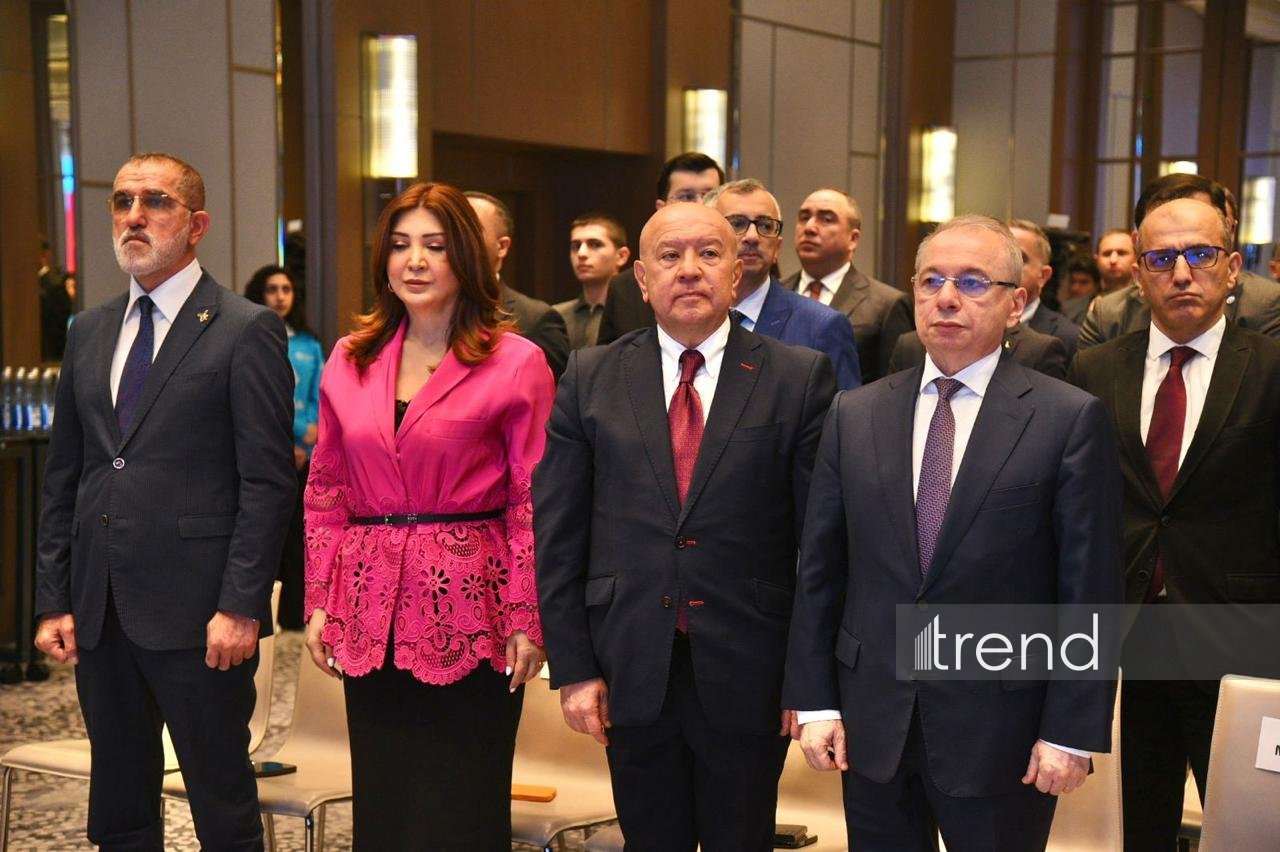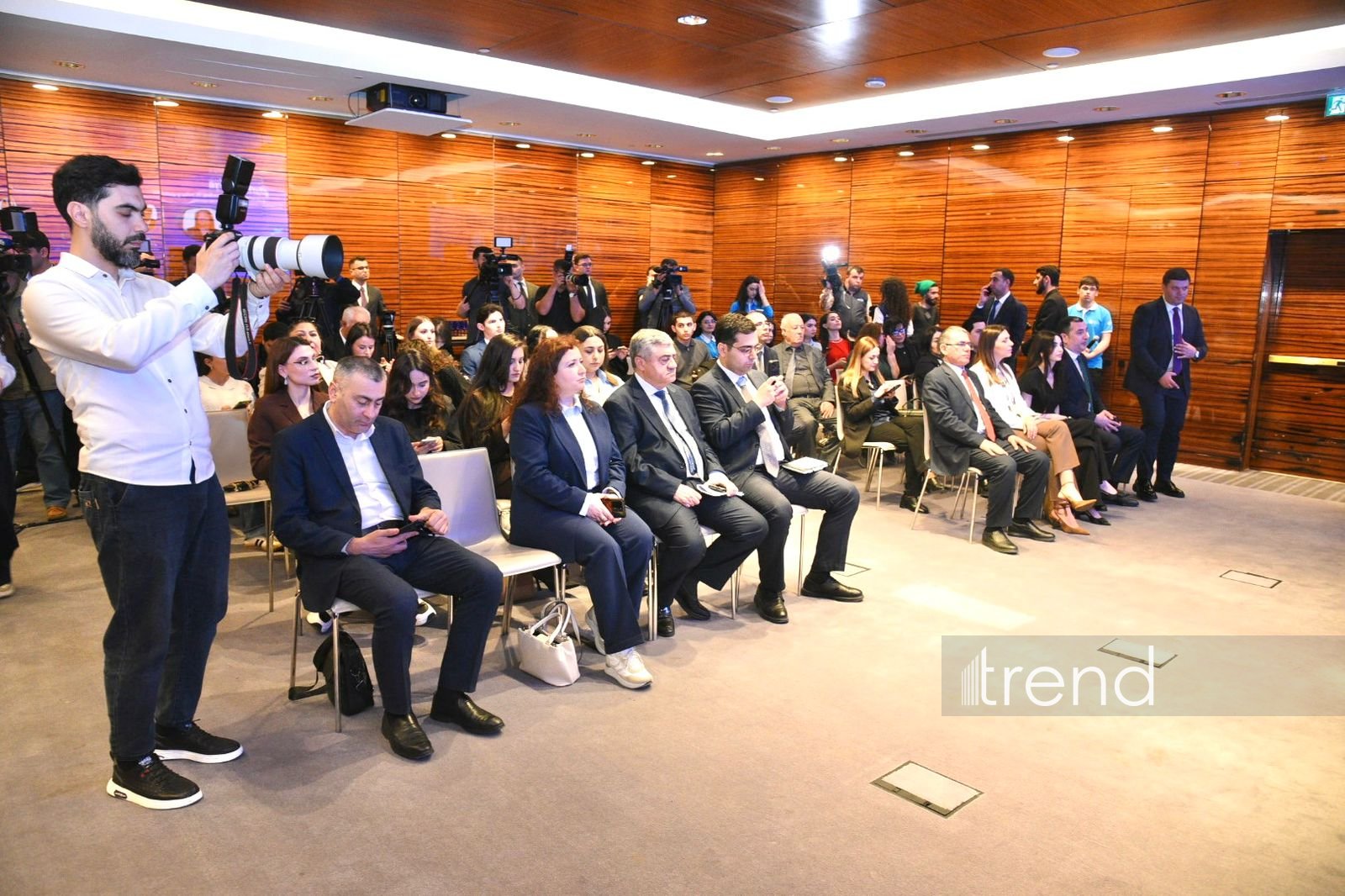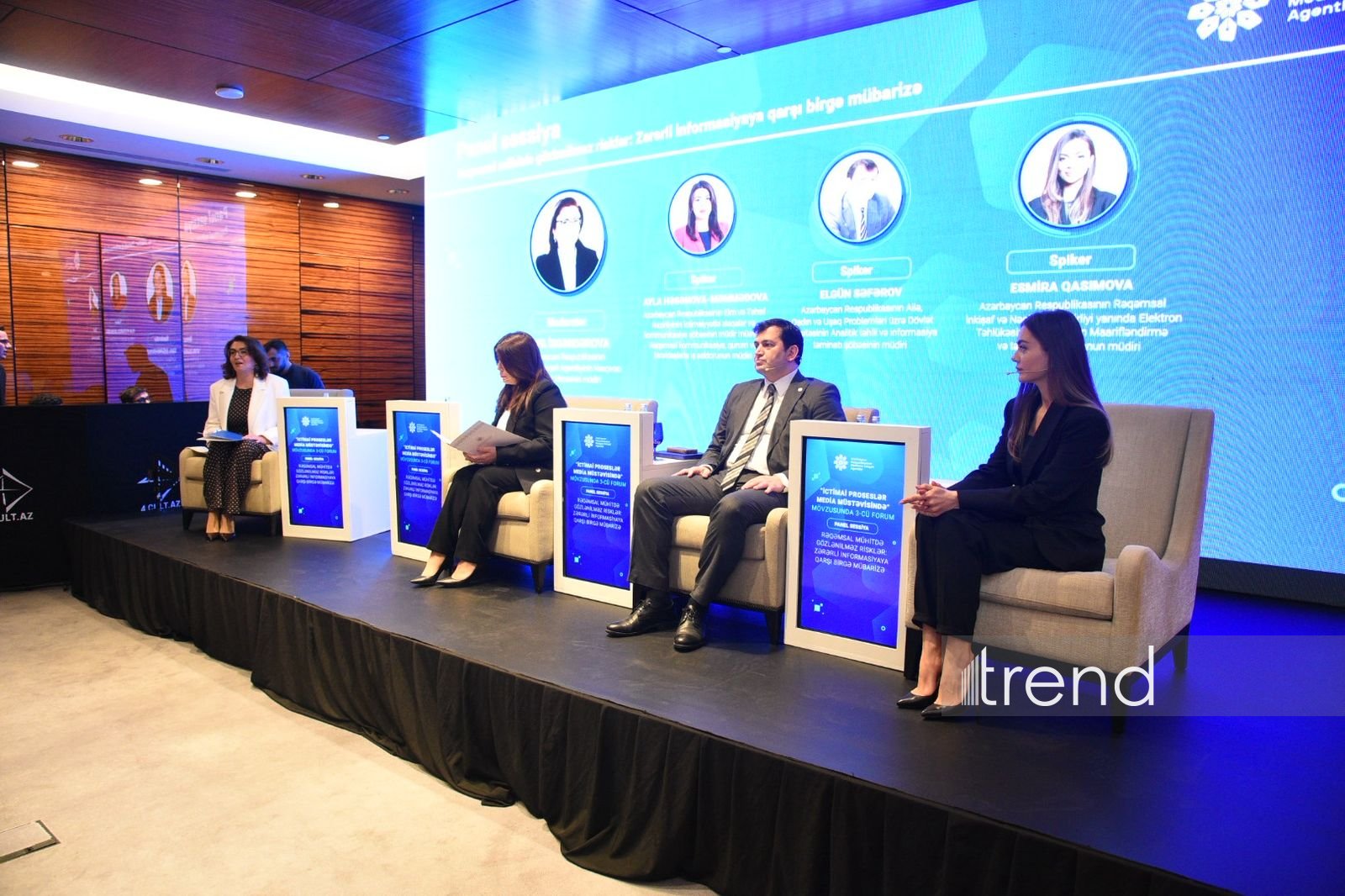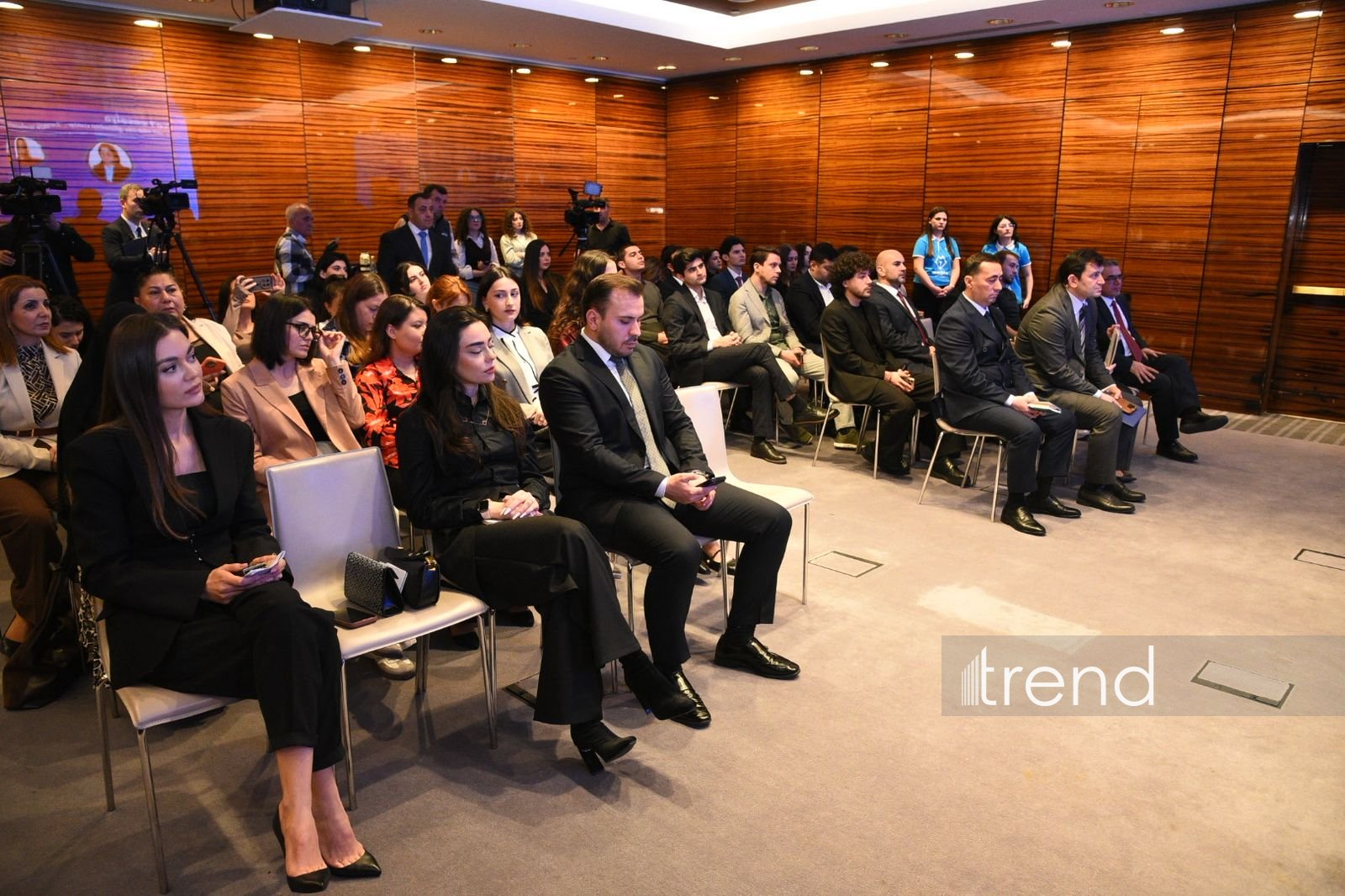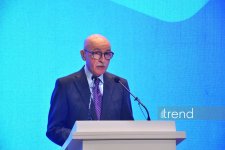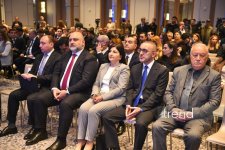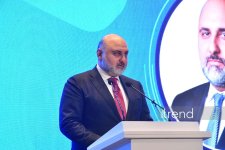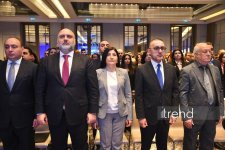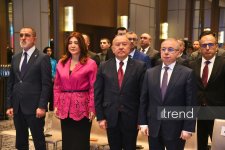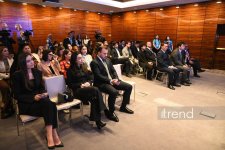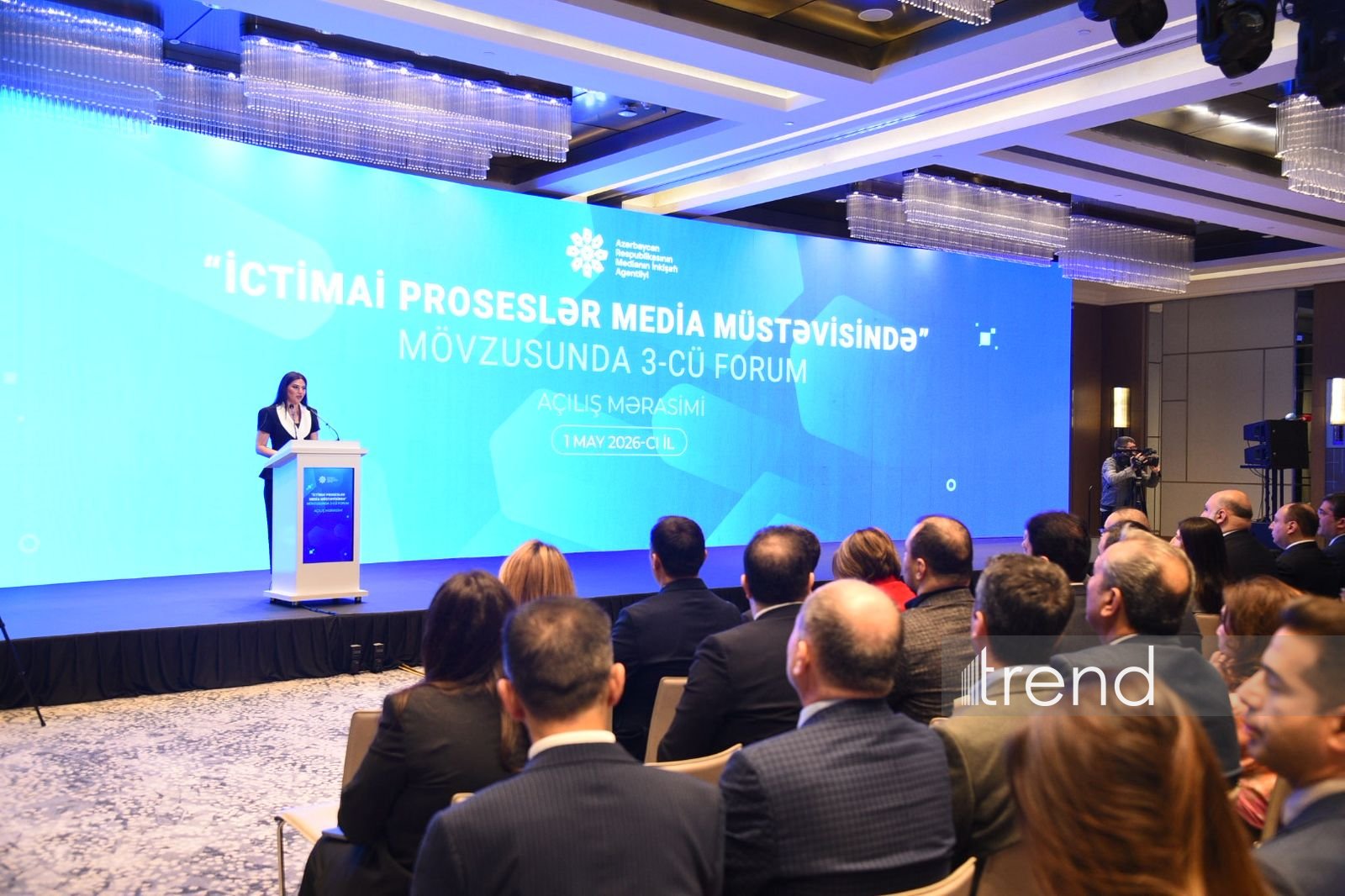
BAKU, Azerbaijan, May 1. The 3rd Forum on "Public processes in the media sphere" organized by the Media Development Agency of Azerbaijan has been held in Baku, Trend reports.
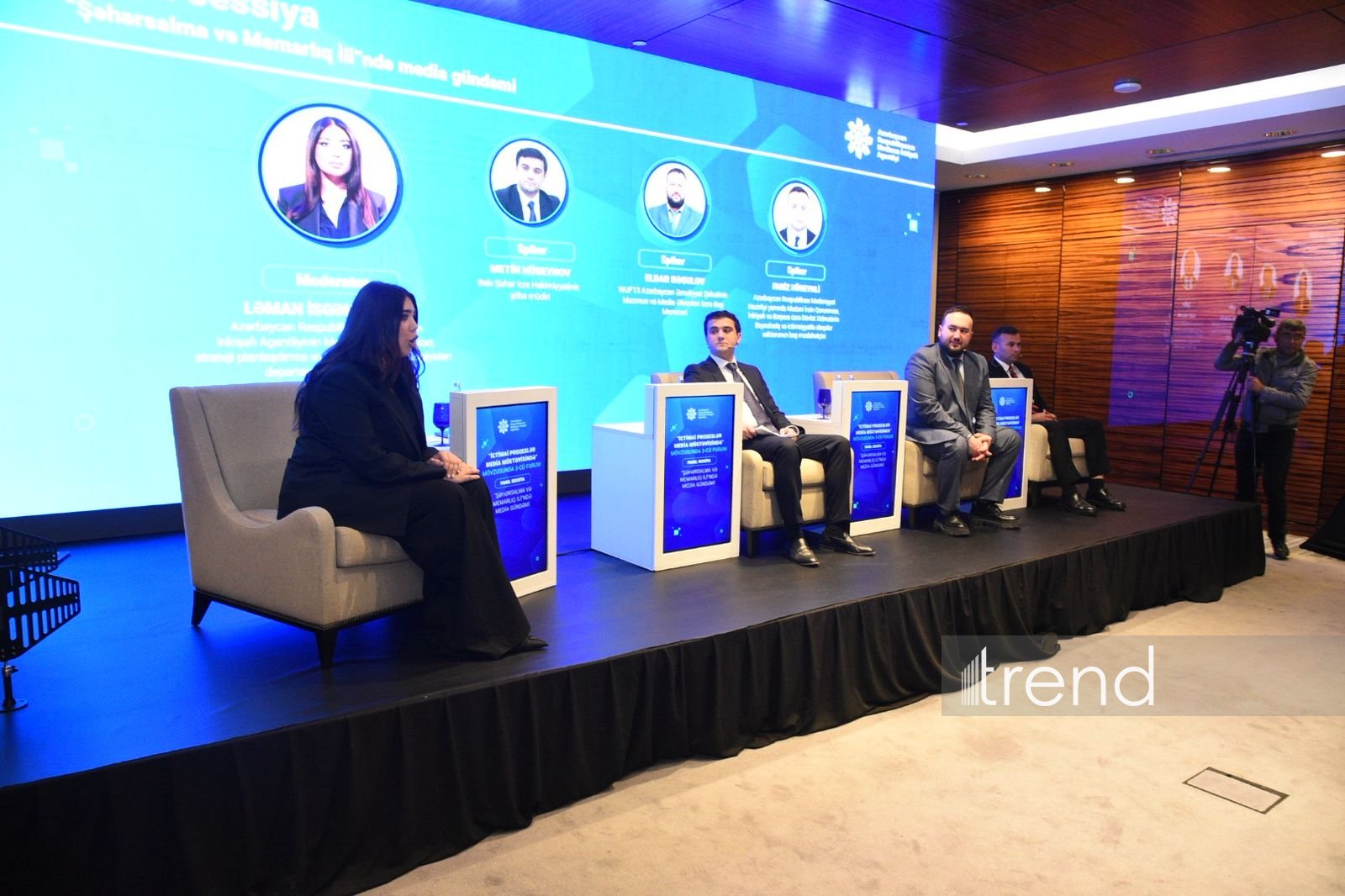
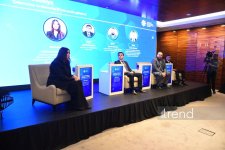
After the official opening ceremony of the forum, a panel session was organized on the topic "Media agenda in the Year of Urban Planning and Architecture".
The event aims to increase the educational function of the media and its proactive role in shaping public opinion, to transmit sensitive information to society in accordance with certain principles, and to improve coordination between the media, state institutions, and other parties.
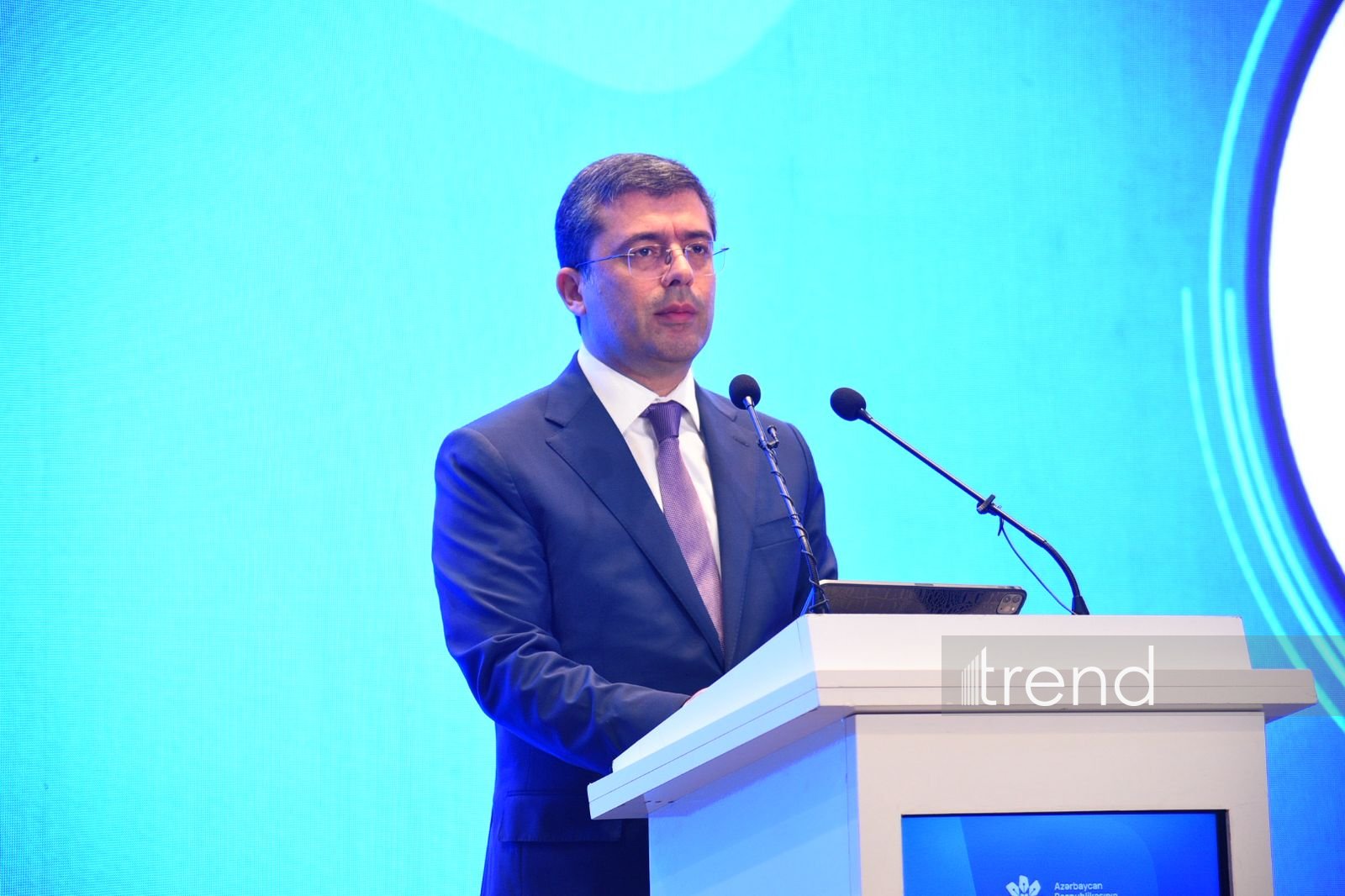
Speaking at the event, the Executive Director of the Media Development Agency of Azerbaijan, Ahmad Ismayilov said that the unity of state-media-society allows to adequately cope with any global challenge.
According to him, the organization of WUF13 in Baku is an indication of the high appreciation of Azerbaijan's achievements in the field of urban planning by the international community.
"The effective communication model tested during COP29 proved that the unity of the state-media-society allows us to adequately cope with any global challenge. We believe that similar achievements will be repeated during WUF13, and we'll achieve greater professional successes.
Thanks to the initiatives of the Heydar Aliyev Foundation, our rare pearls, such as the Old City and the Maiden Tower, have secured their worthy place on the UNESCO World Heritage List. The magnificent cultural centers and public parks that have become the modern face of our capital are the result of this noble approach and high care for our national culture," he noted.
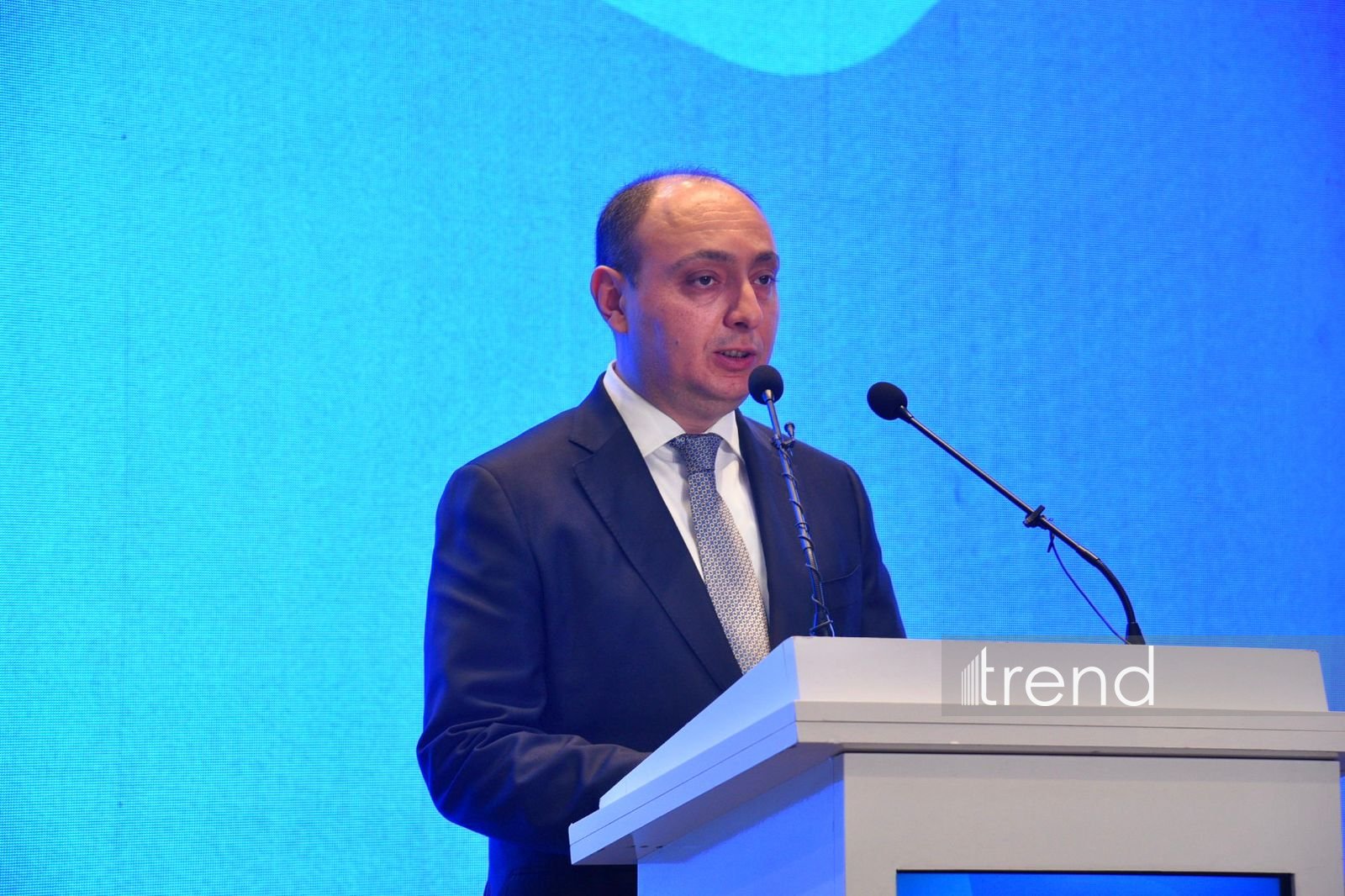
Azerbaijan's Deputy Minister of Digital Development and Transport Samaddin Asadov said that protecting the processes taking place on digital platforms from manipulations is important.
According to him, the concept of media isn't limited to news production, but also encompasses the transmission of information in a safe and secure environment.
"At the same time, ensuring the technological sovereignty of platforms is a priority. An action plan for 2026–2028 has been adopted. As a result of the implementation of this plan, digital transformation in the country will be established as a single system.
Modern challenges are not limited to technological solutions. Cooperation and responsibility are the main conditions for the formation of a healthy information environment. We see the media as the main partner in this process," he emphasized.
According to the deputy minister, the collection and dissemination of information has accelerated in modern times.
"Artificial intelligence tools facilitate the processing of large volumes of data and allow for more accurate analysis. The digital environment plays an important role in the role of a bridge between the media and the reader. Against the background of these changes, digital development in the country has entered a new milestone.
The transition from separate projects to a unified, proactive system has begun. The reforms implemented in this area actually serve to ensure the future of the country. Three main directions are of particular importance for the construction of the digital highway:
Infrastructure - as the backbone of digital media;
Artificial intelligence and data;
Cyber resilience and information security".
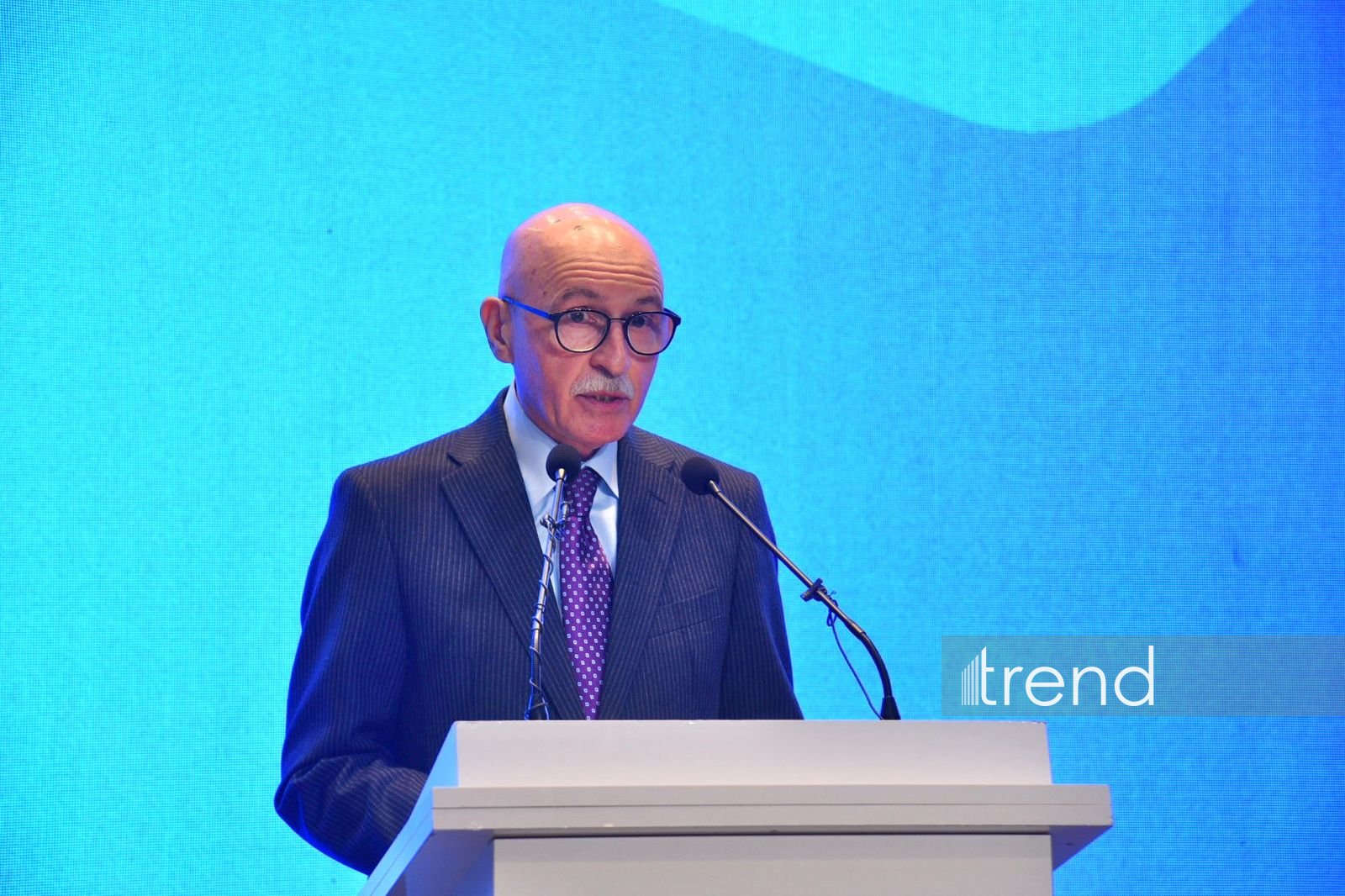
Azerbaijan's Deputy Minister of Science and Education Firudin Gurbanov emphasized that fake news, hybrid threats, and abuses of artificial intelligence are on the rise.
"Considering the impact of these factors on the country's image, domestic public life, and international stability, the media should be more careful in this direction. Such cases spread in the media have the power to shape and change public opinion. Over the past 15 years, millions of people around the world have used the internet primarily to access social platforms.
"In the last five years, more than 50% of news has been obtained by people through these platforms. In developed countries, more than 90% of the population has these opportunities. In developing countries, this indicator is relatively low," he said.
The deputy minister also touched upon the issue of schools' access to the internet. He noted that currently 63% of schools are connected to the broadband internet network.
"In the next stage, support will be provided for the transition to fiber-optic internet. Currently, there is one computer for every six students in schools. Our goal is to provide every student with a personal computer. The media environment is also undergoing rapid transformation," he added.
Speaking about World Urban Forum (WUF13) Read Gasimov, Head of the Baku City Architecture and Urban Planning Department under the State Urban Planning and Architecture Committee revealed that nearly 25,000 people from over 150 countries have registered for WUF13.
"The fact that nearly 25,000 people from more than 150 countries have already registered is an indication of the high interest in the event. The success of this event is not only related to the organizational level, but also to its correct and effective communication to the public. The media has a great responsibility in communicating the discussed approaches, innovative solutions and achieved results to a wide audience," he said.
According to him, sustainable urban development, ensuring inclusion, and improving the quality of life are among the main priorities in our country.
"The large-scale construction work carried out in the liberated Karabakh and East Zangezur is a clear indicator of Azerbaijan's urban planning policy. At the same time, consistent measures are being taken to shape the urban landscape, increase green zones, and protect architectural objects. Our projects in line with the challenges of global urbanization are met with interest by the world community. This approach is a confirmation of Azerbaijan's successful urban planning policy at the global level," Gasimov added.
After the official opening ceremony a panel session on the topic "Media agenda in the Year of Urban Planning and Architecture" has been held.
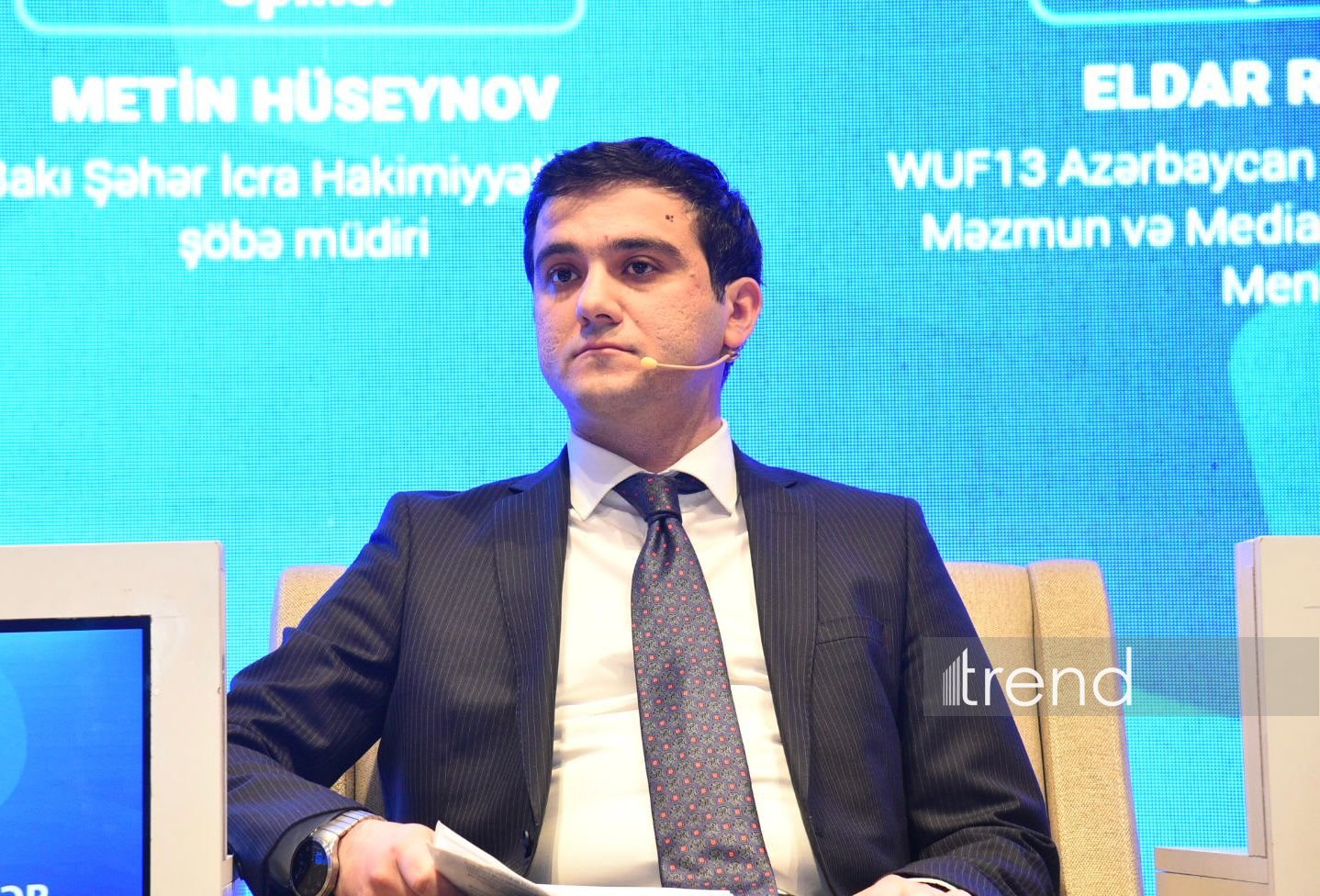
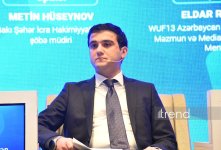
Speaking at the panel session, Head of Department of the Baku City Executive Power, Matin Huseynov, highlighted the development and construction activities in Baku in recent years. According to him, over the past 20 years, numerous new parks have been built, and existing green areas have been fundamentally reconstructed and made available to residents and city guests.
"In particular, the creation of inter-neighborhood parks has significantly expanded recreational opportunities in the urban environment. In this regard, examples such as the Botanical Garden, the Winter Park, and the park near the Ganjlik metro station can be noted. The installation of modern children's entertainment and sports equipment in the parks has had a positive impact on the quality of city life.
At the same time, the reconstruction project carried out some time ago in the Khagani Garden area has been successfully completed, and the area has been completely opened to pedestrians. In addition, the improvement and restoration works carried out in settlements such as Bibiheybat, Ramana, and Balakhani have been carried out in accordance with their historical and architectural style," the official said.
He noted that Baku is developing as a modern city today, while preserving its historical image and architectural traditions.
General Manager for Content and Media Relations of WUF13 Azerbaijan Operating Company, Eldar Rasulov, stated that more than 800 media representatives have already registered to participate in WUF13. According to him, both local and foreign media are interested in participating in the event.
"Within the framework of this event, we will try to look at the urban planning traditions of countries around the world and apply them in our own," he added.
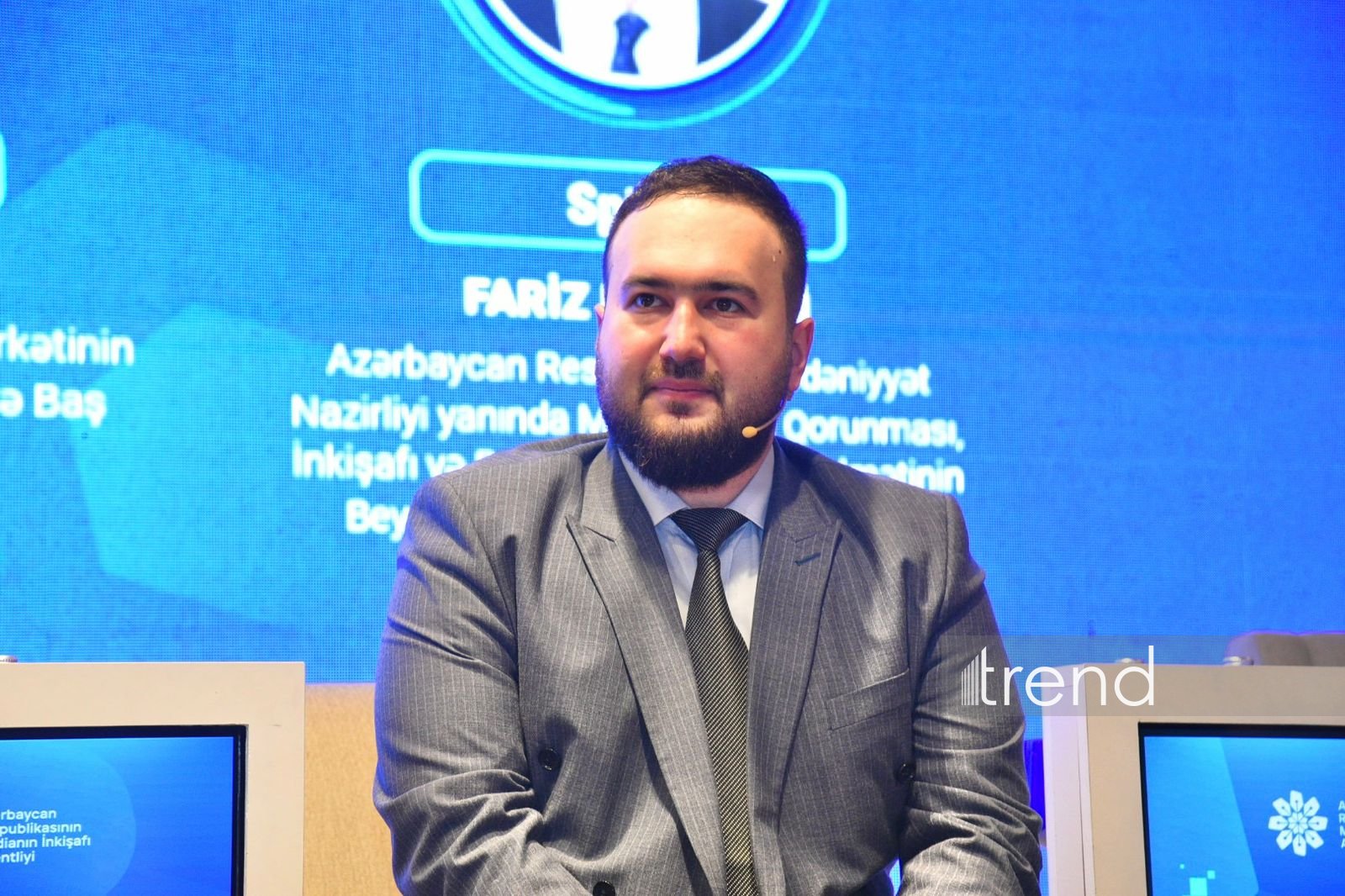
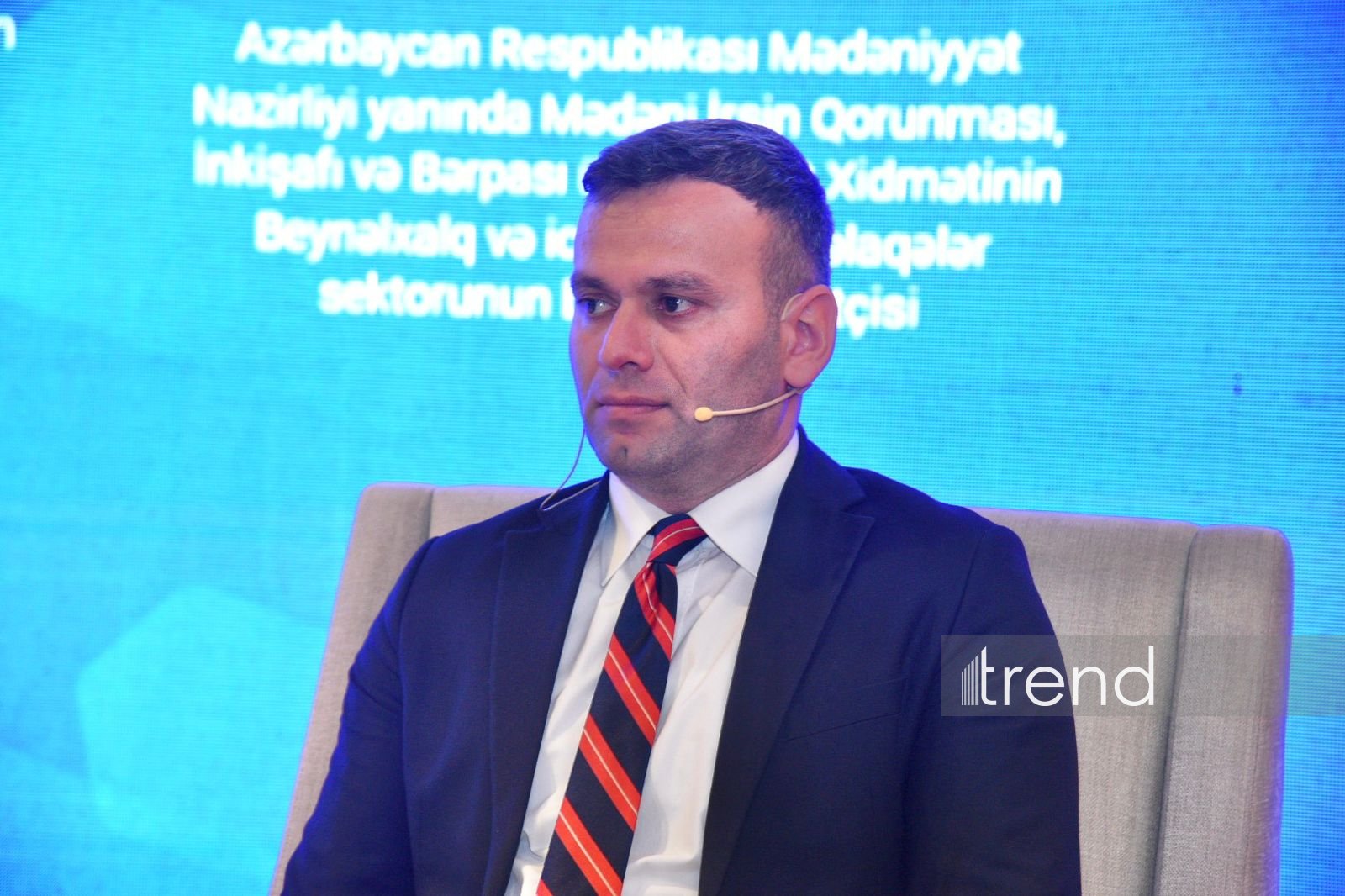
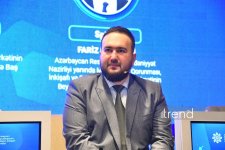
Senior Advisor to the International and Public Relations Sector of the State Service for the Protection, Development and Restoration of Cultural Heritage under the Ministry of Culture, Fariz Huseynli, spoke about monitoring historical monuments in the liberated territories. According to him, monitoring of 575 monuments in the liberated territories has been completed.
"As many as 68 monuments were razed to the ground, and 114 monuments were seriously damaged. The damage to historical monuments has also been calculated. It turned out that 434 monuments suffered damage worth a total of 700 million manat ($411.7 million).
An expert council has been set up to include more than 1,400 monuments that are not included in the state registration in the country. Relevant opinions have already been collected on 761 monuments," he explained.
While answering questions, he also clarified the discussions regarding the fate of historical monuments in Bayir Shahar. According to Fariz Huseynli, measures are being taken to protect 73 monuments in Bayir Shahar.
"In the coming days, measures are being taken to include 33 monuments in the register. There will be a total of 106 monuments in that area. Relevant agencies are monitoring their protection. All historical monuments in the area will be protected," he said.
This was followed by a panel discussion entitled "Unforeseen Risks in the Digital Environment: Joint Efforts to Combat Malicious Information."
During her remarks at the panel discussion, Ayla Hasanova-Mammadova, Deputy Head of the Public Relations and Communications Department at the Ministry of Science and Education and Head of the Digital Communications, Institutions, and Partners Sector, spoke about the challenges of digitalization and security in education. According to her, the issue of digital security has become an important component of the general education curriculum:
“In this regard, various skill-based approaches have been incorporated into the curriculum, and students have acquired the necessary knowledge and skills in accordance with the content of textbooks. This area has become an integral part of regular compulsory education. Over the past decade, the provision of computers and internet access in schools has expanded significantly. By the end of 2026, the plan is to have one computer for every six students. Currently, more than 90 percent of schools have Internet access,” she said.
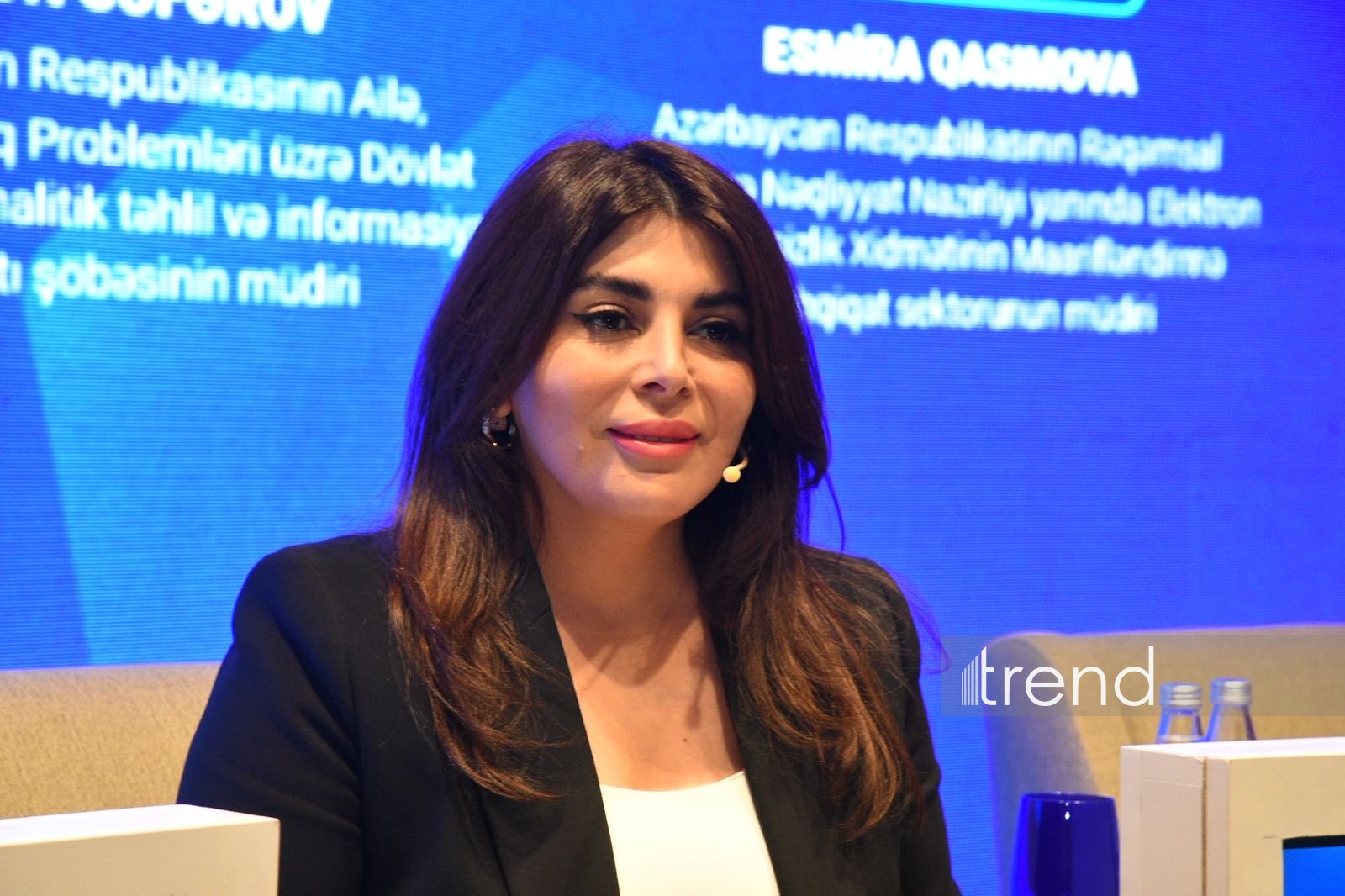
In his address, Elgun Safarov, head of the Department of Analytical Assessment and Information Security at the State Committee for Family, Women, and Children’s Affairs, highlighted issues related to the protection of children’s rights and safeguarding them from harmful influences on social media. According to him, there are a total of 11 government agencies working to protect children’s rights in the country:
“No single agency can prevent the existing risks; a comprehensive and coordinated effort is needed in this area.
In this country, minors’ access to online services and their safety in this environment are not yet fully ensured. Media representatives must make a significant contribution to protecting children from harmful content. It is inappropriate to emphasize the gender factor in news headlines and in the coverage of criminal incidents. Unfortunately, some media outlets disclose the first and last names and other personal information of minors.
In particular, sensationalist or sensationalist presentation of information regarding consanguineous marriages, early marriages, and suicides is unacceptable. Today, the protection of the rights of the family, women, and children is of strategic importance. Unfortunately, there are no resources in the Azerbaijani language for children on the internet,” he said.
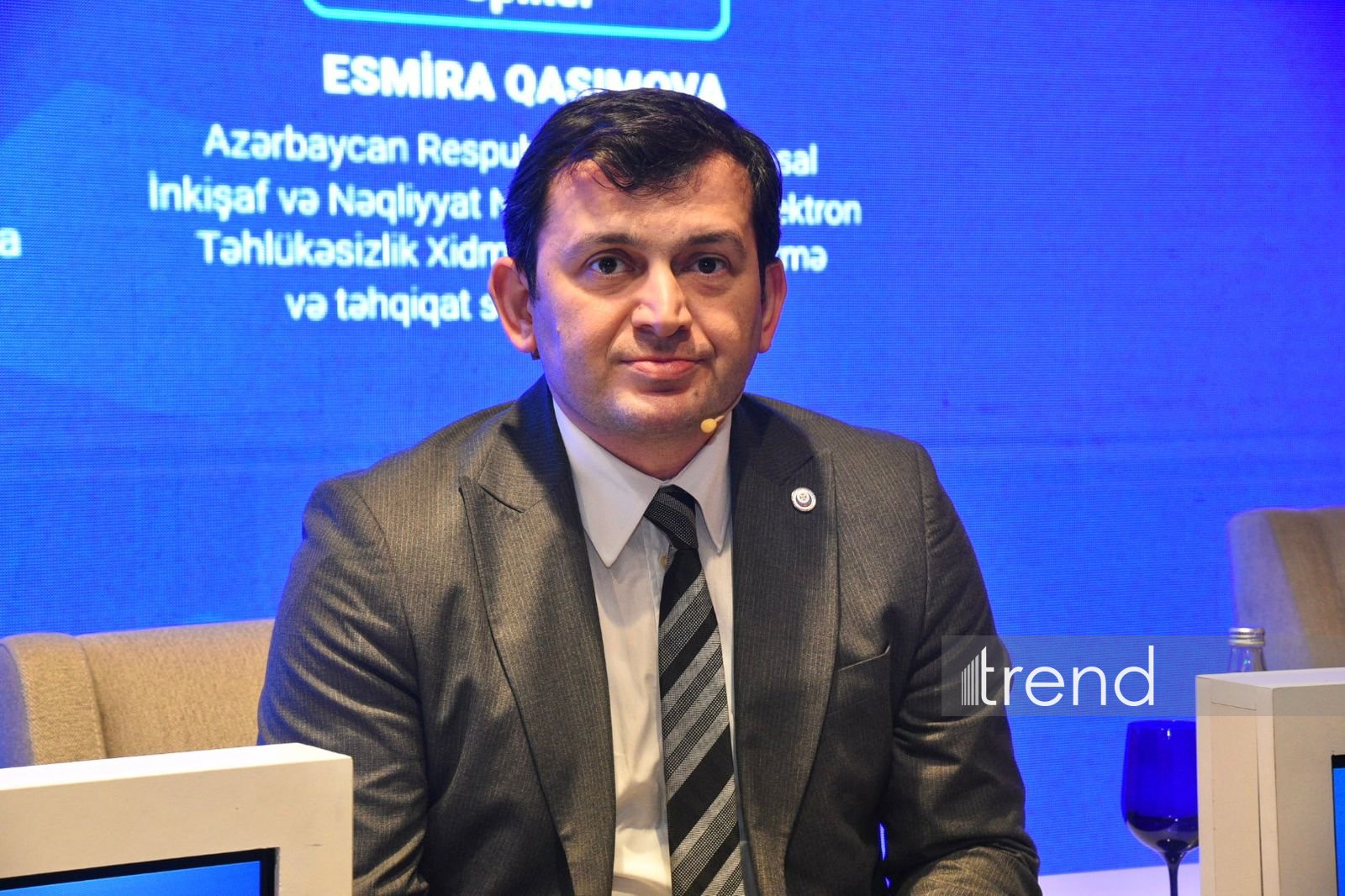
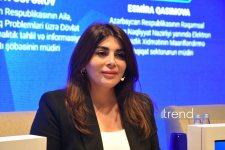
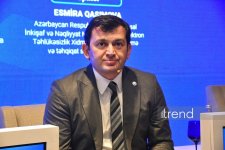
Esmira Gasimova, head of the Education and Investigation Sector of the Electronic Security Service at the Ministry of Digital Development and Transport, spoke about the existing dangers on social media. According to her, people can be subjected to cyberbullying on various social media platforms:
“The most powerful form of resistance is raising awareness. It is not technology that is under attack, but people. Interagency cooperation is crucial, especially on the part of the media,” she said.
The panel discussion concluded with a discussion.