


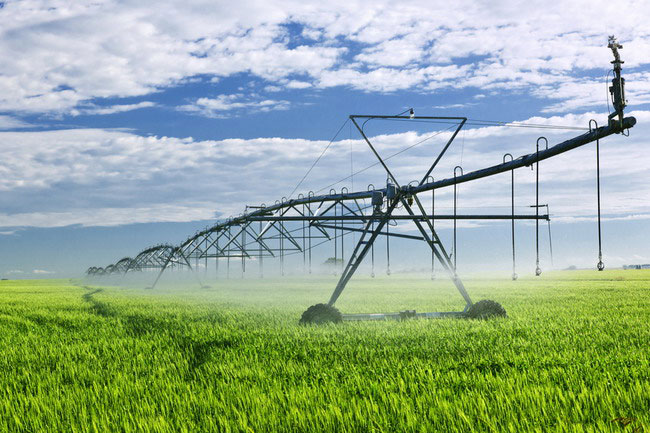

DUSHANBE, Tajikistan, January 10. In the coming 15 years, Tajikistan is set to roll up its sleeves and cultivate 50,000 hectares of fresh irrigated land, Trend reports via the Ministry of Energy and Water Resources.
This goal is part of the broader National Water Strategy, which the government approved in November 2024 and which sets ambitious targets for improving water supply, irrigation systems, and sanitation throughout the country by 2040.
The total irrigated area in Tajikistan is around 764,000 hectares, with 38 percent necessitating pump irrigation. Nonetheless, the per capita amount of irrigated land is inferior to that of adjacent nations. The primary issues confronting irrigation in Tajikistan include deteriorating infrastructure, inadequate funding, recurrent pump station malfunctions, soil erosion, and the inefficient functioning of water user associations.
Additionally, both surface and groundwater sources are contaminated by agricultural chemicals, industrial wastewater, plastics, and runoff from waste dumps. These environmental issues highlight the need for significant reform and modernization of water management practices.
Under the National Water Strategy, the irrigated land area is on track to hit a whopping 814,000 hectares by 2040. Moreover, the region employing water-saving technologies is set to grow from a mere 2,500 hectares to a whopping 100,000 hectares. There's a concerted effort to turn the tide on land reclamation, with the area of land in rough shape expected to shrink from 37,000 hectares to a mere 8,000 hectares.
A major priority is to reduce water losses in irrigation systems, with the current rate of 50 percent set to decrease to 35 percent. Innovations in irrigation technologies are also expected to minimize the loss of land from agricultural use, bringing the figure down to just 1,000 hectares.
The strategy envisions a systemic approach, with investments in infrastructure and the adoption of sustainable technologies, to improve agricultural productivity and ensure the efficient use of water resources. These efforts aim to make Tajikistan’s agriculture more productive, sustainable, and resilient in the coming decades.



