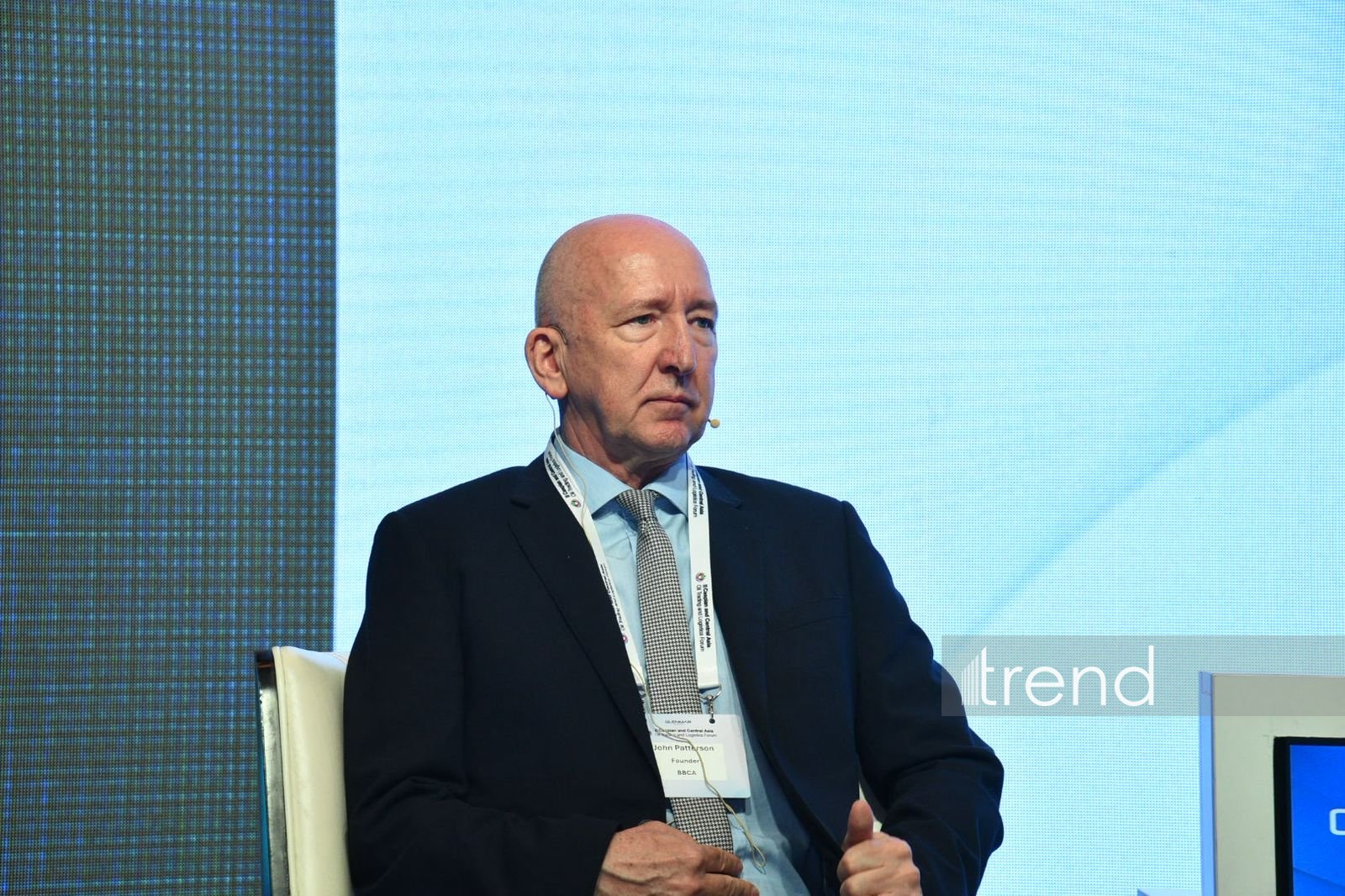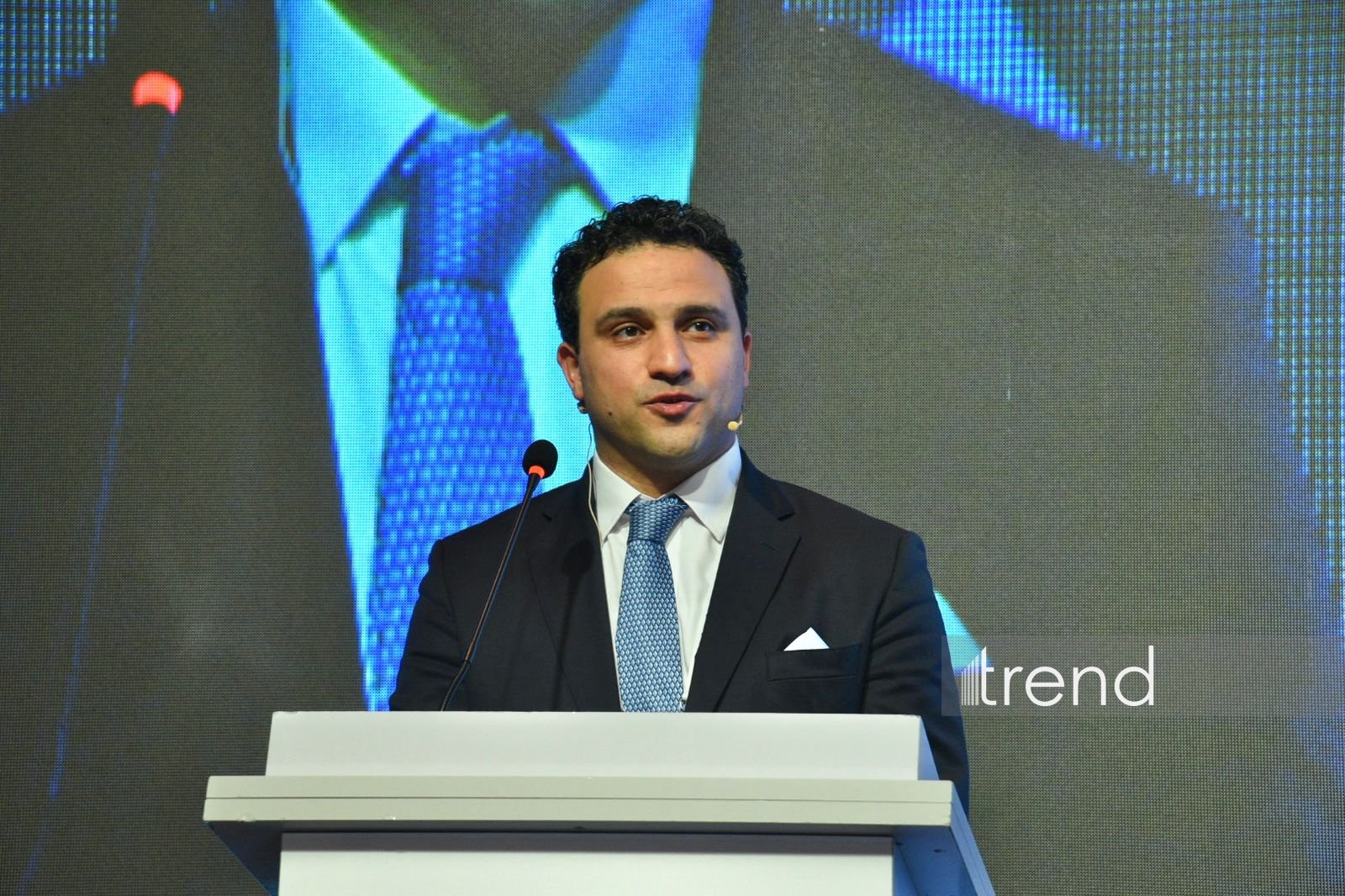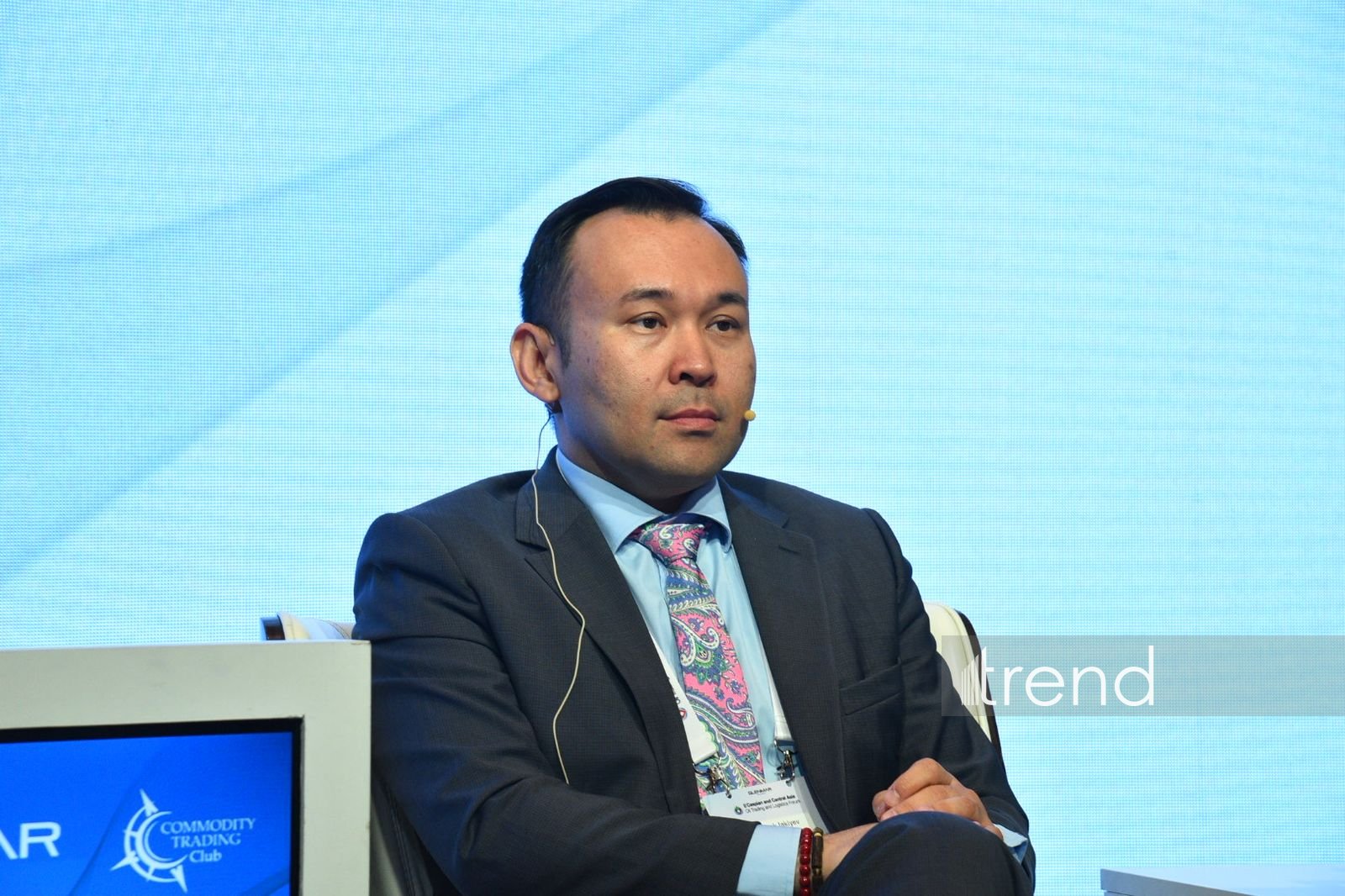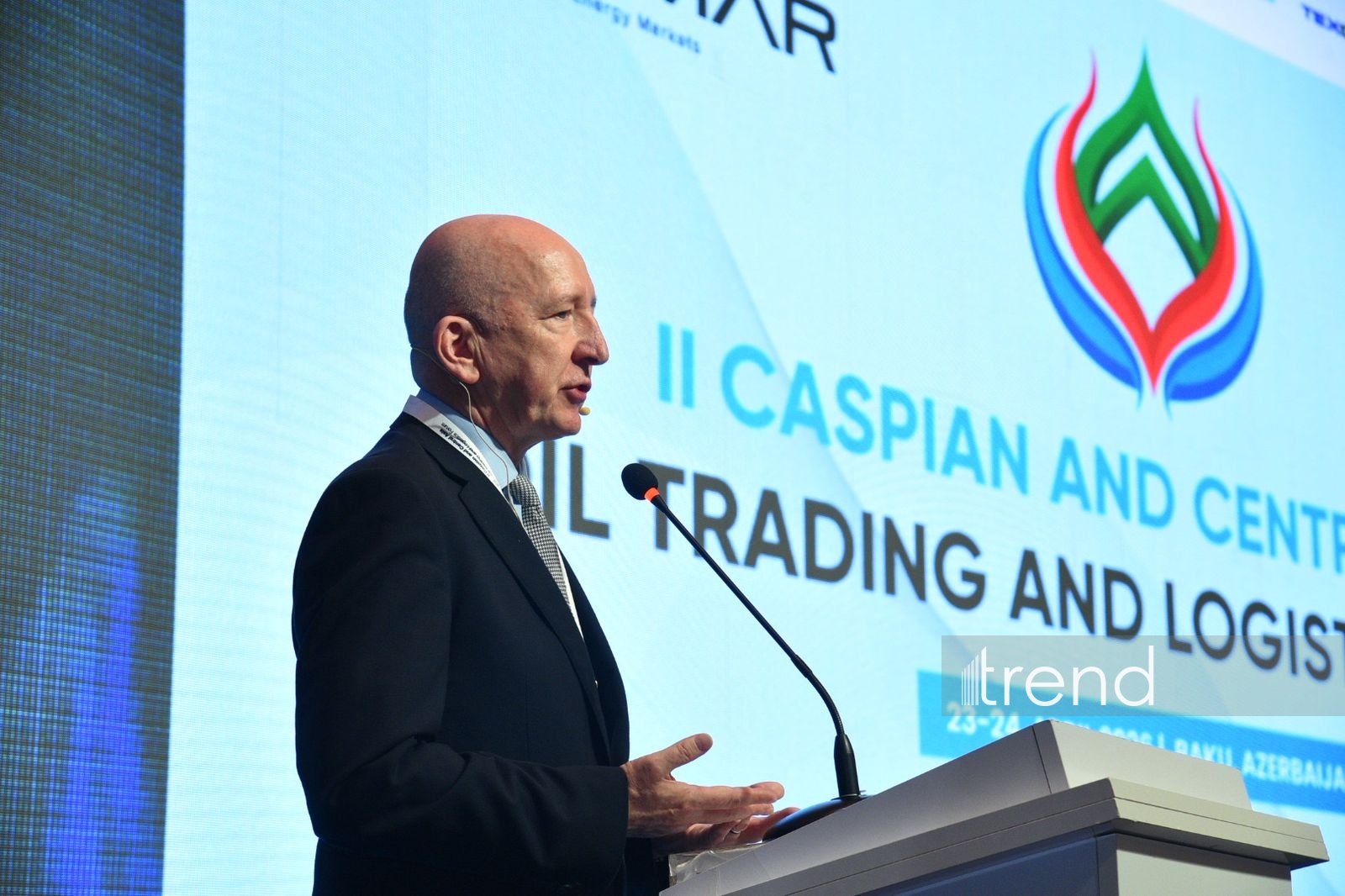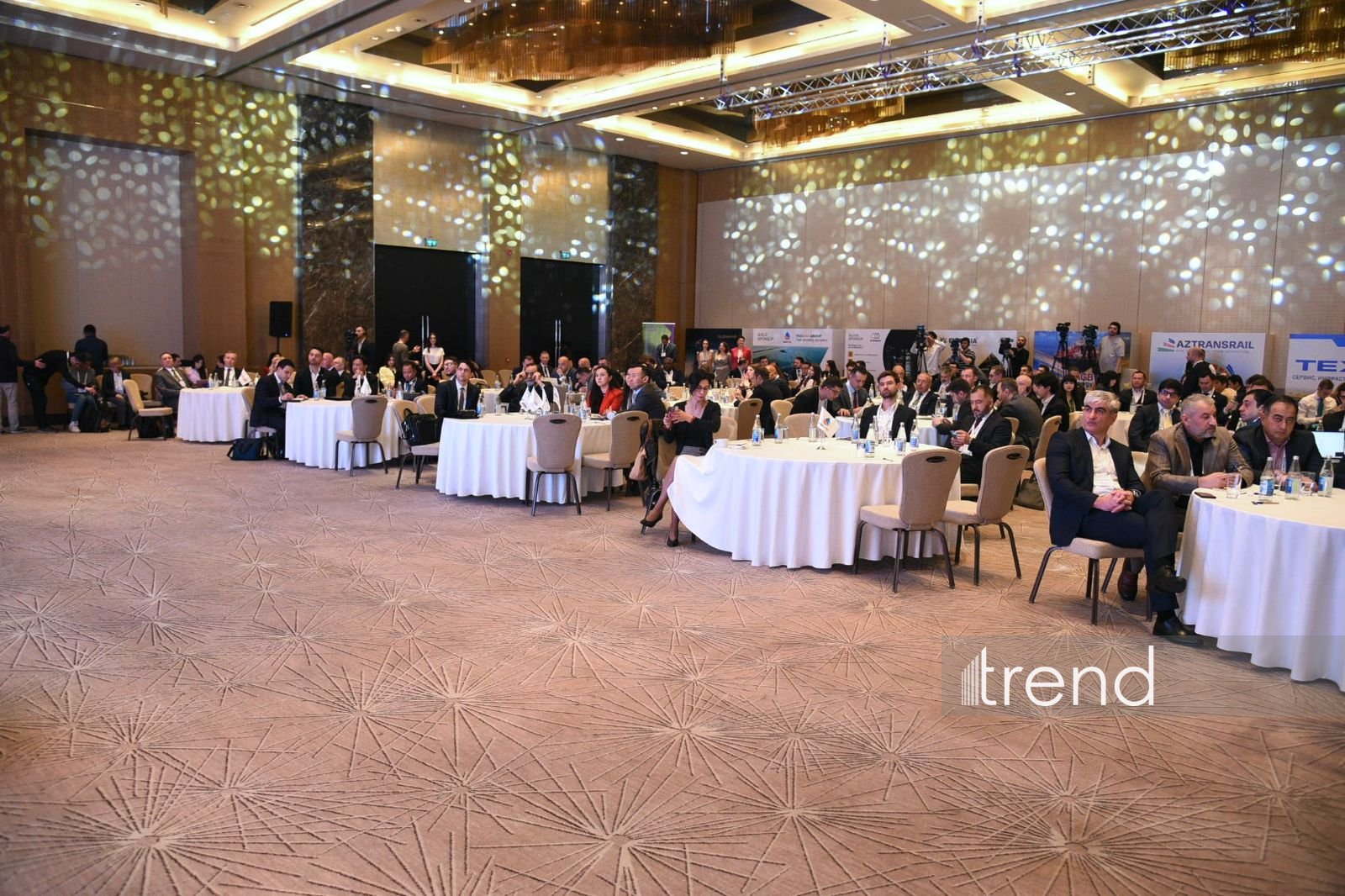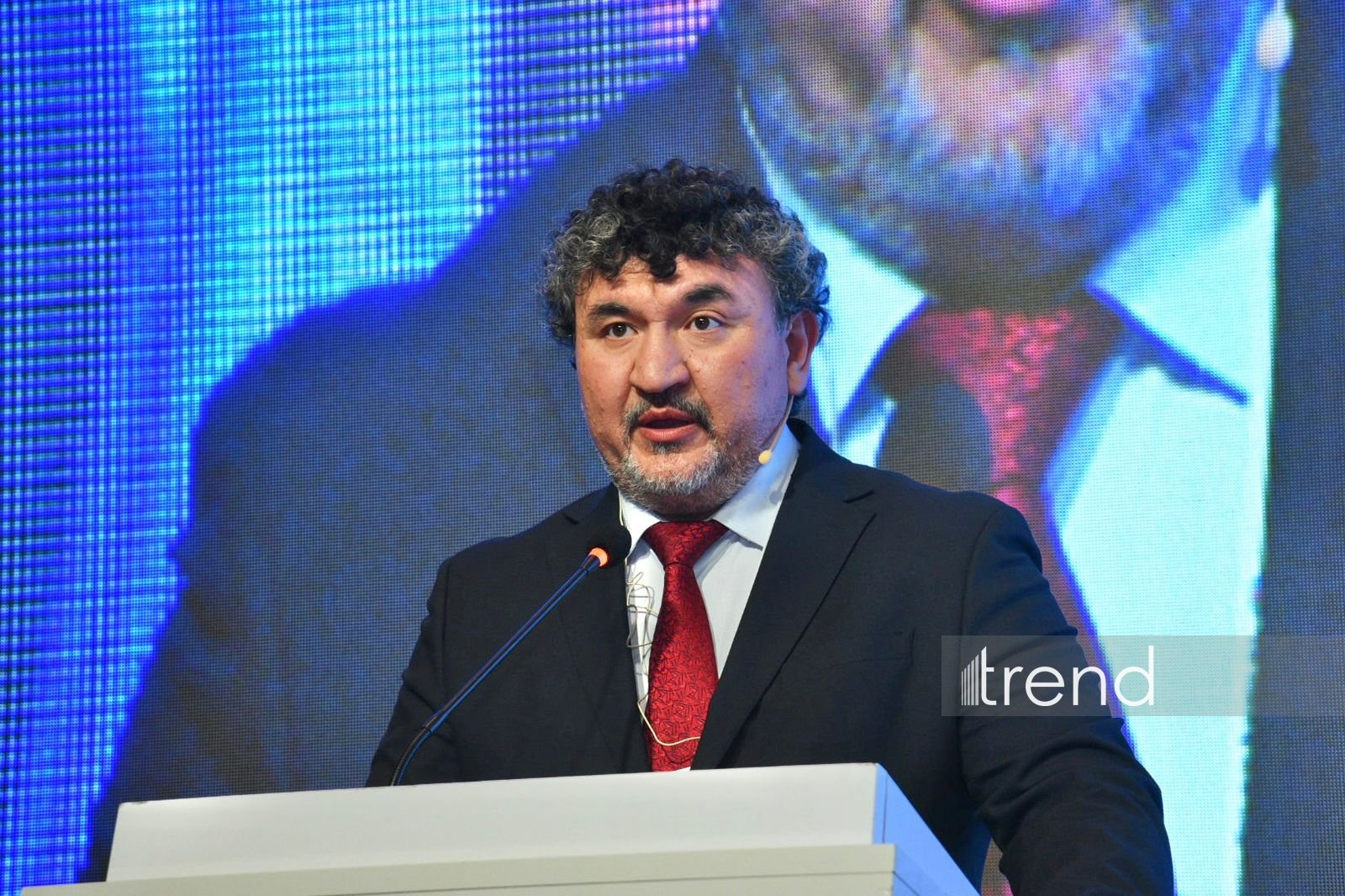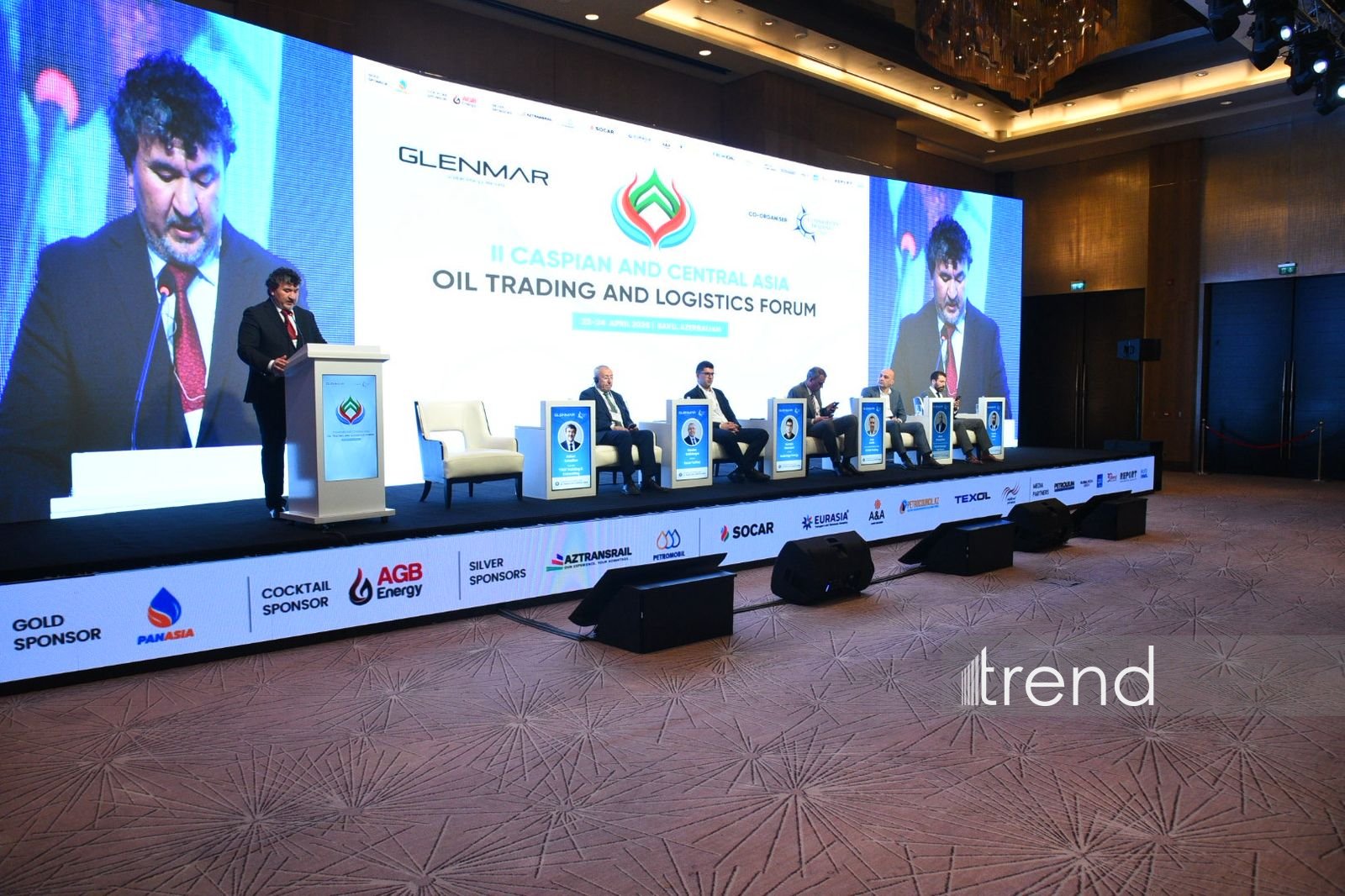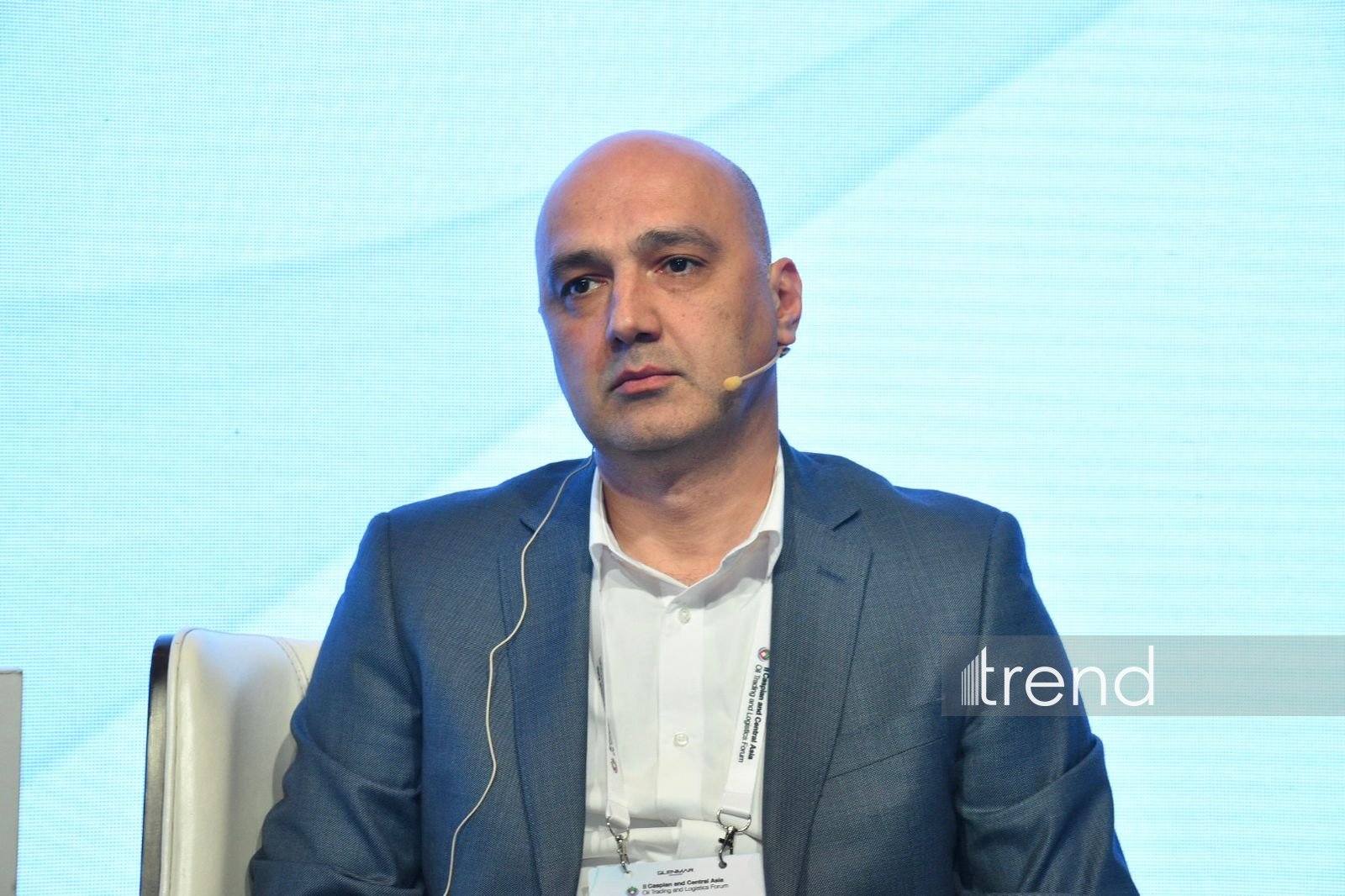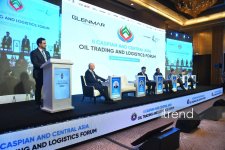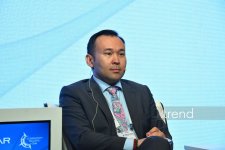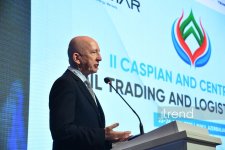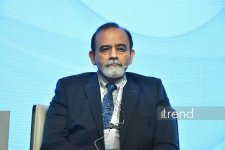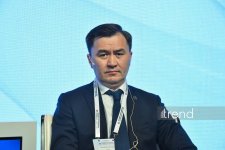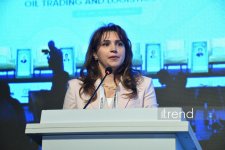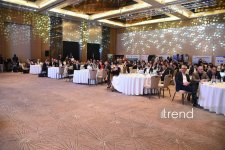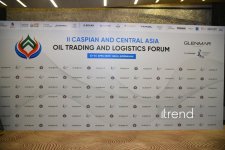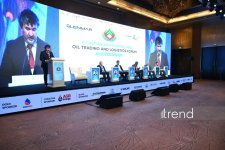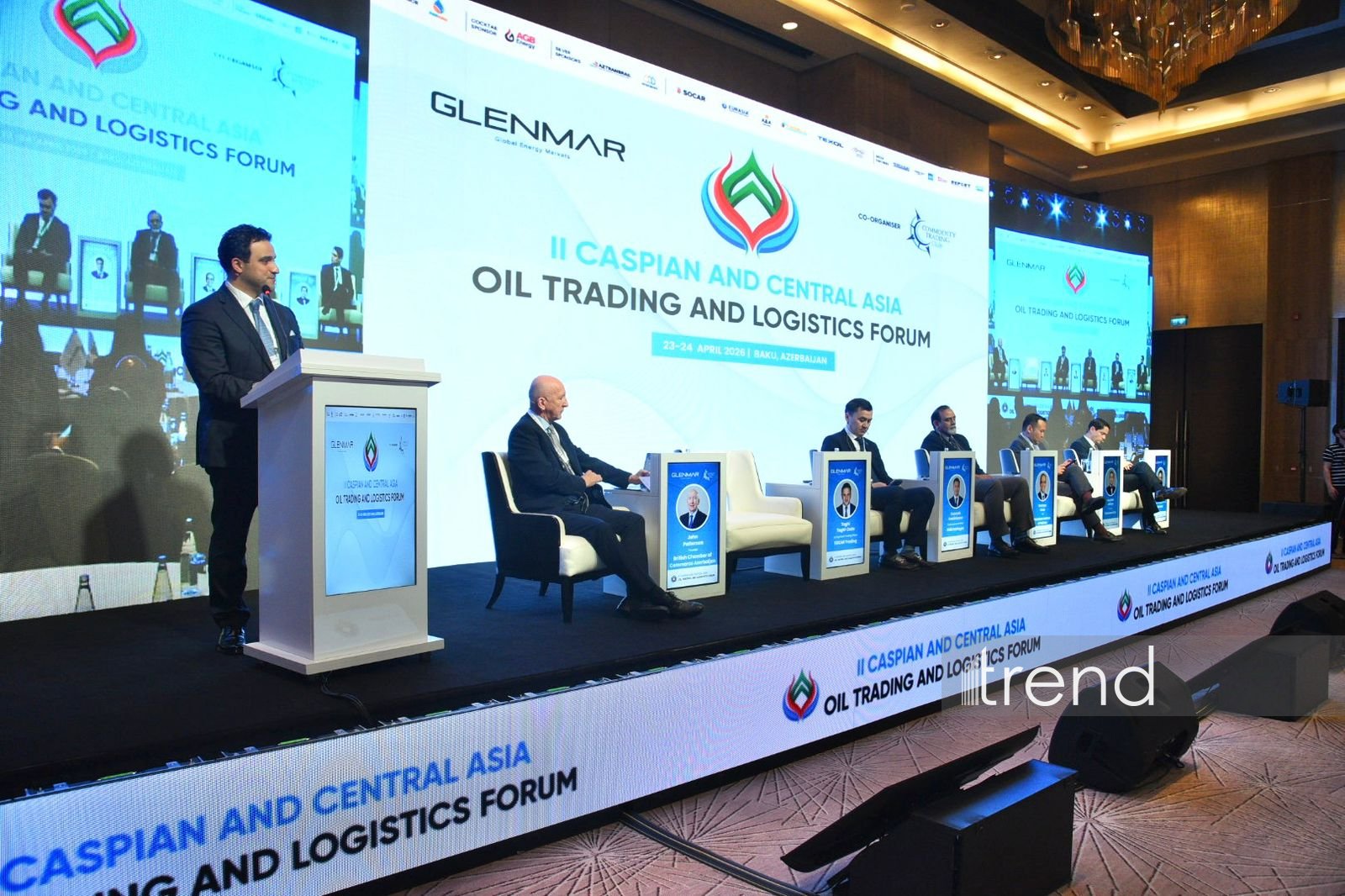

BAKU, Azerbaijan, April 23. The 2nd Forum on Logistics and Oil Trade in the Caspian and Central Asian Regions has opened in Baku, Trend reports.
The forum’s agenda covers key areas, including transportation and infrastructure, financial aspects and transactions, as well as trading strategies in a changing global environment.
Discussions also address issues related to resource bases, refining, and legal frameworks.
The forum aims to foster professional dialogue, facilitate the exchange of expertise, and establish business contacts in the field of regional oil trade and logistics.
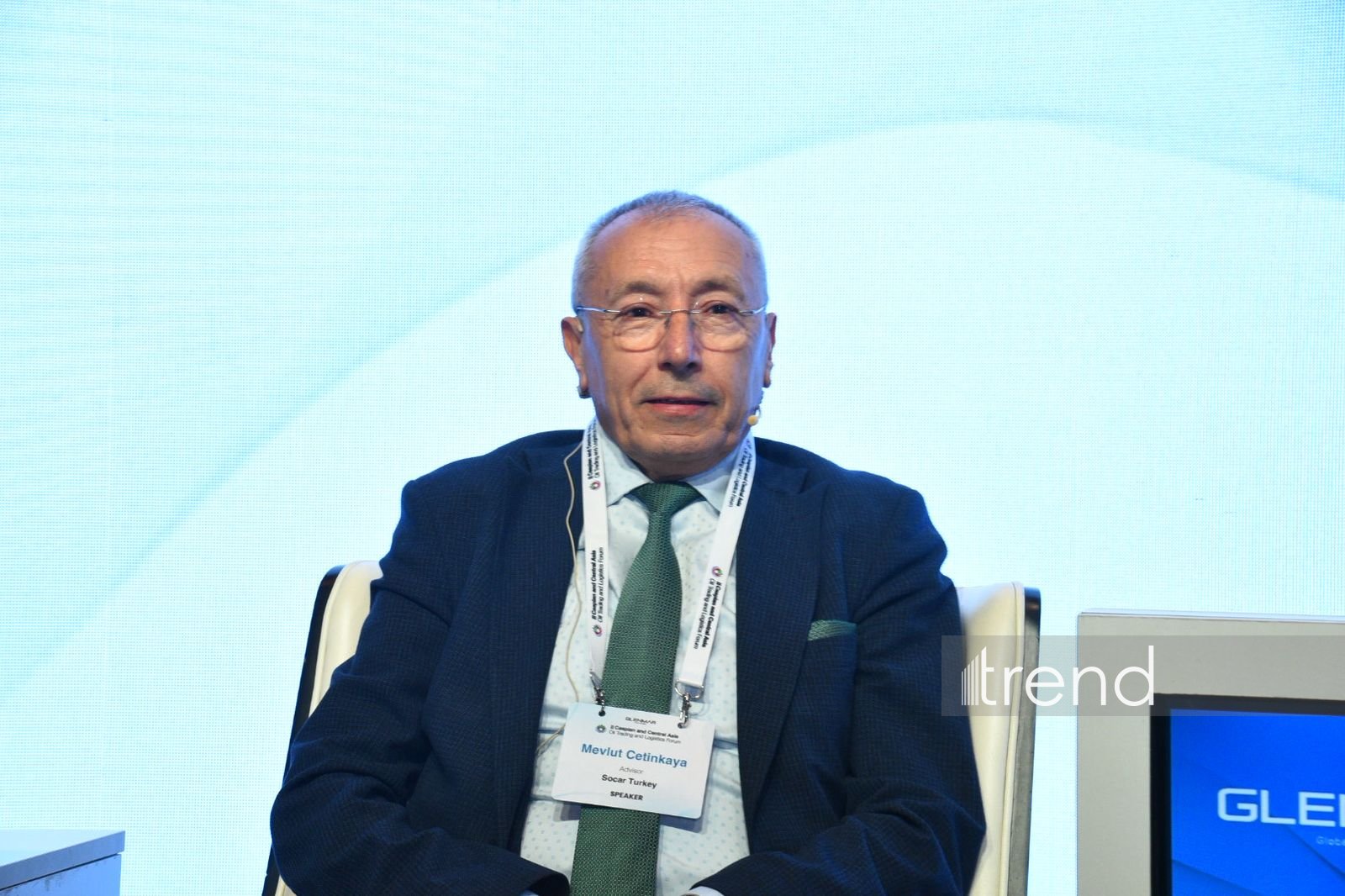
Speaking at the event Taghi Taghi-Zada, Acting Chief of Trading Operations at SOCAR Trading stated that the situation on the global oil market has become significantly more unpredictable.
“If we look back to 2019, we have witnessed a series of major events: first, the developments in Saudi Arabia in 2019, then the COVID-19 pandemic, followed by the start of the Russia-Ukraine conflict, and now the tense situation, or even conflict, in the Strait of Hormuz,” he said.
Taghi-Zada noted that the situation around the Strait of Hormuz has long been considered in research, academic discussions, and expert debates as one of the most extreme scenarios the world could face in terms of oil supply disruptions.
“And now we are effectively facing it. What is particularly interesting is that discussions usually focused on what would happen if the strait were closed for a day, for three days, or for a week. Now we are approaching the end of the second month of this situation and are still observing how it unfolds. It is important to note that modern markets are largely shaped by news headlines, and we are currently dealing with a highly volatile market. Unlike the initial stage of the conflict, when it seemed that everything was moving in one direction, the situation has now become far more unpredictable. We are still facing a supply deficit of approximately 13-15 million barrels per day from the Persian Gulf region,” he added.
Asylbek Dzhakiev, Chairman of the PetroCouncil of Kazakhstan outlined that over the next five years, Kazakhstan plans to attract about $15 billion in investments into its oil refining sector.
"Among these projects is a polyethylene production project worth $7.6 billion, with a planned output of 1.2 million tons per year, as well as a butadiene production project worth $1.1 billion, with a planned output of 900,000 tons," Dzhakiev noted.
According to him, the strategic issue lies in how to deliver this petrochemical product to global markets.
"From this perspective, the northern route may remain limited for the next 5-10 years, which increases the importance of alternative corridors," he said.
Among the priority export destinations, Dzhakiev highlighted China, considering the participation of Chinese state companies in funding the projects, as well as Azerbaijan via the Caspian Sea and the Middle Corridor.
"It is expected that these routes will become key for the future export of Kazakhstan’s petrochemical products," he added.
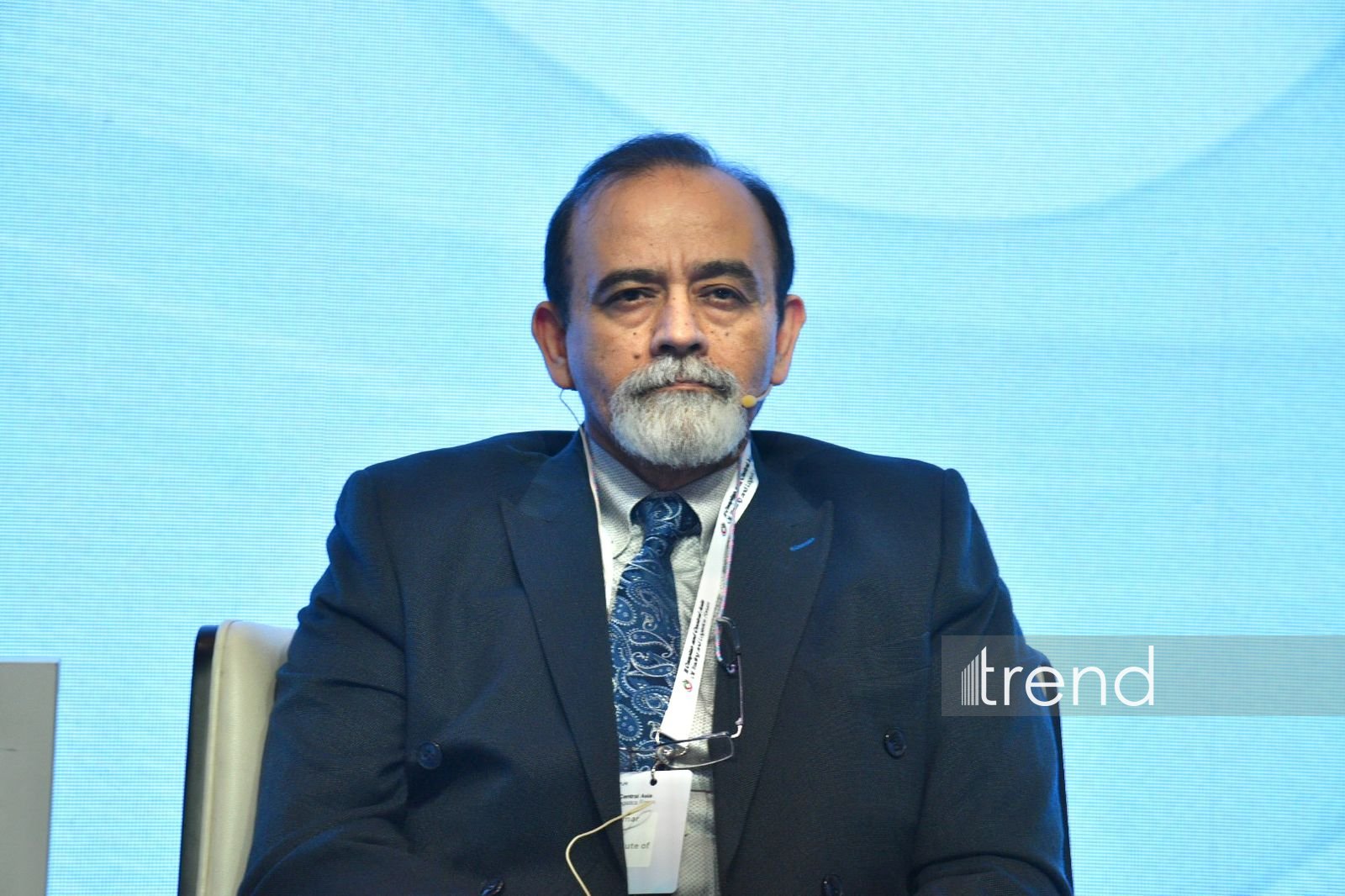
Shehryar Omar, Director General of the Petroleum Institute of Pakistan, revealed that over the next 5 to 10 years, the opportunities for Central Asia and Azerbaijan will shift toward the south rather than the west, and now is the time to invest in the necessary infrastructure and transport corridors.
According to him, traditional Western markets, including Europe, are expected to gradually lose importance in the long term due to demographic changes and the ongoing transition away from fossil fuels.
He noted that the southern direction offers access to a rapidly growing market with a population of around 2 billion people, where steady economic growth is being observed.
In this context, Omar called on regional countries to intensify efforts in developing infrastructure projects oriented toward southern routes.
He also highlighted Pakistan as a potential transport and energy corridor to the Arabian Sea, pointing to existing investment and trade ties, including cooperation with the State Oil Company of the Azerbaijan Republic (SOCAR) in the field of liquefied natural gas (LNG) and pipeline projects.
According to him, the development of southern routes could also enhance supply resilience amid potential geopolitical risks, including restrictions on traditional transit pathways.
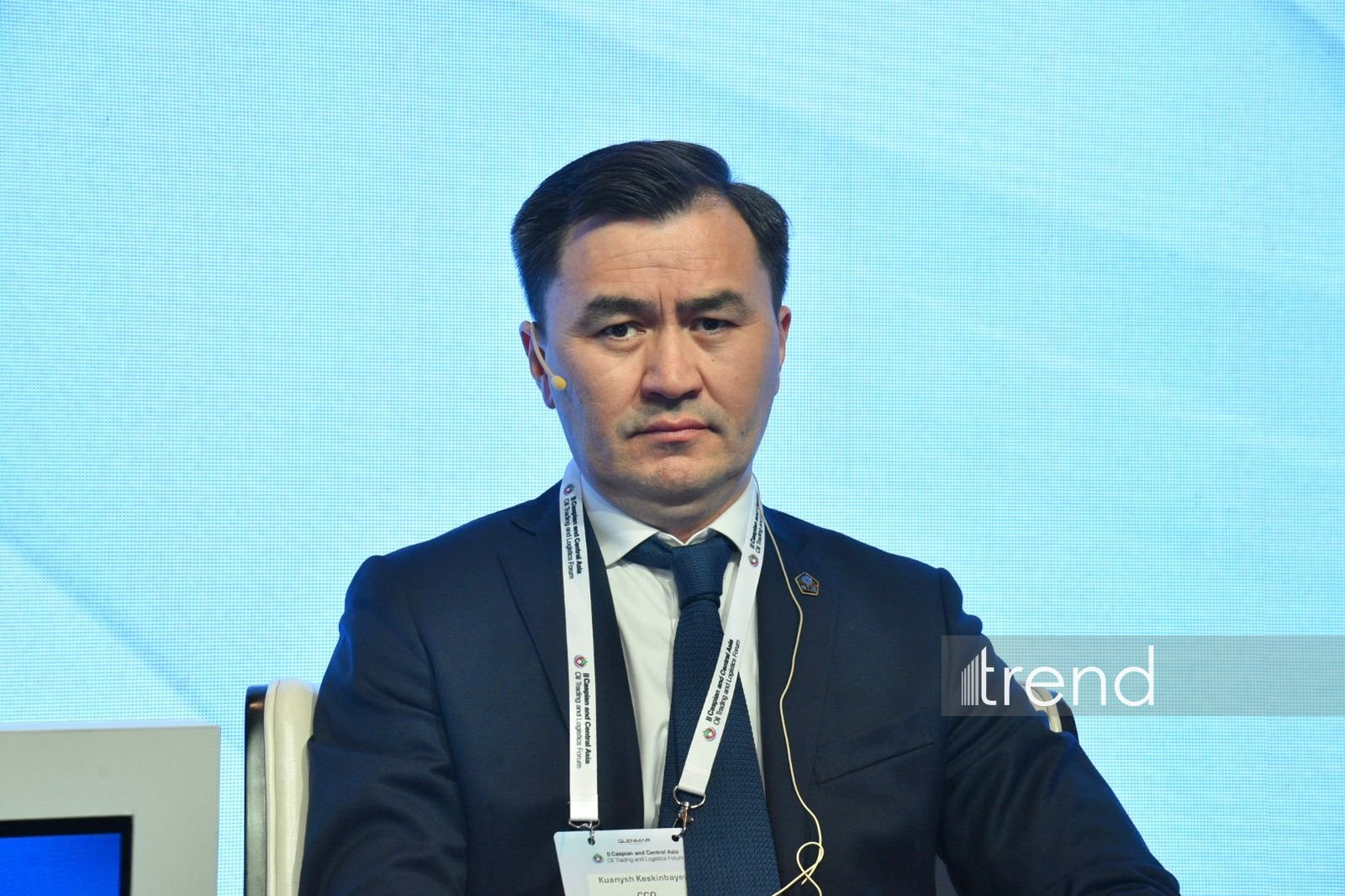
Speaking about logistics, Kuanysh Keskinbayev, Deputy General Director for Commercial Affairs at KMG Kashagan B.V. said that the Middle Corridor is becoming increasingly important as it is one of the routes operating without major disruptions.
“The corridor’s capacity for exporting Kazakhstani oil is up to 5 million tons, and if volumes need to be increased, investments will be required in additional ports, tankers, and related infrastructure,” he noted.
According to him, the cost of transportation along this route is usually higher than via the Caspian Pipeline Consortium (CPC) system; however, the higher price of Azerbaijani oil partially offsets this difference.
“In terms of net export profitability, the gap may be smaller than the tariffs suggest. Nevertheless, when the CPC is fully operational, it often remains the most profitable route,” Keskinbayev added.
The forum will continue its work tomorrow.