


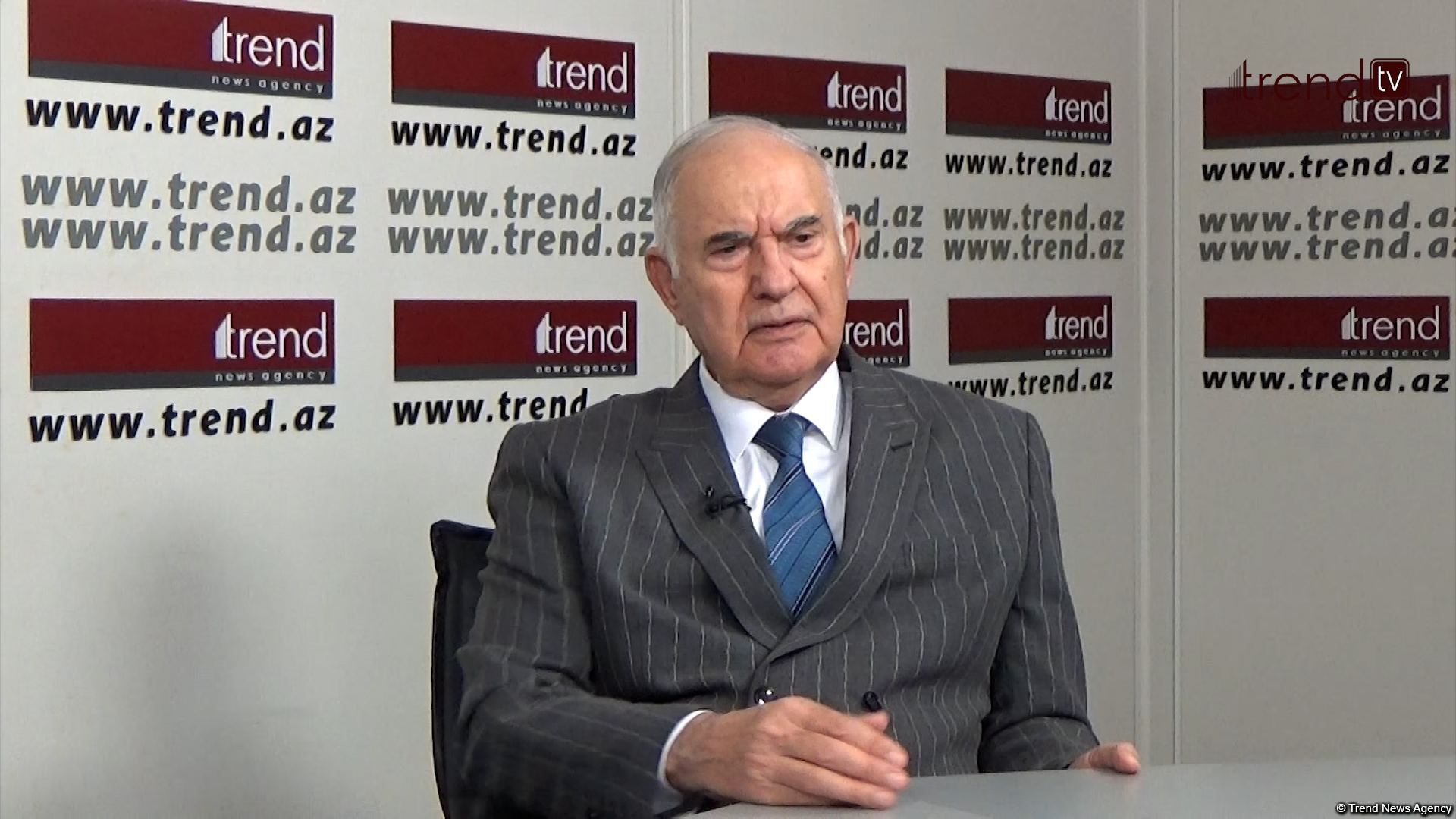

BAKU, Azerbaijan, December 30. The solidarity day unites the world Azerbaijanis around a common goal, shared values, and national interests, political analyst Azer Garayev told Trend.
According to him, the Solidarity Day of World Azerbaijanis is significant, celebrated annually on December 31, which expresses the national identity, historical memory, and idea of unity of Azerbaijanis on a global scale.
"This day is not just a date on the calendar, but a symbol of the solidarity of a people who have lived for hundreds of years as part of various empires, geographically divided, but have maintained their spiritual unity.
The historical roots of the Solidarity Day of World Azerbaijanis are closely connected to significant socio-political events that took place in the late 20th century. In December 1989, the removal of border fences along the Araz river and the desire of Azerbaijanis living in both northern and southern parts of the country to reunite were a clear manifestation of the people's wish for freedom and unity. This event was a protest not only against geographical borders but also against artificial separations formed over many years. After the establishment of independent Azerbaijan in 1991, this idea was supported at the state level.
On the initiative of National Leader Heydar Aliyev, December 31 was declared the Solidarity Day of World Azerbaijanis. This transformed the idea of solidarity from an emotional appeal into one of the key directions of national policy.
According to the analyst, the concept of "solidarity" transcends mere unity for the Azerbaijani people; it embodies a profound commitment to preserving national identity, safeguarding the native language, culture, and traditions, and advocating for the restoration of historical justice. While Azerbaijanis living in diverse socio-political contexts across the globe may operate in distinct environments, the unifying force remains the ideology of Azerbaijanism.
"Azerbaijanism is a unifying ideology that brings together all Azerbaijanis under a singular identity, irrespective of national origin, religious beliefs, or political affiliations. Solidarity Day of World Azerbaijanis serves to reinforce this ideology, bolster the efforts of the diaspora, and champion national interests. In the contemporary geopolitical landscape, where information warfare, political pressures, and global competition are intensifying, the role of organized and coordinated diaspora efforts has never been more crucial in defending national interests."
In this regard, the Azerbaijani diaspora has witnessed considerable growth and transformation. Solidarity Day of World Azerbaijanis stands as a key platform to amplify attention on national issues among expatriates, to raise awareness about the realities of Karabakh, and to project Azerbaijan's legitimate voice within the international arena. The remarkable unity and activism demonstrated by diaspora organizations, particularly during the 2020 Second Karabakh War, unequivocally highlighted the tangible outcomes of solidarity in action," he added.
Garayev emphasized that Azerbaijan considers strengthening relations with the global Azerbaijani community as one of its strategic priorities. In this regard, the activities of the State Committee on Work with Diaspora, the holding of World Azerbaijanis Congresses, and the implementation of various international projects are of special significance.
"Solidarity Day forms the ideological foundation of this policy. The mutual trust, information exchange, and joint action mechanisms between the state and the diaspora are built on this pan-national idea. As a result, Azerbaijanis living abroad feel not only as members of an ethnic community but as an integral part of a strong and independent state. In the era of globalization, the preservation of national identity is particularly important for the younger generation. Azerbaijani youth born and raised abroad, shaped by different cultural environments, can strengthen their connection to the mother tongue, history, and national values through targeted policies and public initiatives.
The Solidarity Day of World Azerbaijanis is an important ideological tool in the formation of national consciousness among young people. The forums, cultural events, conferences, and online platforms held on this day create an opportunity for young people to connect and strengthen the sense of shared identity," he noted.
The analyst stressed that one of the main pillars of national unity is culture and language. The Azerbaijani language serves as a spiritual bond for Azerbaijanis living in different countries. Literary and artistic evenings, concerts, and exhibitions held on Solidarity Day are of great importance in promoting national culture.
"Through these events, both Azerbaijani culture is preserved and presented to other nations. Thus, Solidarity Day not only strengthens internal unity but also contributes to the formation of Azerbaijan's international image. Today, the world is rapidly changing, and new political and informational challenges are emerging. In the context of disinformation, double standards, and regional tensions, preserving national unity is becoming even more relevant.
World Azerbaijanis Solidarity Day serves as a moral shield against these challenges. In the future, enriching the content of this day and strengthening the global Azerbaijani network through digital platforms will be crucial. Coordinated actions in social media, international media outlets, and academic environments can elevate the idea of solidarity to a new stage. The Solidarity Day of World Azerbaijanis is the celebration of Azerbaijan’s historical memory, national identity, and global unity.
Regardless of where Azerbaijanis live, this day unites them around common values, forming a shared sense of responsibility for national interests. Solidarity is strength. This strength combines the moral heritage passed down from Azerbaijan's past, the statehood mentality that defines its present, and the strategic vision for its future. December 31 – Solidarity Day of World Azerbaijanis will continue to live as a symbol of this unity and strength," added Garayev.



