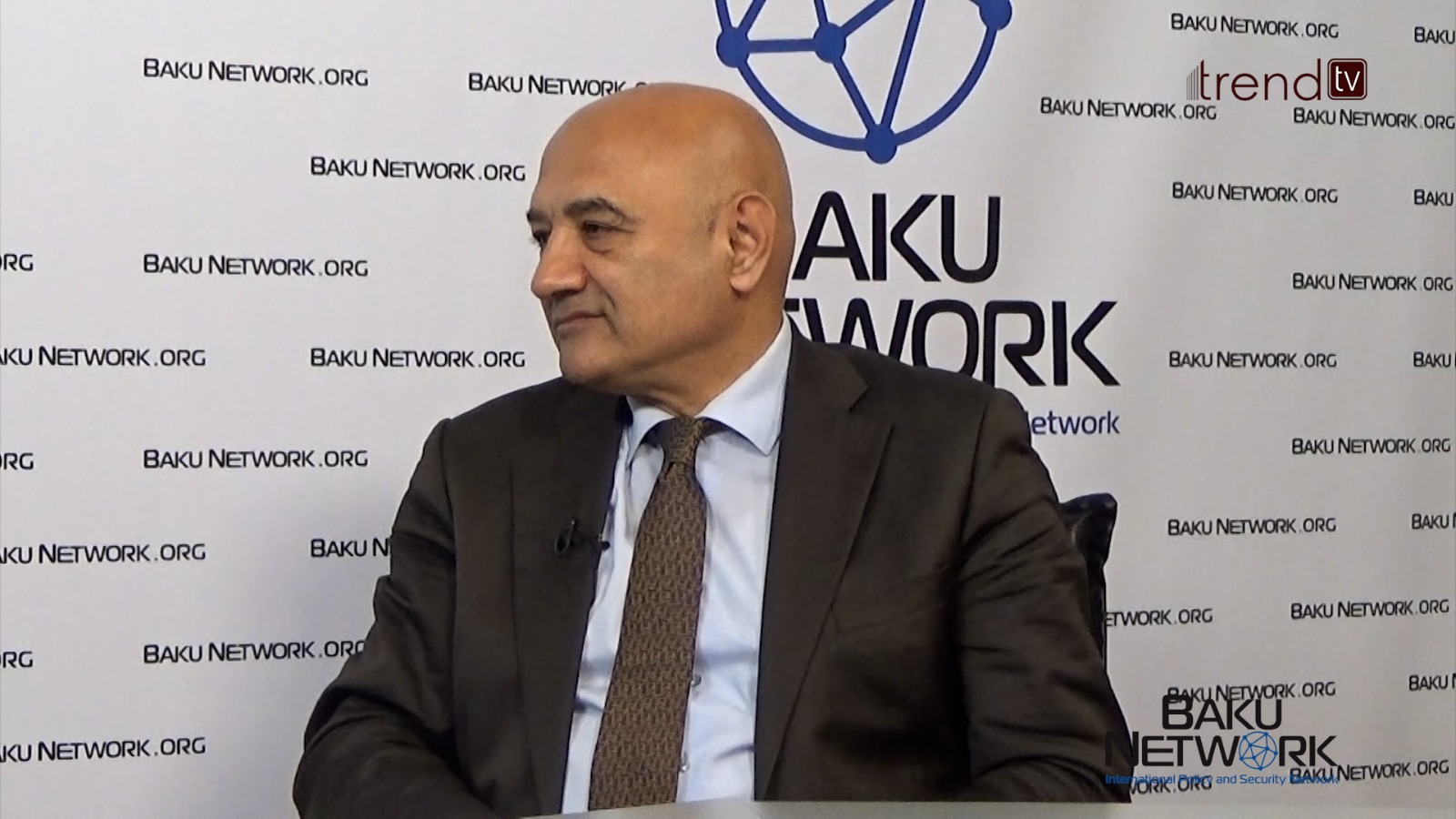

BAKU, Azerbaijan, March 12. The Baku Network platform has released the latest episode of the analytical video project “Dialogue with Tofig Abbasov,” dedicated to issues of culture, history, and statehood, Trend reports.
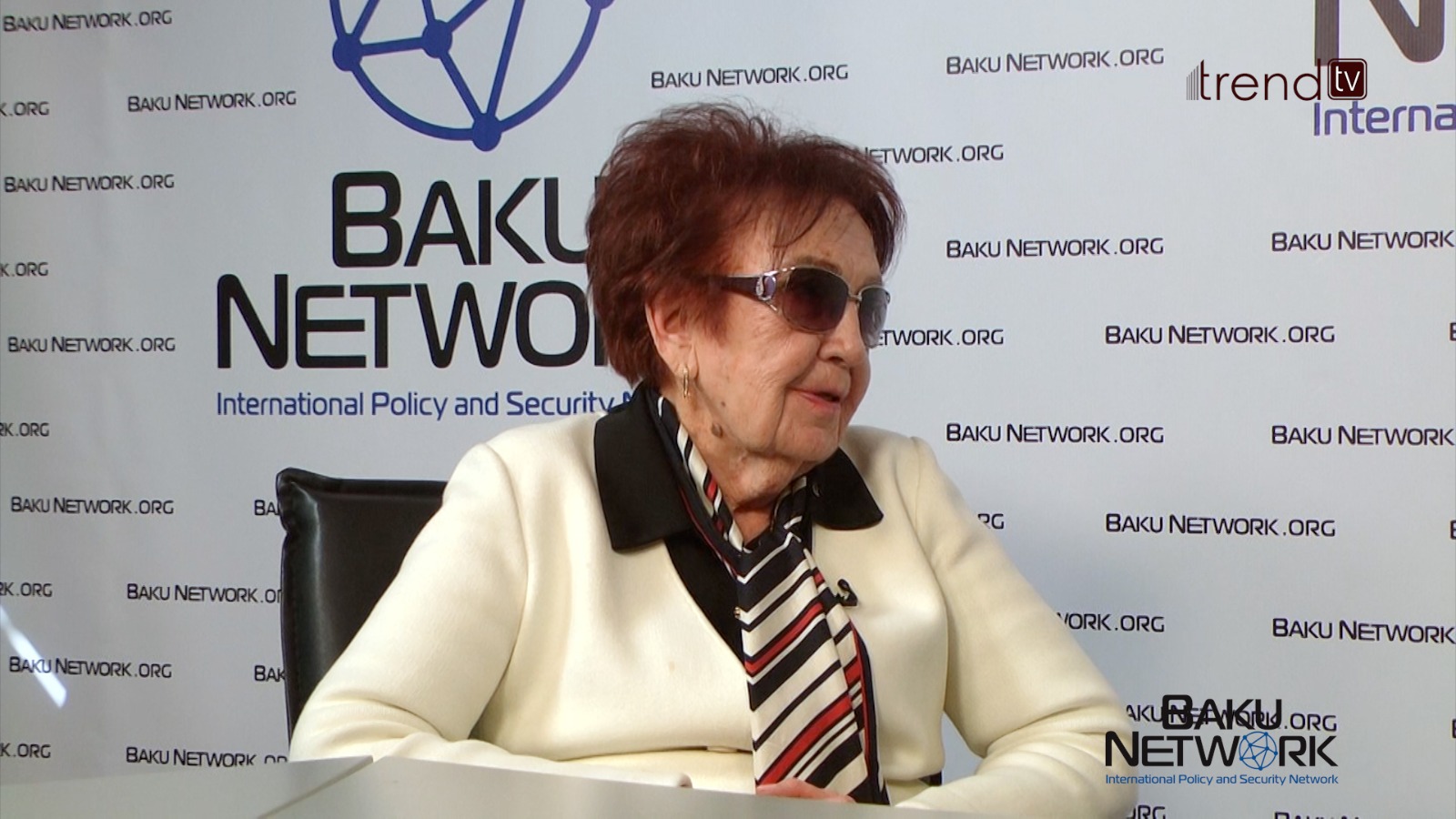
The guest of the program was Honored Journalist of Azerbaijan, holder of the "Shohrat" Order, Nadezhda Ismayilova.
During the conversation, she shared her views on current global processes, the importance of journalism in modern society, and the prospects for peace in the region.
According to Ismayilova, in recent years, Azerbaijan has succeeded in creating a solid foundation for stability and peaceful development in the region.
"Have we effectively established a buffer for the stability of our regional framework? Indeed, I am confident that we have. We have established a robust framework, garnered credibility, and our connections are strong not just with our immediate vicinity but also well beyond those limits," she said.
At the same time, the journalist noted that the global situation remains tense.
"You see what's happening in the world now: so much pain, fear, and anxiety, and all these storms don't leave us indifferent; they affect us too. Our journalism is not only a mirror image of reality but also a way to change it, building bridges instead of walls," Ismayilova emphasized.
Speaking about the peace process in the South Caucasus, she drew attention to attempts by external forces to influence the information agenda.
"We are literally two steps away from signing a peace treaty, but just when the process is going well, signals are again in the air that the conflict is not going away. For example, a veteran British parliamentarian suddenly became concerned about the cultural heritage in Karabakh, calling it "Nagorny," even though we don't have such an administrative unit, which speaks volumes about his knowledge of the issue. Or bloggers from Armenia and Israel appear, discussing our history without the proper understanding. These are clearly political orders aimed at slowing down the peace process," she said.
According to Ismayilova, a key aspect is often overlooked in international politics: the fates of specific people affected by conflicts.
"Large international organizations—the UN, the OSCE, and the Council of Europe—are concerned with external policy but rarely consider the personal stories of ordinary people behind their decisions. I've even started writing a book about these human destinies," she noted.
During the program, the journalist recounted a tragic story from the First Karabakh War, involving the fate of a captured Azerbaijani girl who endured terrible trials. According to Ismayilova, such human dramas remain unnoticed by global diplomacy, yet they reveal the true cost of war.
"Then answer me: What is this? A victory for the spirit of a woman who refused to bear a child from the enemy, or a defeat for the instincts of a mother who killed her own child?" she delineated.
She underscored the necessity of conveying these narratives to ensure that subsequent generations grasp the profound implications of conflict.
Speaking about the role of society and the media in the face of information challenges, Ismayilova called for consolidation in the face of disinformation.
"Even in the fog of war, when no one knew who was to blame or what to do, I believed that difficulties should bring us together; this is not a defeat but preparation for victory. And now we too must pull together and fight back against all the gossip and fake news directed against Azerbaijan," she noted.
The journalist also shared an episode from her professional practice that occurred during one of her trips to the border regions.
"One day, we were traveling with a police escort to an Azerbaijani village that turned out to be an enclave among Armenian villages. A police captain handed me an automatic rifle and said, 'Nadezhda khanum, as soon as you hear gunfire, raise it and shoot!' and ran to his car. I shouted after him, 'Comrade Colonel, can I speak to you for a minute? What do I need to press here?' I think his worldview changed then," she recalled with a smile.
At the same time, Ismayilova underscored the necessity for the state to be equipped to safeguard peace and security.
Responding to a question about the key to overcoming aggression and conflict, Ismayilova underscored the importance of human values.
"I believe that kindness, not beauty, will save this world. We lack the ability to instill hope, not fear and grief. Let every home have a cult of kindness, and let everyone carry it beyond their own homes," she noted.
She believes that straightforward ethical principles have the potential to transform society.
Here is the full video footage of the program: