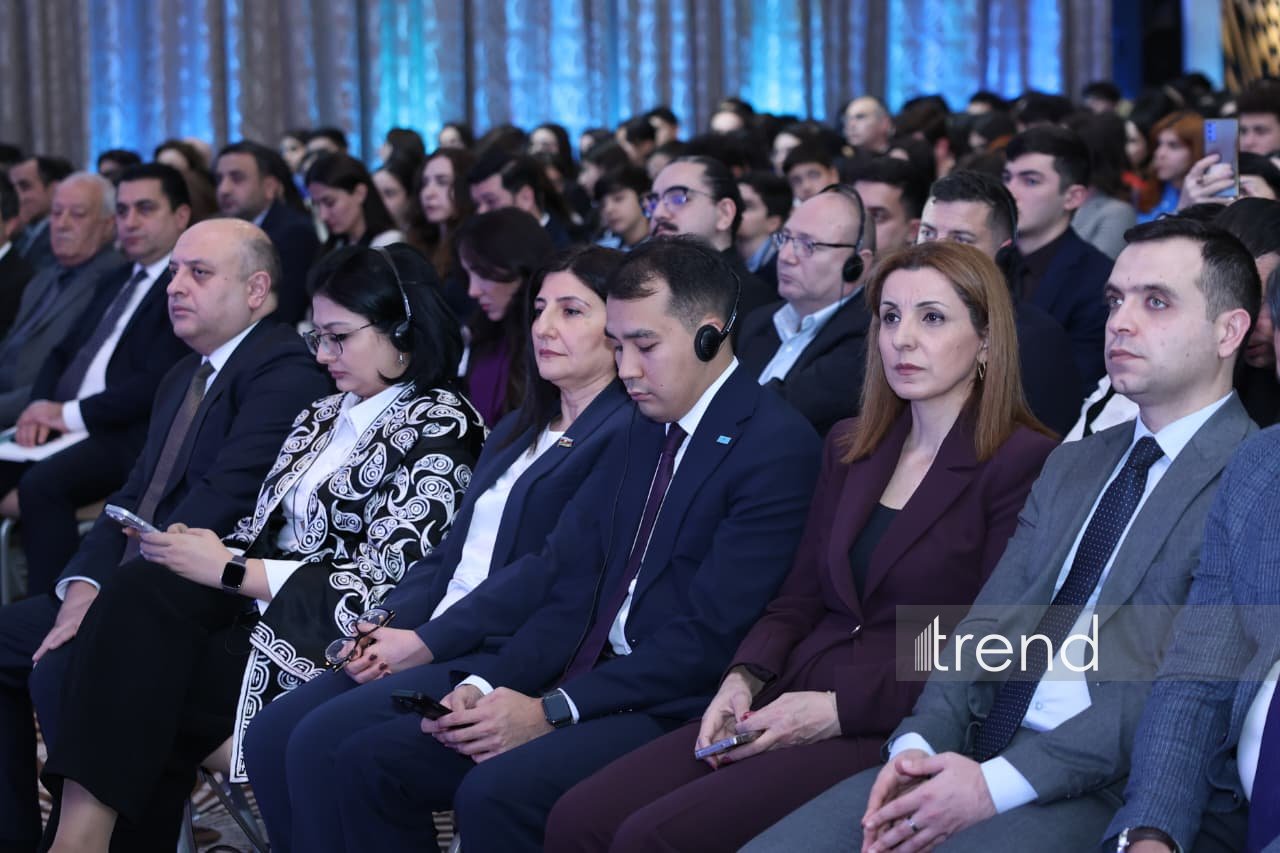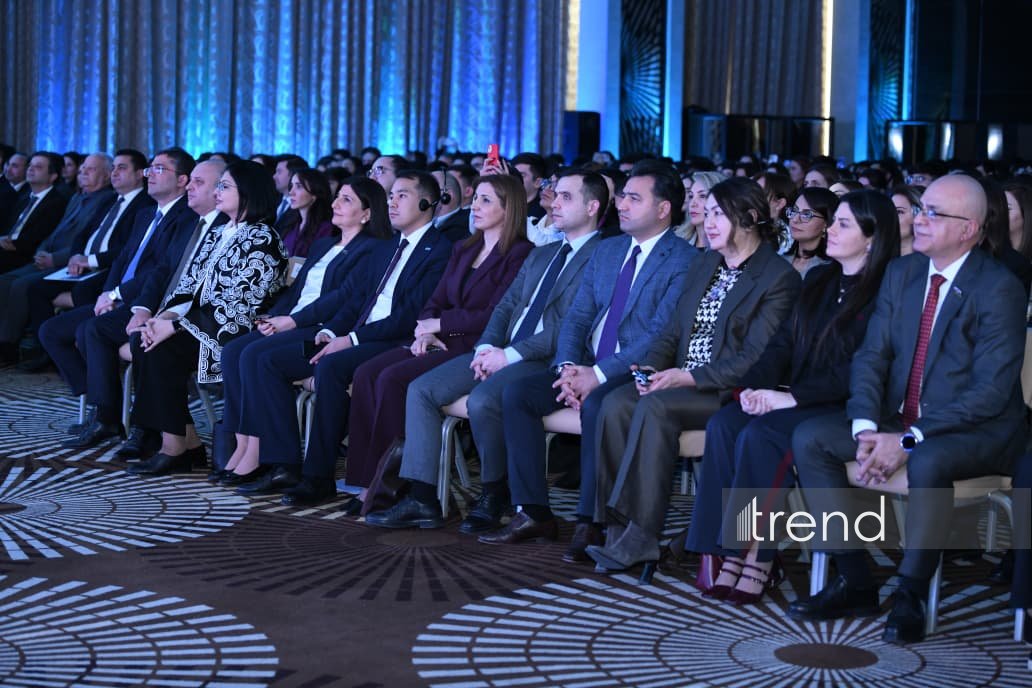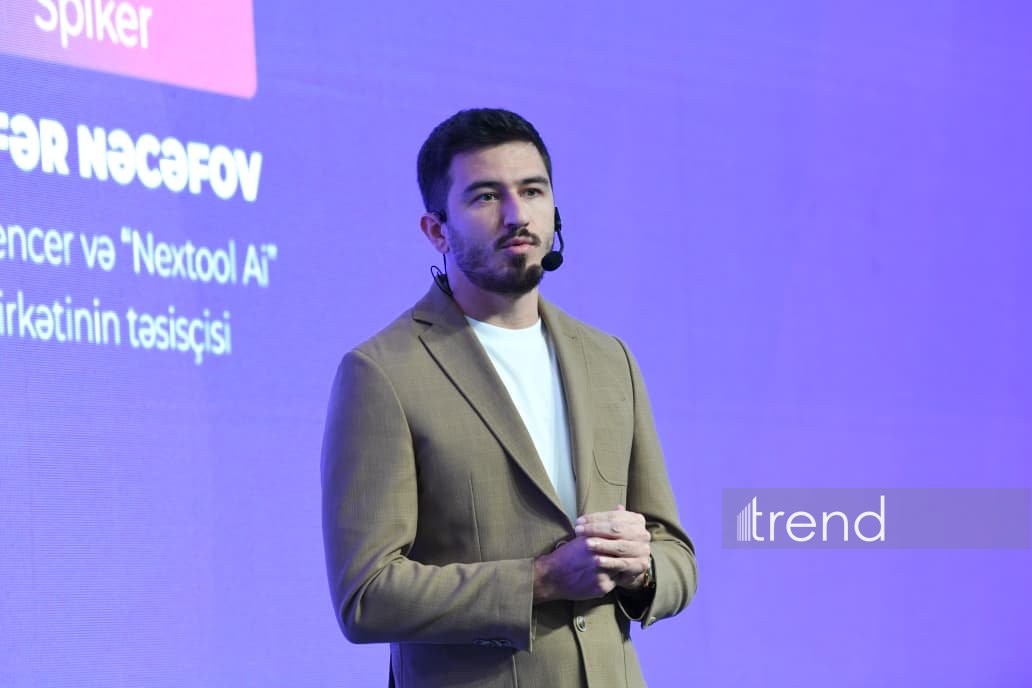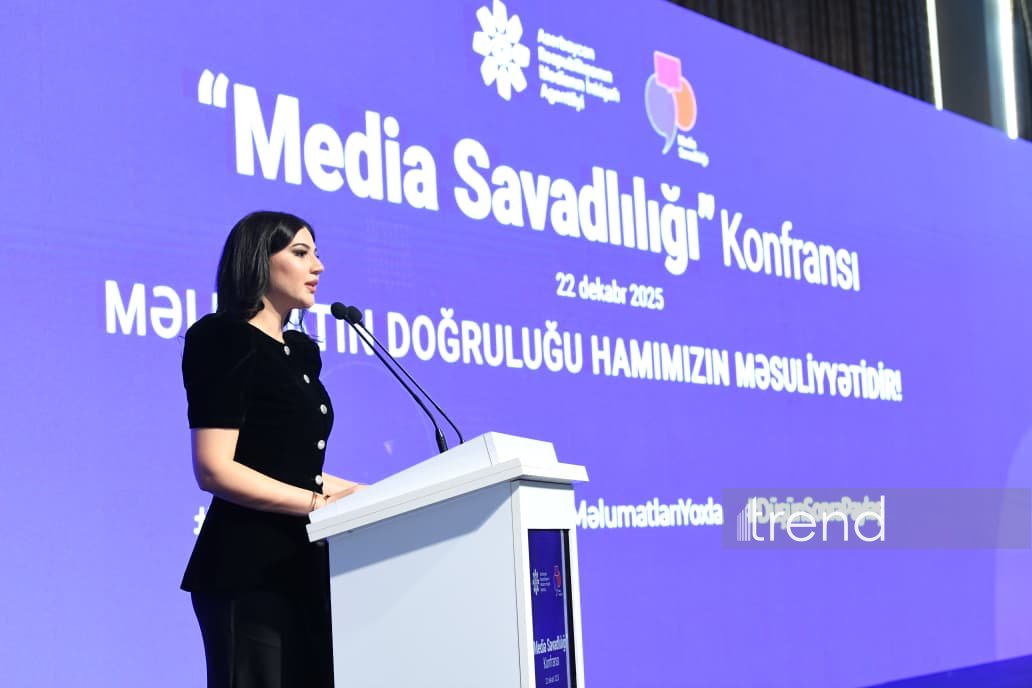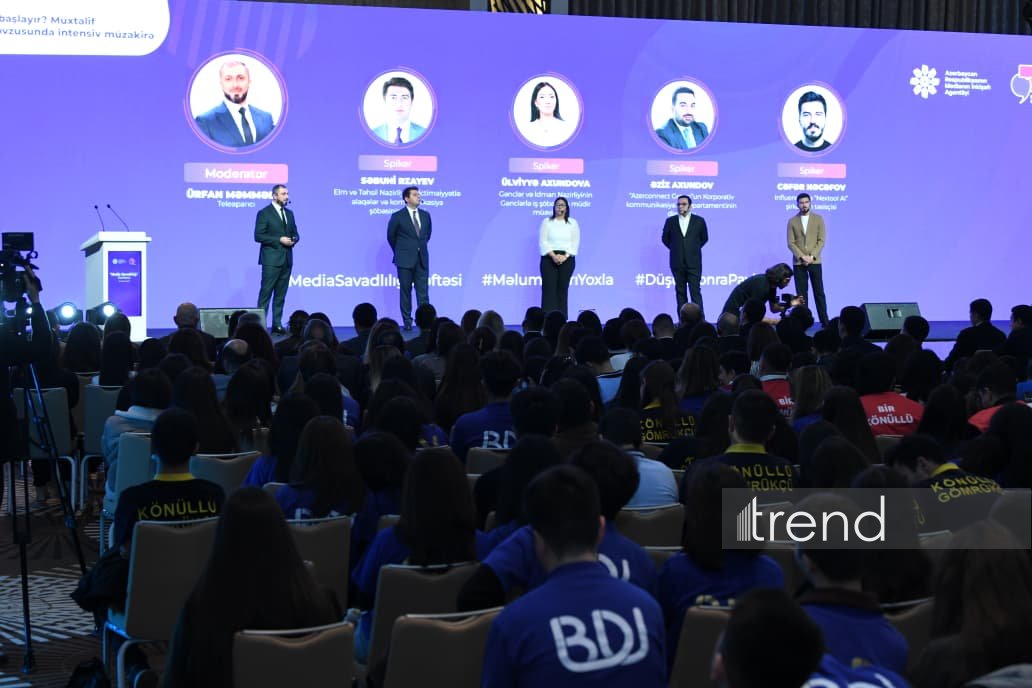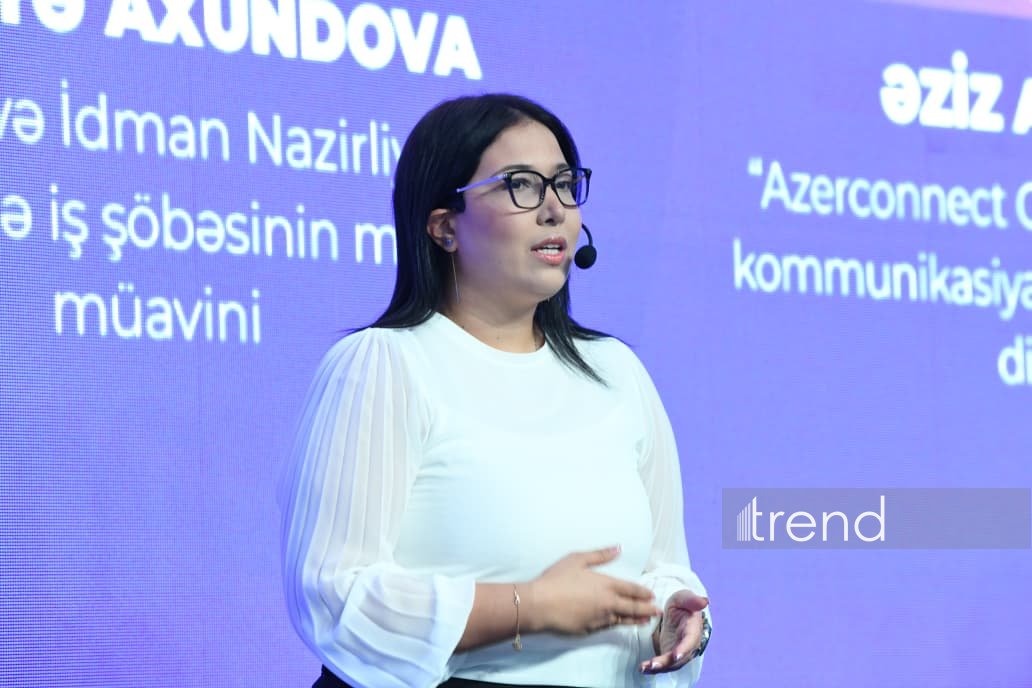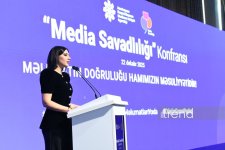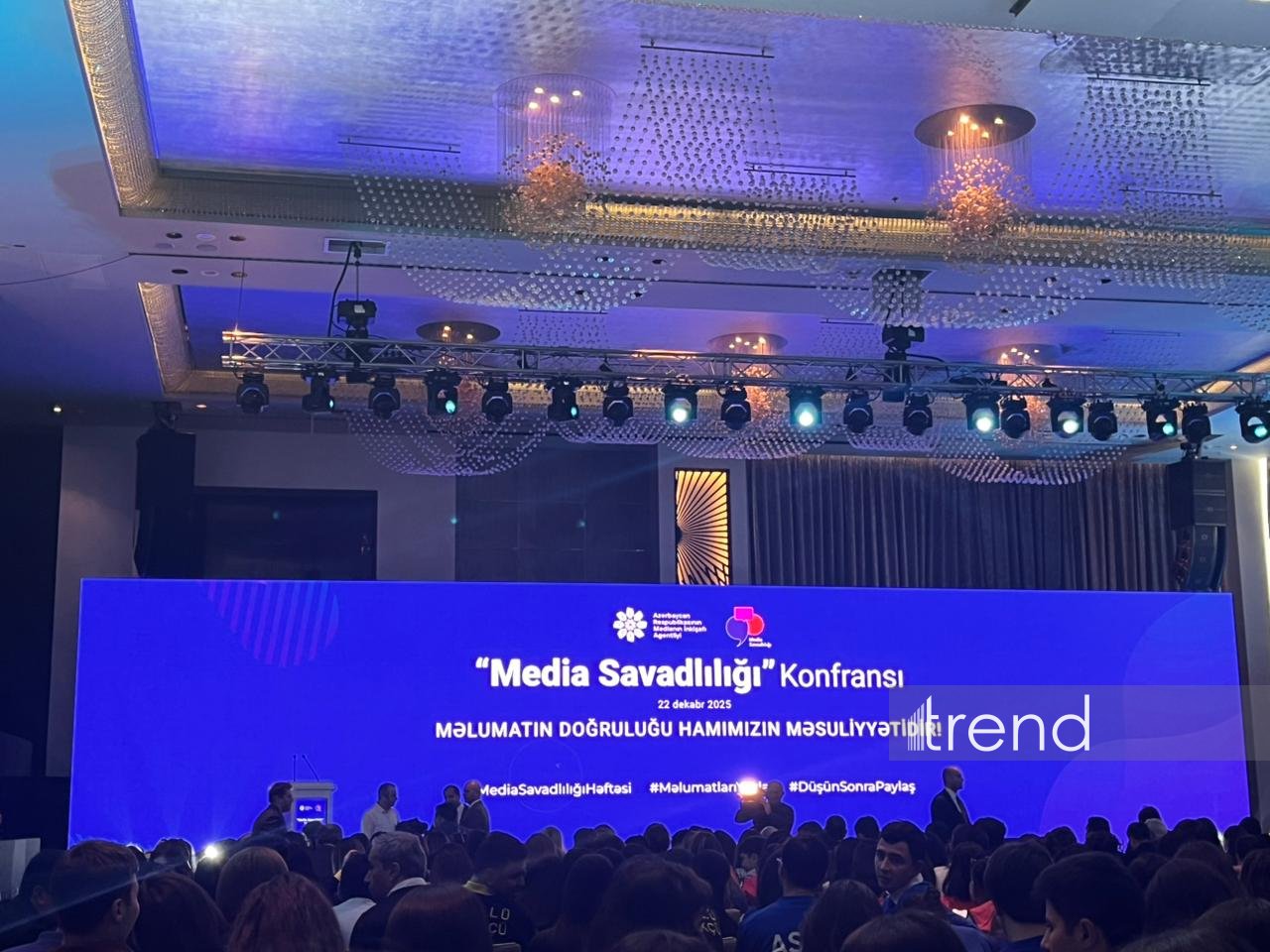

BAKU, Azerbaijan, December 22. Baku hosted a conference on “Digitalization, Artificial Intelligence, and Media Literacy,” Trend reports.
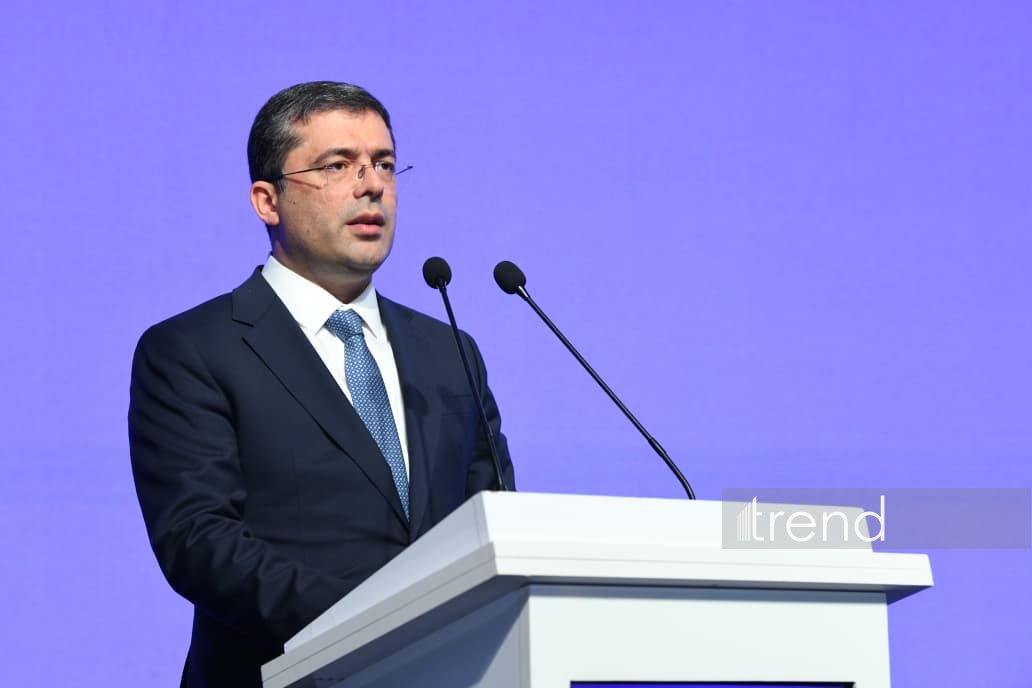
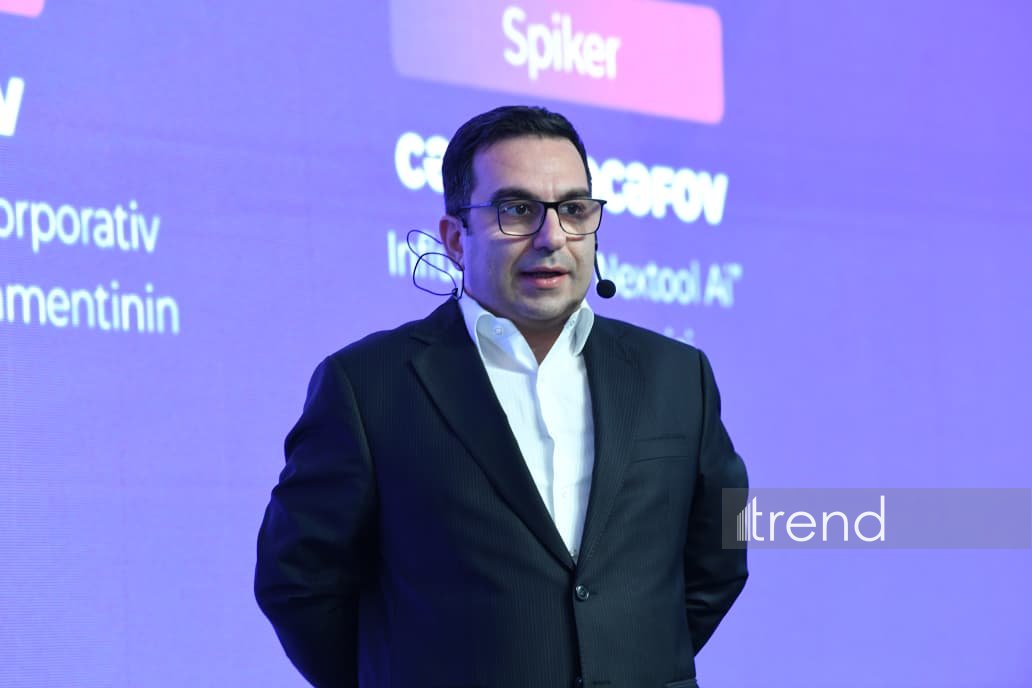
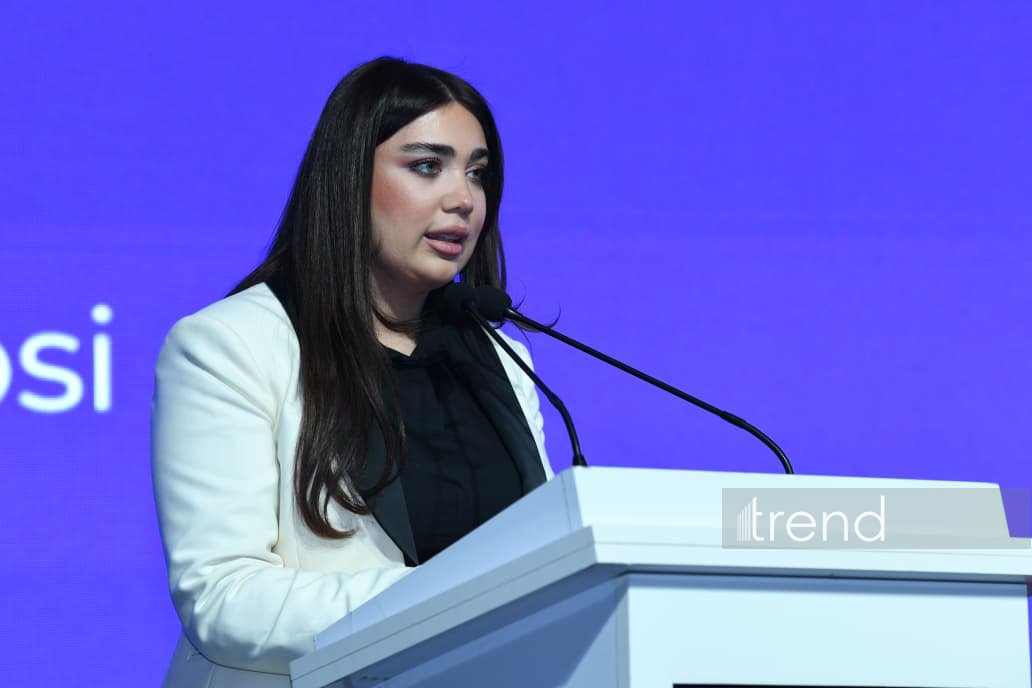
The conference featured presentations by Ahmad Ismayilov, executive director of the Media Development Agency of the Republic of Azerbaijan, and Laman Isgandarova, director of the Media Development Agency’s department.
The executive director of the Media Development Agency, Ahmad Ismayilov, stated that for the fourth consecutive year, systematic and consistent work on the topic of media literacy has become an important tradition in Azerbaijan. In a period of rapid digitalization and significant growth in the production and consumption of information, the concept of media literacy, which combines the principles of security, responsibility, and reliability, is becoming particularly relevant.
He noted that this approach forms an important value and model of behavior not only for participants in the information sphere, but also for society as a whole.
This year, we are also celebrating the 150th anniversary of the Azerbaijani national press. In accordance with the decree of President Ilham Aliyev, the widespread celebration of this anniversary is important in terms of a thorough analysis of the historical role of the national press, its place in shaping public opinion, and its significance in preserving and developing educational traditions and ideas of statehood. This anniversary also creates ample opportunities to reflect on the development of the national press, founded by the Akinchi newspaper, and to define new tasks facing the media against the backdrop of the challenges of the global information environment. The rich historical heritage of the national press in the modern period requires even greater responsibility," he said.
Ismayilov noted that the rapid expansion of the digital media environment, the prevalence of speed over accuracy, and the growing influence of social media platforms on public opinion are transforming the exchange of information into a process based on collective responsibility.
"In these conditions, regardless of the source of information, preserving its reliability, objectivity, and public benefit comes to the fore as a priority task. Against the backdrop of existing global information threats and new realities, protecting our country's information environment and ensuring citizens' access to accurate, reliable, and objective information is of particular importance. The responsible and comprehensive provision of meaningful information to society by media entities and the process of improving media literacy among the population are complementary and mutually reinforcing mechanisms. Especially at the current stage of rapid development of artificial intelligence technologies, maintaining a healthy information environment, complying with ethical standards, and promoting reliable information are of strategic importance," he said.
According to him, strengthening media literacy should be seen as the responsibility not only of professional journalists, but also of the general public, who are consumers of information. Critical thinking skills and the ability to evaluate the source and purpose of information are among the key factors determining the sustainability of modern society.
In the fight against disinformation, which ranks among the most serious threats on the global agenda, improving media literacy and implementing ongoing and systematic educational activities to evaluate media content have been identified as one of the priority areas in our country. The consolidation of the concept of media literacy in the legal sphere for the first time in the Law of the Republic of Azerbaijan “On Media”, which came into force in 2022, as well as the assignment of the implementation of state measures in this area to the Media Development Agency are important institutional steps in this direction," he noted.
Ismayilov stressed that improving media literacy is a multifaceted and complex process. In this context, coordinated and targeted cooperation between the family, the education system, state bodies, non-governmental organizations, and media entities is a necessary condition for achieving effective results.
The events held as part of Media Literacy Week also serve to strengthen this cooperation, increase initiative, and promote a responsible approach in the media environment. As part of an internal strategy based on successful international experience, the Media Development Agency is gradually and consistently implementing measures aimed at increasing media literacy in society. As a result of the programs implemented in this area, more than 2,000 young people from more than 25 regions have been involved in the process to date, information sessions have been organized for more than 3,000 students from over 20 secondary schools to expand the coverage of media literacy in secondary schools, and educational and promotional materials have been prepared and presented to the public in cooperation with media entities," he said.
The conference continued with an intense discussion on the topic “Where does media literacy begin? A look from different perspectives.”
Following the conference, the winners of the intellectual competition were awarded.
Stay up-to-date with more news on Trend News Agency's WhatsApp channel