


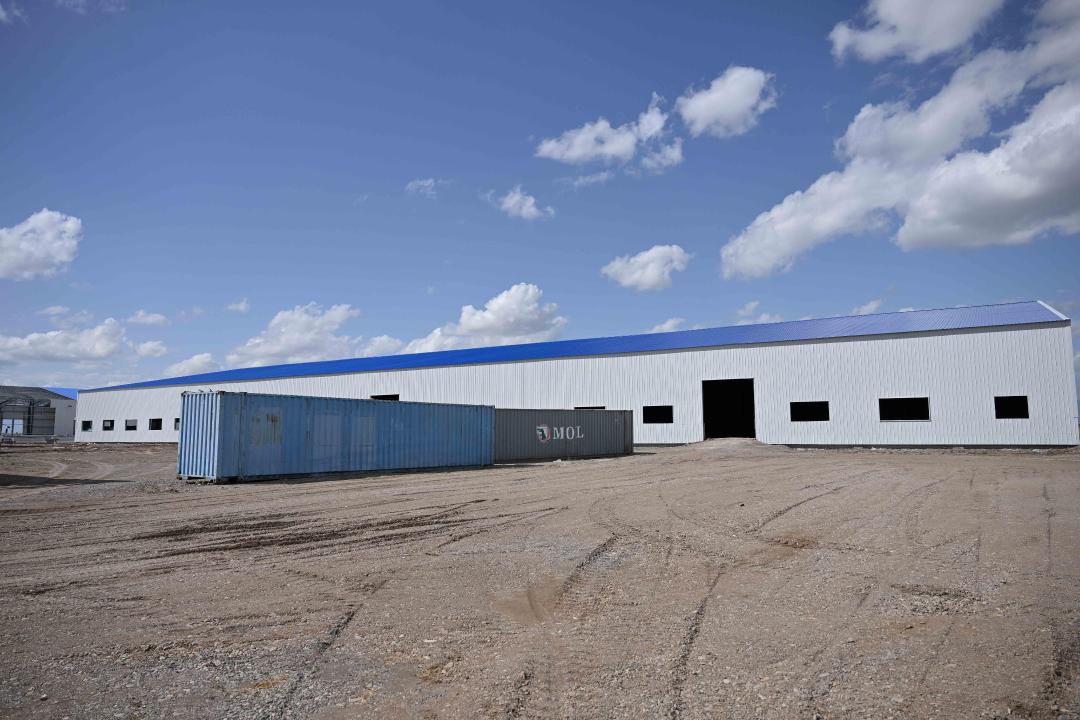

ASTANA, Kazakhstan, May 26. A new facility for processing oilseeds and producing refined sunflower oil is under construction in the village of Makanchi, located in the Abai Region of Kazakhstan, Trend reports via the Akimat (regional administration) of the Abai Region.
According to the information, once fully operational, the plant will produce up to 1,000 tons of refined sunflower oil per year. The project will create 120 new jobs. Currently, construction and installation works are underway at the site. The project is scheduled for full completion by December 2027.
During a working trip to the district, the Akim (Governor) of the region, Berik Uali, reviewed the progress of the oil processing plant's construction. He emphasized the importance of the project for the region.
"The oil plant under construction in the village of Makanchi will become an important industrial enterprise not only for the district but for the region as a whole. It enables deep processing of agricultural products. Most importantly, new jobs will be created, and local incomes will increase. Therefore, this project must be completed on time. We support citizens who work on their native land and invest in the region. The Akimat will provide appropriate assistance," said Uali.
During the trip, the regional head also inspected the ongoing renovation of Victory Park in the village of Makanchi. Currently, ceramic tiles are being laid, and pedestrian walkways and lighting systems are being upgraded.
Moreover, renovation work is also underway in Kabanbai Park in the district center. Funding for the modernization of both recreational areas has been allocated from the regional budget. The renovations are expected to be completed in July.
"Makanchi is a district located far from the regional center. I am well aware of the current issues in this border area. Major projects are being implemented in the district this year. We will continue our efforts in this direction," said the governor.
The aggregate expenditure for the initiative amounts to eight billion tenge (approximately $16 million), with three billion tenge (around $6 million) sourced from the investors' proprietary capital.



