


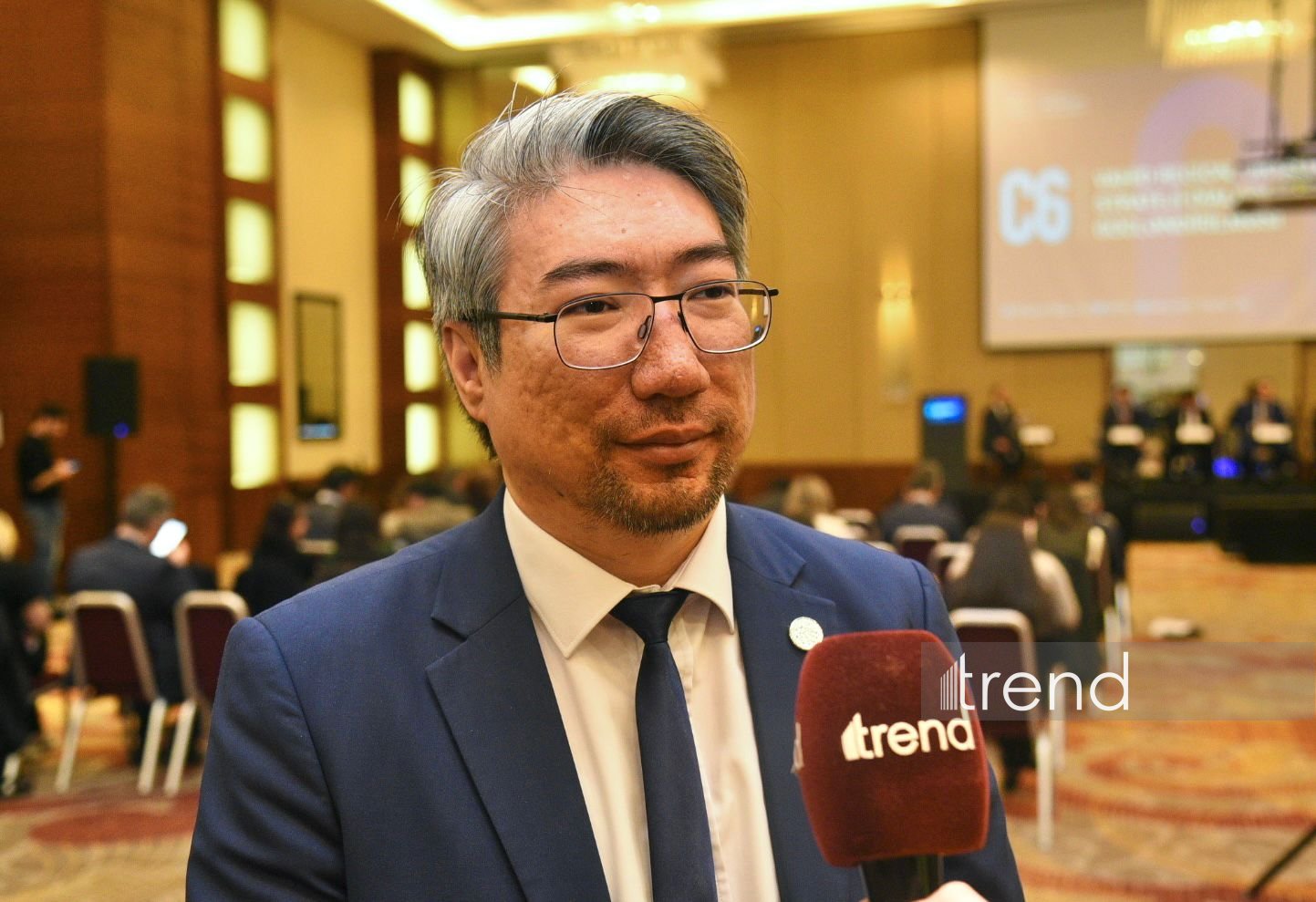
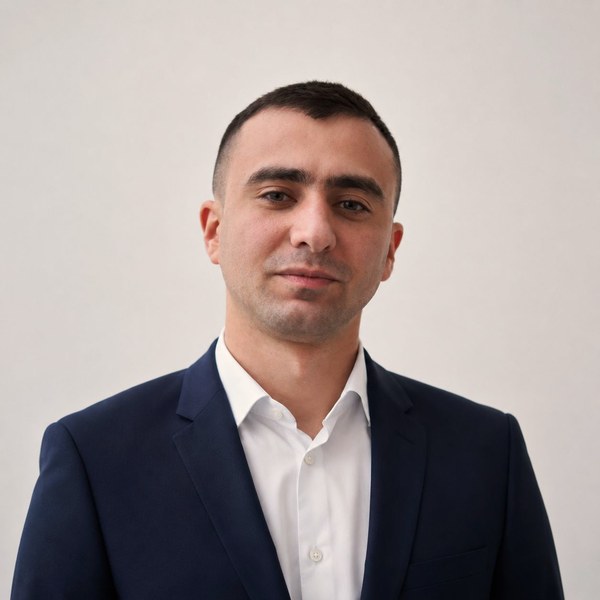
BAKU, Azerbaijan, February 18. The C6 format opens up new opportunities for Central Asian countries to trade with the West, said Temirlan Razbaev, Chief Expert of the Department of Analytics and Coordination at the National Institute for Strategic Initiatives under the President of the Kyrgyz Republic, on the sidelines of the international conference titled “C6: One Region, Common Future – Strengthening Strategic Dialogue,” held today in Baku, Trend reports.
According to him, the history of Azerbaijan and the Central Asian countries has always been interconnected, and all the countries were, to one degree or another, linked to the Great Silk Road.
“The C5 format was logically justified as a tool for strengthening regional cooperation. Today, Azerbaijan has joined this format, transforming it into C6. This is an absolutely logical continuation of historical logic. Central Asia is gradually moving beyond the limits of its geography. If C5 was previously confined to geographical boundaries, the C6 format makes it possible to return to historical routes, including trade routes,” he said.
Razbaev noted that such an approach also contributes to strengthening friendship between peoples: new tourist routes are being created, flights are being launched, and trade turnover is increasing.
“Cultural identity also plays a key role: we are all Turkic-speaking states, and we share much in common. The C6 format will help accelerate integration processes and strengthen mutual understanding. It is not only about common political positions and views, but also about the development of international law and national institutions,” he noted.
Razbaev added that joint analytical research helps better understand each other’s interests and prepare reforms.
“Now is a historically favorable moment for jointly shaping a common agenda. Countries have always supported such initiatives, and business, trade, and investment will be the first areas where shared interests will manifest themselves. Culture and tourism logically follow the economy, which further strengthens regional cooperation. This will undoubtedly have a positive impact on building consensus and cooperation not only within the region but also with other countries,” he concluded.



