


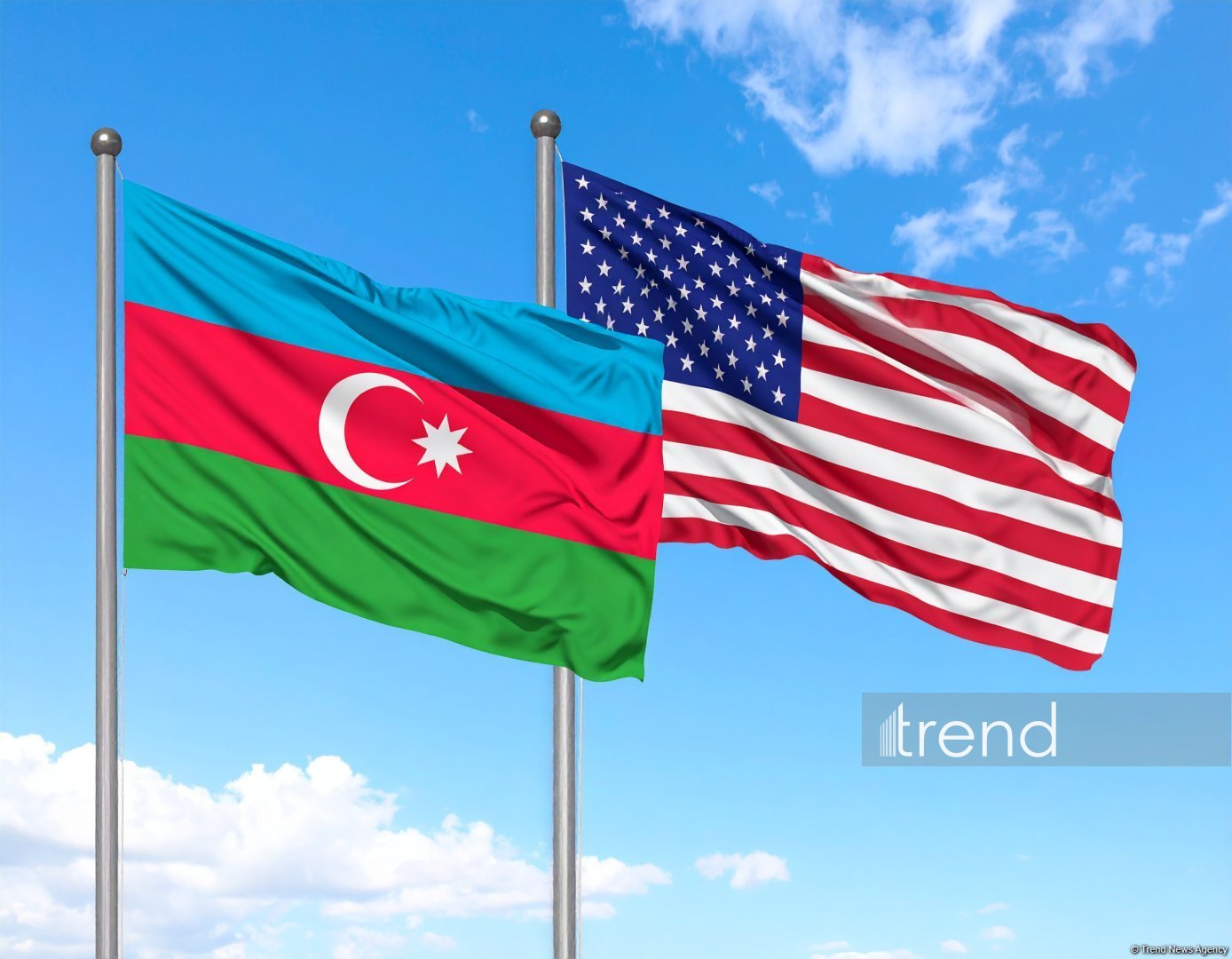

BAKU, Azerbaijan, February 24. The ties between Azerbaijan and the United States have blossomed over the past thirty years, growing from mere diplomatic niceties into a robust economic alliance. Initially rooted in energy projects, the collaboration has evolved into a complex, multifaceted economic platform. Today, the bond between Baku and Washington is gauged not just by trade figures and investment numbers but also by a strategic economic partnership that resonates both regionally and globally.
The foundation of Azerbaijan-U.S. economic relations was laid with the signing of the Contract of the Century in 1994. As one of the largest post-Soviet energy agreements, the contract facilitated Azerbaijan’s integration into the global economic system. The participation of multinational energy giants such as ExxonMobil and bp brought not only capital but also technology, management expertise, and access to international markets. This collaboration model later influenced economic cooperation in other sectors.
Azerbaijan is currently exporting natural gas to 16 countries, establishing itself as a pivotal player in European energy security via the Southern Gas Corridor. This holds strategic importance for the U.S. in broadening the energy sources available to allied nations. Energy security stands as a fundamental pillar of global stability, with Azerbaijan emerging as a trusted supplier.
The collaboration is embarking on an exciting new chapter, the “green transition.” Azerbaijan is taking significant strides in enhancing its wind energy capacity in the Caspian region while also tapping into the vast solar potential throughout the nation. Future plans aim to incorporate seven to eight gigawatts of renewable energy capacity in the upcoming years, enhance the domestic energy balance, and release extra volumes of gas for export. The expertise of U.S. companies in green energy, energy storage, and grid management is poised to be pivotal in this transformation, redirecting the emphasis of energy cooperation from mere production to a focus on technology and sustainability.
Statistics for 2025 demonstrate that economic ties rest on concrete foundations. Trade turnover between the two countries reached $1.55 billion last year, placing the U.S. among Azerbaijan’s top trading partners and accounting for 3.15% of total trade. Imports from the U.S., worth $1.49 billion, mainly consisted of high-tech, industrial equipment, and innovative solutions, while Azerbaijani exports to the U.S. totaled $61.8 million. These figures reflect Azerbaijan’s industrial and infrastructure modernization running in parallel with U.S. technologies.
In the meantime, the expansion of Azerbaijan’s non-oil sector is opening up fresh avenues for exports. Industrial parks, agro-processing enterprises, and chemical and metallurgical industries are producing more competitive products. While the U.S. market maintains high-quality standards, access to it strengthens the global positioning of Azerbaijani producers. Overall foreign trade turnover reaching $49.4 billion illustrates Azerbaijan’s active participation in the global economic system.
Investment flows further underscore the partnership’s new quality. In the first nine months of 2025, Azerbaijan received more than $133 million in direct investment from the U.S., marking a 30 percent increase compared to the previous year. Meanwhile, Azerbaijani investments in the U.S. reached $117 million, a 2.5-fold increase. This reciprocal capital movement reflects the equal footing of the partnership.
In February 2026, the signing of the Strategic Partnership Charter by President Ilham Aliyev and U.S. Vice President J. D. Vance outlined new directions for economic cooperation. The charter highlights logistics, innovation, digital transformation, and industrial cooperation, signaling that bilateral ties are now oriented toward shaping the future economic architecture rather than solely existing projects.
Commenting on the new phase, Caleb Orr, U.S. State Department Deputy Assistant Secretary for Economic, Energy, and Business Affairs, told Trend that over 200 U.S. companies currently operate in Azerbaijan, with Washington seeking to expand bilateral trade.
“The main areas for deepening economic cooperation include energy investments, development of regional connectivity infrastructure, partnership in artificial intelligence, and strengthening digital infrastructure,” Orr said.
He added that the U.S. is looking into ways to bolster Azerbaijan’s position as a regional digital hub, while the advancement of the Trans-Caspian route could change the game for trade across Eurasia. In logistics and transport, Azerbaijan is becoming a key transit hub, with the Trans-Caspian International Transport Route/Middle Corridor offering an alternative and more flexible route between China and Europe. These initiatives are significant for diversifying global supply chains. Additionally, the TRIPP initiative strengthens regional connectivity and promotes economic integration in the South Caucasus, providing the U.S. with opportunities to establish a sustainable and reliable logistics network in Eurasia.
The collaboration in the digital economy has become a fundamental element of the partnership. Azerbaijan's digital transformation is being bolstered by the support of U.S. innovation ecosystems and technology companies. Companies like Visa are ramping up their efforts in fintech and electronic payment systems, significantly boosting the cashless economy's share. The synergy of artificial intelligence, big data, and data centers harnesses Azerbaijan’s energy potential alongside its technological capabilities, paving the way for a groundbreaking economic model.
This partnership casts a wider net, reaping greater rewards on the global stage. For Europe, Azerbaijan is a reliable energy and transit partner. For Central Asian countries, it provides access to Western markets. For the U.S., having a stable, open-market partner in the South Caucasus is strategically important. This model of cooperation strengthens regional stability through economic integration.
To wrap things up, Azerbaijan-U.S. economic relations have taken a turn, moving past the usual energy partnership. The shift to green energy, the broadening of transport and logistics networks, the wave of digital transformation, the rise of artificial intelligence, and mutual investments signify a significant step forward in bilateral relations. A partnership that began on oil platforms three decades ago now continues on innovation and technology platforms, reflecting a strategic vision aimed at shaping the future economic architecture of both countries.
Stay up-to-date with more news on Trend News Agency's WhatsApp channel



