



BAKU, Azerbaijan, December 29. The Interconnector Greece-Bulgaria (IGB) has significantly reduced emissions in 2024, Trend reports via the ICGB, the pipeline operator.
“ICGB’s latest greenhouse gas inventory shows a significant
reduction in emissions in 2024 compared to 2023 - from nearly
13,800 tonnes of CO₂ equivalent to around 3,700 tonnes. The
improvement reflects the company’s transition from a
construction-intensive phase to full operational mode, which
naturally lowers emissions from materials, transport, and
construction activities,” the company said.
In 2024, most of ICGB’s remaining carbon footprint comes from
day-to-day operations such as electricity use, business travel, and
maintenance - areas where we continue to look for new efficiencies
and sustainable practices.
The inventory was prepared in line with leading international
standards and EU regulations, and forms part of ICGB’s strong
commitment to transparency and environmental responsibility.
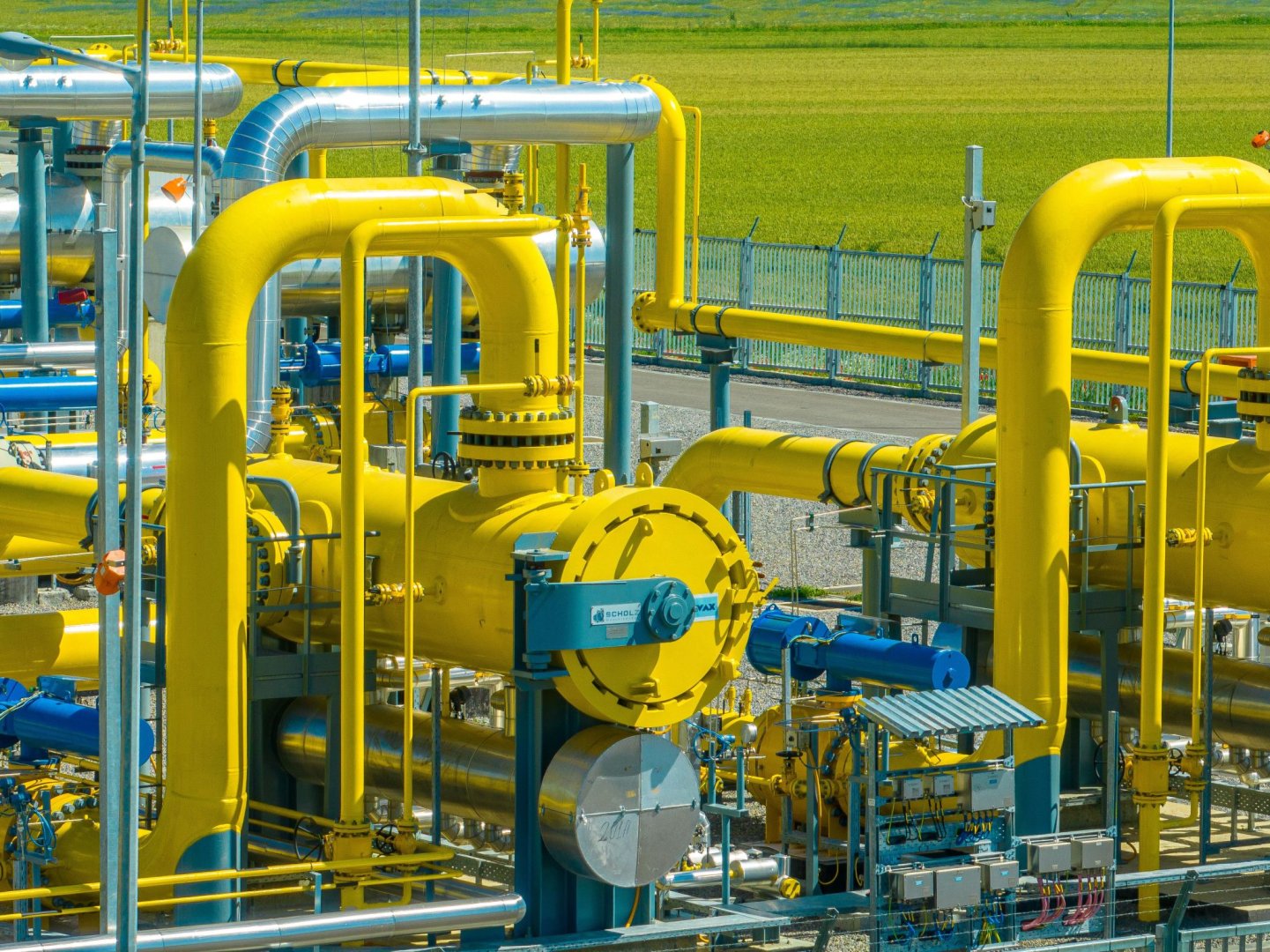
The IGB gas pipeline connects with the Greek national gas transmission system (DESFA S.A.) and the Trans-Adriatic gas pipeline (TAP AG) in the area of Komotini (Greece), and with the Bulgarian gas transmission system (Bulgartransgaz EAD) in the area of Stara Zagora.
The total length of the gas pipeline is 182 km, the diameter of the pipe - 32'' - and a design capacity of up to 3 billion m3/year in the direction Greece - Bulgaria. Depending on the market interest for larger capacity and the possibilities of the neighboring gas transmission systems, the capacity of IGB is designed with the option for increase up to 5 billion m3/year.



