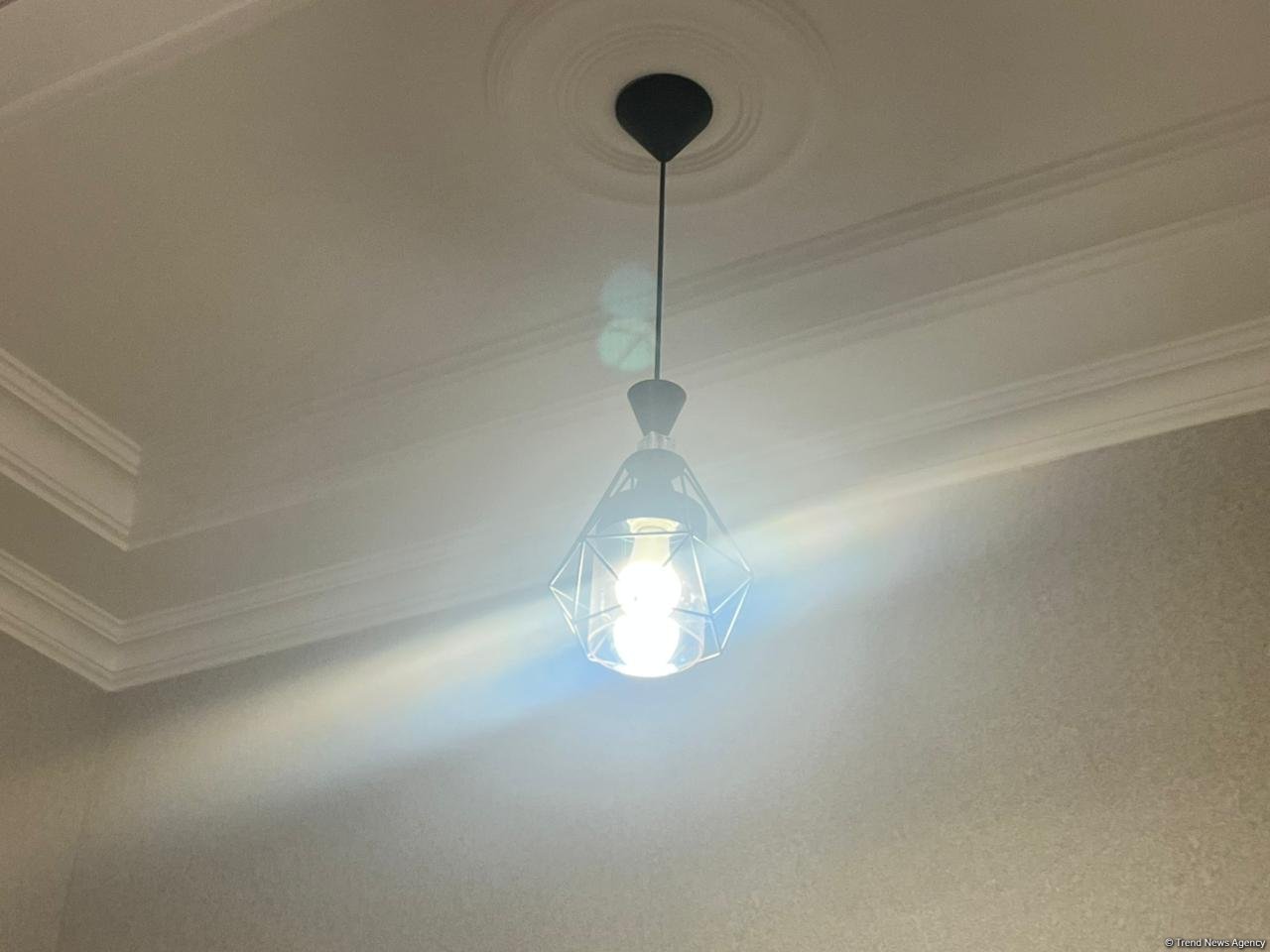
BAKU, Azerbaijan, January 5. In line with the
country’s energy efficiency policy, the use of LED lamps is
steadily expanding across Azerbaijan, Trend reports via the Ministry of Energy.
According to the ministry, amendments to the “On Efficient Use
of Energy Resources and Energy Efficiency” law aim to gradually
phase out incandescent lamps to boost energy efficiency. Starting
January 1, 2026, the production, import, and sale of incandescent
lamps with a power of 60 watts and above will be prohibited,
followed by a ban on lamps between 25 and 60 watts from July 1,
2026. Industrial lamps used for manufacturing processes or
non-lighting technological functions are exempt from the ban.
Calculations show that LED lamps really take the cake when it
comes to saving energy and keeping the wallet happy compared to
their incandescent counterparts. A single LED lamp with a lifespan
of 15,000 hours can replace 17 incandescent lamps of 1,000 hours
each while providing the same light output at just 7 watts compared
to 60 watts for an incandescent lamp. This reduces total lighting
costs from 82.2 manat ($48.3) for incandescent lamps to 14.4 manat
($8.47) for an LED lamp.
Phasing out one million 60-watt incandescent lamps would consume
131.4 million kWh of electricity annually, requiring 29.1 million
cubic meters of natural gas and producing 63,600 tons of carbon
emissions. Switching to the same number of LED lamps reduces
electricity use, fuel consumption, and carbon emissions by 8.6
times. Currently, 50% of Azerbaijan’s 2.7 million household
subscribers have replaced incandescent lamps with LEDs, potentially
cutting daily electricity use from 4.86 million kWh to 567,000
kWh.
LED lamps also offer lower flicker levels (1%) for better eye
health, do not contain mercury or other toxic substances, emit less
heat, have longer lifespans, and are more resistant to voltage
fluctuations.
The phased removal of incandescent lamps and the transition to
LED technology support energy efficiency, reduce consumer costs,
minimize environmental impact, and foster a culture of sustainable
energy consumption. Citizens and businesses are encouraged to adopt
energy-efficient lighting solutions.