


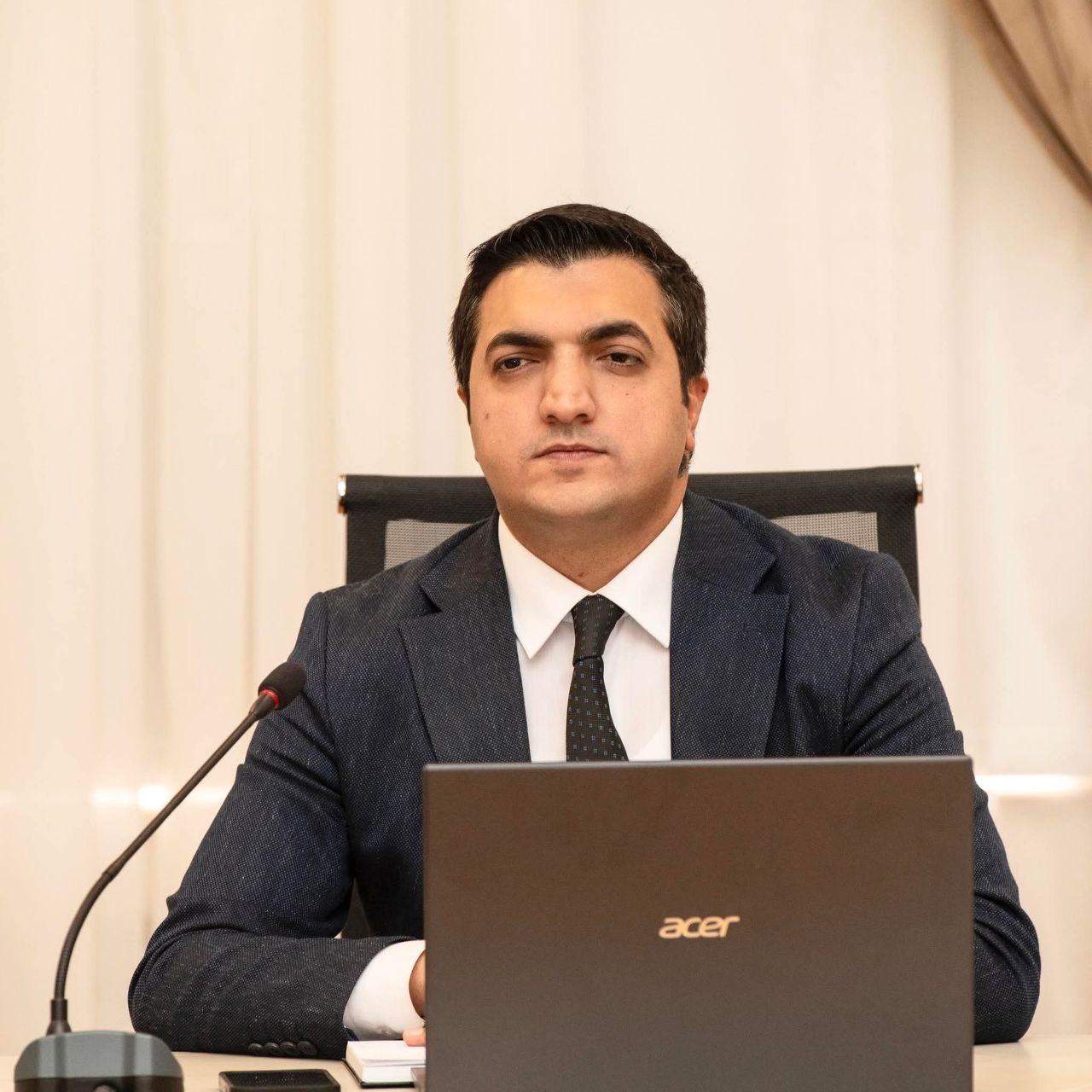

BAKU, Azerbaijan, December 11. Efforts to transform Azerbaijan’s liberated territories into a thriving green energy zone are moving forward with remarkable momentum, Kamal Hajiyev, Head of the Press Service of the State Agency for Renewable Energy Sources under the Ministry of Energy, told reporters, Trend reports.
Speaking at a conference at Garabagh University titled "Green Energy Zones: Conceptual Approaches, Preliminary Results, and Challenges," Hajiyev noted that these initiatives are being actively implemented.
The official highlighted that President Ilham Aliyev had officially designated the liberated territories as a Green Energy Zone.
"Following the presidential decree of May 3, 2021, an international consulting firm was engaged to assist in the creation of this 'green energy' zone. In collaboration with Japan’s TEPSCO, a Concept document was developed," he stated.
Hajiyev further elaborated that the objective of the Concept is to harness the region’s vast renewable energy potential to generate ecologically clean power and establish the Green Energy Zone.
"To realize this Concept, the Cabinet of Ministers approved the 'Action Plan for the Creation of a Green Energy Zone in the Liberated Territories of Azerbaijan for 2022–2026' under Decree No. 357. This plan encompasses a comprehensive range of initiatives, including the development of energy infrastructure, the generation of electricity from renewable sources, enhancements in energy efficiency, promotion of public-private partnerships, encouragement of local content, integration of green technologies, and tariff regulation," he continued. These actions are fully integrated into the First State Program on the Great Return, as outlined in Presidential Decree No. 3587.
The awareness event in Khankendi was organized to underscore the region's renewable energy potential, showcase ongoing projects, and provide the public with insights into the opportunities ahead. The event stressed the importance of collaborative efforts between government agencies, the private sector, and local communities to meet sustainable development goals, with expectations for expanded cooperation in the next phase.
The Green Energy Zone initiative includes electricity production from renewable sources, energy efficiency measures, use of electric transport, installation of solar panels on building roofs, solar-powered LED street lighting, renewable energy solutions for heating, cooling, and hot water, smart energy management technologies, and waste-to-energy management.



