


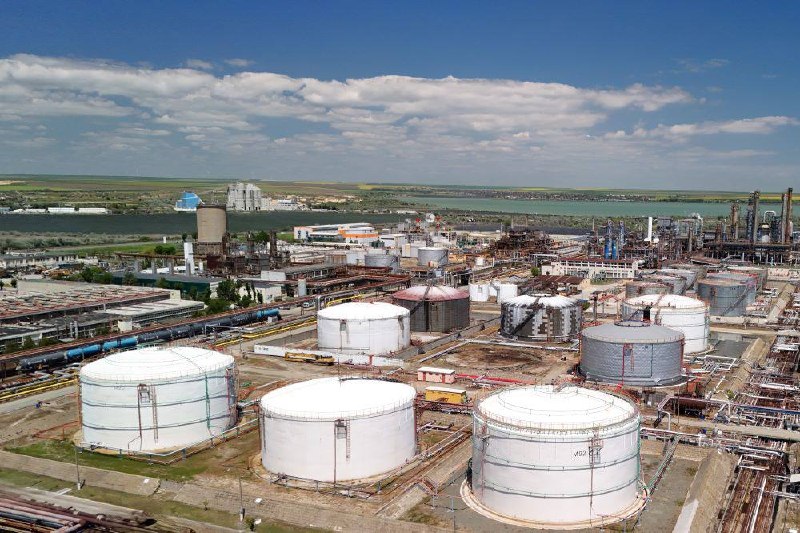

BAKU, Azerbaijan, September 16. Kazakhstan's KazMunayGas (KMG) has begun a phased transition at its oil refineries to the production of interseasonal diesel fuel ahead of the autumn season.
This was stated in a press statement issued by KazMunayGas following a meeting of representatives of major filling station networks, chaired by Deputy Chairman Asset Magauov, which focused on enhancing transparency and coordinating the activities of fuel market participants.
"The transition is driven by the seasonal decline in temperatures in Kazakhstan. To maintain production volumes and ensure the required low-temperature properties of the fuel, the refineries are using modern depressant-dispersant additives, including domestically produced additives based on European components", KMG said.
The Atyrau Refinery began the transition on September 10, bringing the cold filter plugging point to minus 5-7 degrees Celsius. By October 1, the refinery is expected to reach minus 15-17 degrees Celsius.
The Shymkent Refinery will begin producing interseasonal diesel fuel with a cold filter plugging point of minus 5-7 degrees Celsius on September 20. From October 1, it will activate its dewaxing reactor and also reach minus 15-17 degrees Celsius.
The Pavlodar Petrochemical Plant will switch to interseasonal diesel fuel production on October 1, immediately reaching a cold filter plugging point of minus 15-17 degrees Celsius, taking local climate conditions into account.
All three refineries will produce interseasonal diesel fuel of the DT-E-K4 grade.
KMG said product quality is controlled in accordance with GOST 32511-2013 and Technical Regulation of the Customs Union TR CU 013/2011. All additives undergo multistage laboratory testing and are stable during storage and safe for engines.
According to the company, under the technical regulation, information on any additives used in the fuel must be included in the quality certificate for each batch, regardless of where the additives were introduced.
If filling stations or third-party oil depots add their own additives to the fuel received, they must issue a new quality certificate for that batch rather than present the original refinery certificate, which specifies only the additives introduced during the refinery production process.



