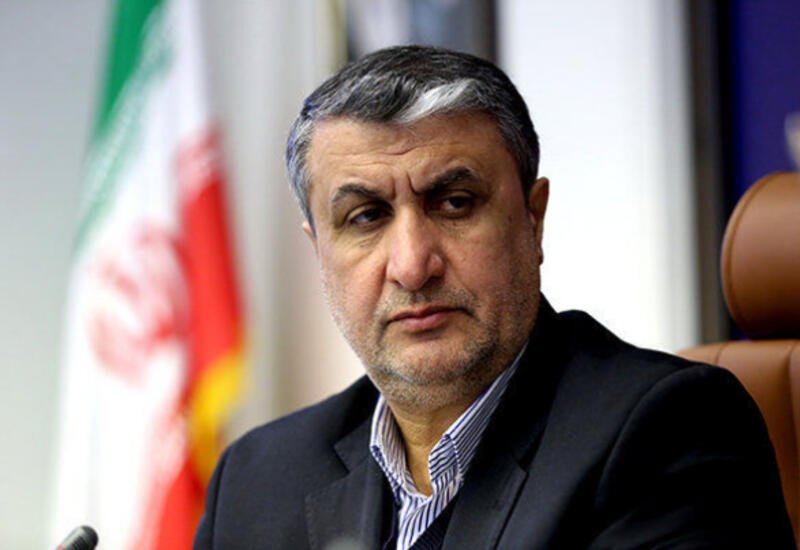
Furthermore, Eslami explained that this matter is intrinsically
linked to the lifting of sanctions.
Eslami further clarified that, with regard to the removal of
enriched uranium from Iran, this topic has not been raised in the
current negotiations between Iran and the U.S. While some countries
may have proposed it as a means to facilitate the discussions, it
has not been officially addressed in the ongoing talks.
The vice president also emphasized that while there is an
established relationship between Iran and the International Atomic
Energy Agency (IAEA), the IAEA has not yet made any determination
concerning the possibility of a military strike on Iran's nuclear
facilities. He reiterated that, in accordance with IAEA
regulations, Iran's rights must be upheld, and the agency is
obligated to support Iran, as well as all other nations, in
utilizing nuclear technology exclusively for peaceful purposes.
On February 6, talks between Iran and the U.S. on the nuclear
program began in Muscat, the capital of Oman. The sides agreed to
continue the negotiations.
According to the IAEA report published in May 2025, Iran's
enriched uranium stockpile amounted to 9,247 kilograms, of which
408 kilograms have an enrichment level above 60%.
Stay up-to-date with more news on Trend News
Agency's WhatsApp channel