


Special Report by Trend (International News Agency) from Morocco
There are topics about which it seems impossible to say anything new. Smoking is one of them. Over the past few decades, governments around the world have done just about everything they deemed necessary: raised excise taxes, restricted advertising, banned smoking in public places, and required manufacturers to print health warnings on cigarette packs. However, despite all these measures, there are still more than a billion smokers worldwide today.
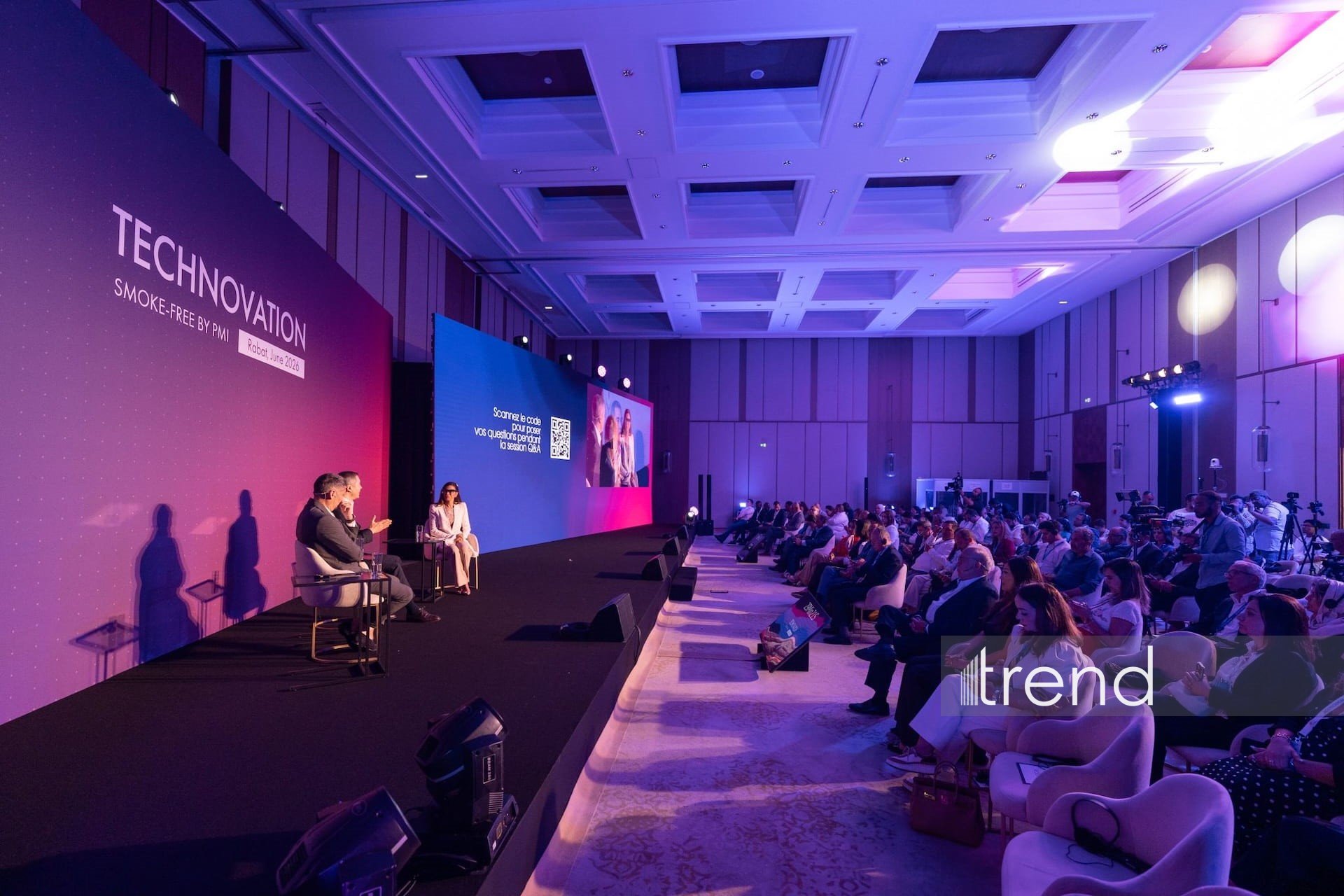
It was this very figure that effectively kicked off the discussion at the Technovation Smoke-Free international conference, held in Rabat, the capital of Morocco. Contrary to expectations, the conference was not so much devoted to criticizing smoking — no one here disputed that cigarettes cause serious harm to health — as it was to finding an answer to another question.
If millions of adults continue to smoke despite all the restrictions and warnings, can modern science offer additional ways to reduce the risks for those who do not want to quit smoking entirely?
It was precisely this idea that formed the basis for the presentations by scientists, doctors, public health experts, government officials, and journalists who had traveled to Rabat from various countries.
In his opening remarks, Tommaso Di Giovanni, Vice President Communications & Engagement at Philip Morris. International (PMI) noted that the concept of harm reduction is by no means a recent development. According to him, as early as 1997, international public health organizations were already discussing the need to explore any possibilities for reducing the toxicity of tobacco products. A few years later, the U.S. Institute of Medicine published a landmark report titled “Clearing the Smoke,” which provided a detailed analysis of the scientific basis for tobacco harm reduction strategies.
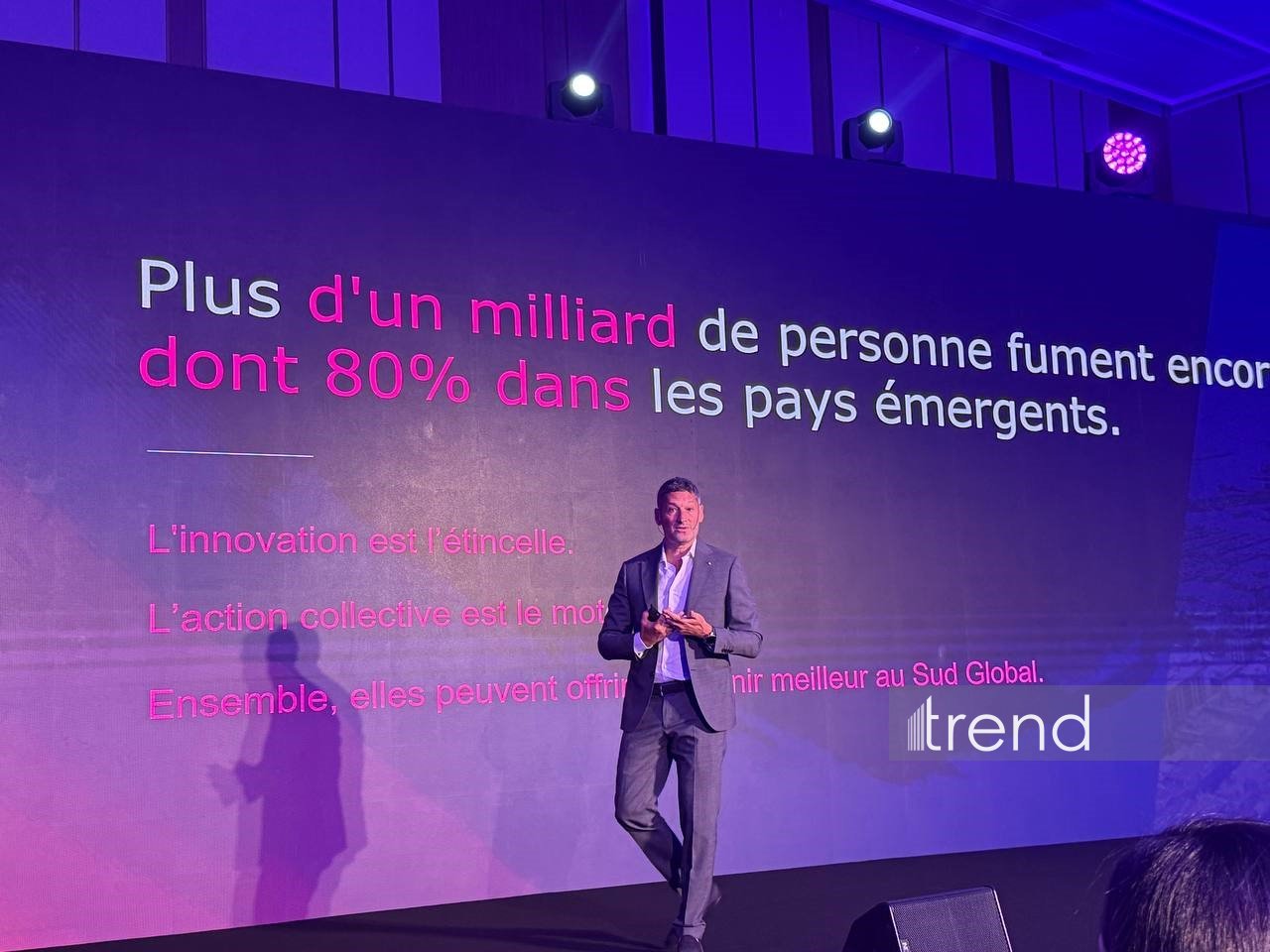
Di Giovanni emphasized that a vast body of scientific research has accumulated since then, and technology has changed significantly. According to him, innovations almost always follow the same path: first, they are met with skepticism; then they become the subject of scientific debate; and years later, they receive an objective assessment based on accumulated evidence. He believes that smoke-free alternatives to traditional cigarettes are currently going through precisely this stage.
At the same time, as conference participants repeatedly noted, this is by no means a search for a “safe cigarette.” The main objective is to use science and technology to reduce the exposure to the most dangerous substances produced by burning tobacco for those adult smokers who continue to use cigarettes.
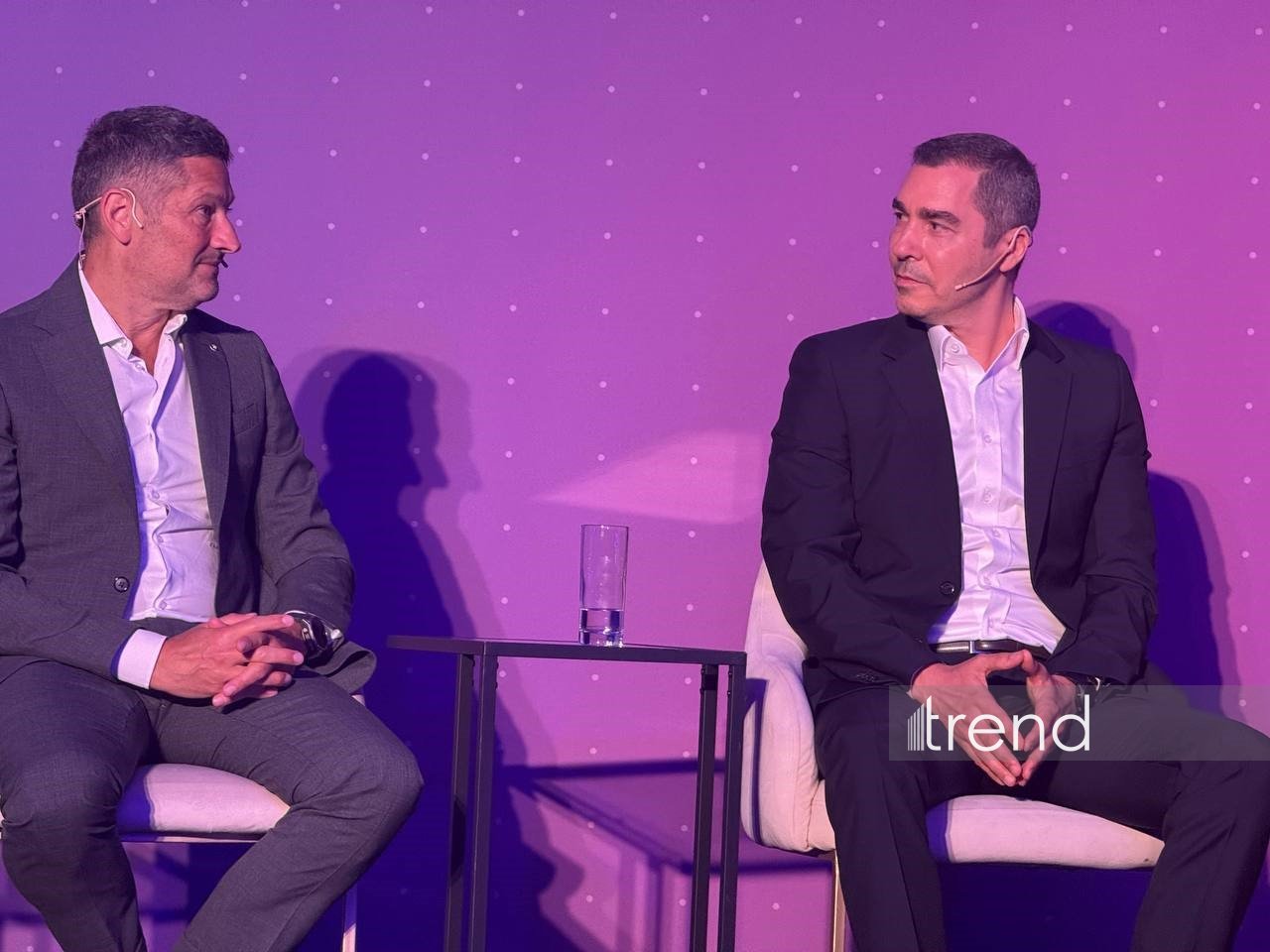
This topic was further explored during one of the conference’s key discussions, the panel titled “From a Bold Vision to Tangible Results.” PMI’s Managing Director and General Manager in Morocco, Taylan Süer, spoke less about technology and more about the conditions without which any innovation would be unable to make a difference.
However, perhaps the most substantive discussion in Rabat centered on nicotine. It was this topic that prompted the most questions from conference participants.
One of the keynote speakers was David Khayat, a renowned French
oncologist and professor at Pierre and Marie Curie University. He
immediately proposed distinguishing between two concepts that are
often perceived as one and the same in the public consciousness:
nicotine and the effects of tobacco combustion.
According to the professor, current scientific data indicate that
the primary health risk comes from the toxic substances produced
during the combustion of tobacco. These substances contain
thousands of chemical compounds, including dozens of carcinogens,
which are the cause of most smoking-related cancers and
cardiovascular diseases.
“Very often, people believe that nicotine itself causes cancer. However, scientific research shows that the main problem lies not in nicotine itself, but in the products of tobacco combustion,” Khayat noted.
At the same time, the professor deliberately returned several times to an idea that could be called the main thesis of his presentation. The best choice remains quitting smoking entirely. However, medicine must take real life into account, not just ideal scenarios.
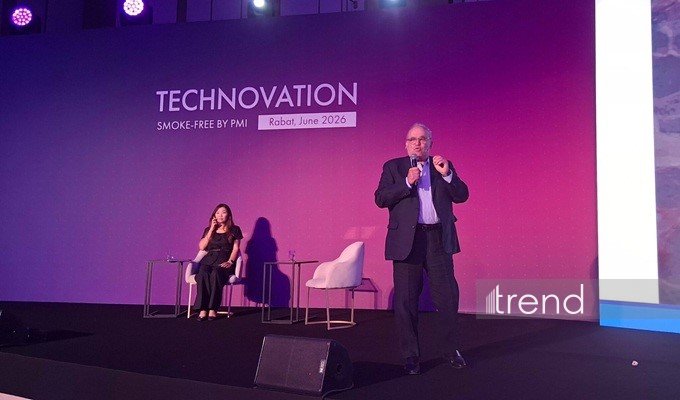
“We know that many people don’t quit smoking. Moreover, some patients continue to smoke even after being diagnosed with cancer. We cannot ignore this fact. Therefore, public health authorities must seek solutions for this group of people as well,” he emphasized.
According to Khayat, health policy should be based first and foremost on scientific evidence, rather than on emotional perceptions of the problem or entrenched stereotypes. That is precisely why the professor believes research into harm reduction deserves serious attention from the medical community.
Another notable presentation was given by Tomoko Iida, PMI’s Director of Scientific Engagement for Southern/Southeast Asia. She spoke about how the company’s philosophy itself has changed in recent years.
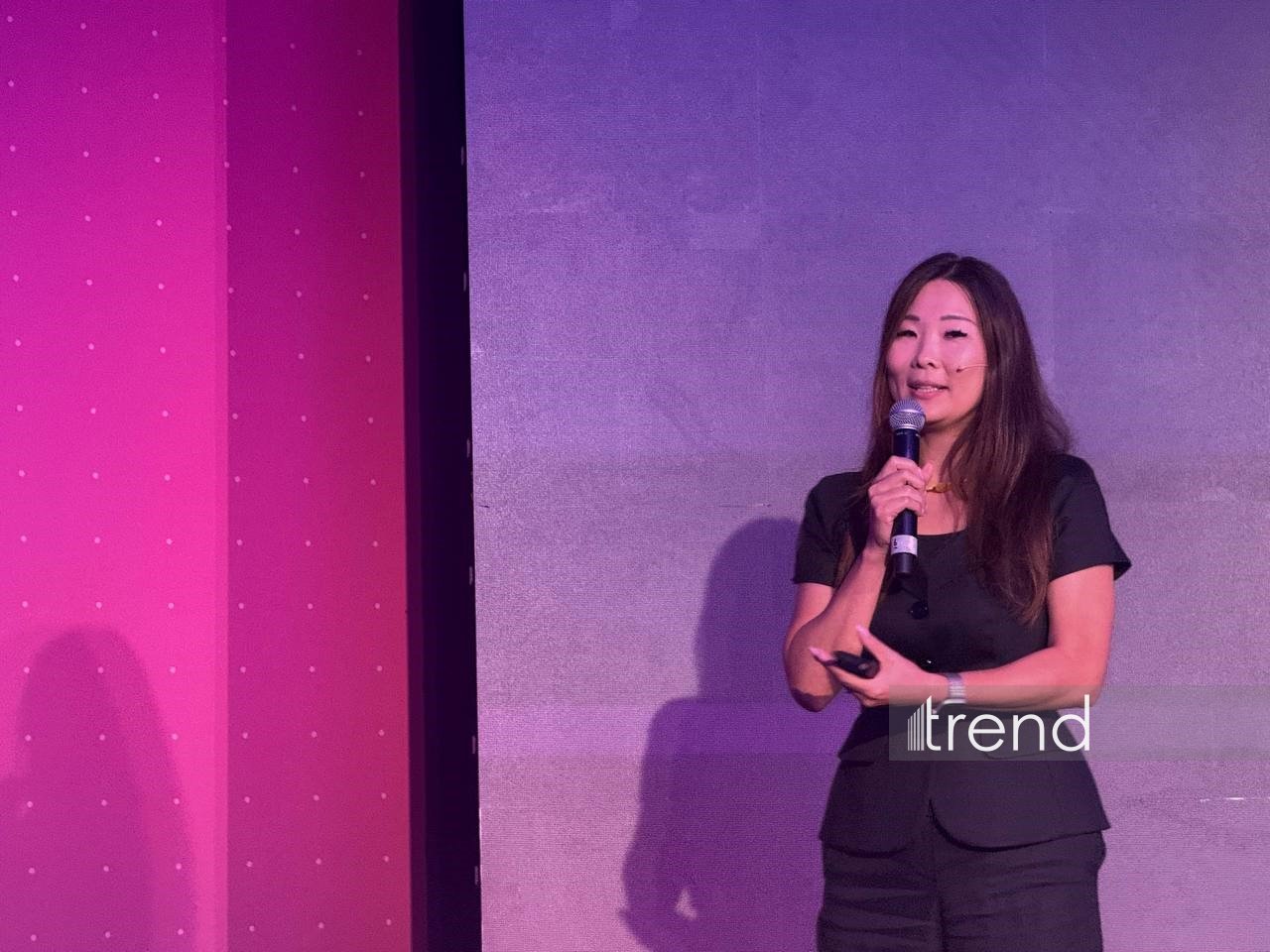
According to her, billions of dollars have been invested in research and development of smoke-free products, which are now available in more than 100 markets around the world. However, the main goal remains not the promotion of nicotine, but the gradual transition of adult smokers away from traditional cigarettes toward alternatives that, according to available research, are associated with lower exposure to harmful substances produced by burning tobacco.
Another topic that ran through many of the conference panels proved equally interesting: the role of Africa itself in shaping its own public health policies. Experts from Morocco, Tunisia, Senegal, and Libya noted that the continent is gradually moving away from the practice of mechanically copying foreign models. Increasingly, the focus is on original scientific research, domestic health statistics, and solutions tailored to the specific characteristics of individual countries. This idea extended far beyond the topic of smoking and, in fact, concerned the future of the entire healthcare system in Africa.
Perhaps this is precisely what set the conference in Rabat apart from most similar events. The focus here was not so much on specific products or technologies as on the role of science in government decision-making. Virtually every speaker, regardless of their profession or position, returned to the same idea: complex problems require complex solutions, and public health policy must be based first and foremost on scientific data and research findings.
Leaving Technovation, I found myself thinking that the main takeaway from these two days was not about individual statements or new statistics at all. Far more important is the sense that the global conversation on tobacco control is gradually changing. Today, experts are increasingly discussing not only prohibitions and restrictions, but also the possibilities offered by modern science, new technologies, and the search for solutions for those who remain outside the scope of traditional prevention methods. Only time will tell what the results of this discussion will be. But one thing is clear: the conversation about the future of public health is becoming significantly deeper and more complex than it was just a few years ago.



