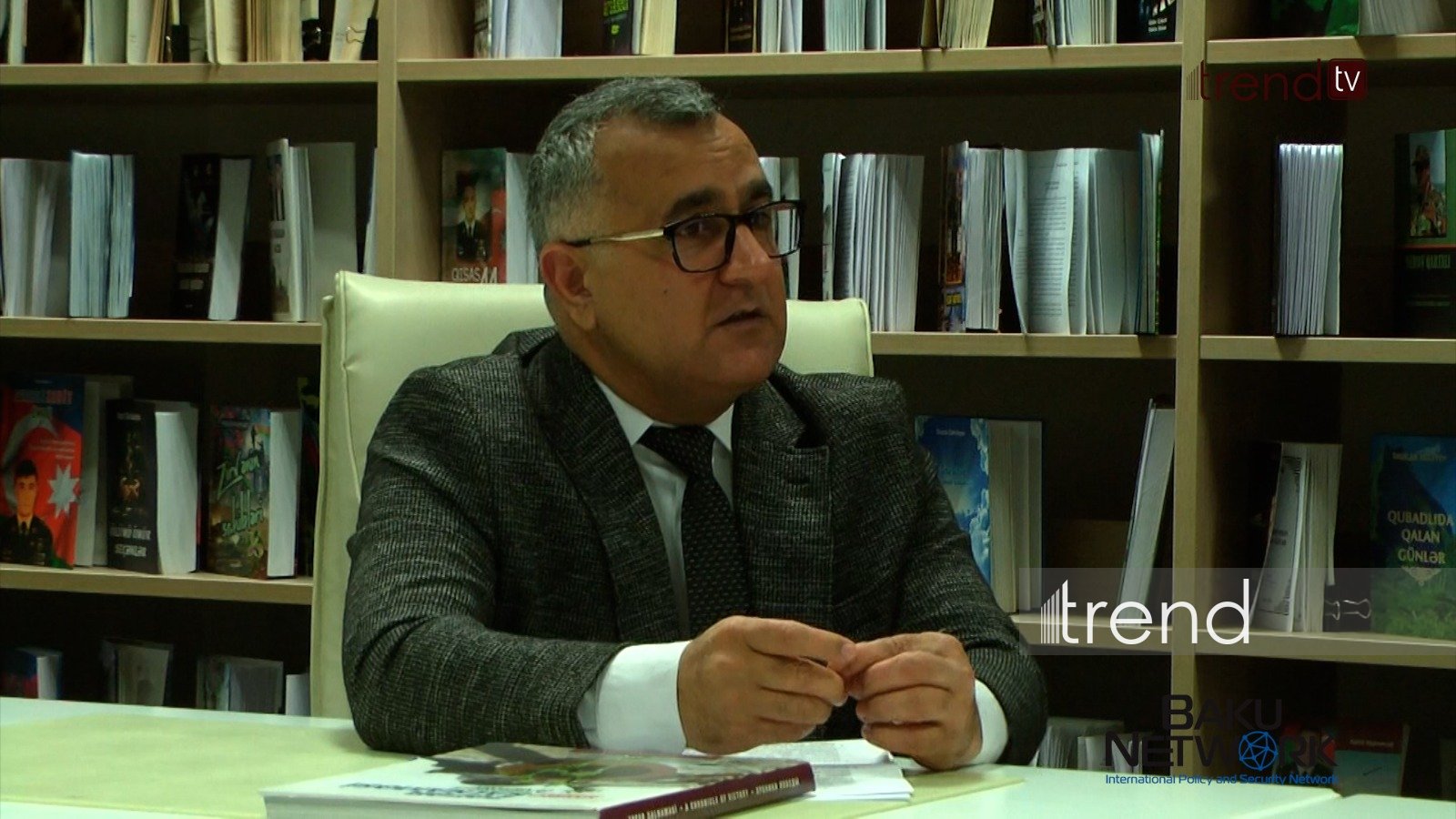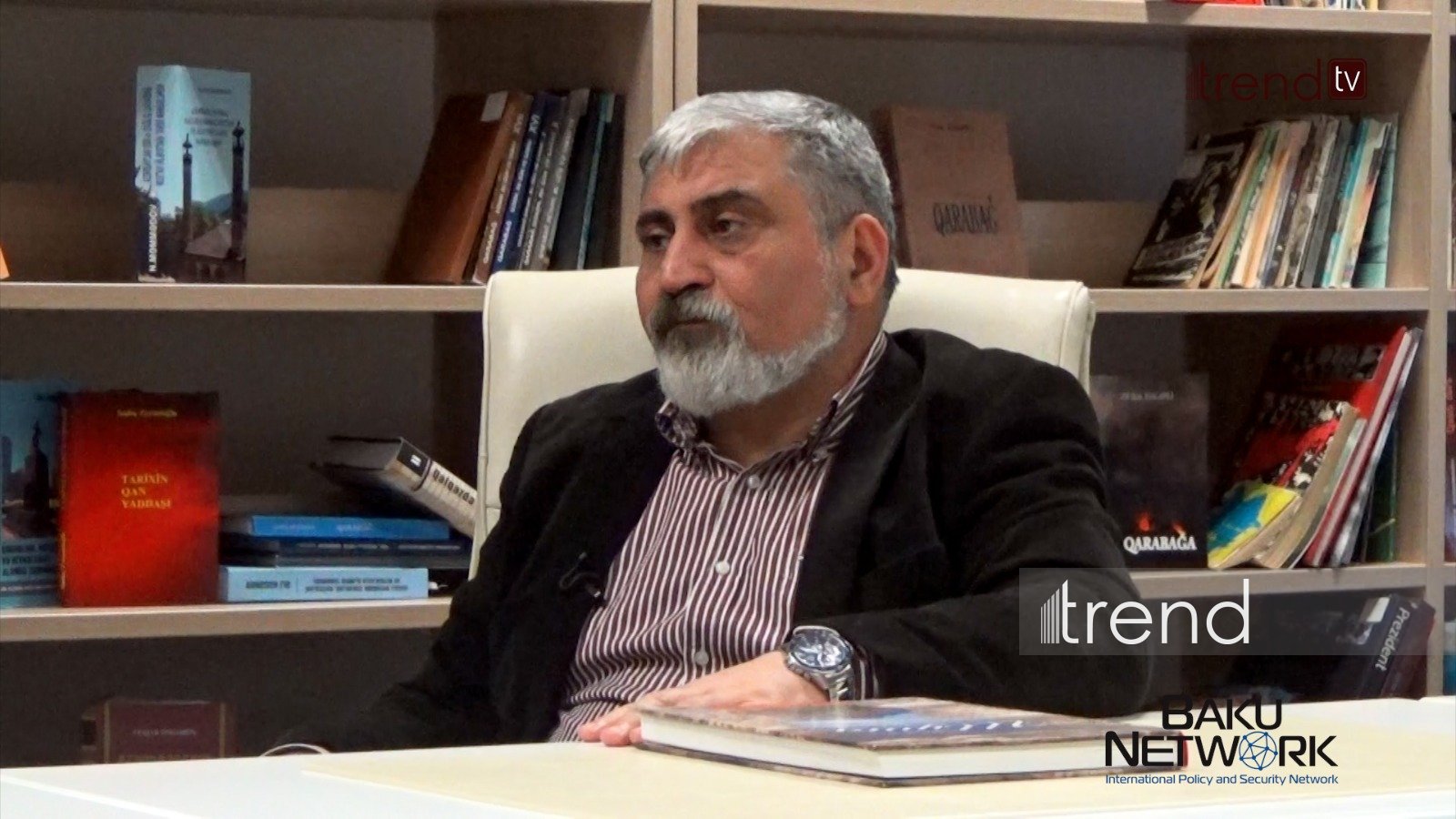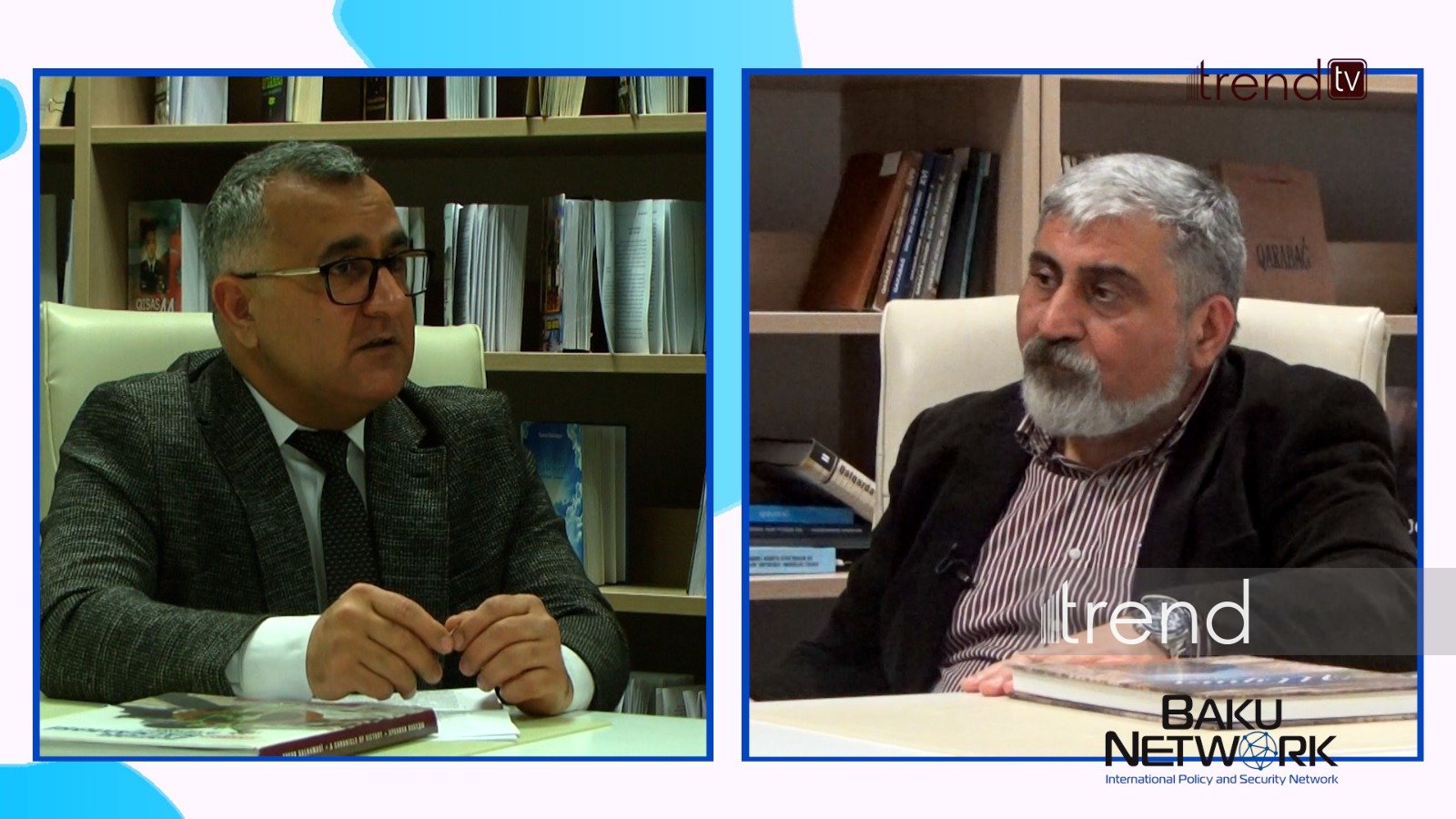

BAKU, Azerbaijan, December 8. The Baku Network expert platform rolled out the next part of the analytical video series "Dialogue with Tofig Abbasov," Trend reports.
The guest of the program was Chairman of the Board of the Mediation Council, Doctor of Philosophy in Law, and Associate Professor Nadir Adilov.
He spoke in detail about the dynamics of appeals and the real trends in this legal area.
According to Adilov, the law on mediation hands over to citizens some of the powers that were once kept back for the courts. Family and labor disputes are now being worked through the conciliation process, while civil and commercial disputes, although optional, are starting to pick up.
"The state gives people the chance to obtain the decision they would like to hear from a judge, but only by mutual agreement of the parties. It's only important that citizens are aware of their rights and understand the mechanism," he emphasized.
According to him, in the first three quarters of 2025, the mediation system received nearly 38,000 requests.
"The mainstream is family conflicts, followed by labor disputes. Voluntary civil and commercial cases are already creating a steady trend of trust. Of the total number of requests, more than 34,000 cases have already been concluded. However, almost half of these cases were cases where one party shied away from participating, leaving the mediator to work essentially unilaterally," the expert pointed out.
Adilov said that during the same period, the parties signed 620 conciliation agreements.
"Most of these agreements relate to family disputes, a significant share are labor cases, and the rest are commercial and civil conflicts," he explained.
According to Adilov, many long-standing conflicts stem from outdated traditions: twenty-year-old dowries, gold, and household items. All of this creates legal dead ends and draws dozens of relatives into the conflict. He sees a solution in a mandatory prenuptial agreement, which should become the norm when registering a marriage.
Adilov recalled that Azerbaijan co-founded the Union of Mediators of the Turkic World. Work is underway to join the Singapore Convention on Mediation, which will ensure the enforcement of agreements in cross-border commercial disputes.
"At the same time, a test launch of a digital mediation portal has been completed and is expected to become fully operational in the coming months. This will allow for online sessions and reduce the need for citizens to travel.
Mediators are trained through the Academy of Justice: basic and specialized courses, along with mandatory refresher courses every two years. Currently, approximately 400 mediators work in the system, but more than 300 have been expelled for failing to meet standards," he said.
According to Adilov, mediation has already become more than just a legal tool but a social mechanism that helps remove destructive conflicts from everyday life.
"We've come a long way, but there's still more to come. Only through the joint efforts of the media, the expert community, lawyers, and government agencies can we transform a potential conflict into an opportunity to reach an agreement," he concluded.
The Union of Mediators of the Turkic World (TDAB) serves as a comprehensive consortium dedicated to enhancing synergies among mediators across Turkic nations, including Türkiye, Azerbaijan, Kazakhstan, etc. Its mission is to elevate mediation as a viable alternative dispute resolution (ADR) mechanism, with the objective of establishing a prestigious, internationally acknowledged mediation framework.
Stay up-to-date with more news on Trend News Agency's WhatsApp channel