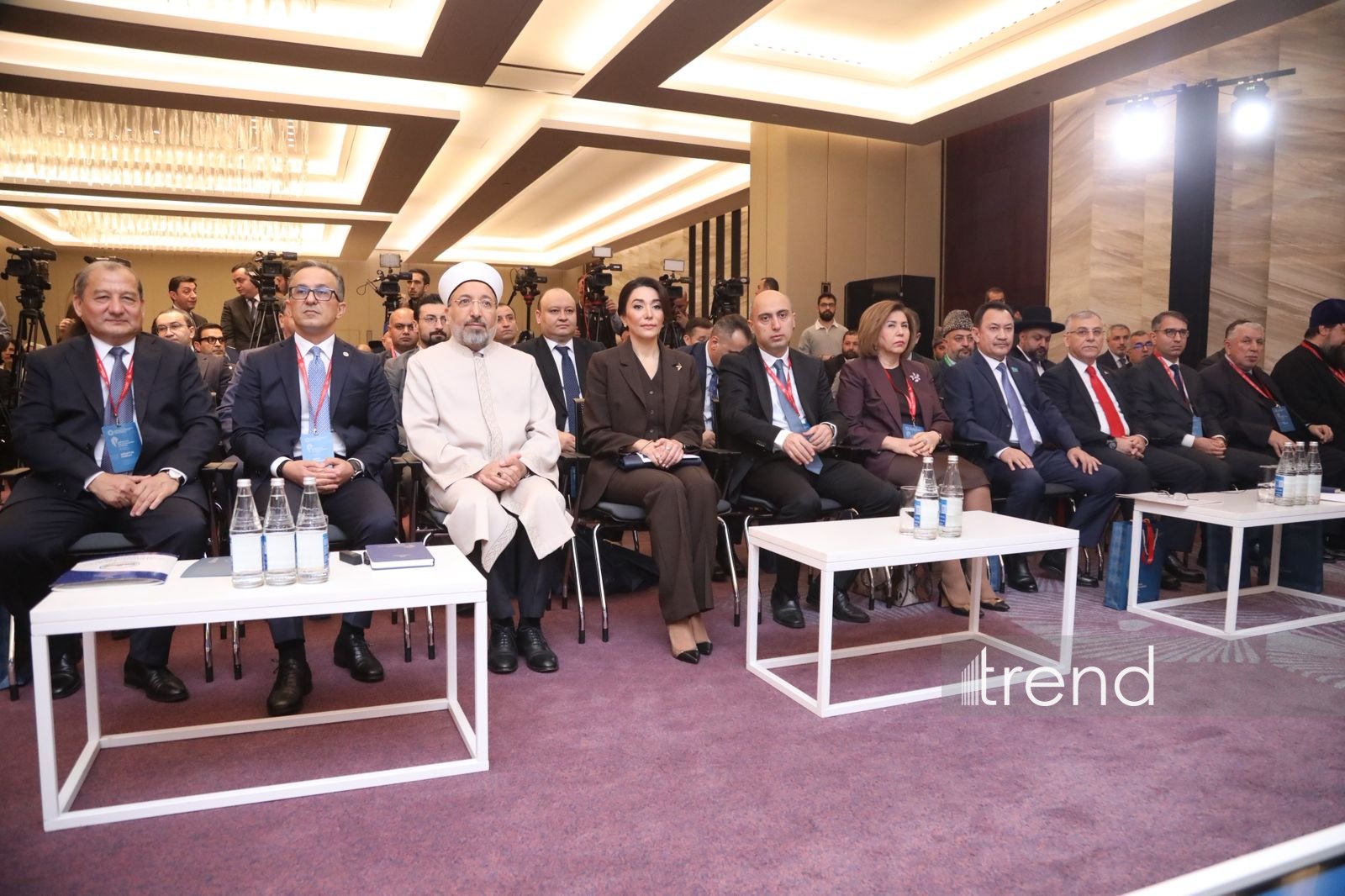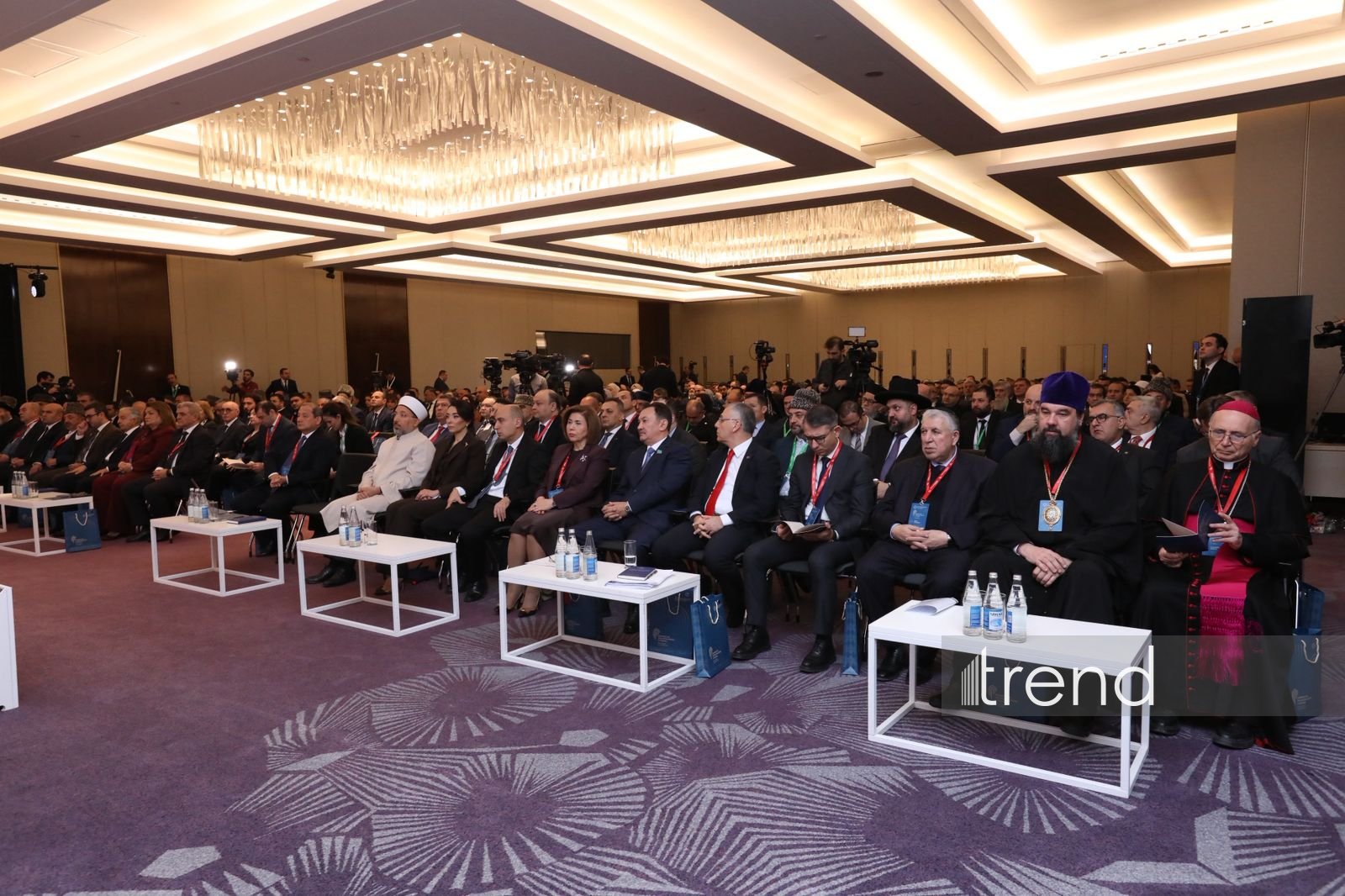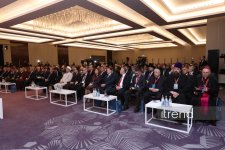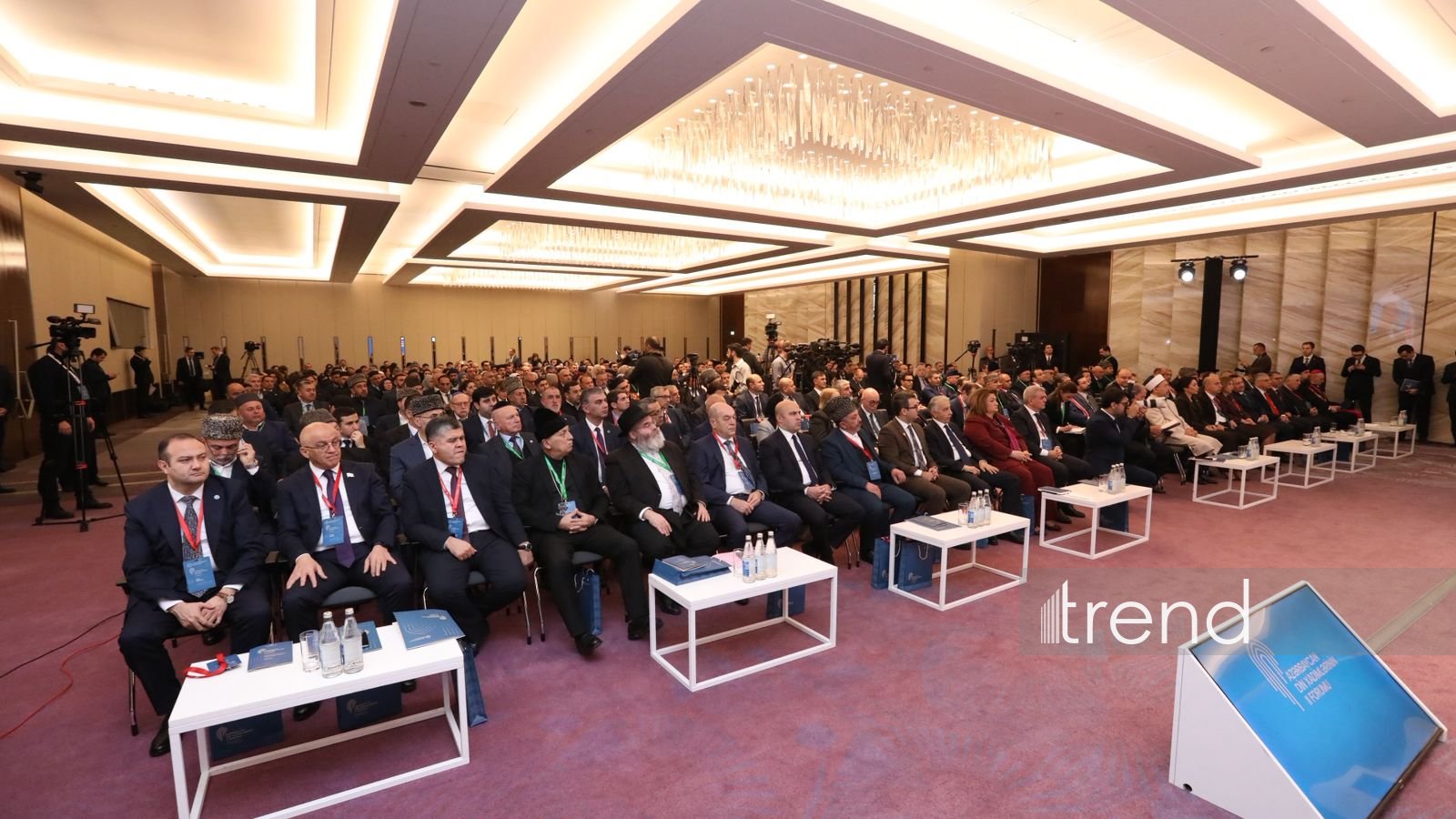
BAKU, Azerbaijan, December 24. The 2nd Forum of Azerbaijani Religious Leaders is being held in Baku as part of the "Constitution and Sovereignty Year" initiative, Trend reports.
The forum is organized to advance core constitutional values such as secularism and freedom of conscience, foster discussions on the rights and responsibilities of religious leaders, explore their professional development, and examine the legal and cultural dimensions of state-religion relations, with the overarching goal of reinforcing the country’s multicultural and tolerant environment.
The forum’s central theme is “Constitutional Principles of State-Religion Relations in Azerbaijan: Secularism and Freedom of Conscience.”
Delegations from Türkiye, Uzbekistan, and Kazakhstan attended the forum, alongside representatives of relevant government bodies, various religious confessions operating in Azerbaijan, as well as teachers from religious educational institutions, theologians, scholars, and experts.
The event began with the performance of the National Anthem of the Republic of Azerbaijan, followed by the screening of a video dedicated to the anniversary of the victory achieved in the Patriotic War.
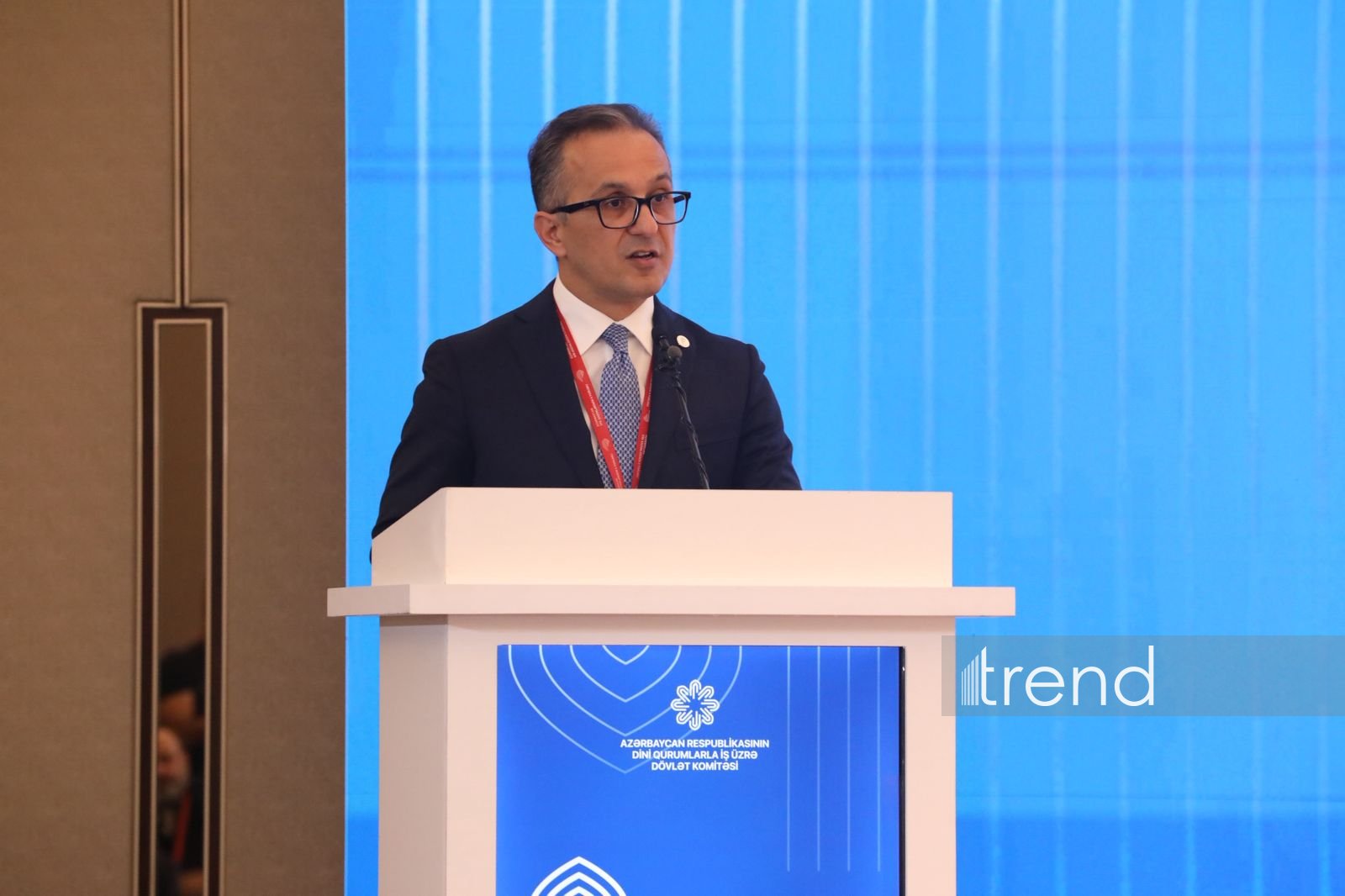
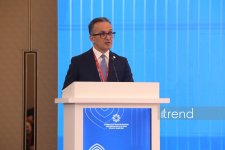
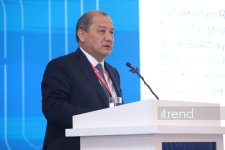
Delivering the opening address, Chairman of the State Committee for Work with Religious Organizations, Ramin Mammadov, said the event represents both the logical continuation of an important tradition laid in the previous year and a clear indicator of the healthy and sustainable development of state–religion relations. He noted that President Ilham Aliyev’s address to participants of the previous forum outlined several key ideological and conceptual directions, with the strategic goals set out in that message shaping the agenda of activities since then. Mammadov emphasized that the period that has passed clearly demonstrates that the goals highlighted by the president serve as a comprehensive roadmap for systematic and consistent action and should remain the main reference point for future steps.
Speaking about state–religion relations in the country, the chairman said that Azerbaijan’s statehood chronicle is characterized not only by political and economic achievements but also by a rich system of values based on strong moral foundations, respect for faith, and freedom of conscience. He recalled that in the model established by National Leader Heydar Aliyev, grounded in harmony between secular governance and moral values, religion is separate from the state but remains an integral part of society’s moral health and social solidarity. This political course, he said, has been further enriched by President Ilham Aliyev in line with global challenges of the new era, turning Azerbaijan into a global center of multiculturalism and a platform for intercivilizational dialogue. Mammadov also highlighted the exceptional contributions of the Heydar Aliyev Foundation, led by First Vice-President Mehriban Aliyeva, noting that dozens of historical and religious monuments have been restored or newly built both domestically and internationally through the foundation’s projects.
Touching on ideological and educational initiatives carried out over the year by the State Committee and its subordinate institutions, Mammadov referred to the “Color of Diversity” festival, the “Spiritual Values” week organized by the Spiritual Values Promotion Foundation, and the “Library in Every Mosque” project. He said regular visits by foreign religious leaders and diplomatic representatives to Azerbaijan, allowing them to experience the country’s atmosphere of tolerance firsthand, have played an important role in countering biased ideological campaigns against Azerbaijan. He also noted that partnership agreements signed by the Azerbaijan Institute of Theology with foreign higher education institutions represent a major achievement in integrating national theological scholarship into the global academic community.
Chairman of the Presidency of Religious Affairs of the Republic of Türkiye, Safi Arpaguş, said he was deeply proud to be in brotherly Azerbaijan. He stressed that relations between the two countries are built on an unbreakable bond of brotherhood, as expressed by National Leader Heydar Aliyev in the philosophy of “One nation, two states.” Arpaguş emphasized that Islam offers humanity not only a system of belief but also a vision of fundamental human rights and freedoms, a call for peace, and a model of tolerance toward followers of all religions. “These values are among the core pillars of our faith, and our duty is to protect and sustain them,” he said. He added that in societies where freedom of religion and conscience is disregarded, moral values erode rapidly, and where respect for belief is absent, there can be no talk of peace, stability, or prosperity. In such a sensitive and complex period, he said, spreading Islam’s universal values and guiding people toward peace and justice is more important than ever. Arpaguş stressed that cooperation among states is essential to achieving greater success in this direction and said the Diyanet is pleased to stand shoulder to shoulder with Azerbaijan. He noted that events of this kind in Azerbaijan, which works globally to promote peace and coexistence, are of great significance, as such platforms strengthen unity and help find solutions to shared challenges.
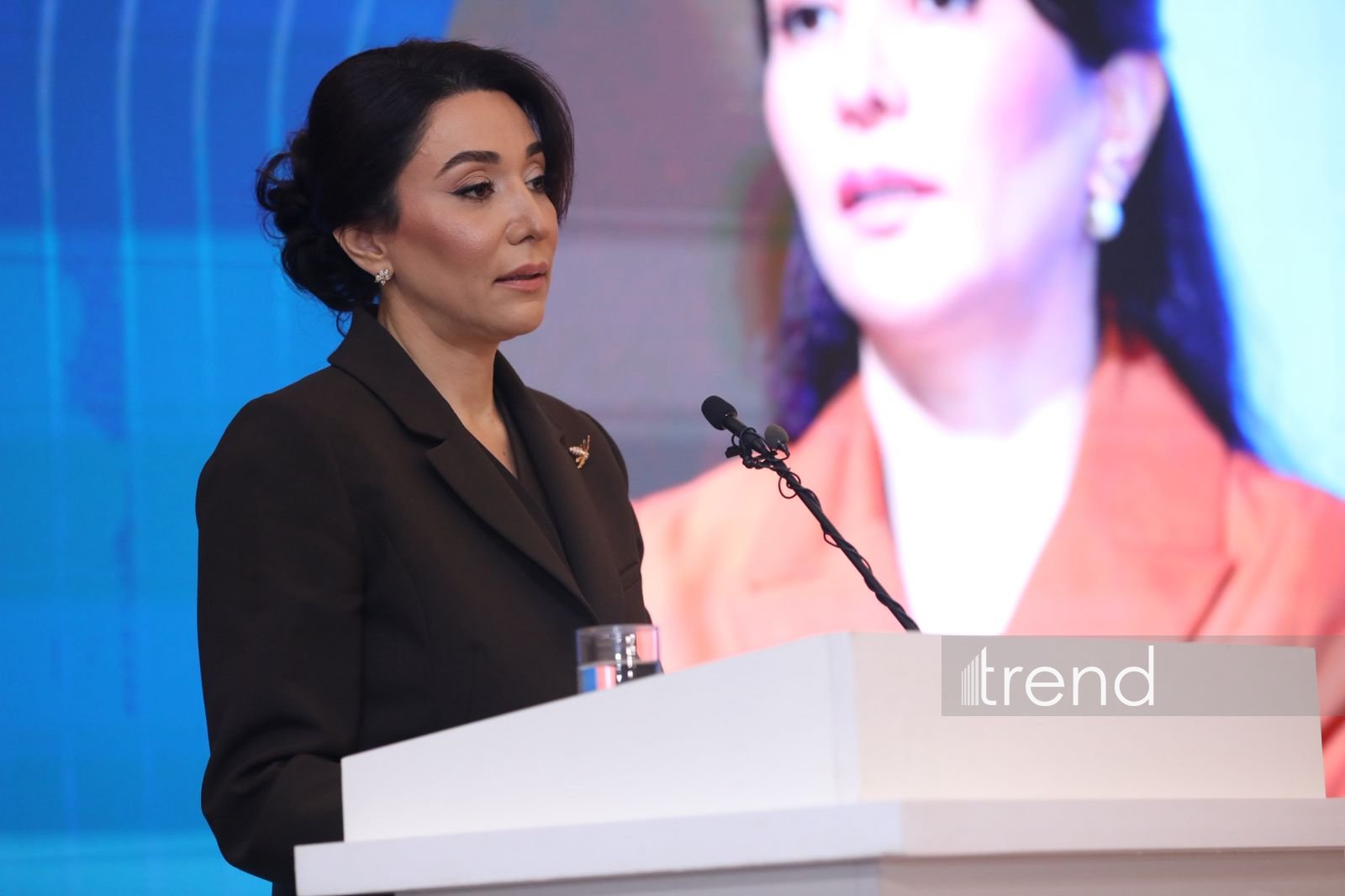
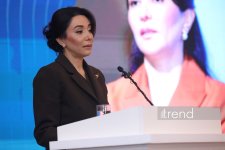
Azerbaijan’s Commissioner for Human Rights (Ombudsperson) Sabina Aliyeva said the country is internationally recognized as a land where different civilizations converge and where representatives of various nations and confessions have lived for centuries in peace, security, mutual understanding, and dialogue. She noted that multiculturalism and tolerance, long a way of life for Azerbaijanis, have today become part of the daily life of every citizen regardless of national identity, language, or religion.
Aliyeva added that the issues to be discussed and the reports to be presented at the forum will be significant in promoting positive practices related to interfaith dialogue and the effective implementation of state–religion relations based on constitutional norms and principles.
The Ombudsperson emphasized that in secular Azerbaijan, the foundations of state–religion relations are enshrined at the constitutional level, including equality of all religious beliefs before the law, freedom of conscience for everyone, and the principle that no one can be forced to disclose their religion, conscience, views, or beliefs. She noted that these principles are applied not only legislatively but also positively reflected in real life.
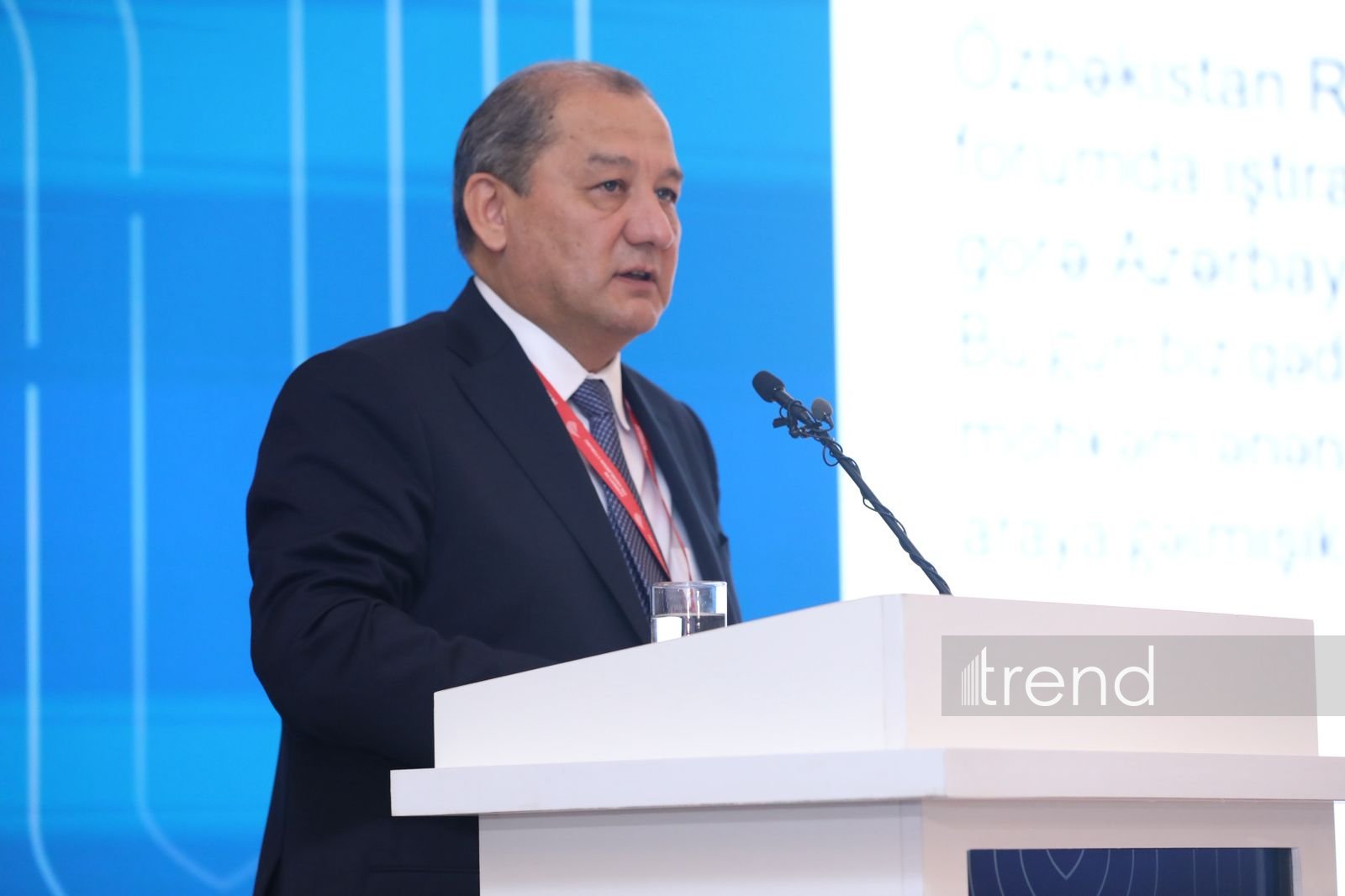
Deputy State Adviser to the President of Uzbekistan and Rector of the International Islamic Academy, Muzaffar Kamilov, expressed gratitude to the Azerbaijani state for the high level of organization of the forum. He said the forum, dedicated to constitutional principles of state–religion relations, addresses an extremely relevant issue for modern society. In the context of globalization, he stressed, balancing state–religion relations is essential for social stability and national security. Kamilov highlighted Azerbaijan’s experience in ensuring religious tolerance and freedom of conscience while remaining committed to secular state principles, noting that this model strengthens religious solidarity and social stability. He said that in both countries, state–religion relations are treated with seriousness, national and religious values are protected, and efforts are made to combat religious extremism. He described Azerbaijan as one of the important regional centers for interfaith and intercultural dialogue and expressed confidence that the forum’s outcomes would contribute to a new level of international academic and practical cooperation.
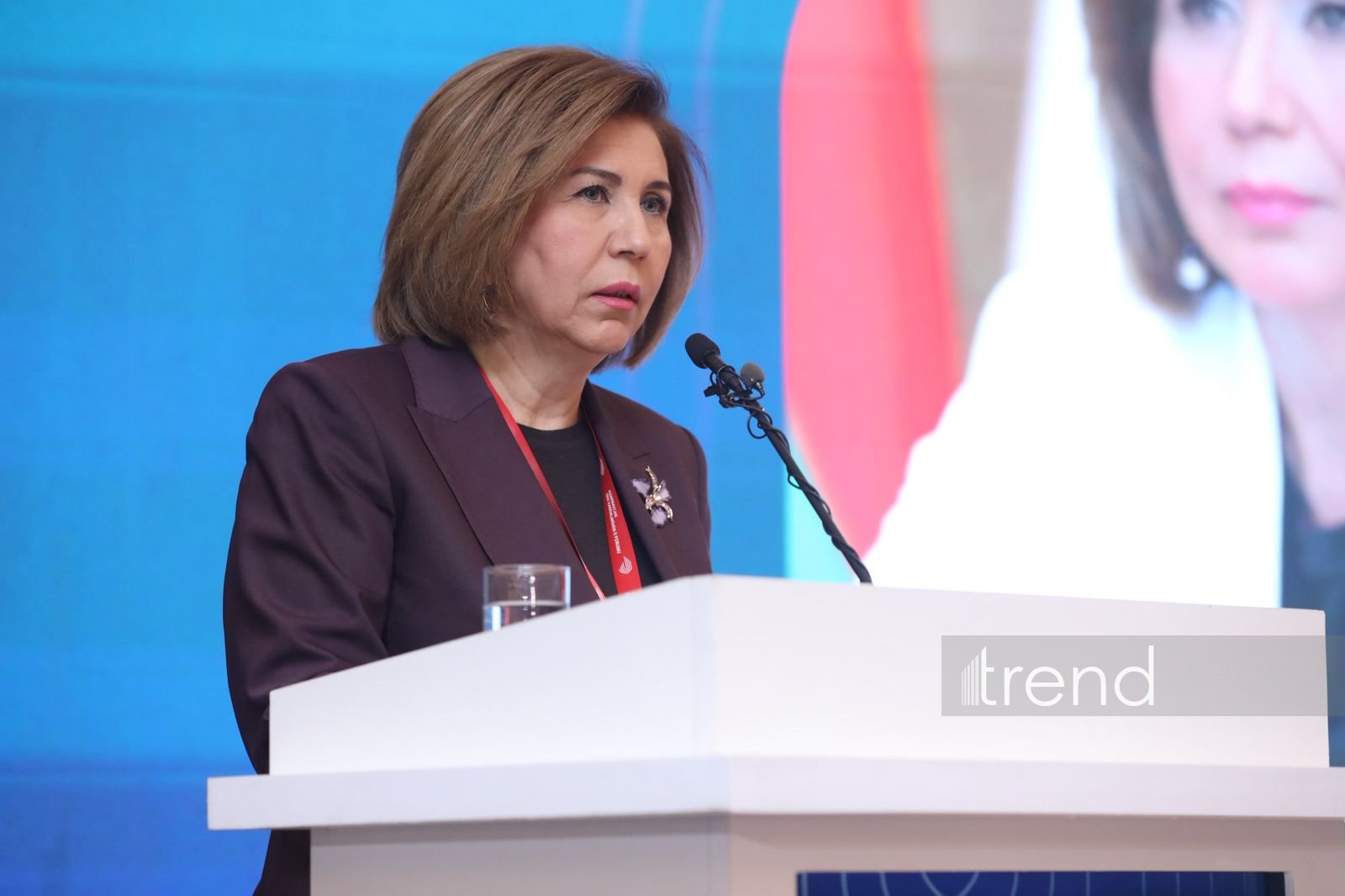
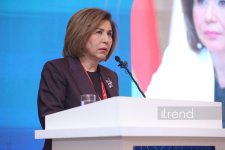
Chairwoman of the State Committee for Family, Women, and Children’s Affairs of Azerbaijan, Bahar Muradova, said the forum is not only a discussion platform on a specific topic but also an expression of shared responsibility to protect the moral foundations, family values, and human dimension of Azerbaijani society.
She noted that holding the forum for the second time reflects the high priority given, in line with President Ilham Aliyev’s political course, to developing state–religion relations based on constitutional principles and safeguarding fundamental values such as secularism and freedom of conscience. Muradova said the panel discussion titled “The Role of Religious Communities in the Social and Spiritual Development of Women” was deliberately chosen, emphasizing that women’s ability to fulfill their mission successfully depends not only on legal mechanisms but also on moral and social support. In this context, she underlined the importance of cooperation with the SCWRO.
Member of the Senate of the Parliament of Kazakhstan, Yernur Aitkenov, said Kazakhstan, as a multiethnic and multiconfessional state, ensures freedom of conscience, with religious tolerance forming the basis of social peace and national unity. He noted that the state does not interfere in the internal affairs of religious communities while protecting their rights and guaranteeing citizens the freedom to choose their worldview within the law. Aitkenov said regular meetings with representatives of religious communities and the organization of international events contribute to this approach, expressing confidence that the forum would open new opportunities for international cooperation and enrich experience in promoting interfaith harmony.
First Deputy Chairman of the Caucasus Muslims Office and Mufti Haji Salman Musayev said access of religious figures to mass media has become an essential component of religious education in modern times. He stressed that religious outreach should not be limited to mosques but should encompass all segments of society. Media platforms, he said, are effective tools for delivering accurate and reliable religious information to broad audiences, helping prevent the spread of alien religious influences and radical movements. Musayev highlighted the importance of educational programs in countering distorted religious interpretations and said religious figures must demonstrate professionalism and responsibility in the media space. He emphasized the need for coordinated cooperation among state institutions, media, and religious leaders, noting that joint efforts can strengthen society’s resilience against harmful ideological influences and contribute to religious security and social stability.
The event continued with panel discussions.
Panels dedicated to the themes “The System of Multicultural Values: Legal and Cultural Aspects of State–Religion Relations,” “Religious Education and Enlightenment Strategies in the Digital Information Environment,” “Educating Youth Amid Global Influences: Modern Methods and Innovative Approaches,” and “The Role of Religious Communities in the Social and Spiritual Development of Women” addressed key policy directions and current issues in the religious sphere.
Stay up-to-date with more news on Trend News Agency's WhatsApp channel