


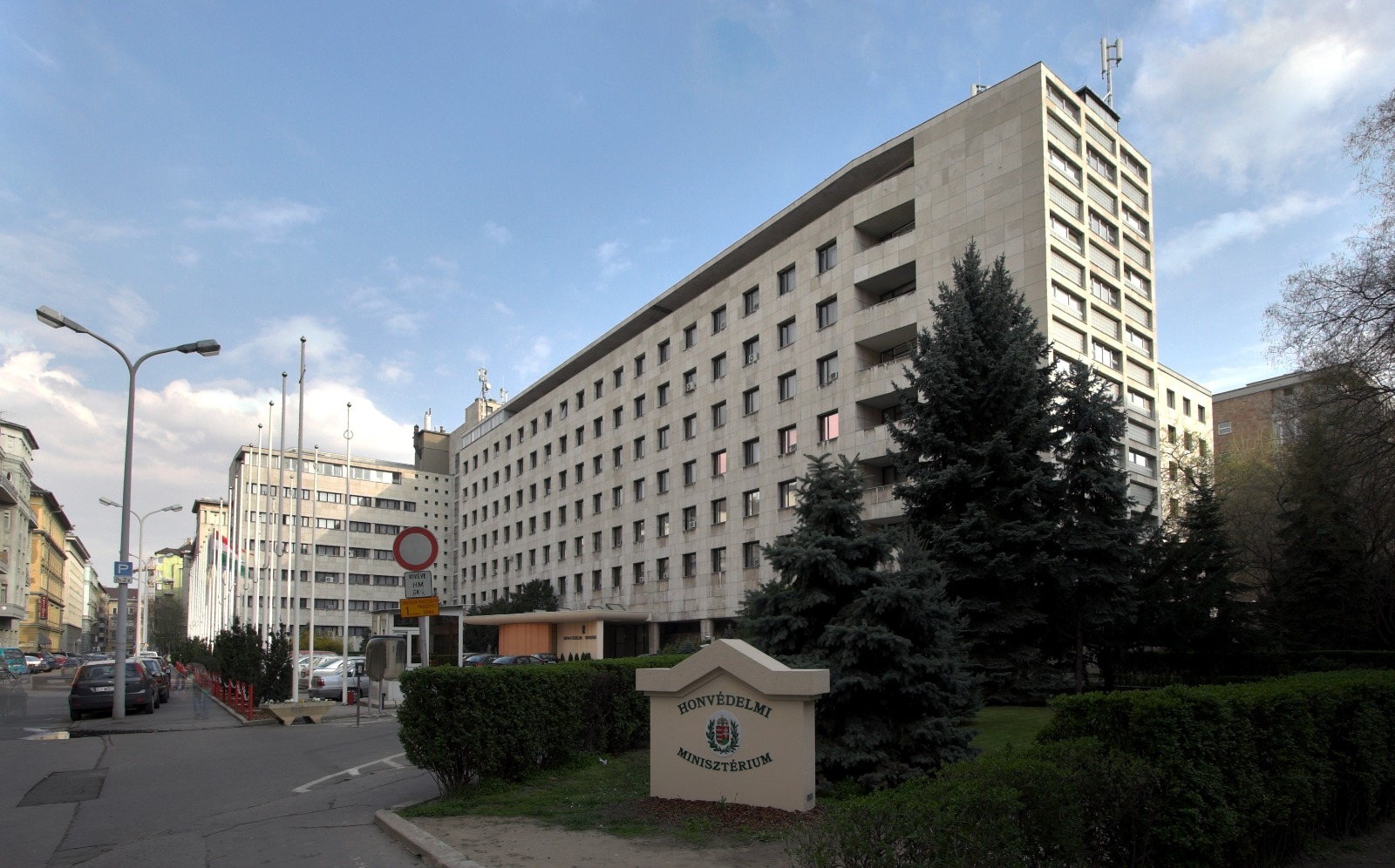

MUNICH, Germany, February 13. The security of the South Caucasus region is crucial, so it is of paramount importance for the whole of Europe that there should be peace and stability in the region, Hungarian Defence Ministry told Trend ahead of the Munich Security Conference.
“Our country supports all proposals and ideas aimed at achieving peace. The Azerbaijani-Armenian peace talks concluded with the Trump Route for International Peace and Prosperity (TRIPP) in August 2025, and the subsequent negotiations were made possible with the significant support of President Trump,” said the ministry.
The Hungarian Defence Ministry noted that years before the large-scale Russian-Ukrainian War, Hungary realised that the deterioration of the European security environment required a stronger focus on security and defence.
“Therefore, Hungary decided to raise its defence spending and launched a comprehensive National Defence and Force Development Programme in 2016.
With regard to financial resources, Hungary has significantly
increased its expenditure over the last 10 years, reaching 2% of
GDP already in 2023, one year before the original deadline.
Furthermore, at the Hague Summit, Hungary also supported increasing
defence and security spending to 5% of the GDP by 2035 and is
dedicated to achieving this strategic goal. Given that the
development program has been ongoing for almost a decade, we can
already show tangible results regarding many capabilities. The
replacement of obsolete, mainly Soviet-origin assets with modern
equipment is well underway. The program aims at renewing the full
spectrum of capabilities of the Hungarian Defence Forces,
strengthening not only the military capabilities of our country,
but also contributing significantly to the deterrence and defence
of NATO as well. The Hungarian defence plans are therefore in sync
with NATO and EU requirements and objectives,” said the
ministry.
The Hungarian Defence Ministry believes that in the current fragile
and evolving security environment, NATO is more important than
ever.
“The Alliance is the cornerstone of European security. At last
year’s Summit in the Hague, we sent a strong signal about the
transatlantic bond and about the determination of European Allies
and Canada to take more responsibility for our regional security.
Europe needs the United States as an ally. Only a realistic,
positive and pragmatic approach can keep the U.S. engaged. As a
credible Ally, Hungary is committed to taking on its fair share of
the burden and making significant efforts to fulfil its
obligations.
EU-NATO cooperation is key, as preserving the Euro-Atlantic unity
remains critical. We welcome the fact that both NATO and the EU are
adapting and responding to the new realities of complex threats and
overall unpredictable events. At the same time, we have to avoid
creating unnecessary duplications or parallel work strands. Hungary
believes interconnectivity enhances international stability.
European nations need to better cooperate with our partners
globally. Cooperation has to be pragmatic and mutual. We must
remain open to talk even with difficult partners, even potential
adversaries, in order to maintain stability,” said the ministry.
The Hungarian Defence Ministry said 2026 started out with
significant political and security developments.
“Substantial challenges affecting the European security architecture: shifting international order, great power rivalry, and the war in our neighbourhood. It is paramount to maintain our 360-degree approach. Resilient Europe means both Eastern and Southern challenges must be considered. Challenges emanating from the south, such as terrorism and illegal migration, still present a significant threat to our security. Hungary, therefore, put a special emphasis to region. We remain committed to conflict prevention and stability through our participation in peace support and peacekeeping operations and other missions, with a special focus on NATO's southern flank. In particular, Hungary is fully committed to regional stability and security of the Western Balkans,” said the ministry.



