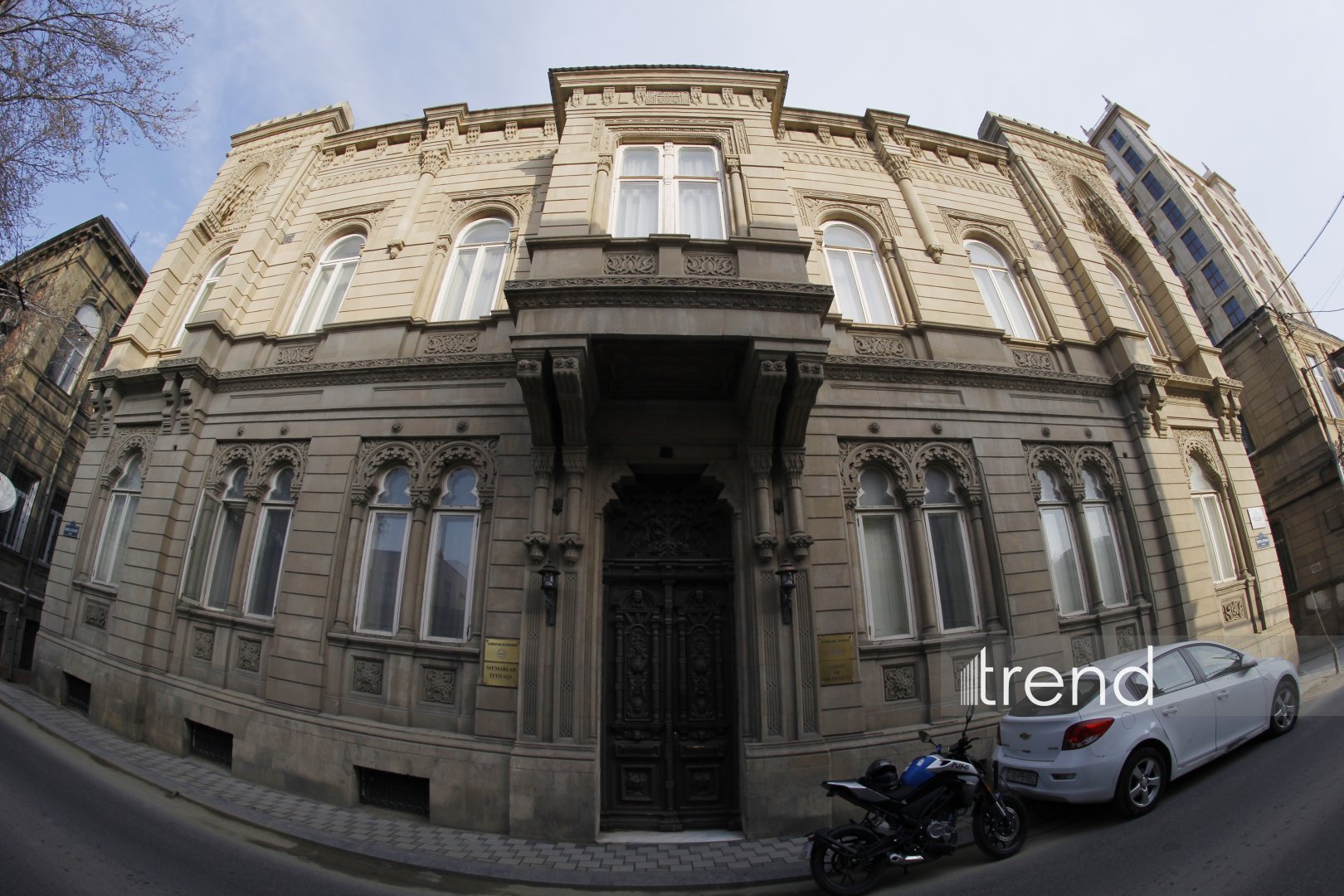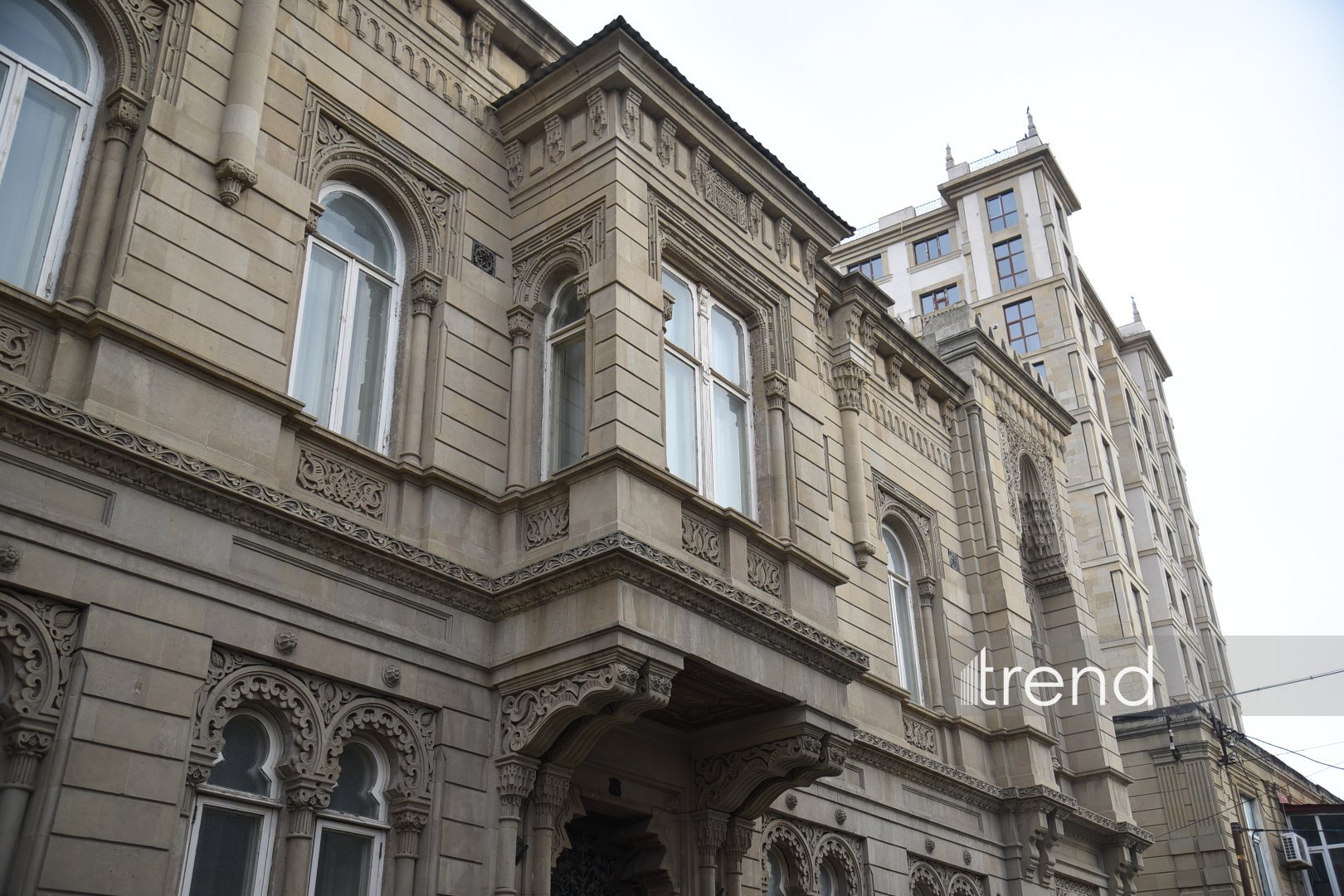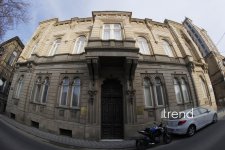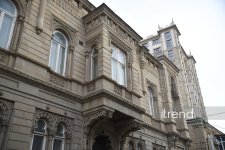
BAKU, Azerbaijan, February 21. A building that is impossible to pass by without being impressed rises in the heart of old Baku, on the quiet Murtuza Mukhtarov Street. Today, it houses the Union of Architects of Azerbaijan, but this building is much more than just an administrative address. It's one of the most striking architectural buildings of the oil boom era at the turn of the 20th century – the former mansion of Aghabala Guliyev, a millionaire, patron of the arts, and philanthropist.
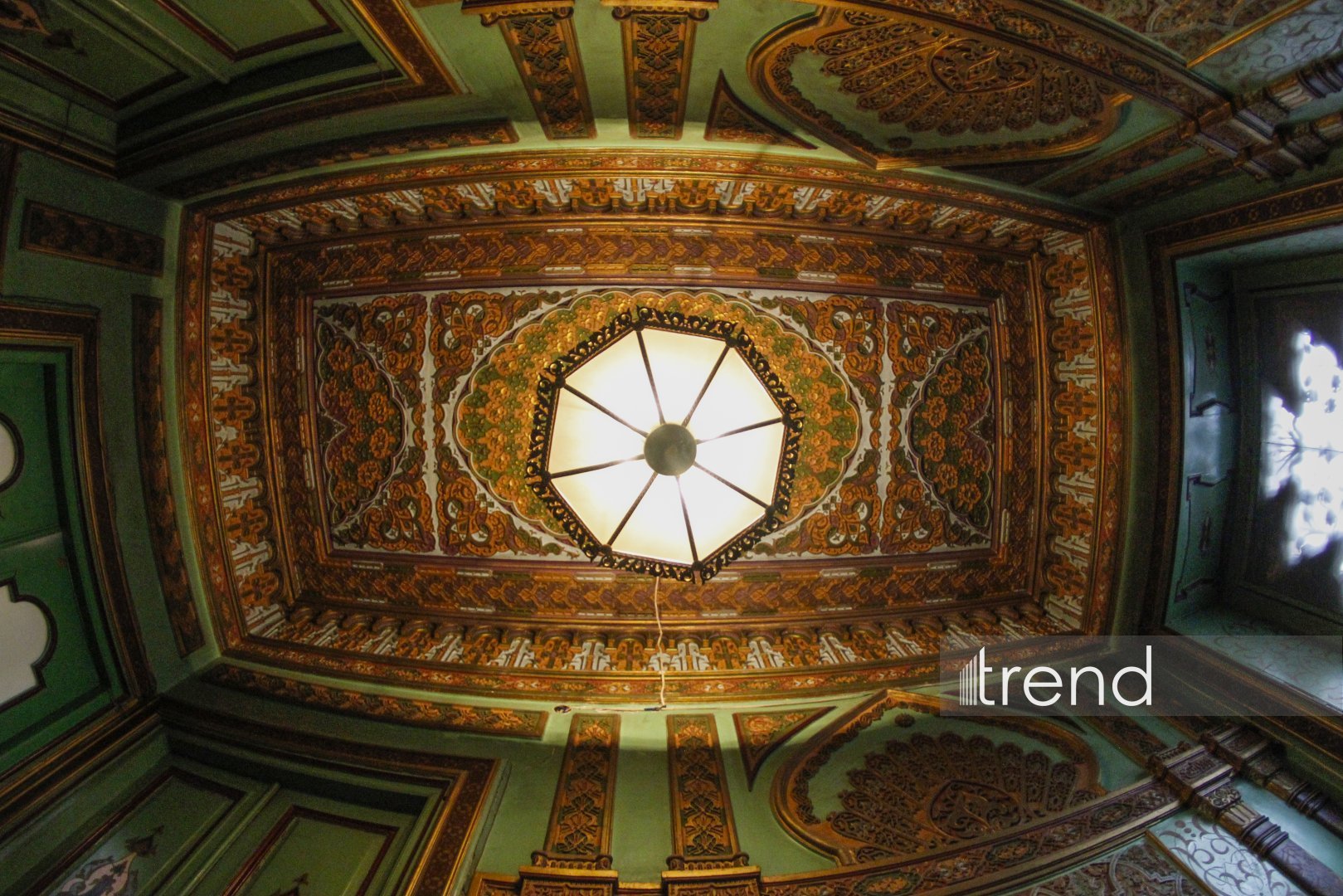
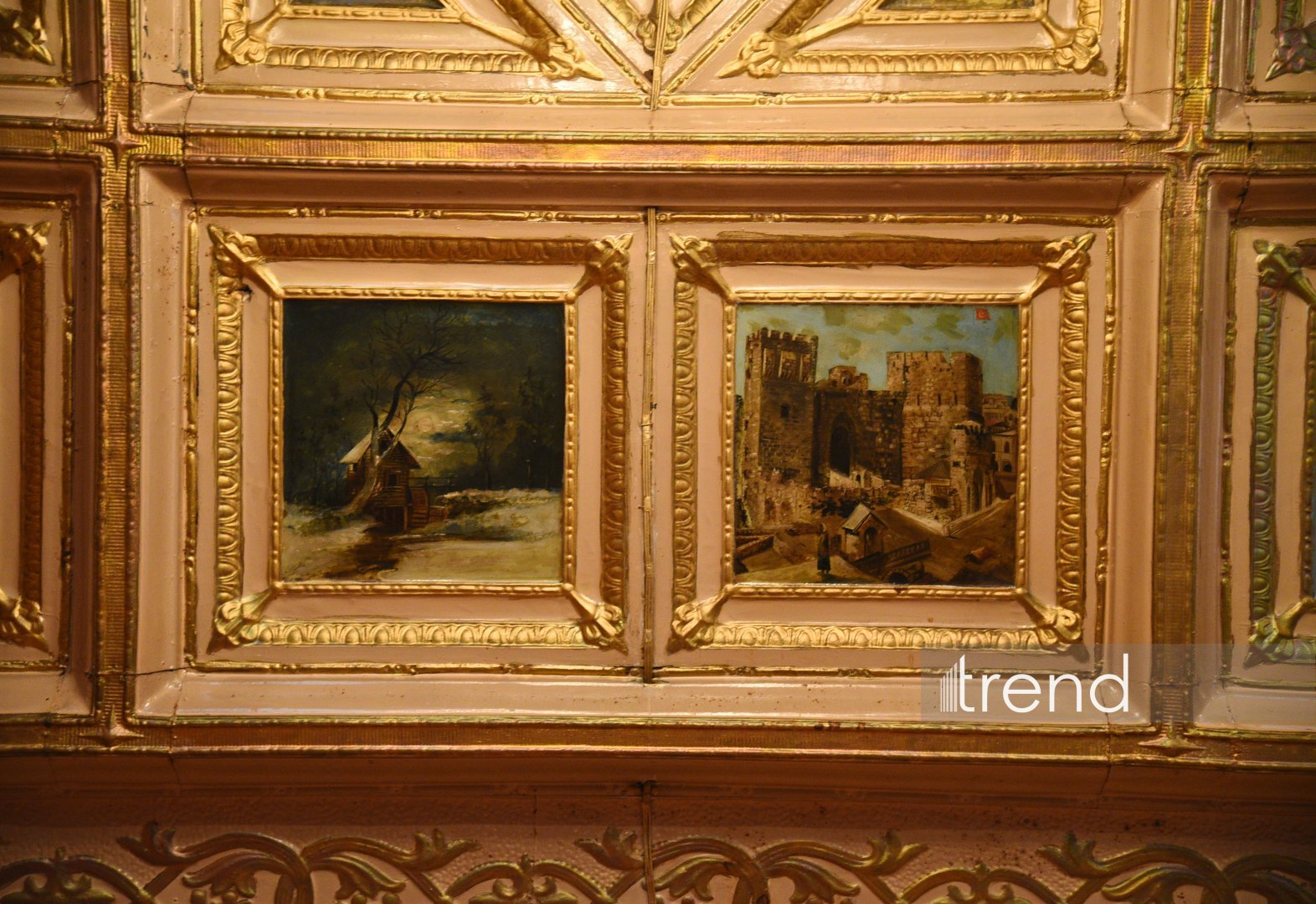
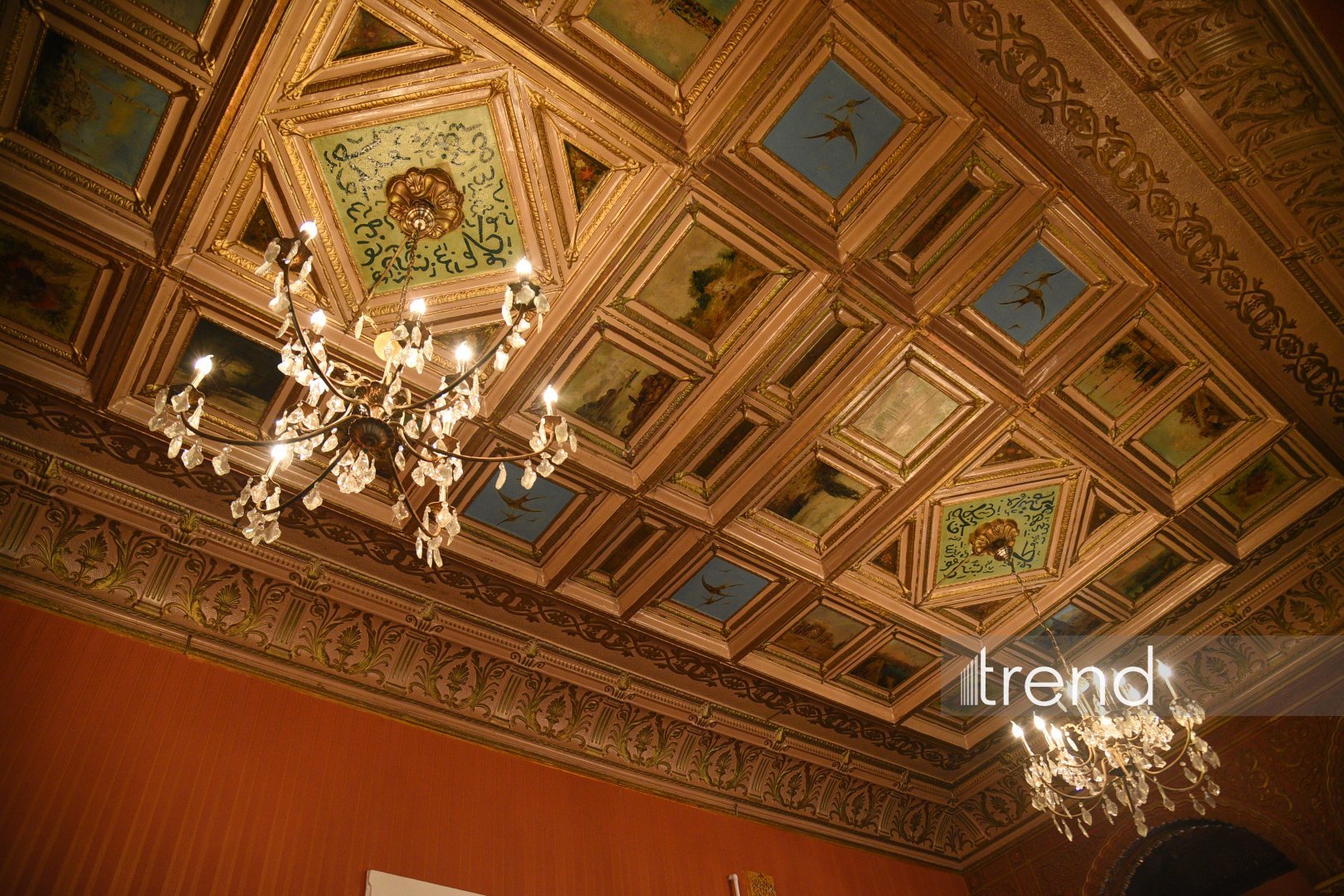
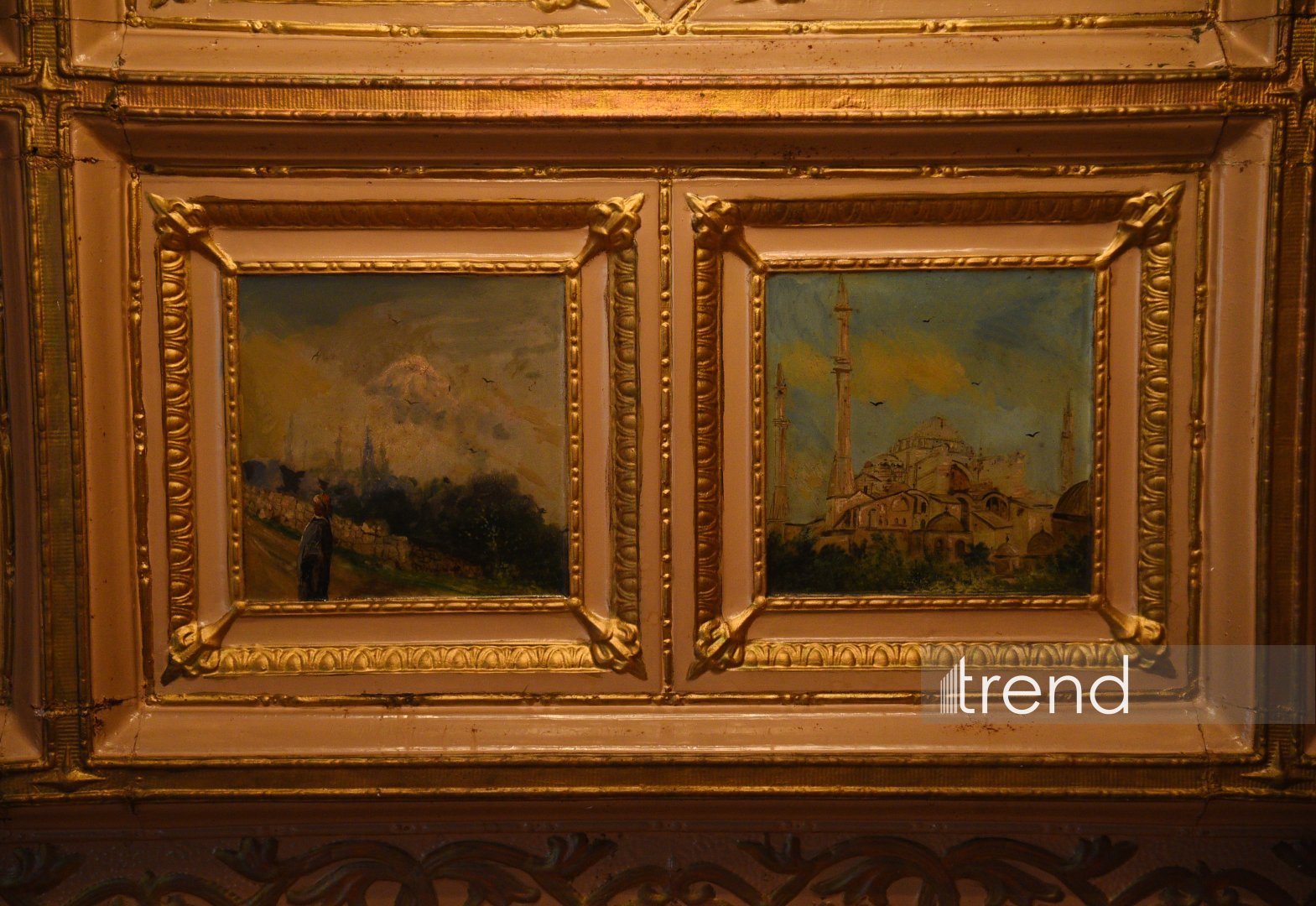
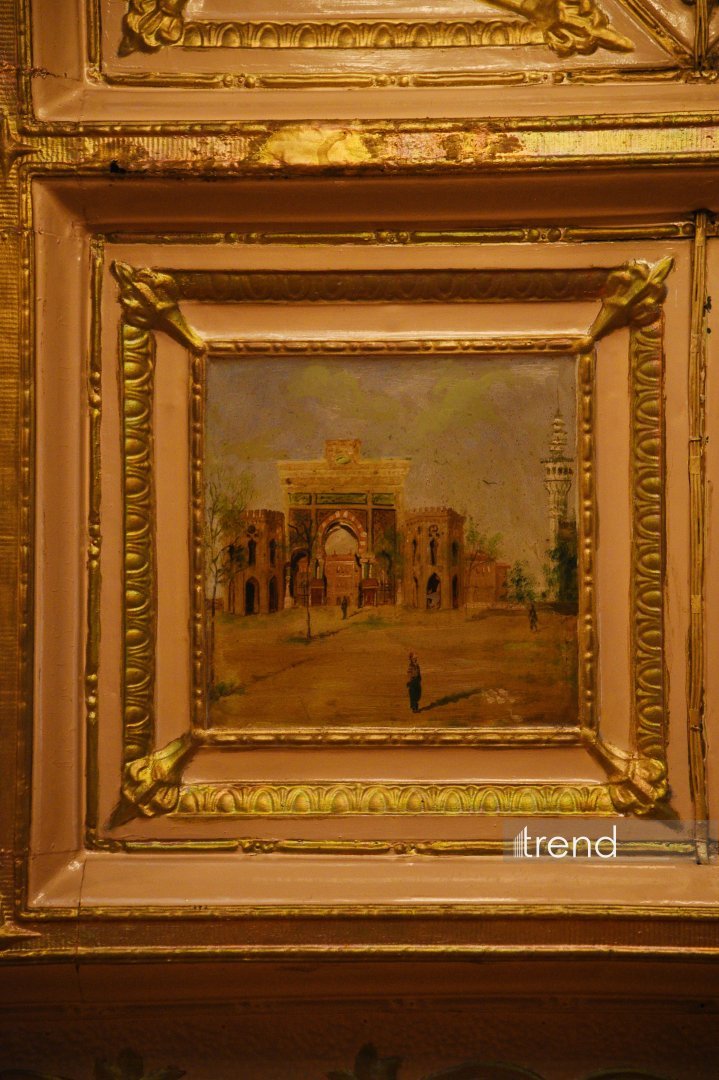
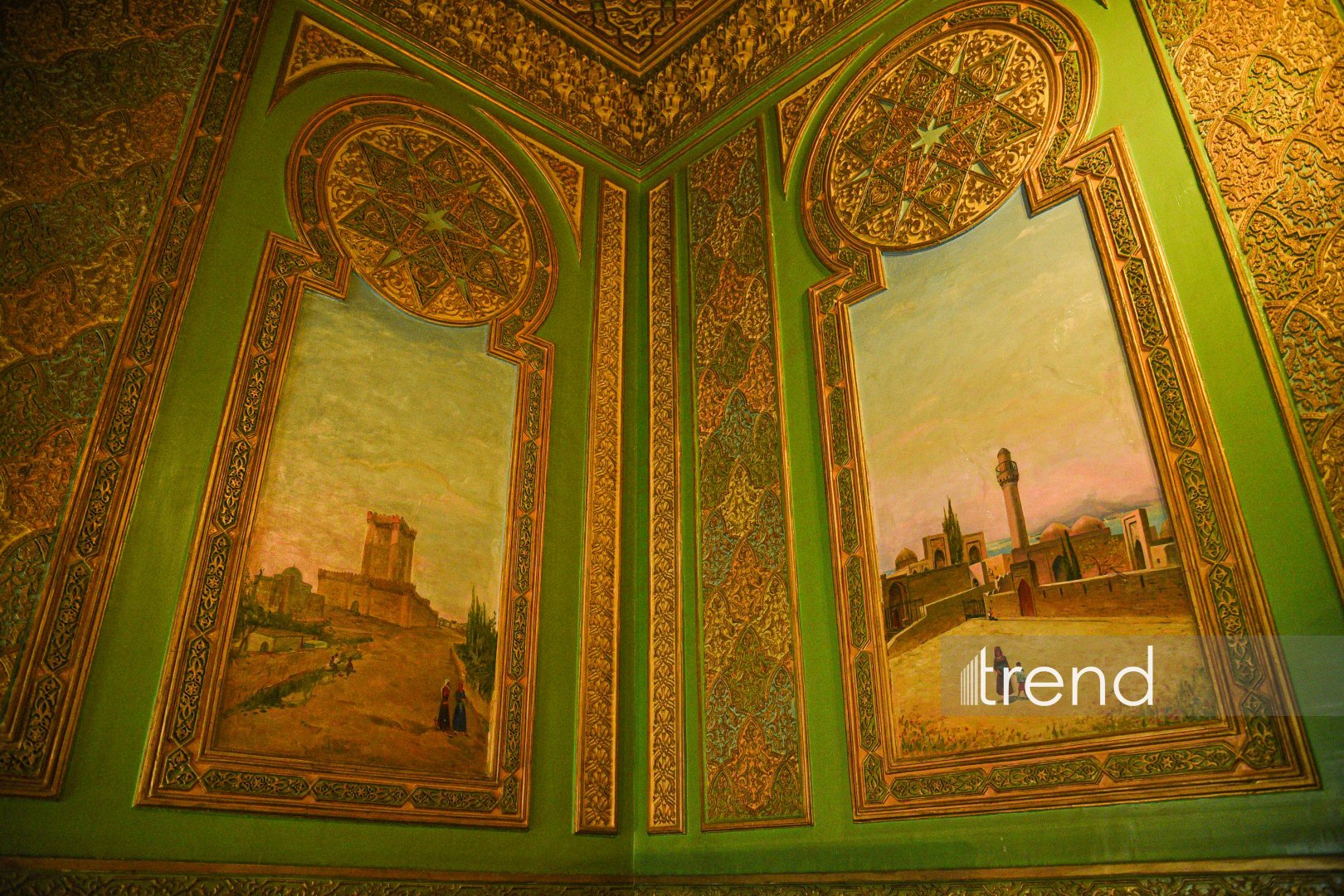
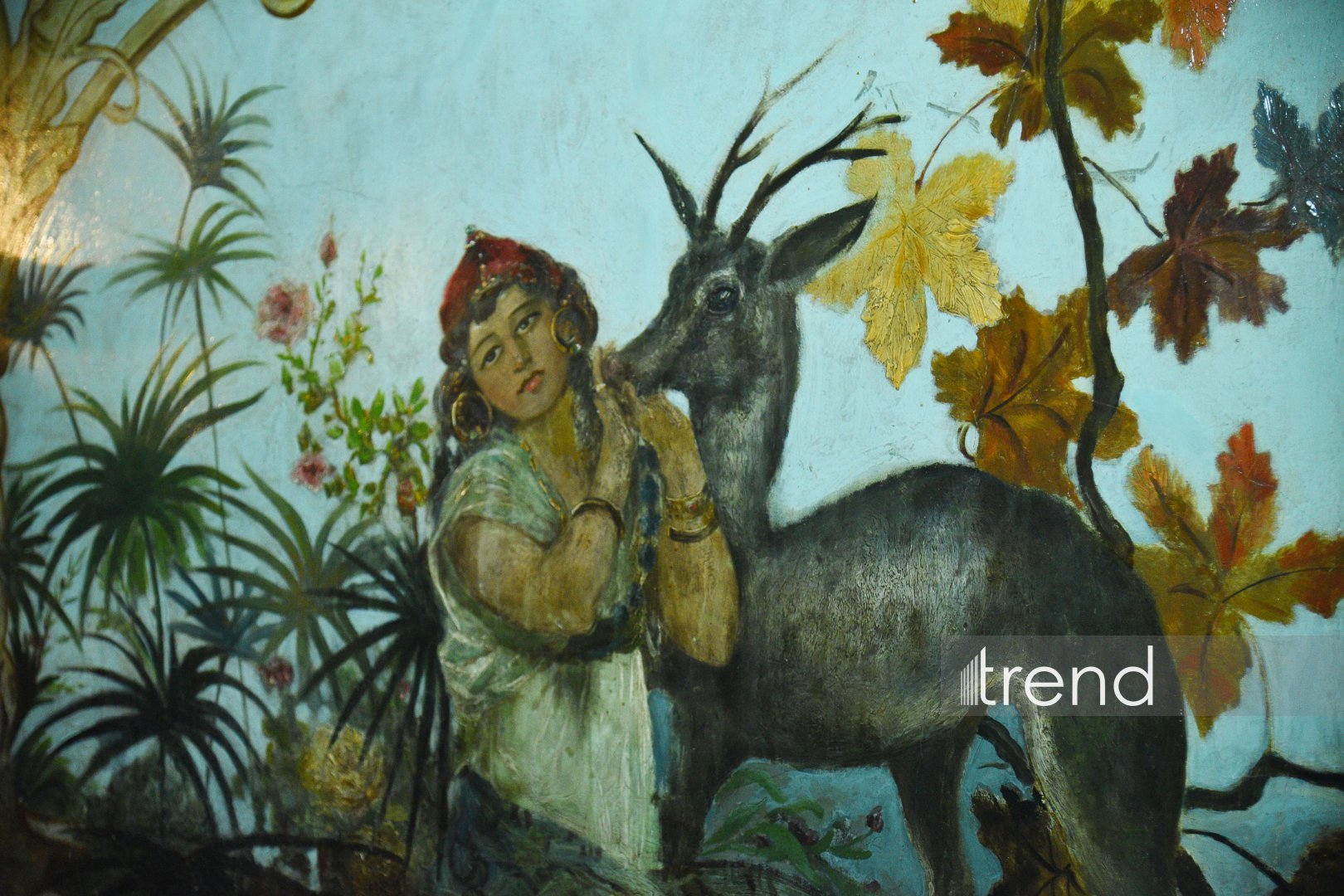
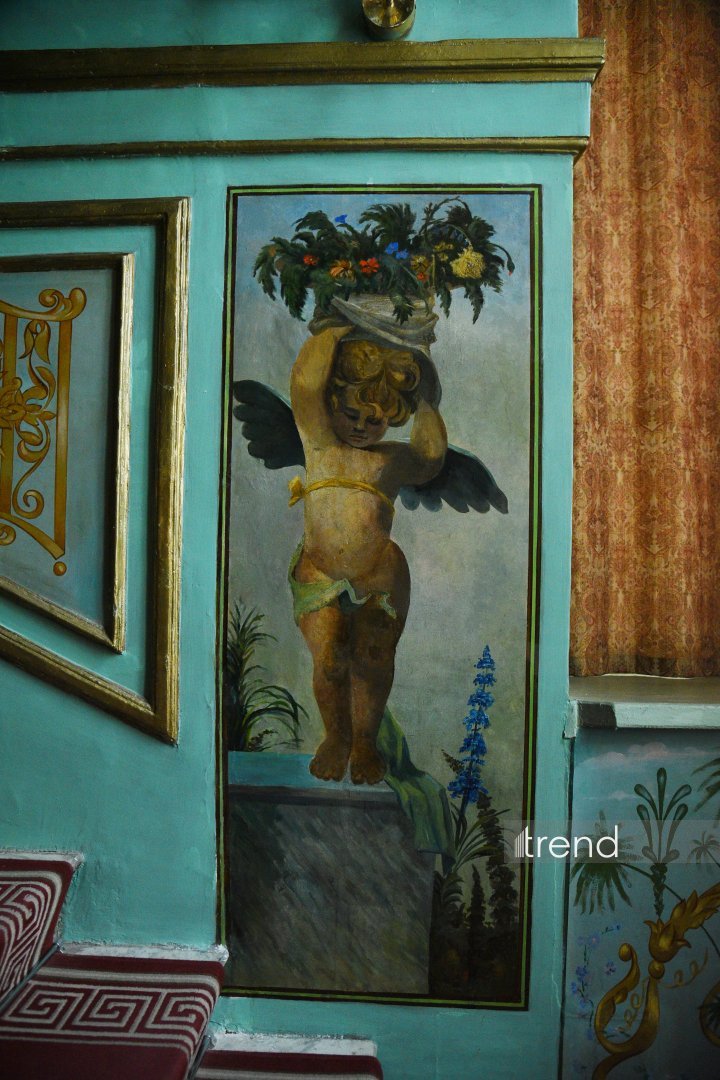
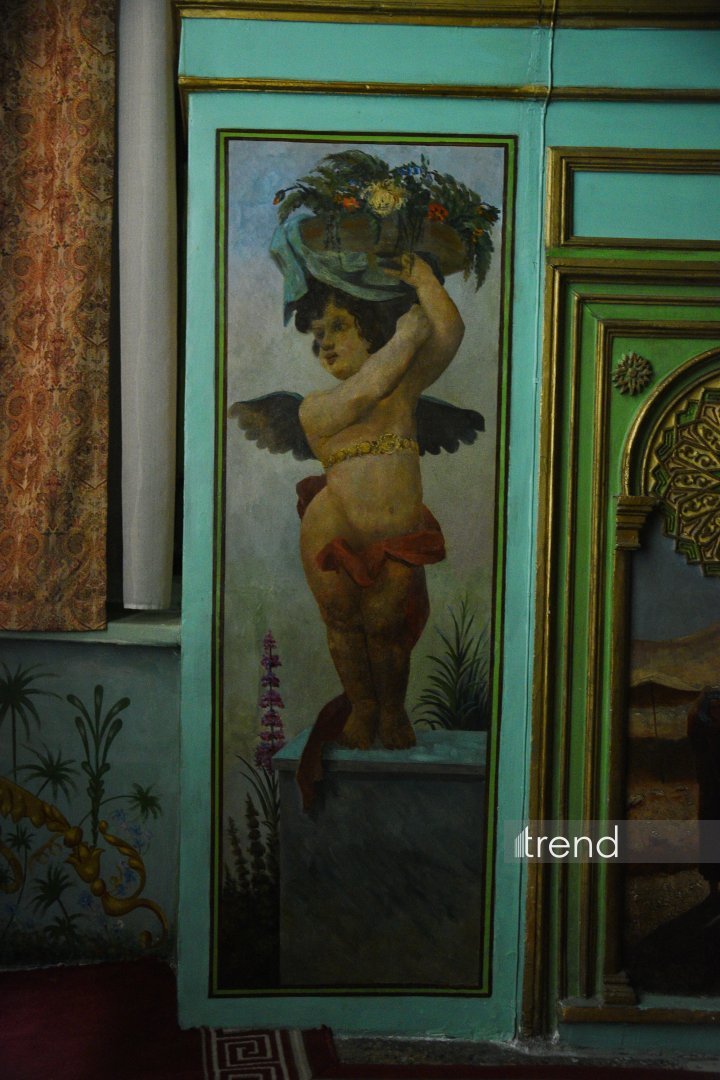
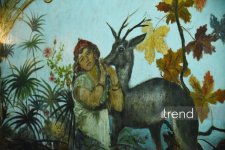
The late 19th century transformed Baku into one of the wealthiest cities in the region. Oil magnates competed not only in industrial scale but also in architectural splendor, inviting the finest European architects. In 1899, entrepreneur Aghabala Guliyev, known as the "Flour King," conceived the idea of building a mansion that would reflect national identity while simultaneously meeting European standards of representativeness. The project was entrusted to architectEugeniusz Skibiński, and the result was truly unique. The interiors of this luxurious home were designed by the artist Durov, imbuing them with a unique artistic expression.
Trend presents a photo report by Arif Guluzade, a story about the life of a man and the architectural masterpiece he created.
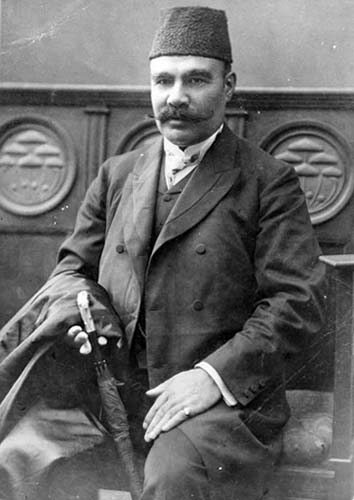
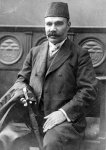
Before describing the building, it's worth saying a few words about Aghabala Guliyev himself. He was born in 1862 to a poor family in the Keshla settlement of Baku. From an early age, he helped his parents by selling the qutabs (traditional Azerbaijani dish made from thinly rolled dough) baked by his mother, thereby supporting the family budget. As he grew older, he began trading flour and grain, then built a mill. Over time, his business expanded significantly: Guliyev became the owner of flour mills and rice refineries throughout the Caucasus, North Asia, and Stavropol, earning him the nickname "the flour king". He was repeatedly elected to the Baku City Duma.
His name is also associated with a dramatic chapter in history:
facilitating the escape of a group of Turkish officers and
prisoners of war from Nargin island in 1915, where they were held
in harsh conditions during the Russian-Turkish standoff. After the
revolution, traces of the entrepreneur vanished: neither the date
of his death nor the fate of his children are known. Time has
preserved only the mansion, a silent monument to a prominent Baku
family.
The personality of architect Skibiński is also very interesting. A
native of Shamakhi (1858), a graduate of the St. Petersburg Academy
of Arts, and a teacher at the Baku Technical School, he was
distinguished by his reliance on the local medieval architectural
traditions of Baku and Absheron. The Guliyev Mansion was his first
significant project and was influenced by the architecture of the
Palace of the Shirvanshahs in Icherisheher. Skibiński was virtually
the only architect of the pre-revolutionary period to work in the
so-called "Baku style," drawing not on fashionable Eastern or
European motifs, but on the heritage of the old city.
This two-story corner building had a significant influence on the development of the national romantic movement in Baku architecture. Despite the narrowness of the street, the three-dimensional sculpture of the façade gives the building a special expressiveness. Under the influence of this design, Nikolaevskaya (now Istiglaliyyat) street was laid out between 1898 and 1901.
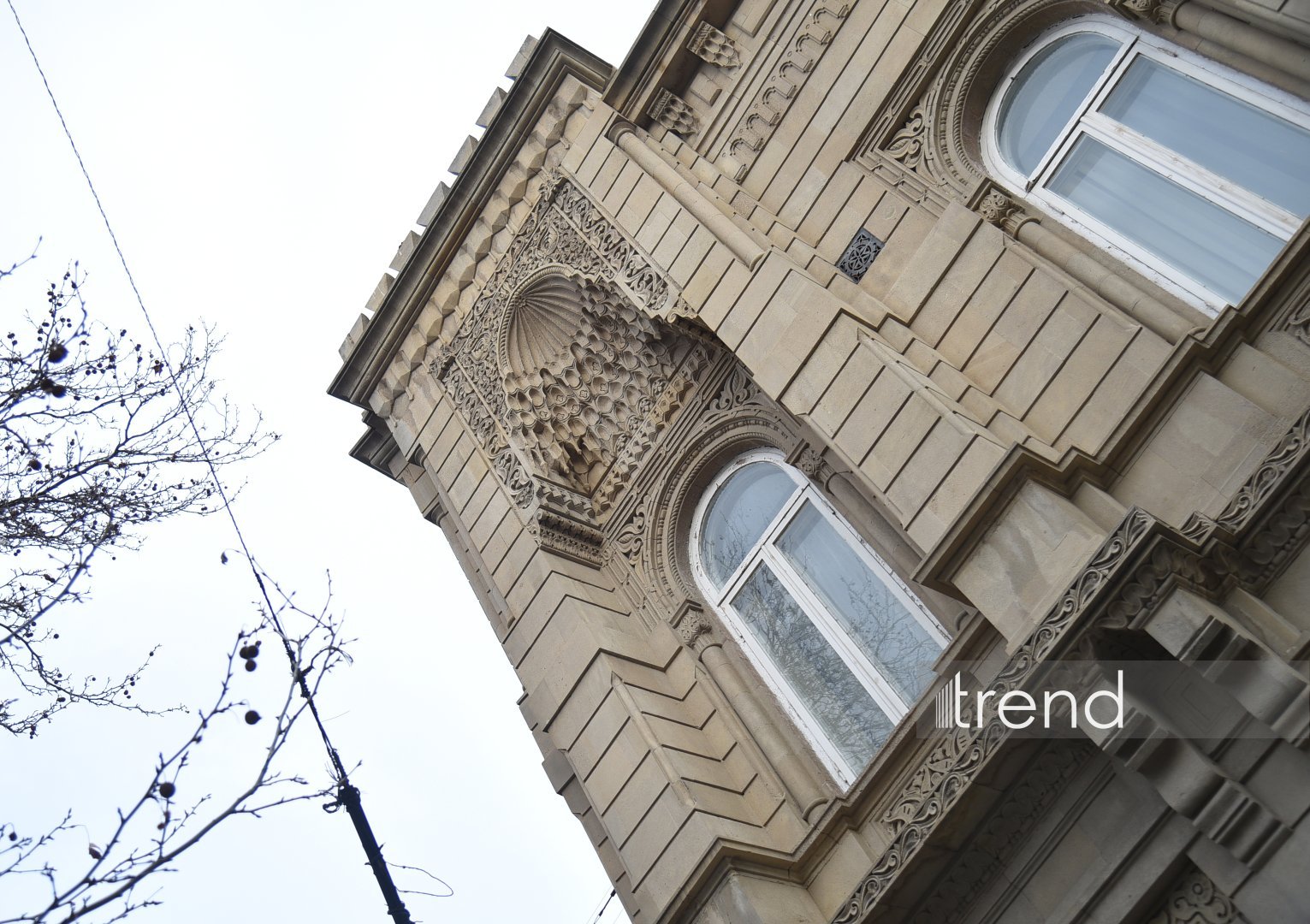
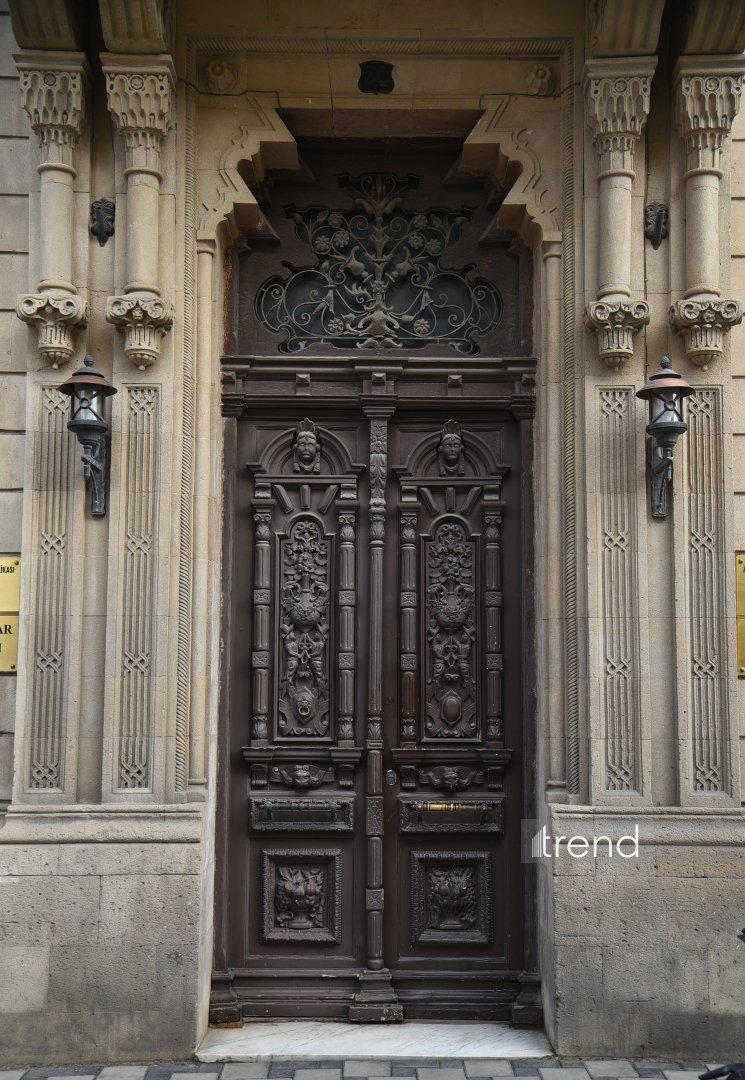
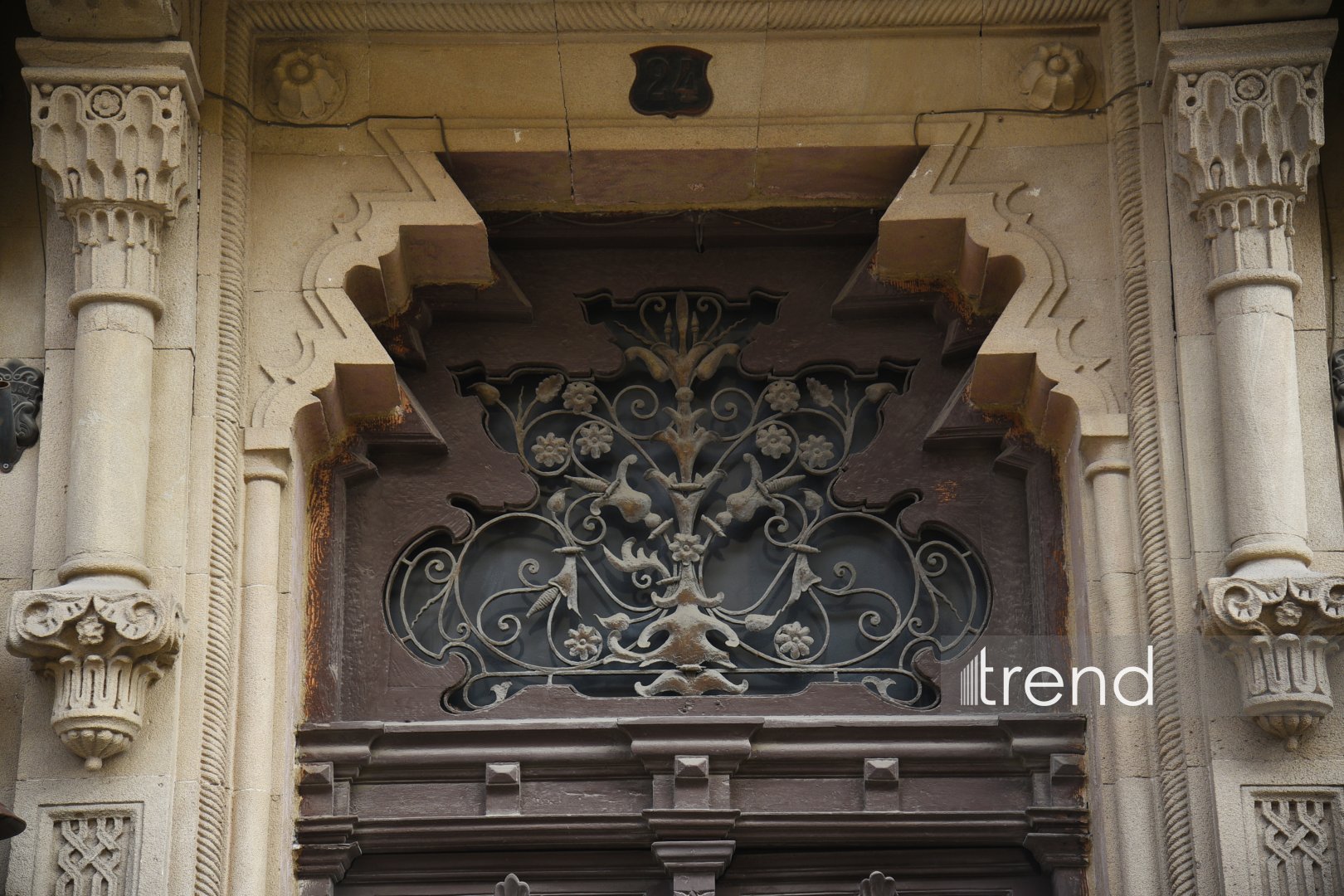
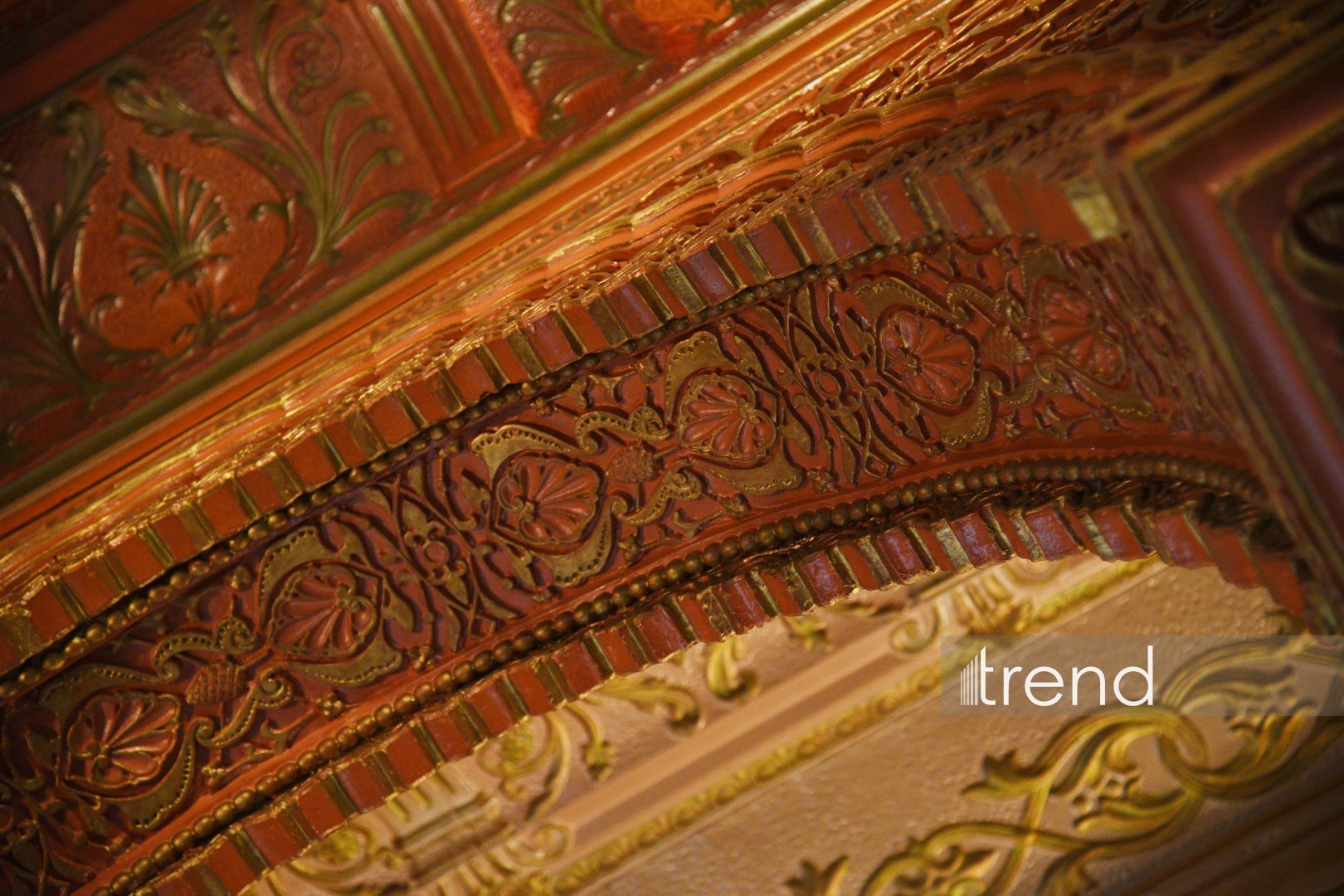
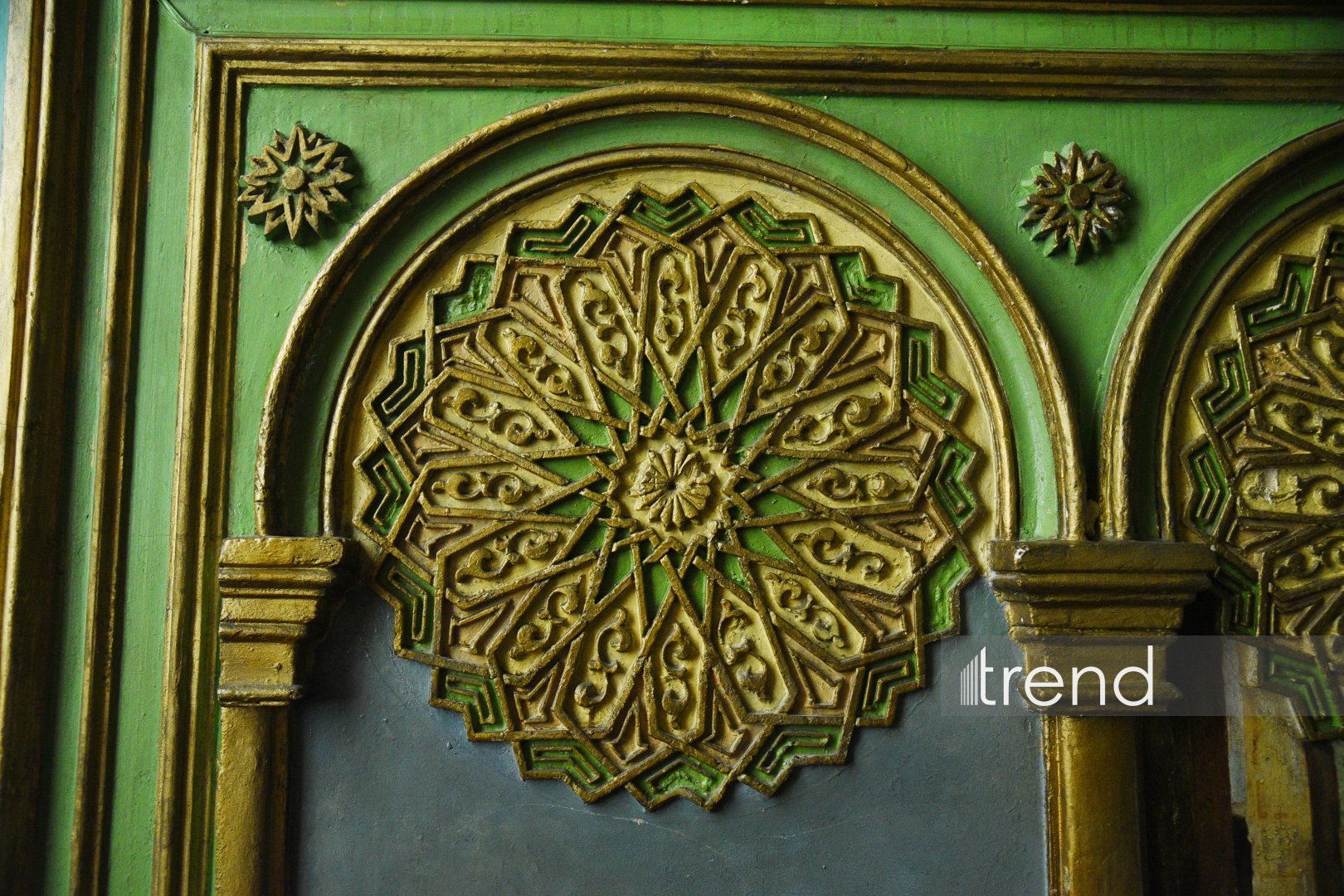
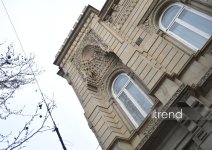
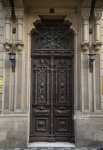
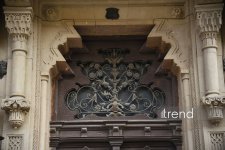
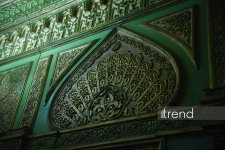
The first thing that catches the eye is the façade, facing three streets and built along a symmetrical axial composition. It seems to tell a story in stone: carved arches, delicate stone sculpture, and exquisite ornamentation. The rusticated surfaces are richly adorned with decorative elements. The imitation of mihrab (a niche in the wall of a mosque that indicates the qibla) with skillfully crafted stalactites in the massive corner projections creates a dramatic play of light and shadow. The horseshoe-shaped window openings, framed by floral and geometric patterns, are a real eye-catcher. The cornice between floors is decorated with an elegant floral motif, while modillions in the shape of miniature stalactites support the crowning cornice, emphasizing the integrity of the composition.
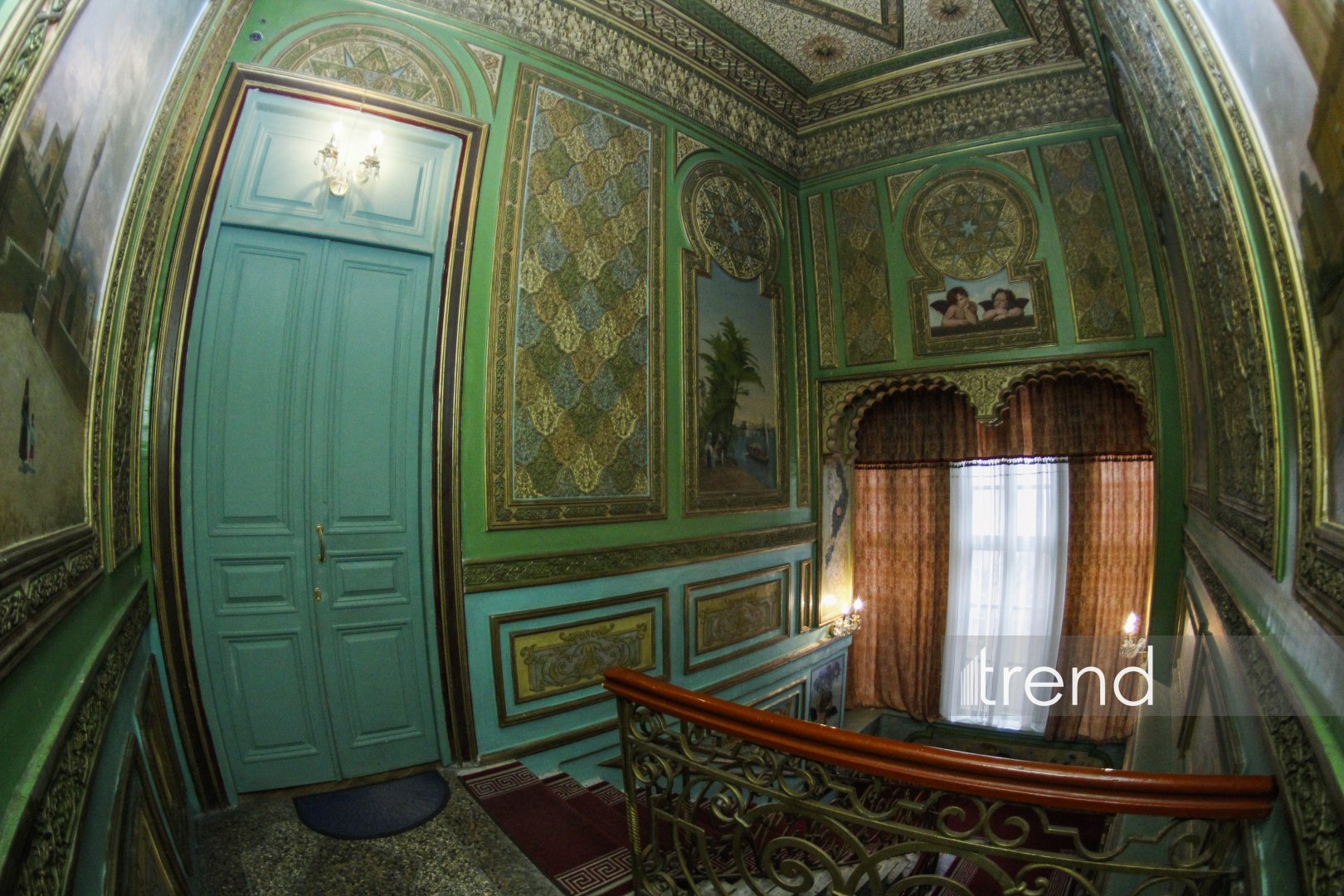
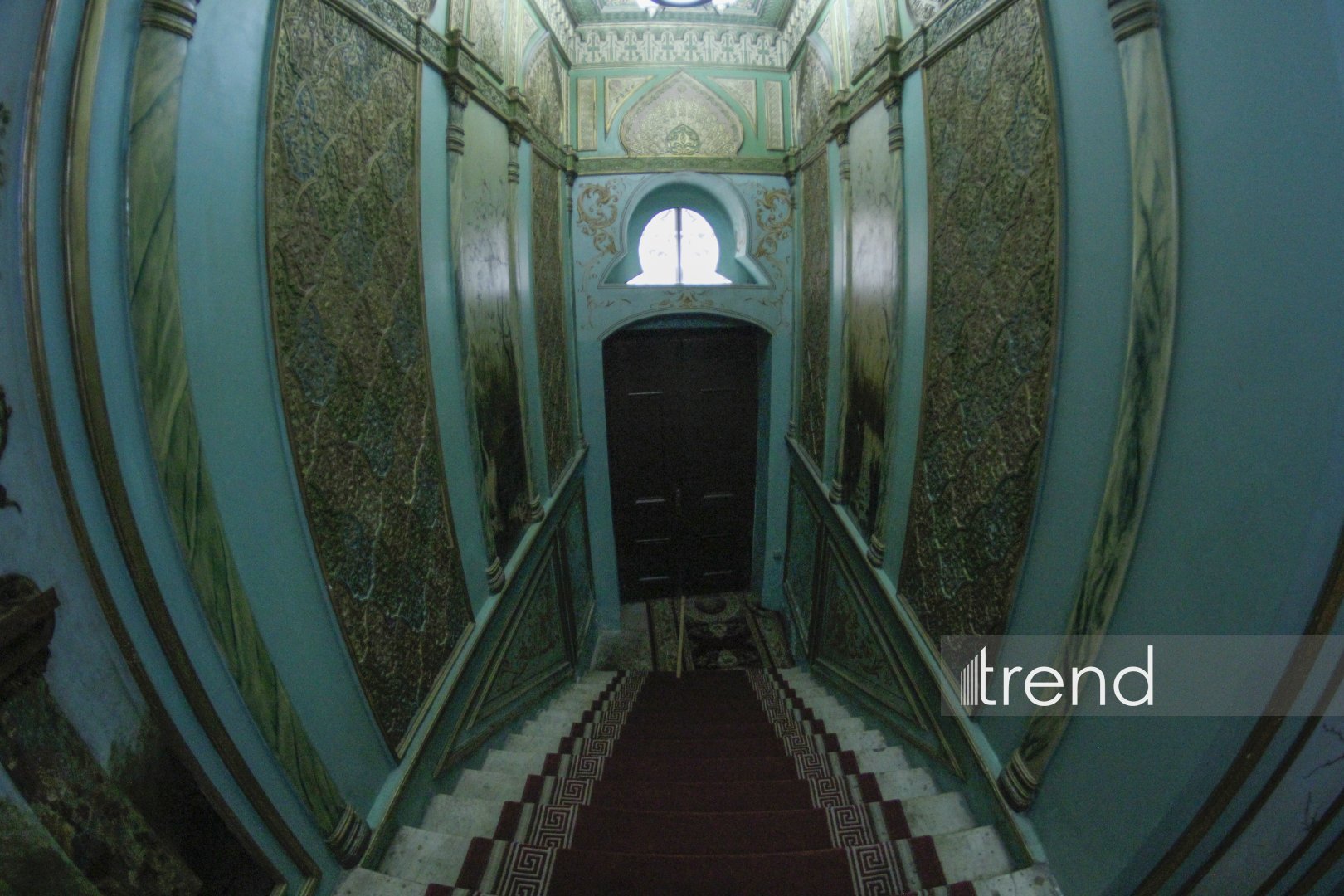
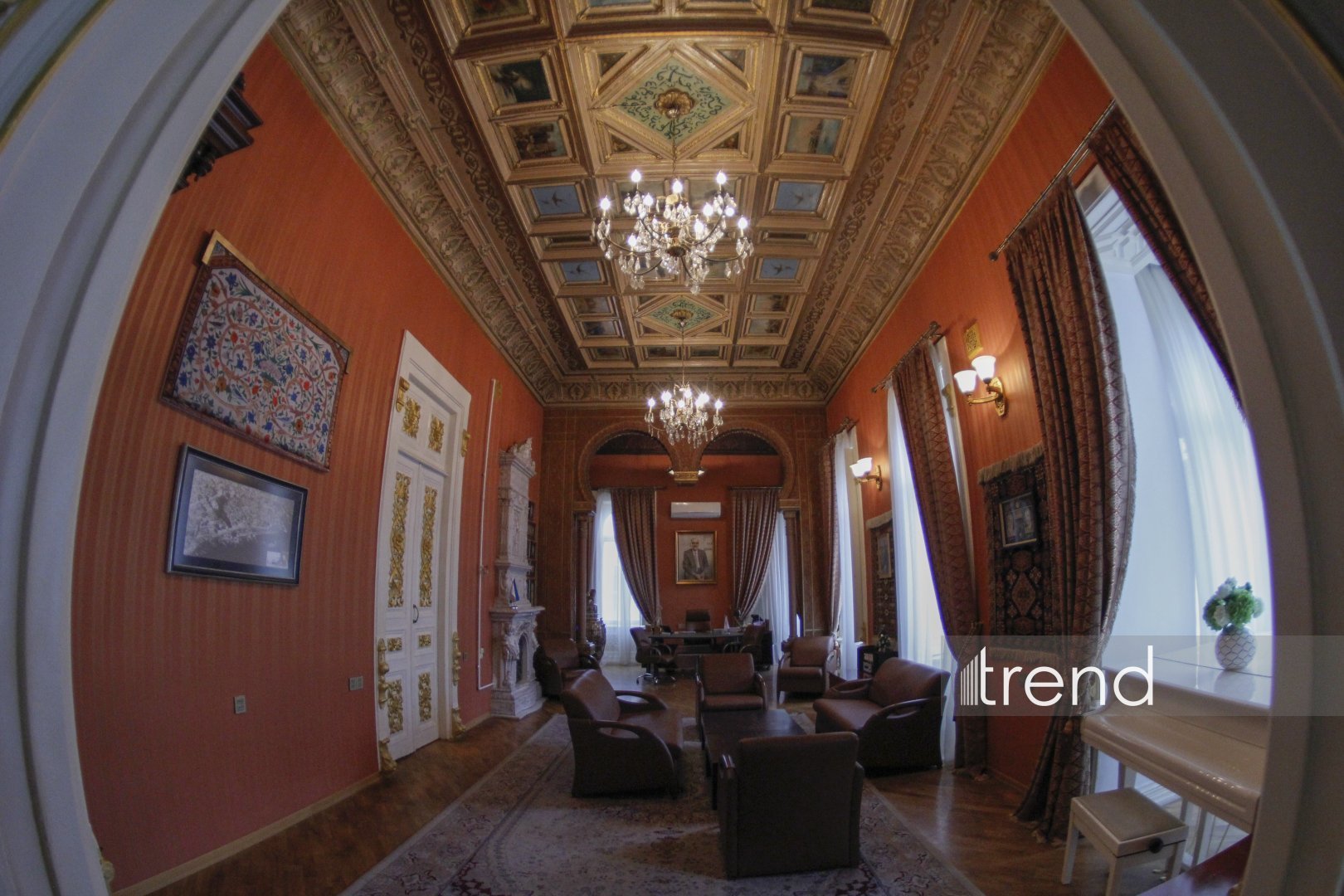
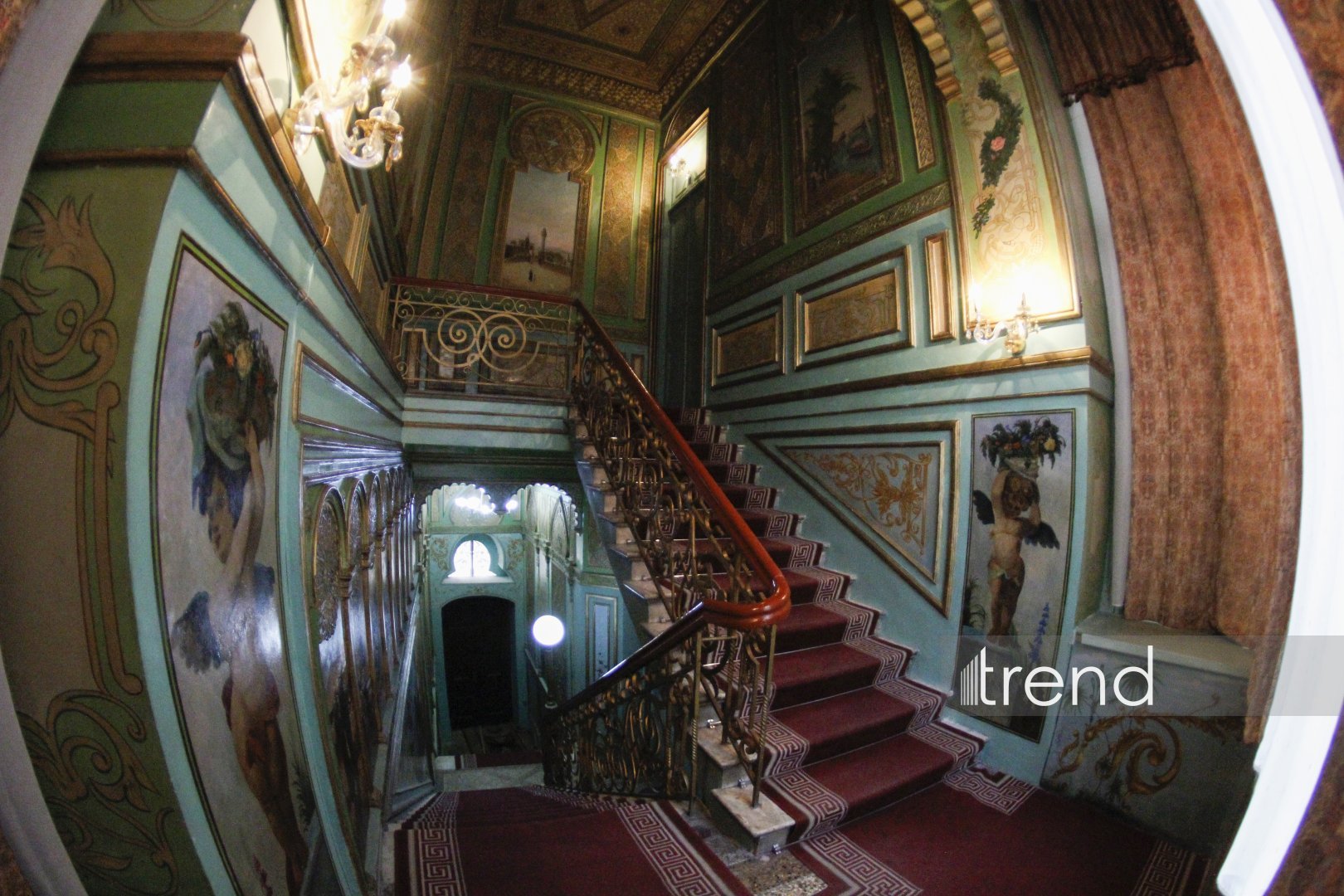
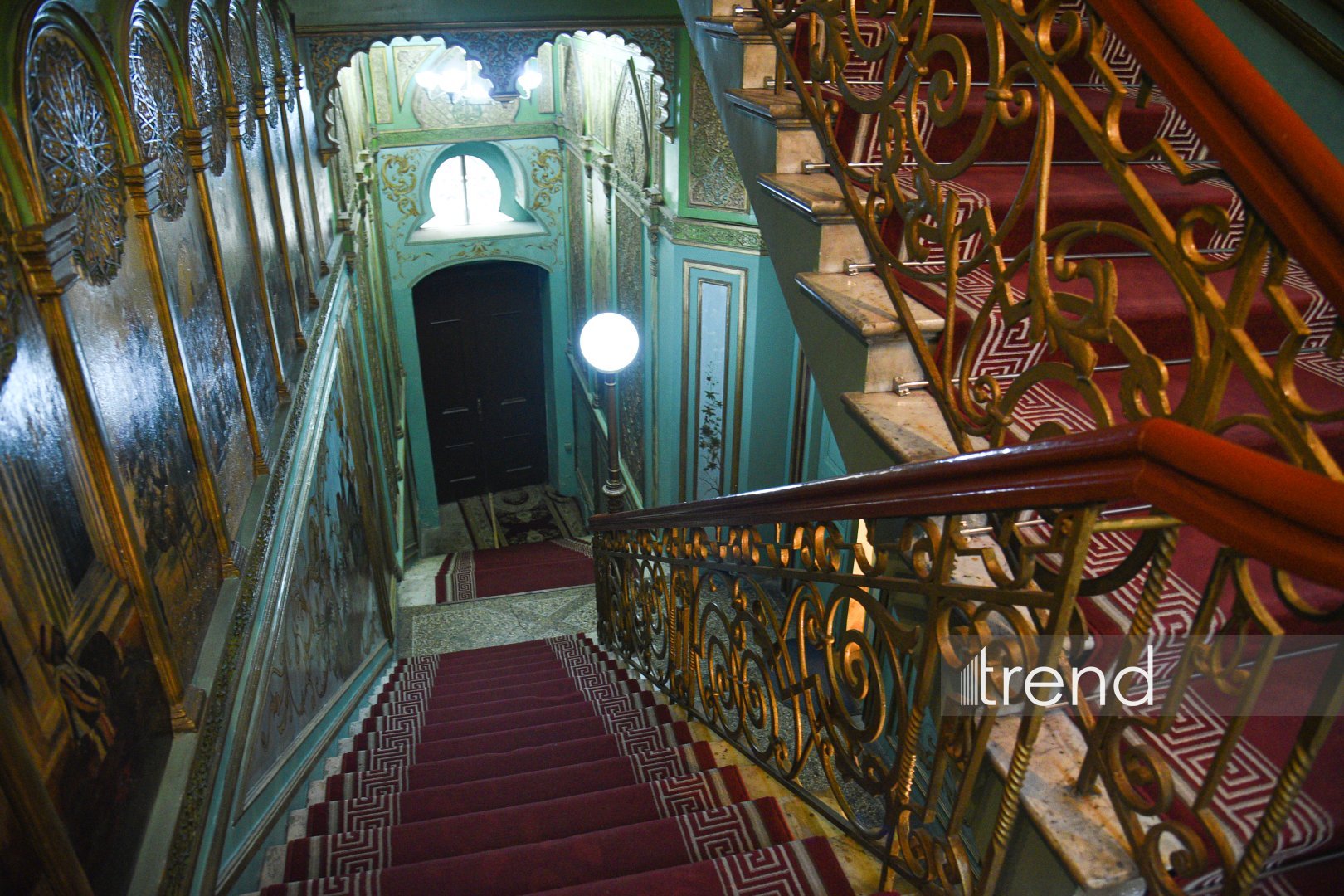
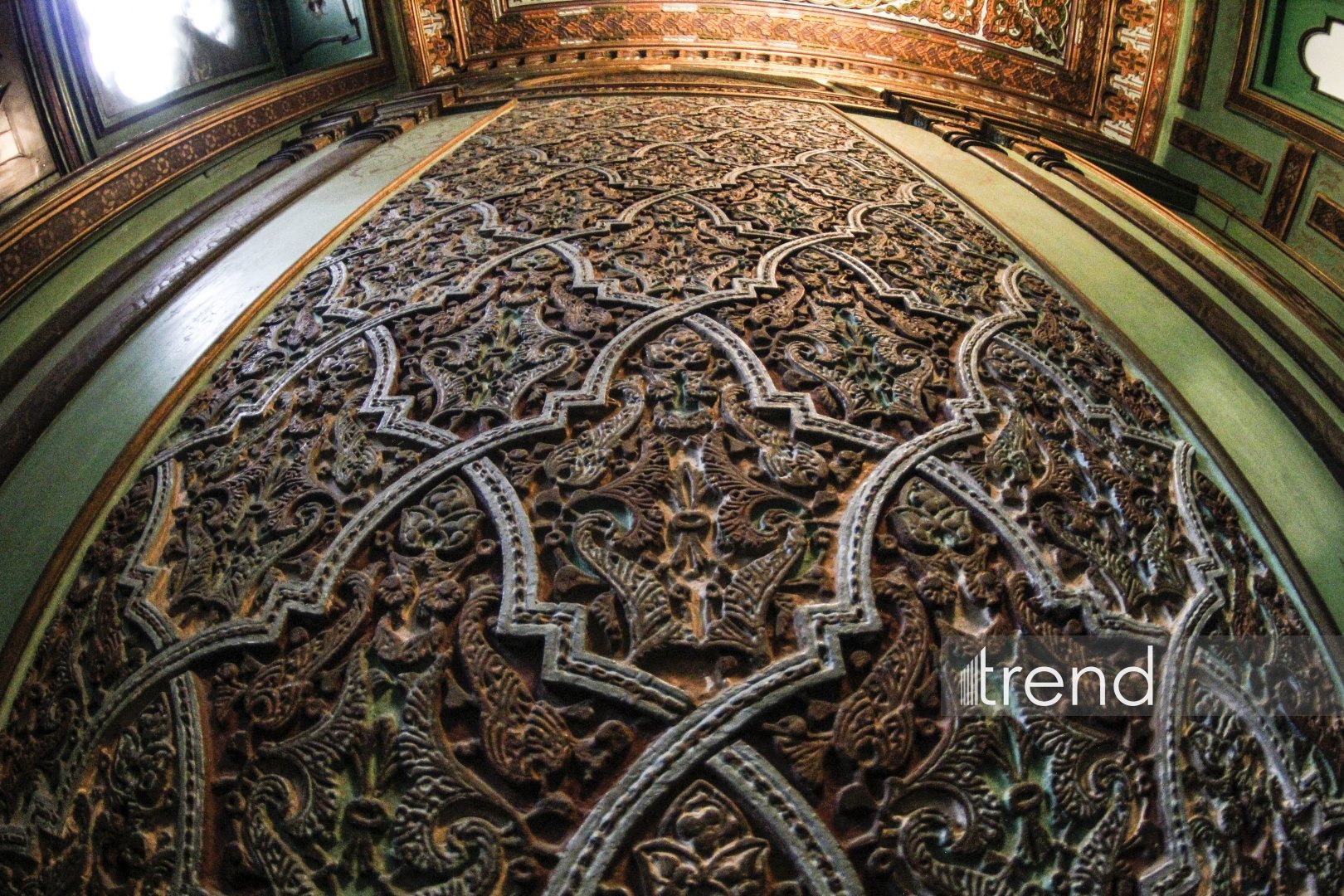
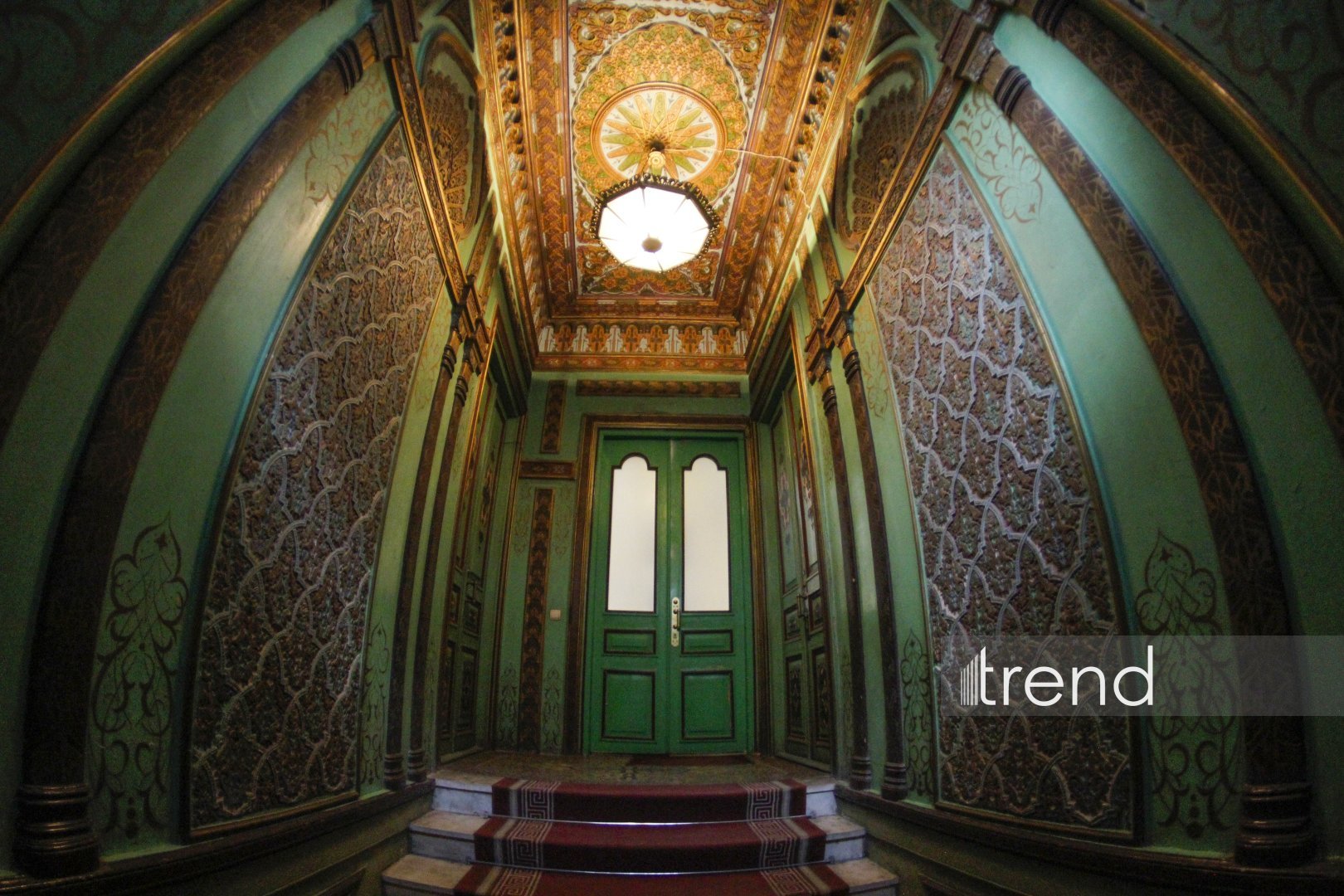
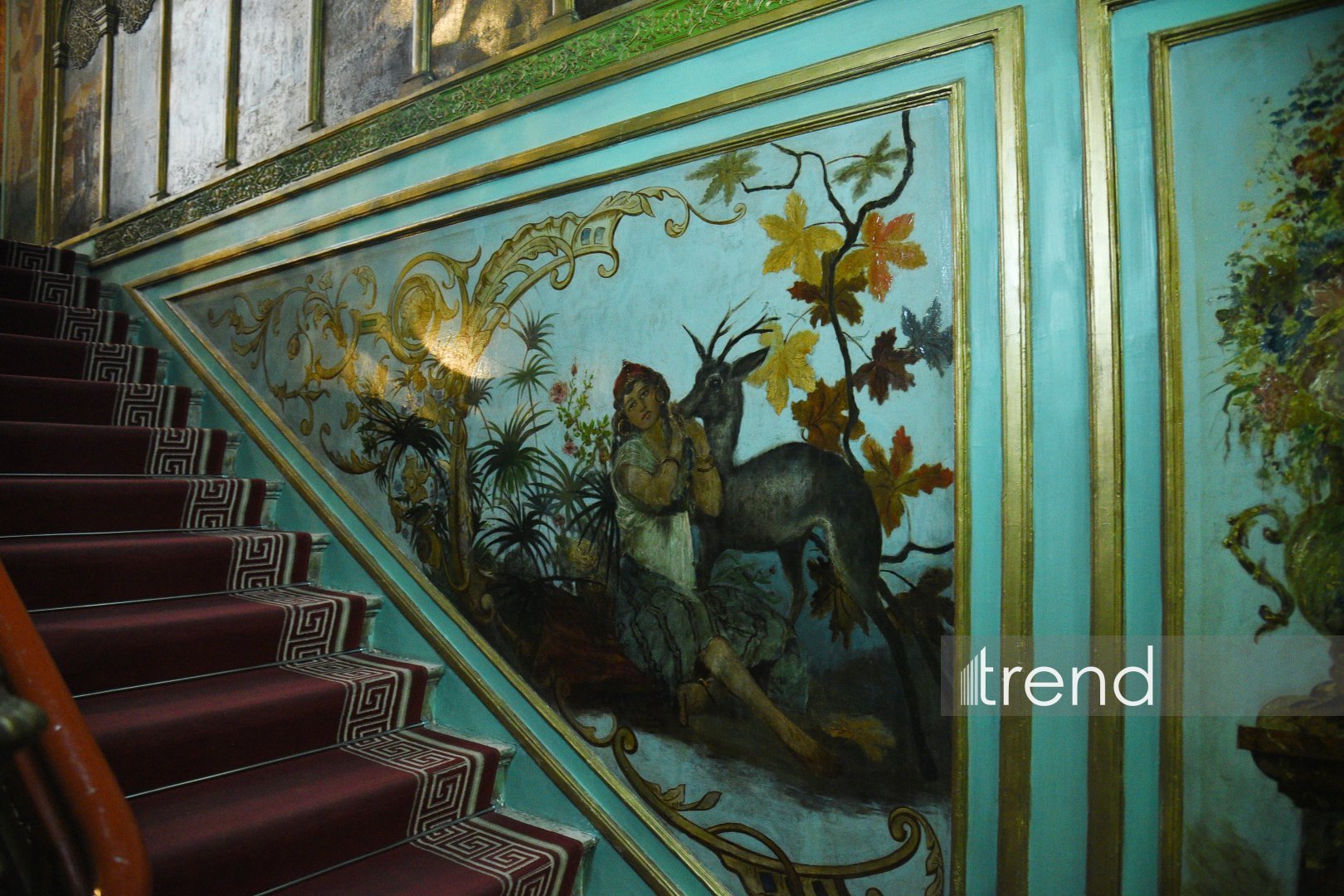
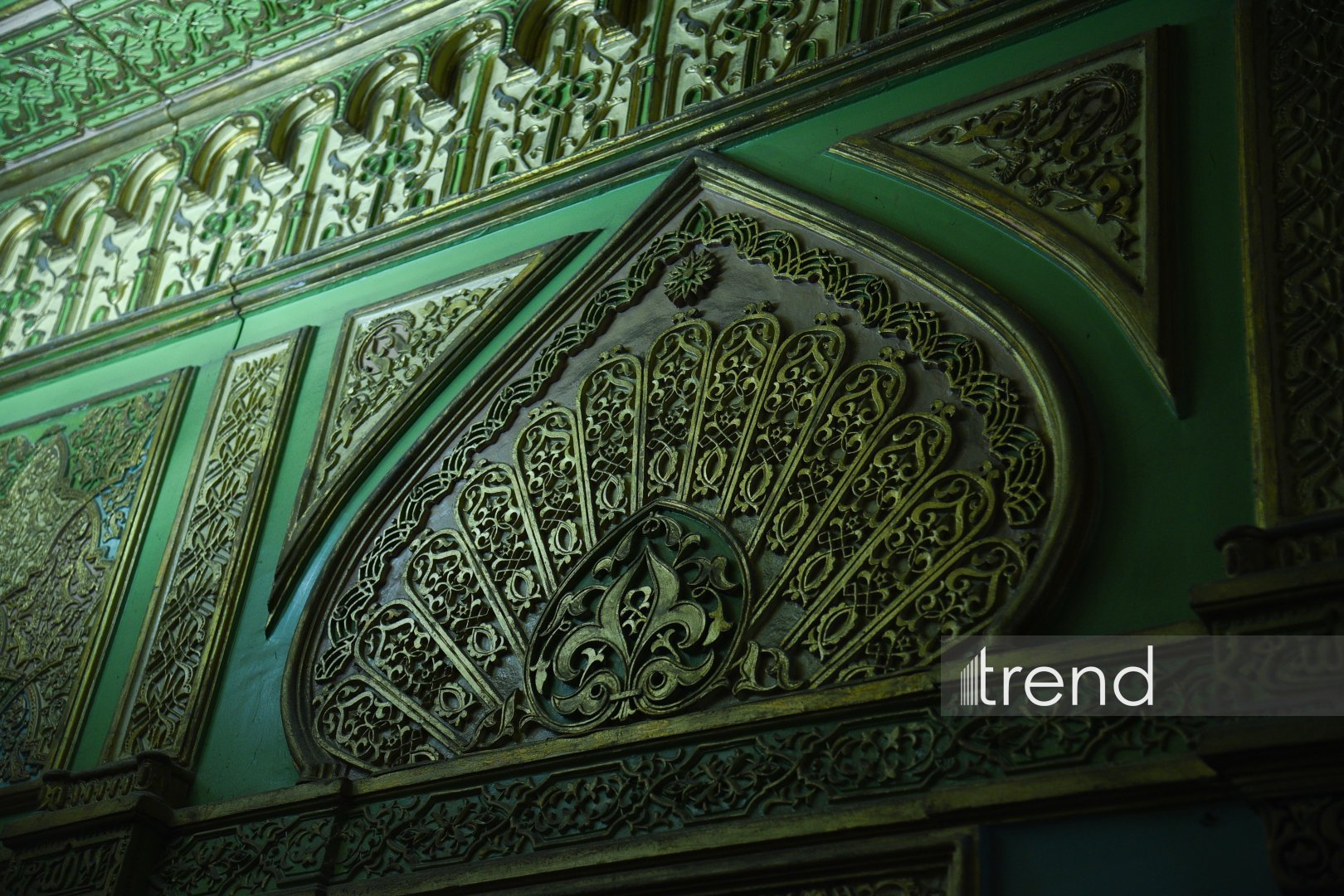
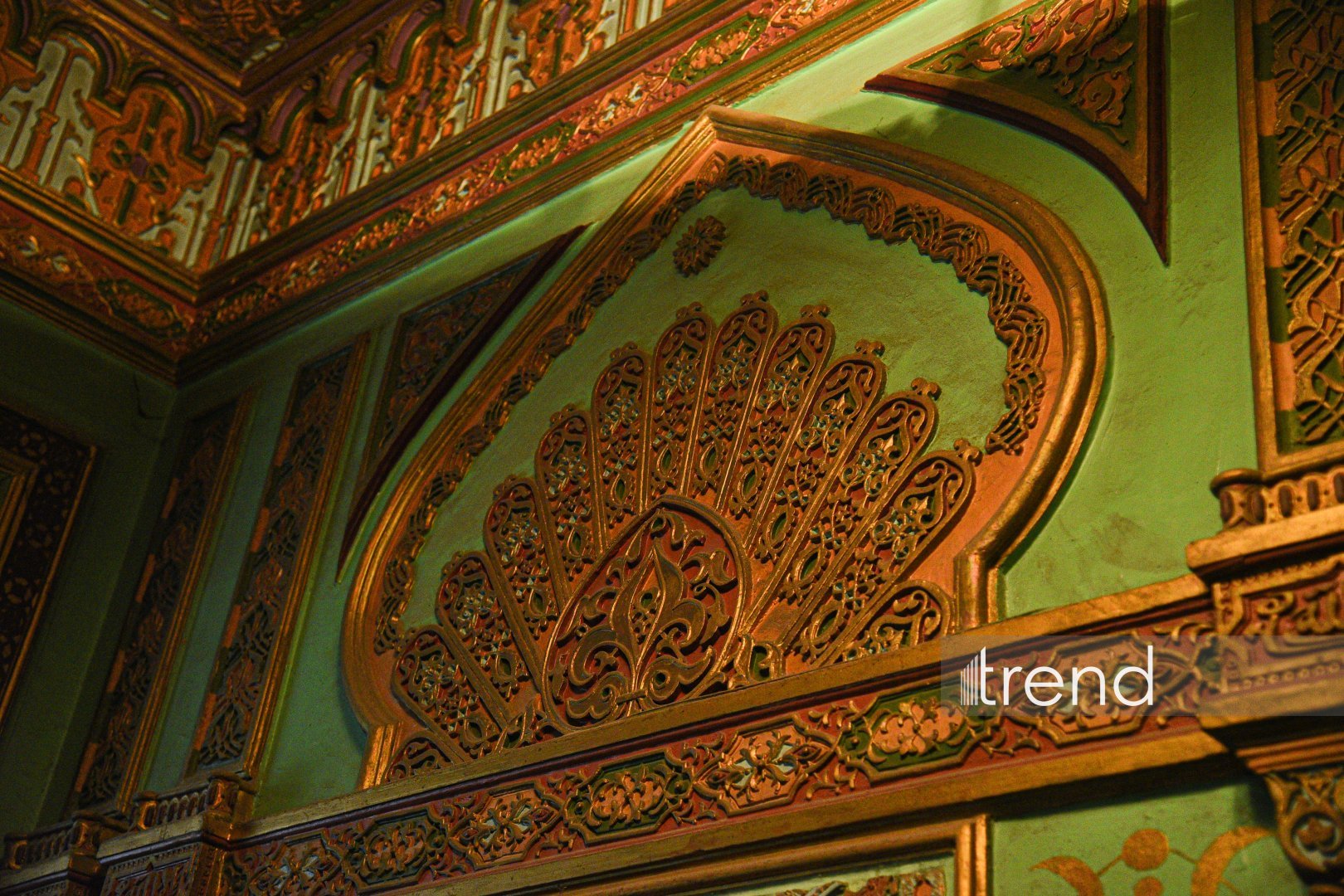
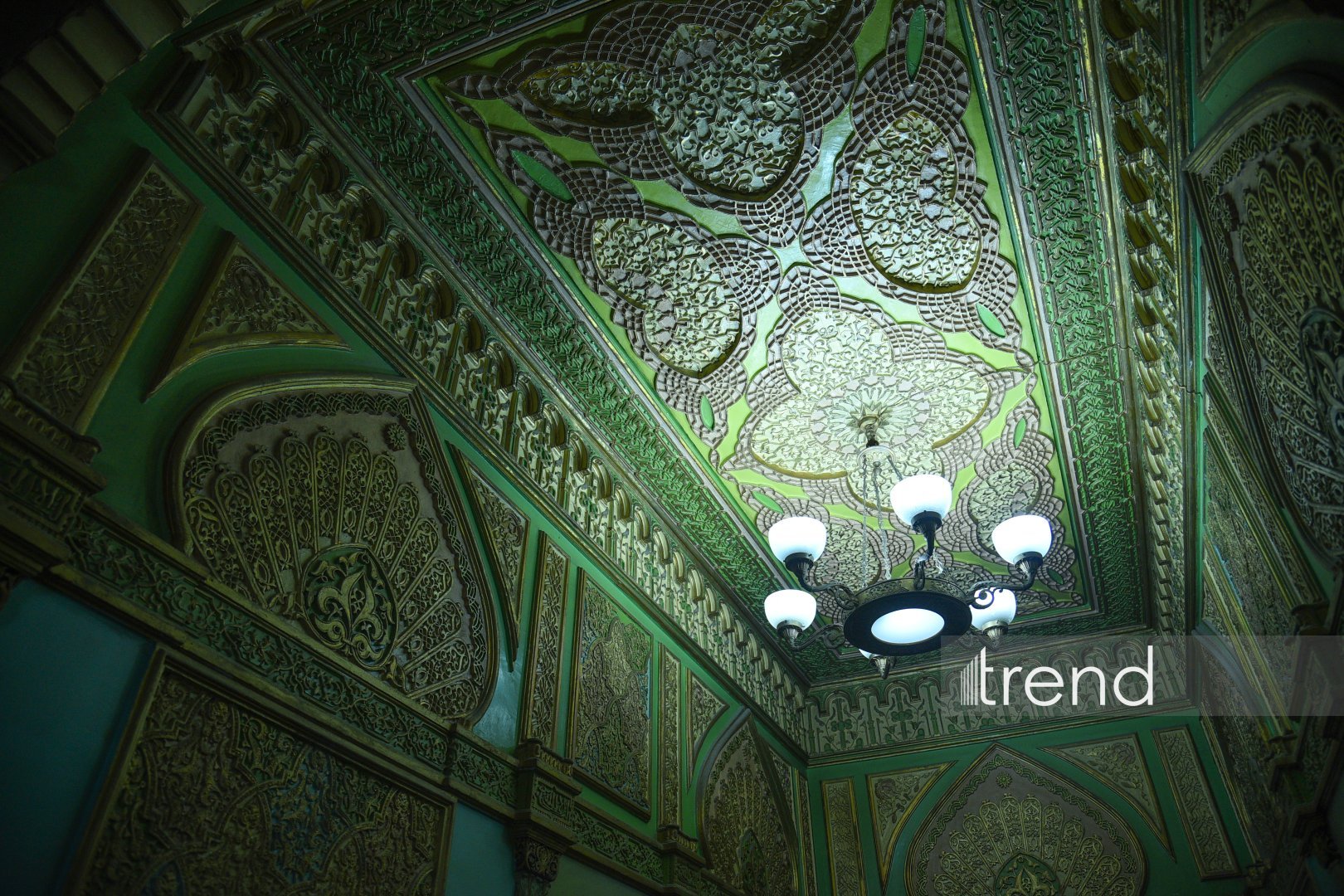
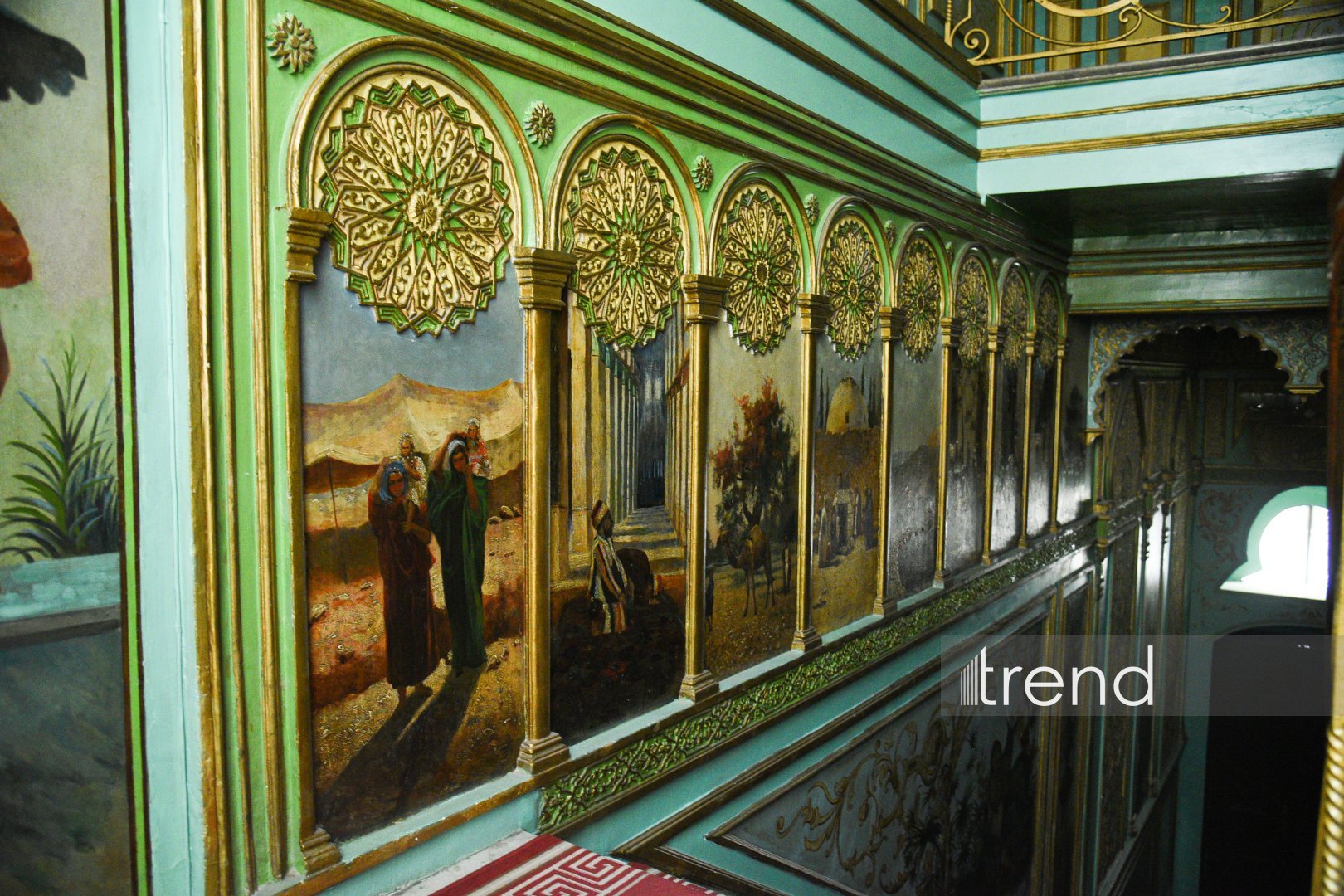
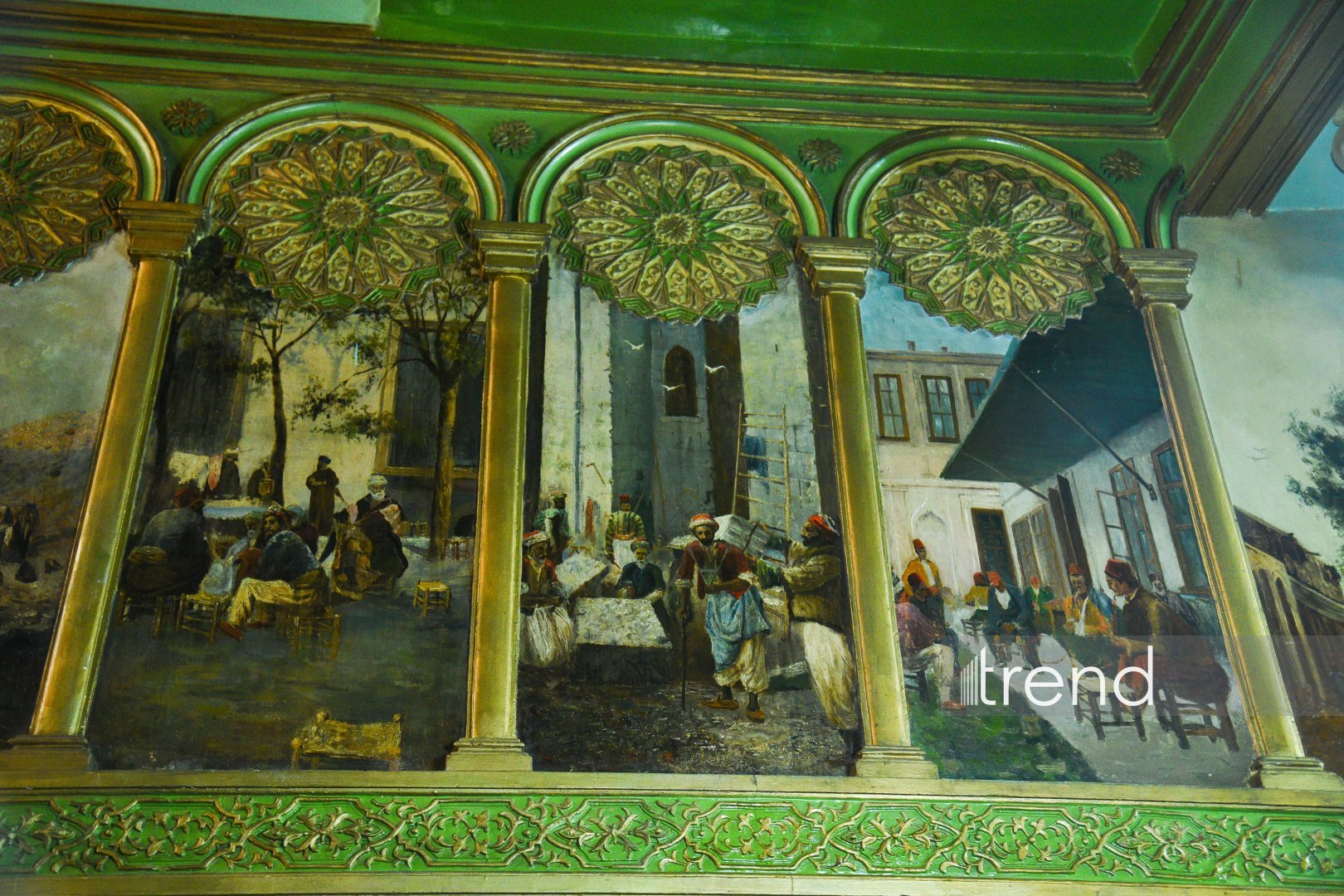
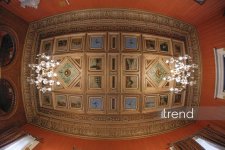
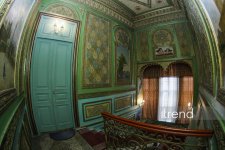
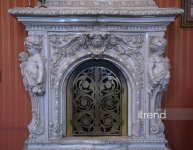
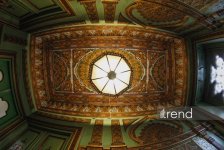
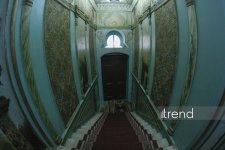
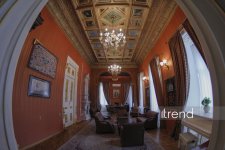
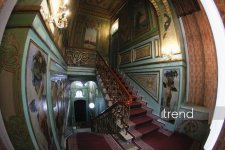
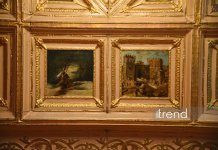
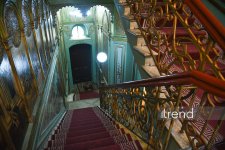
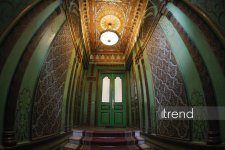
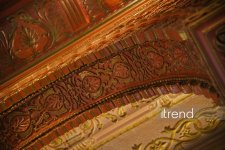
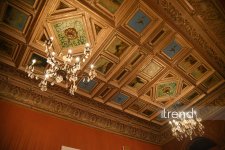
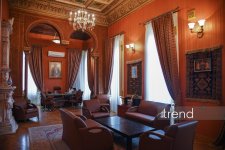
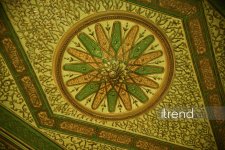
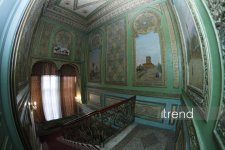
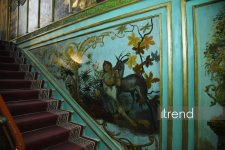
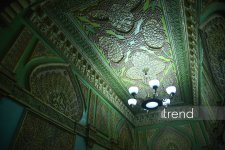
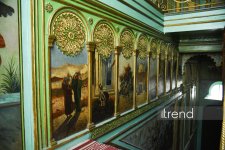
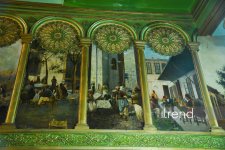
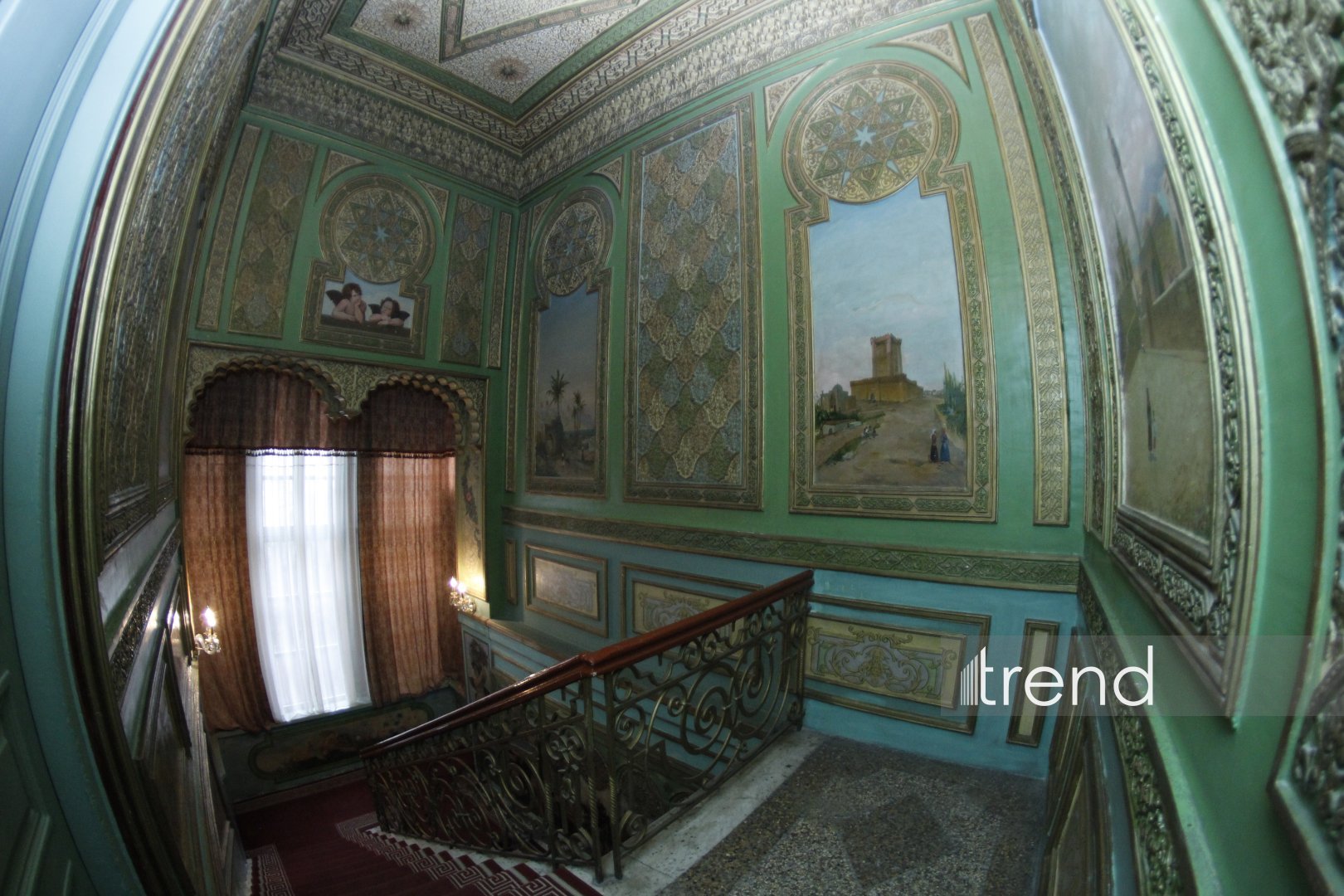
The light Baku stone lends the building a soft and noble air, and the meticulous attention to detail creates the feeling that this is not just a city house, but an oriental palace, seamlessly integrated into the modernizing city of the early 20th century. The grand staircase is decorated with carved railings and painted ceilings, while the marble stairwells and interiors of the halls boast a rich and thoughtful architectural design.
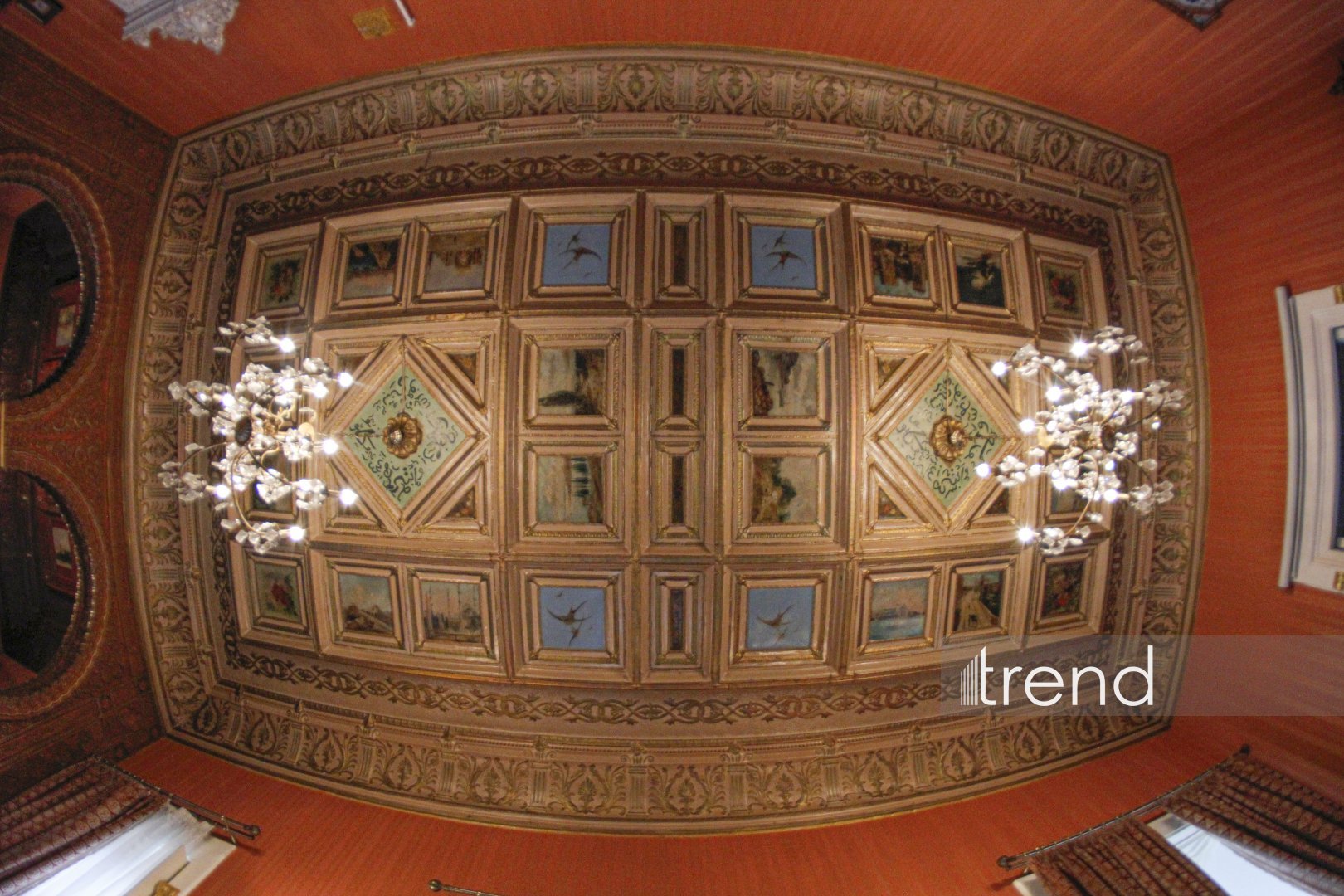
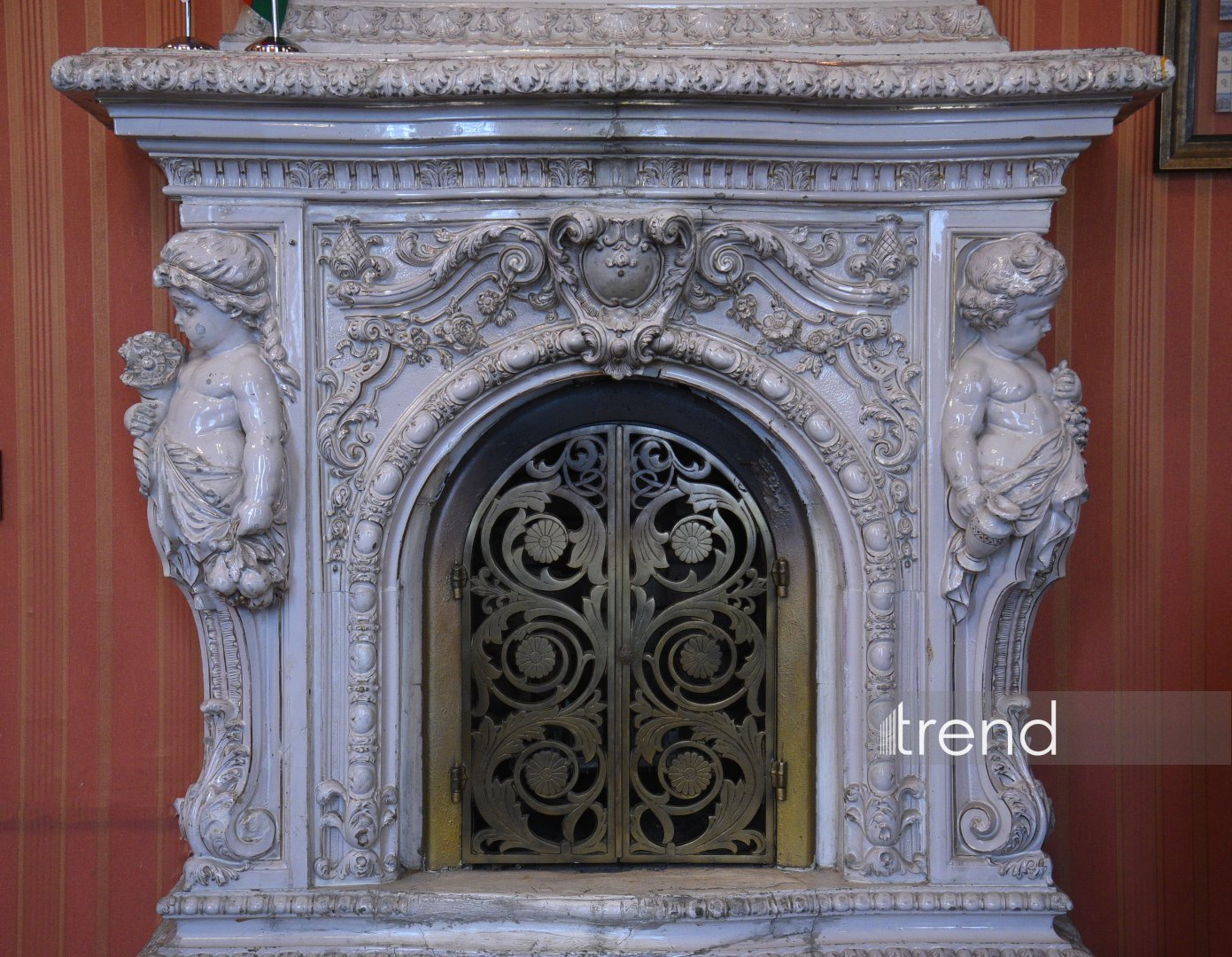
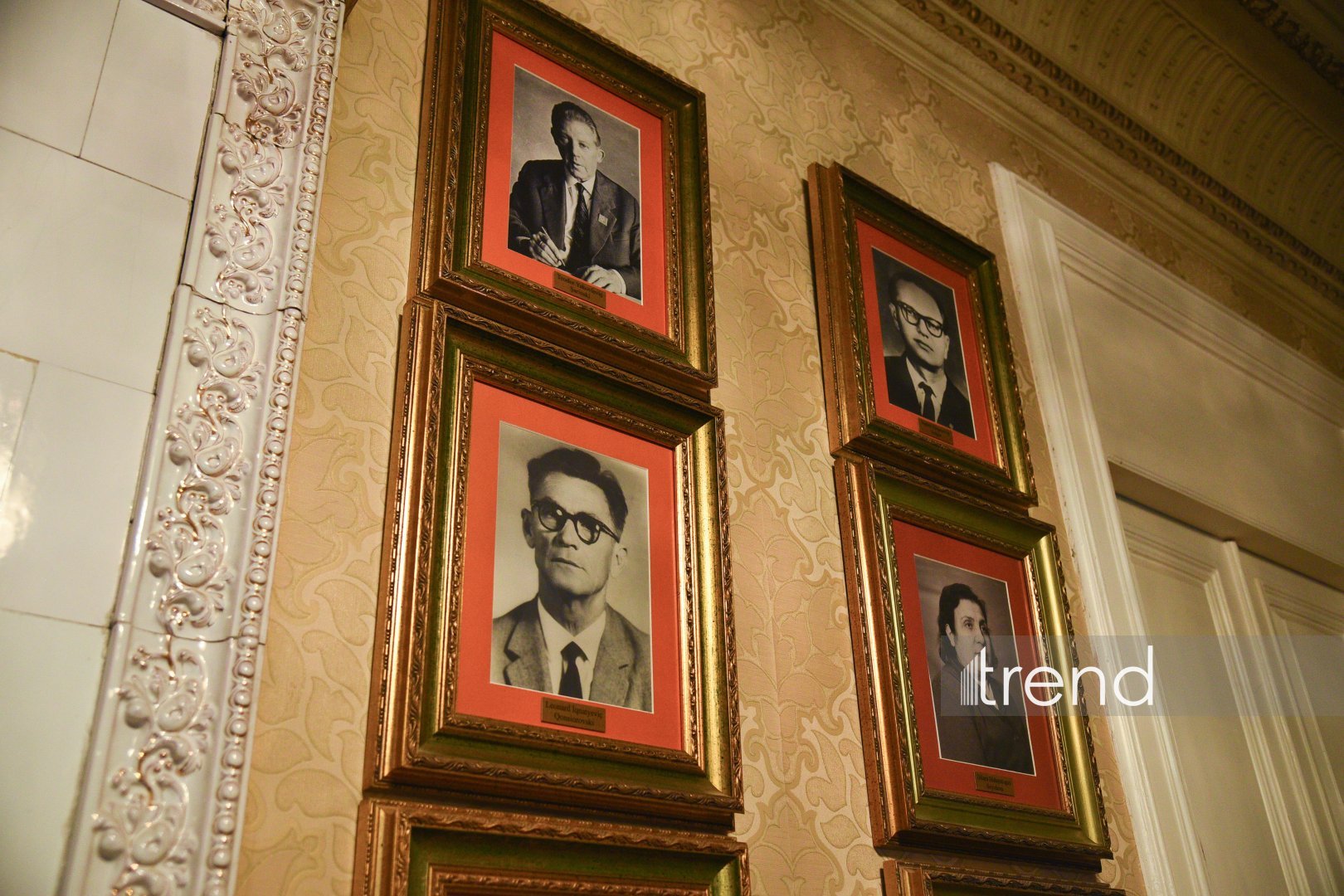
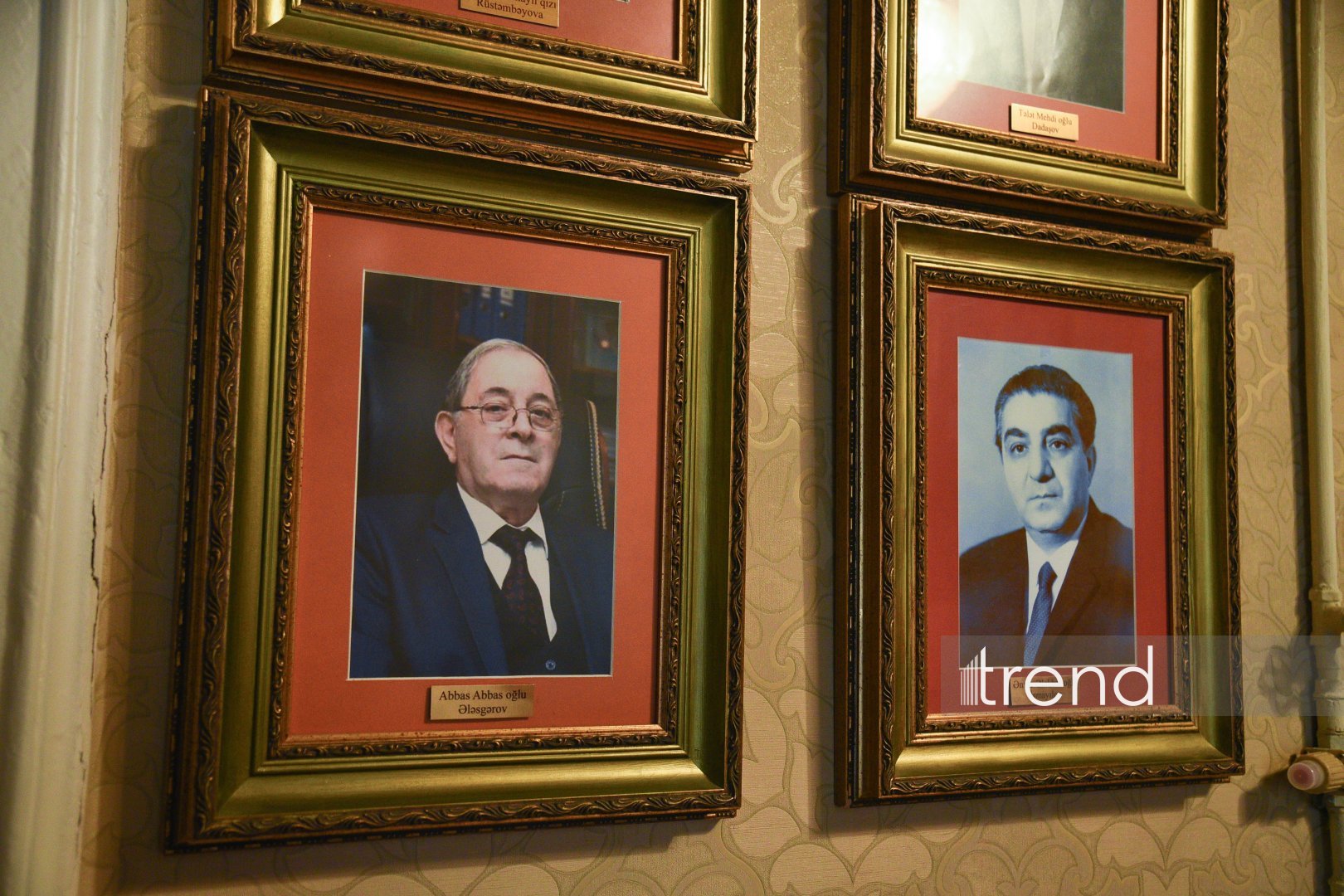
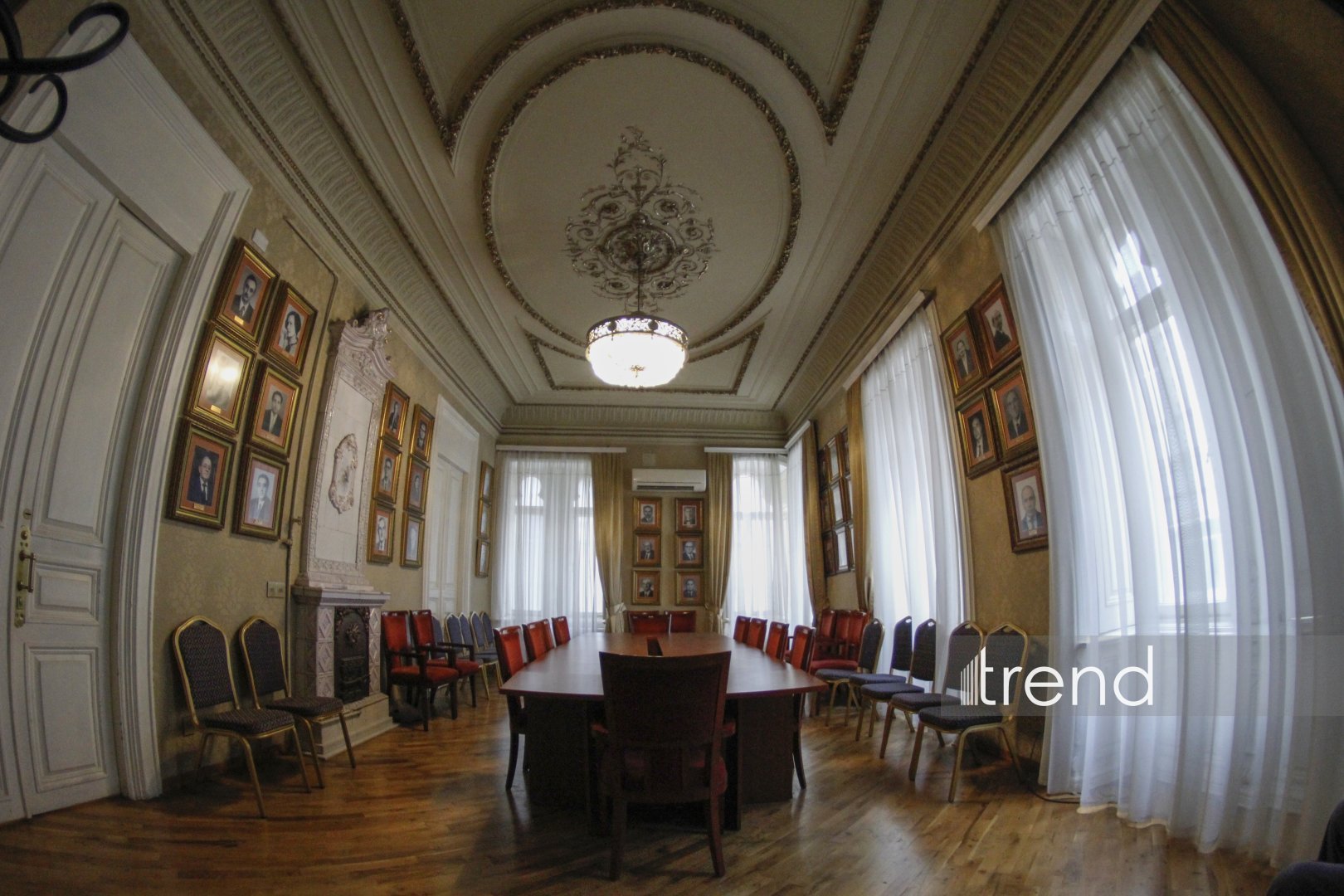
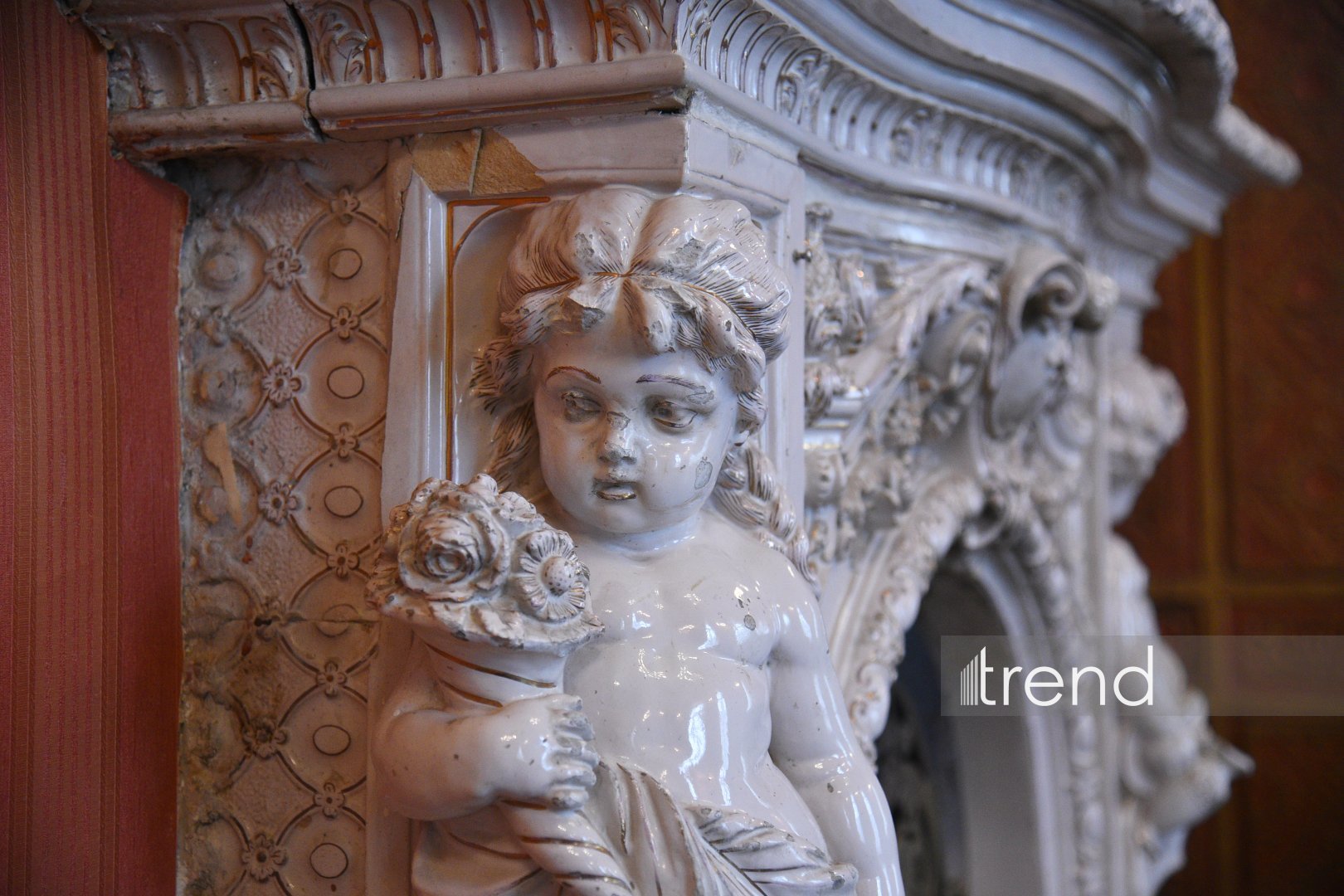
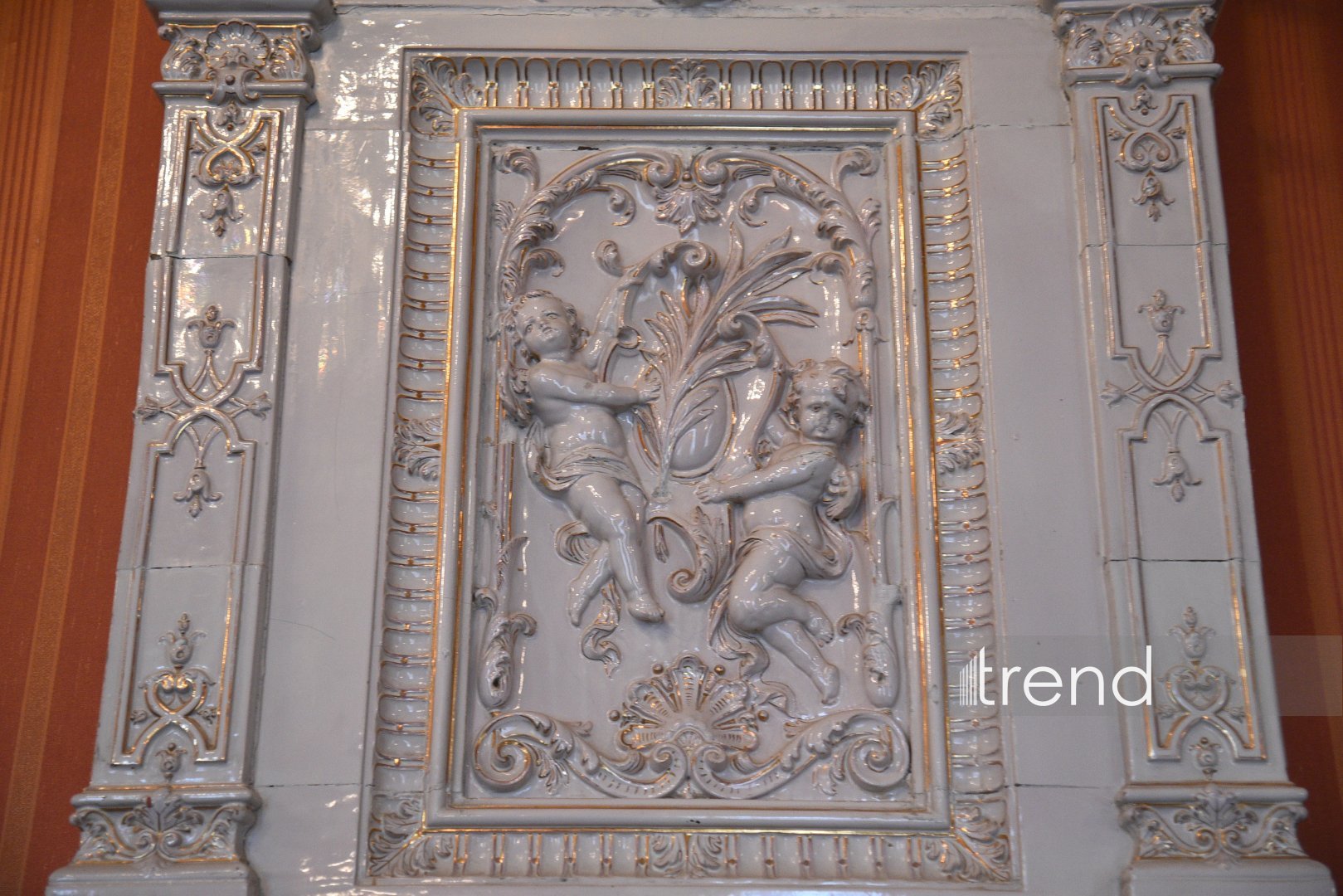
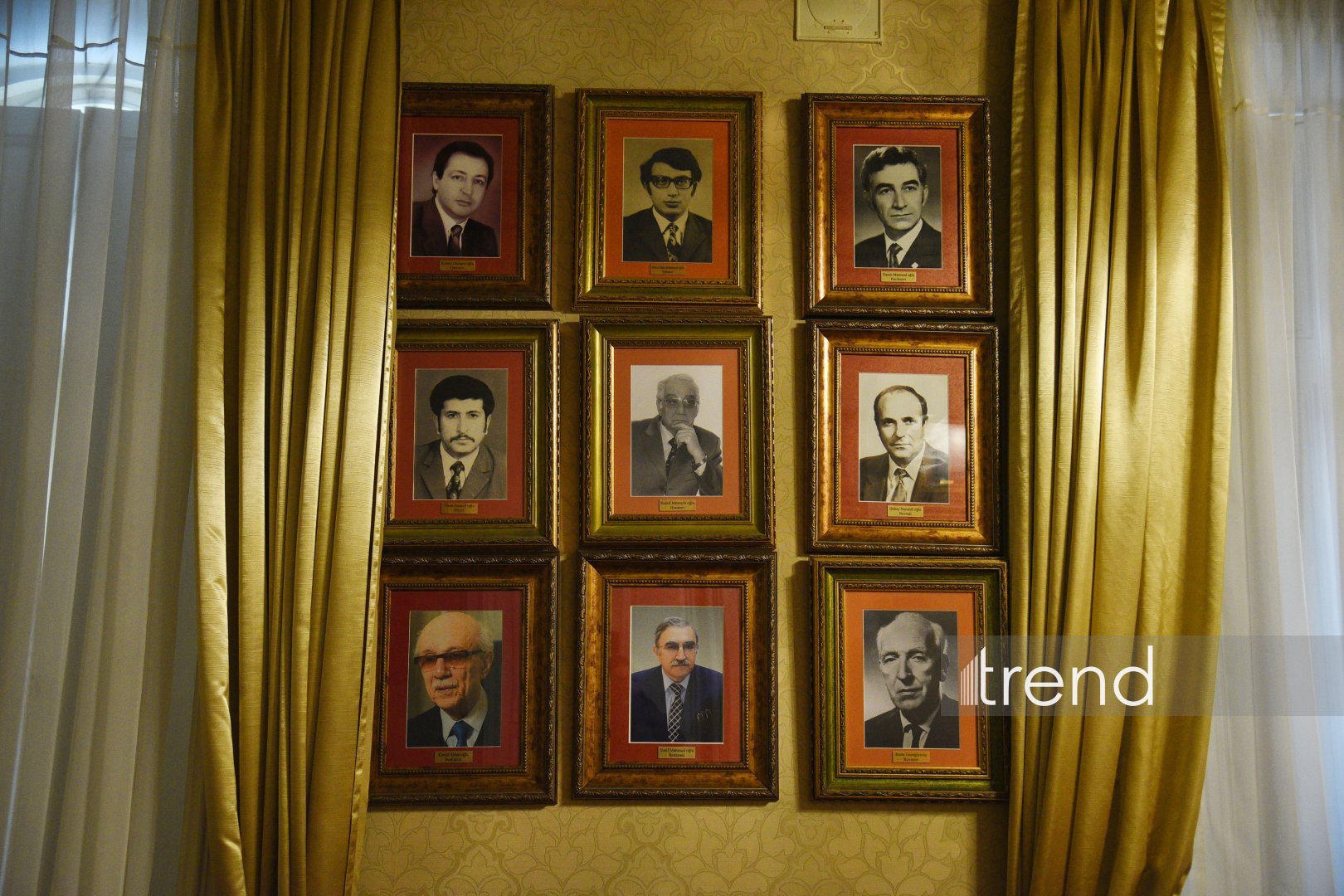
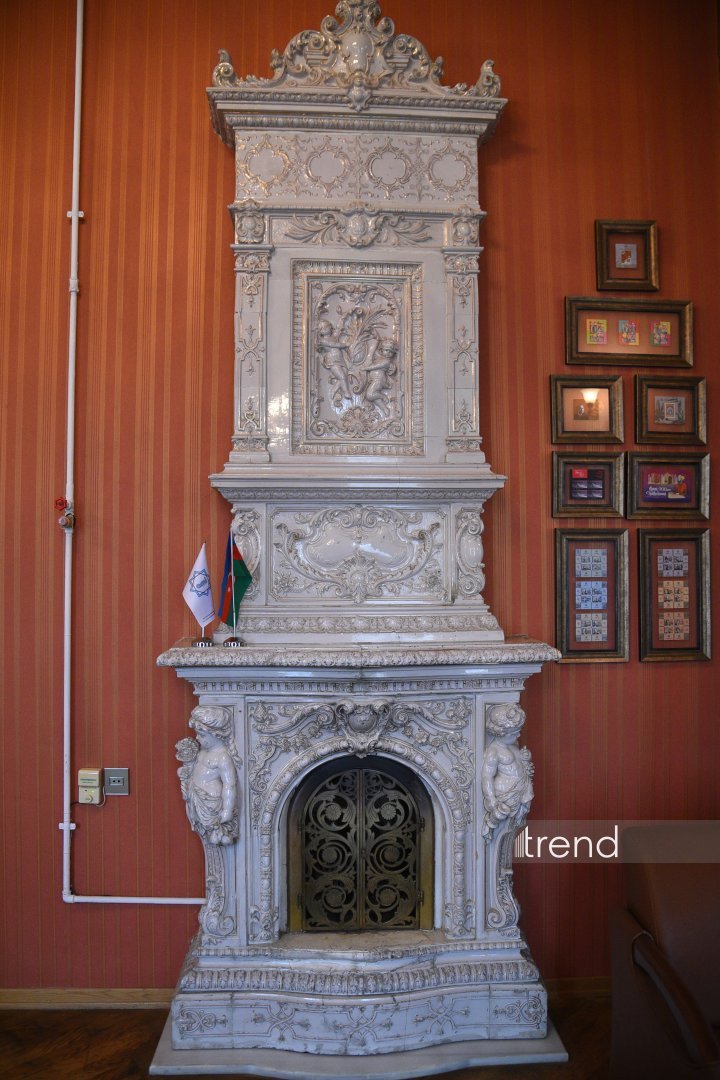
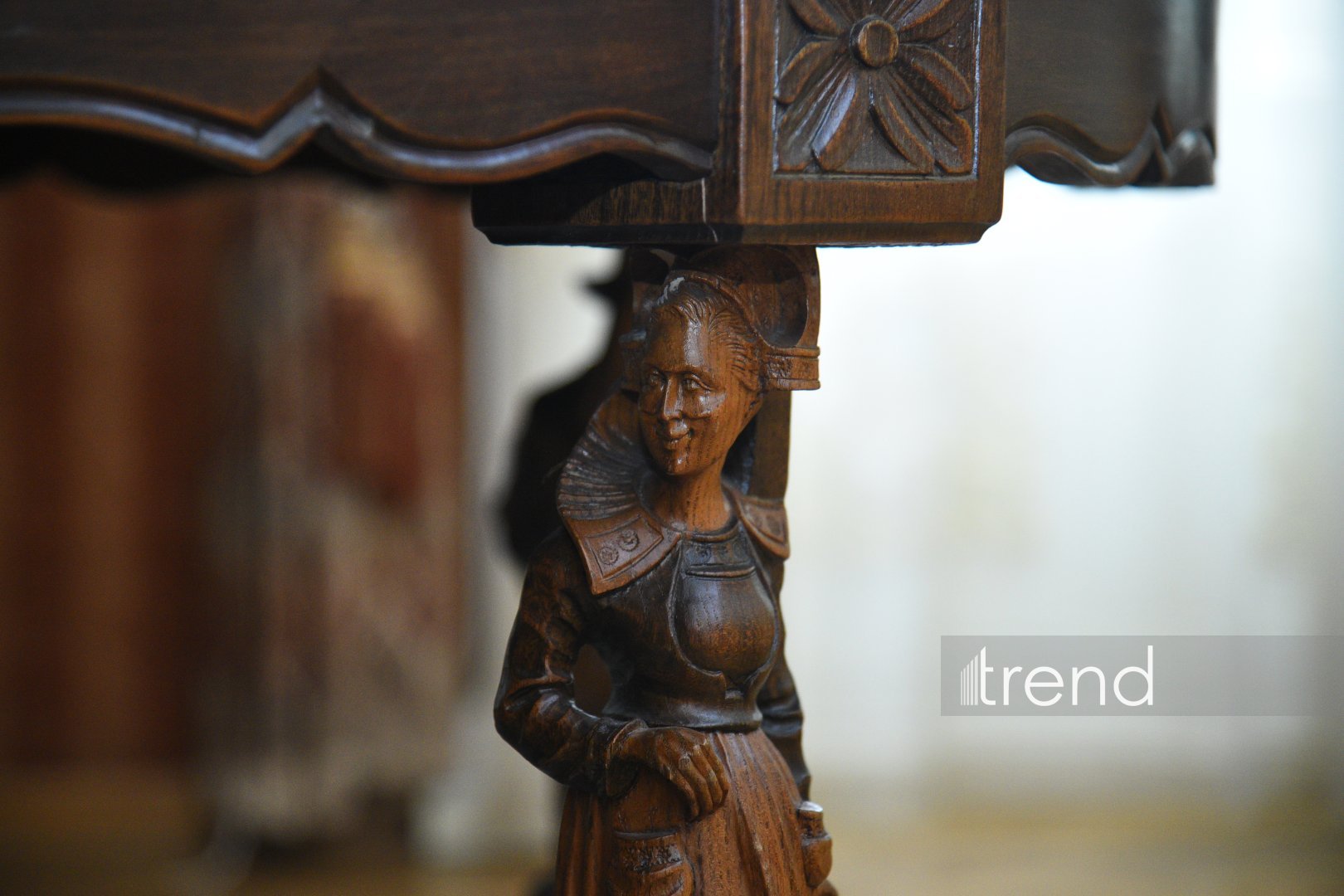
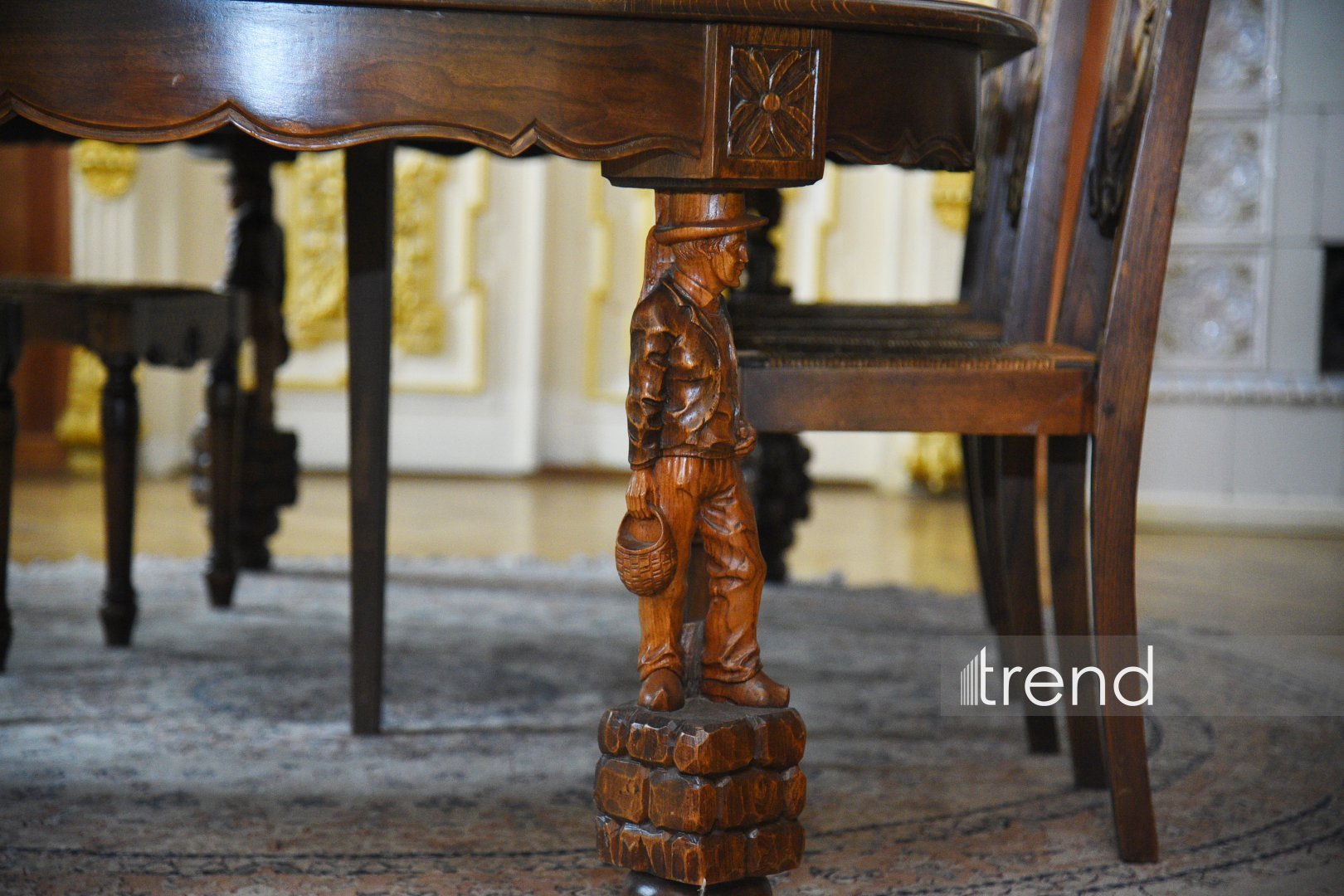
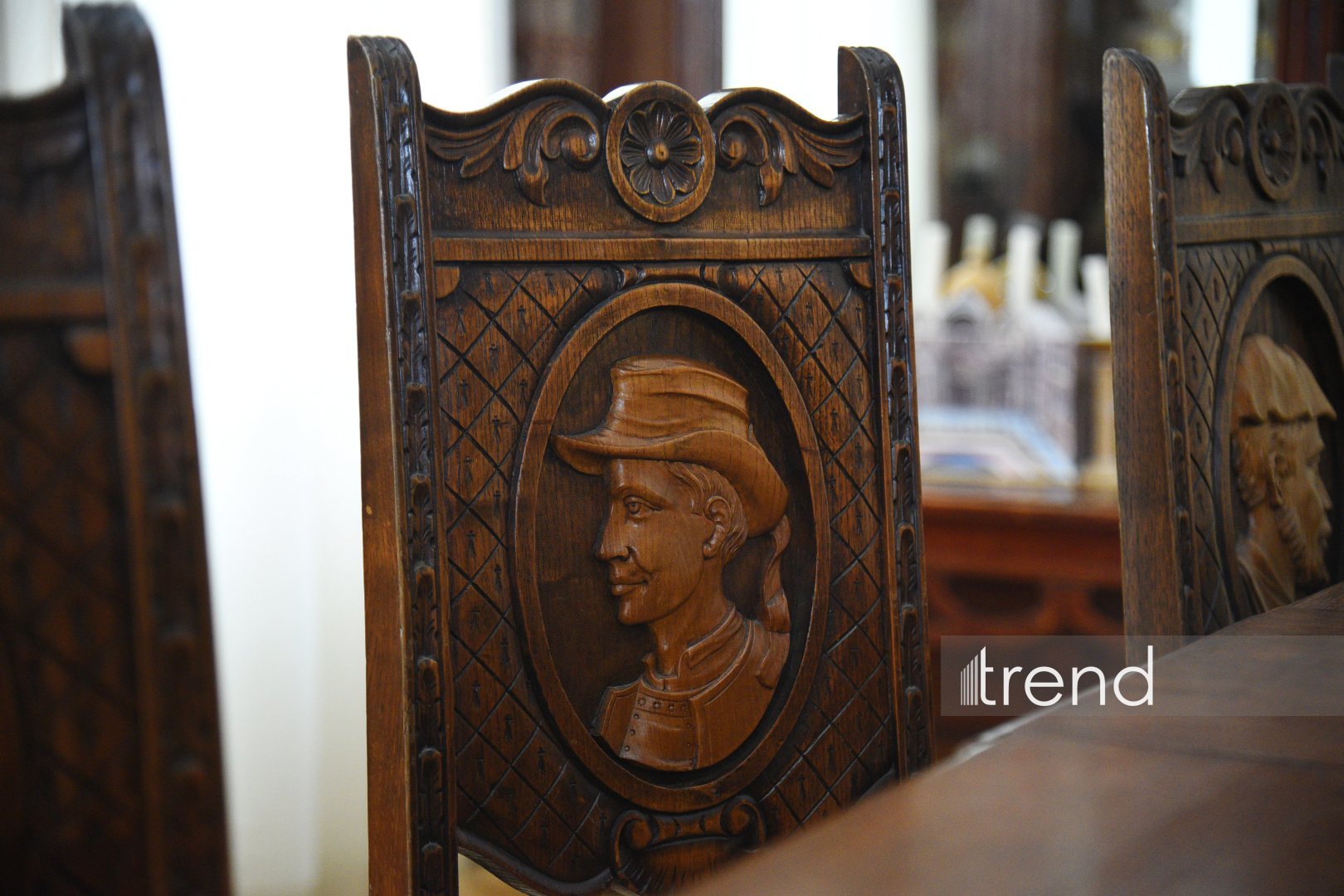
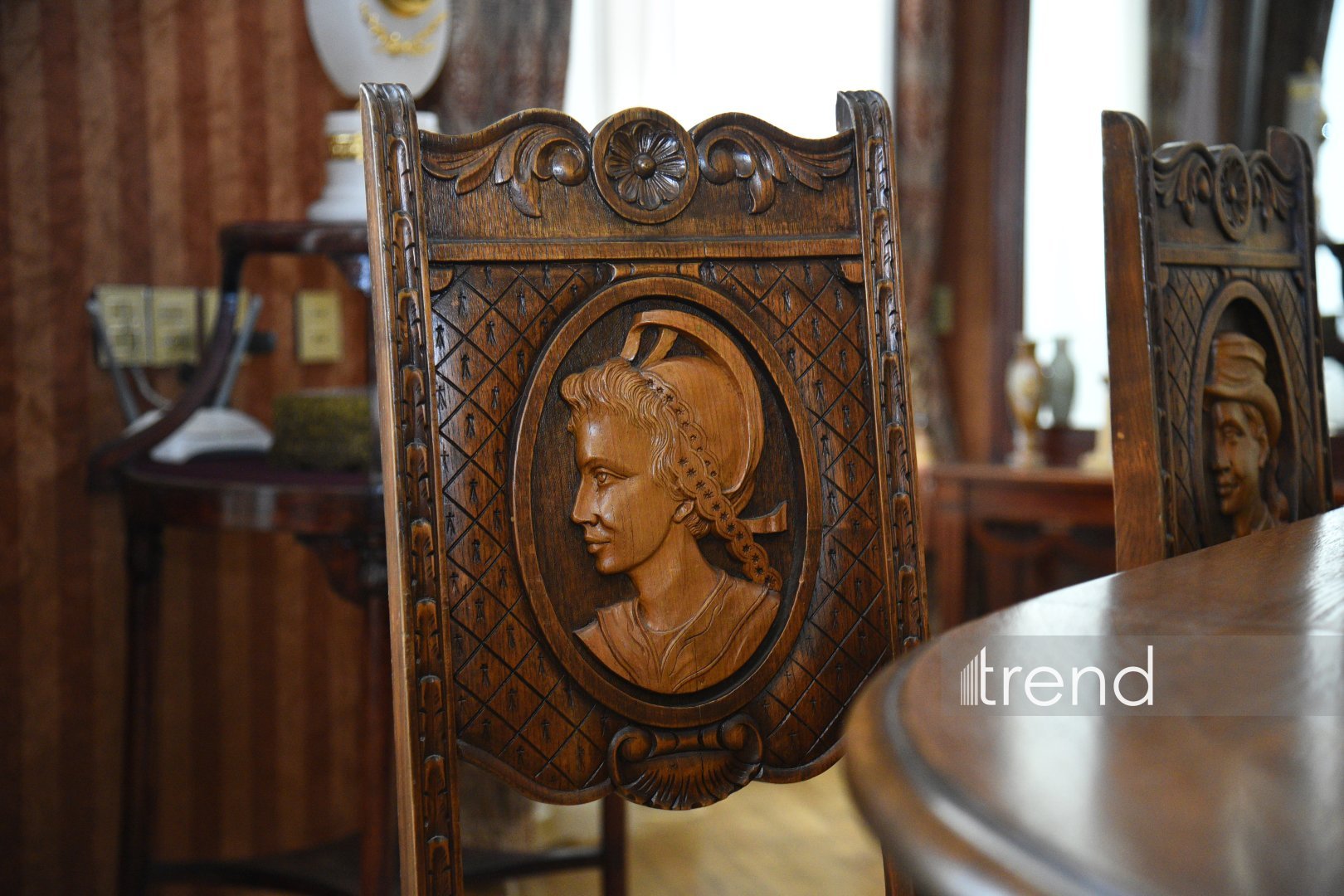
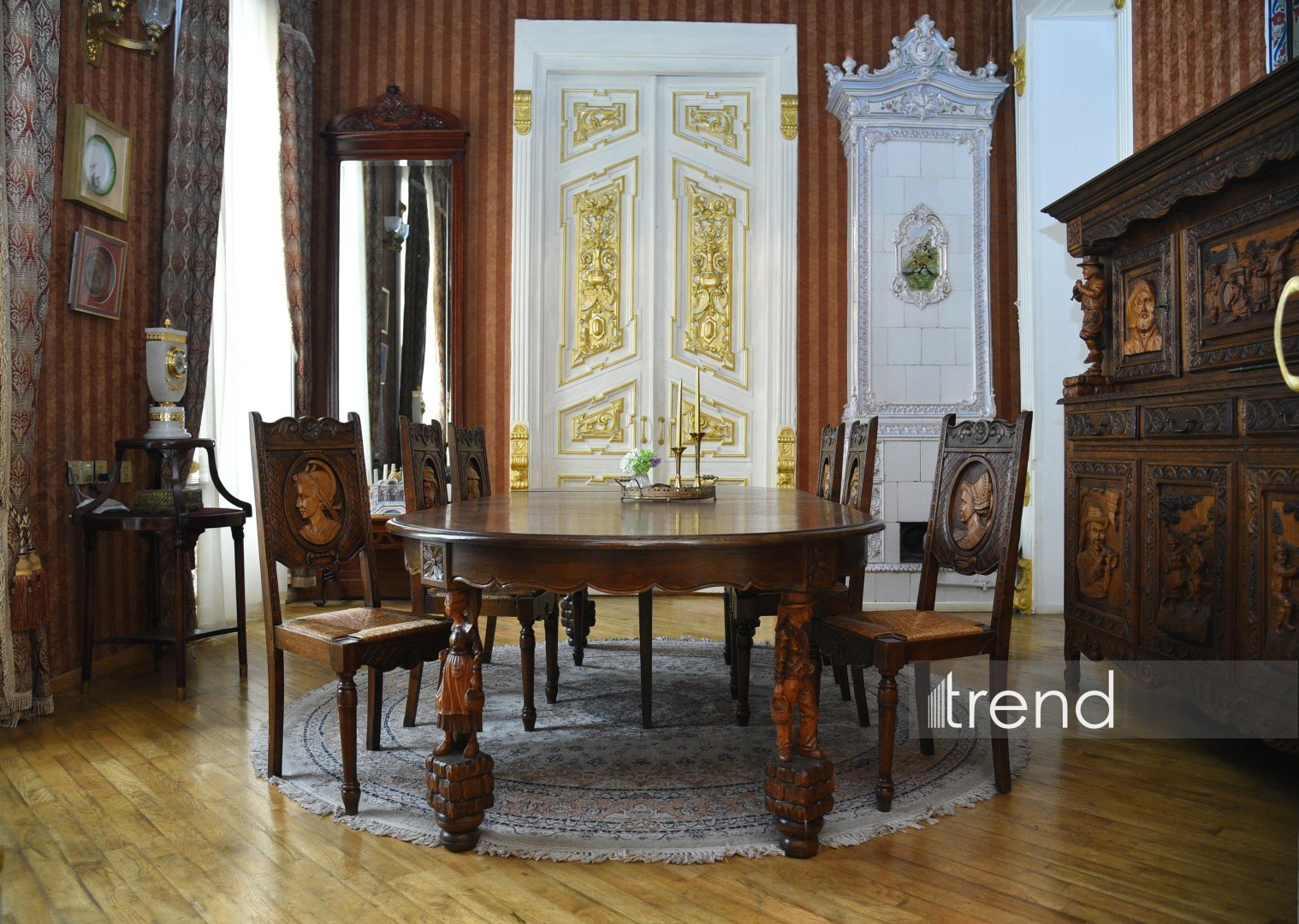
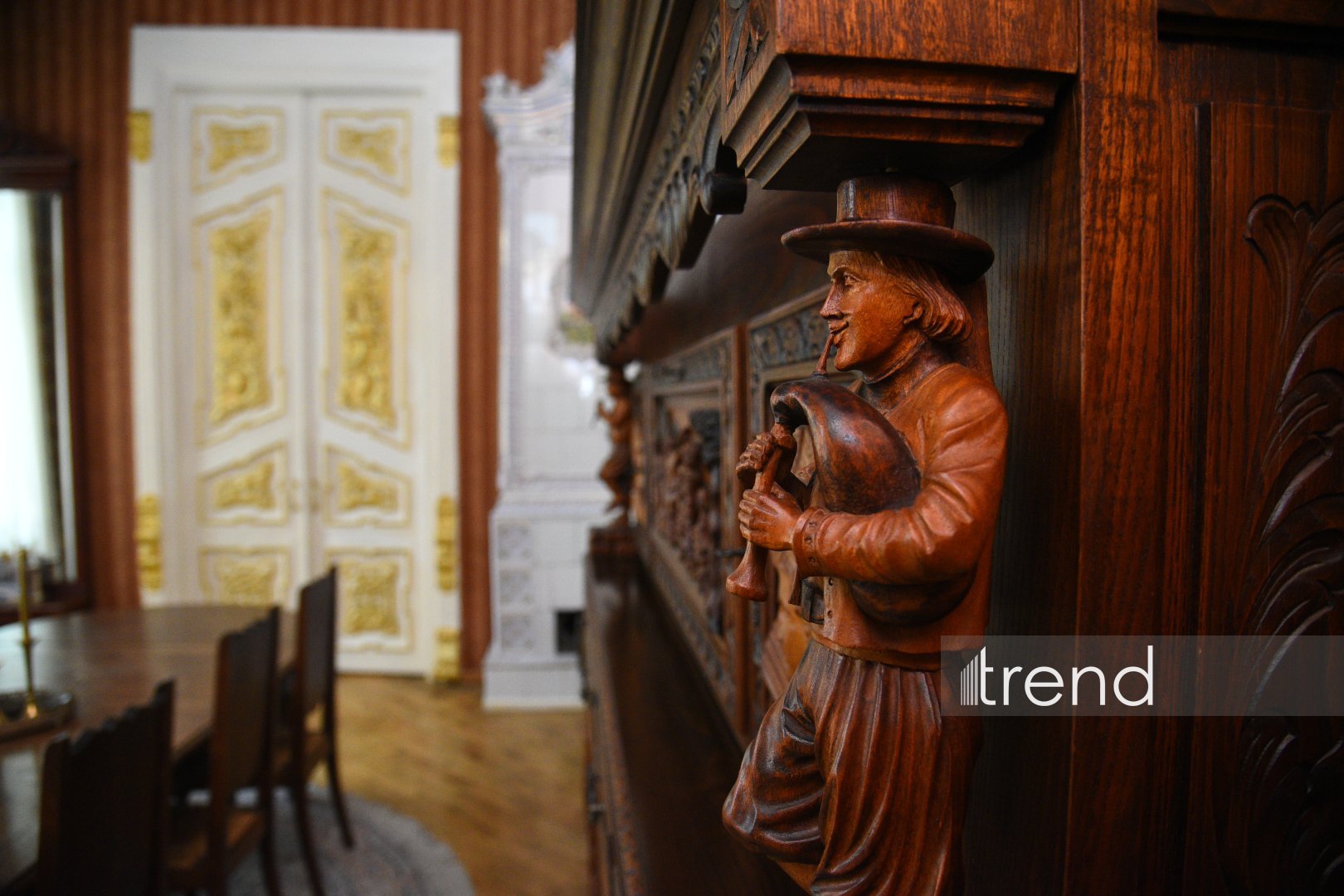
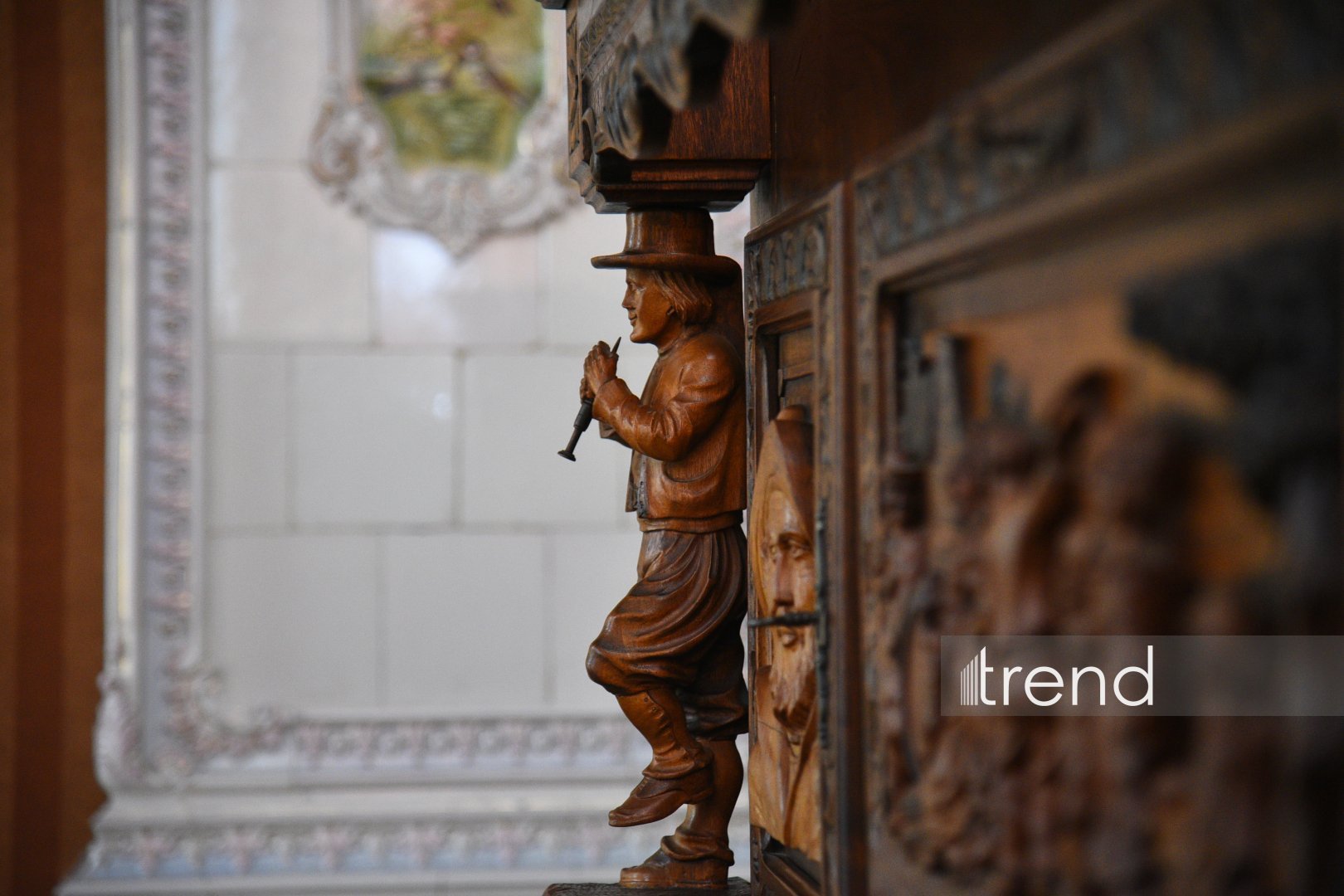
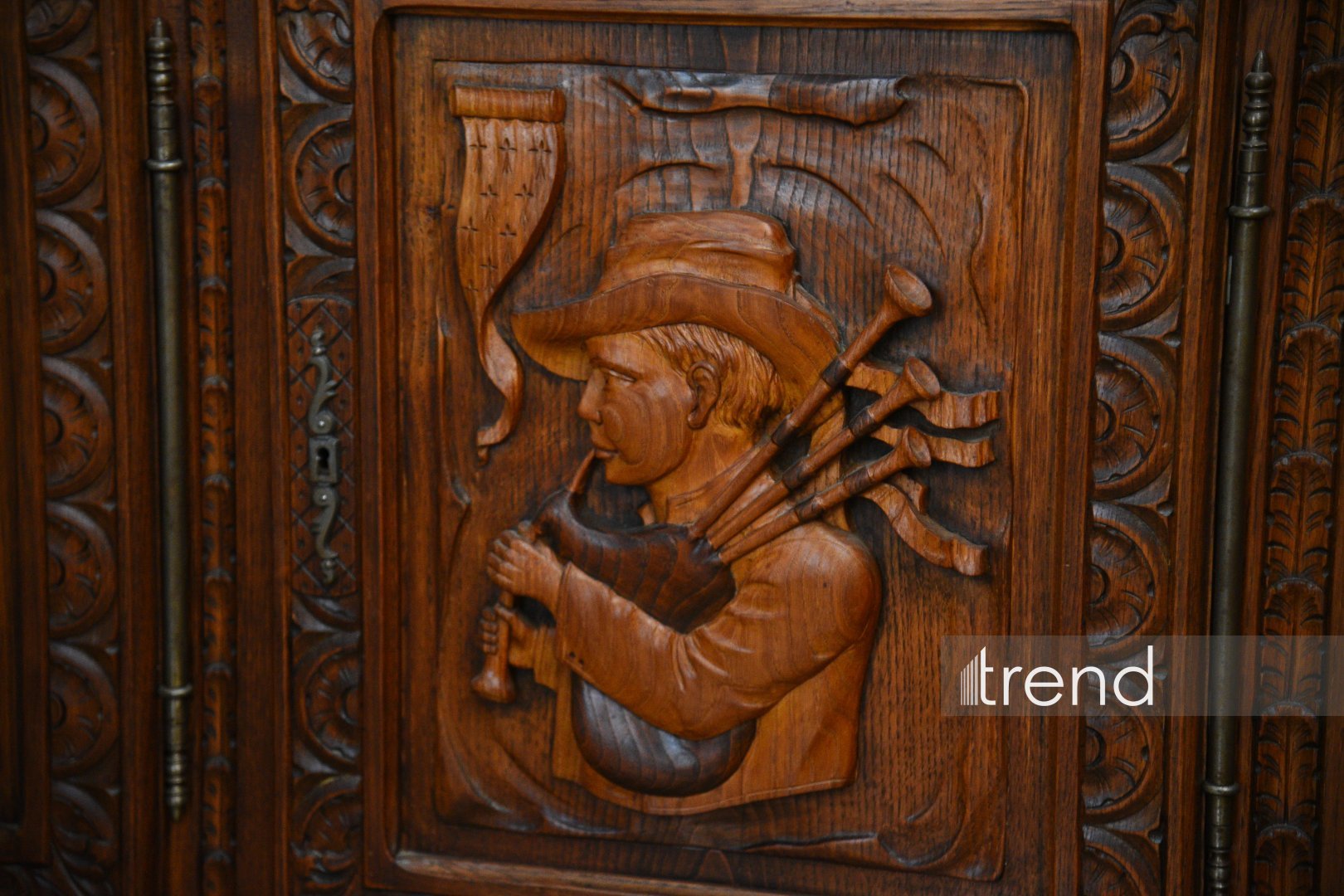
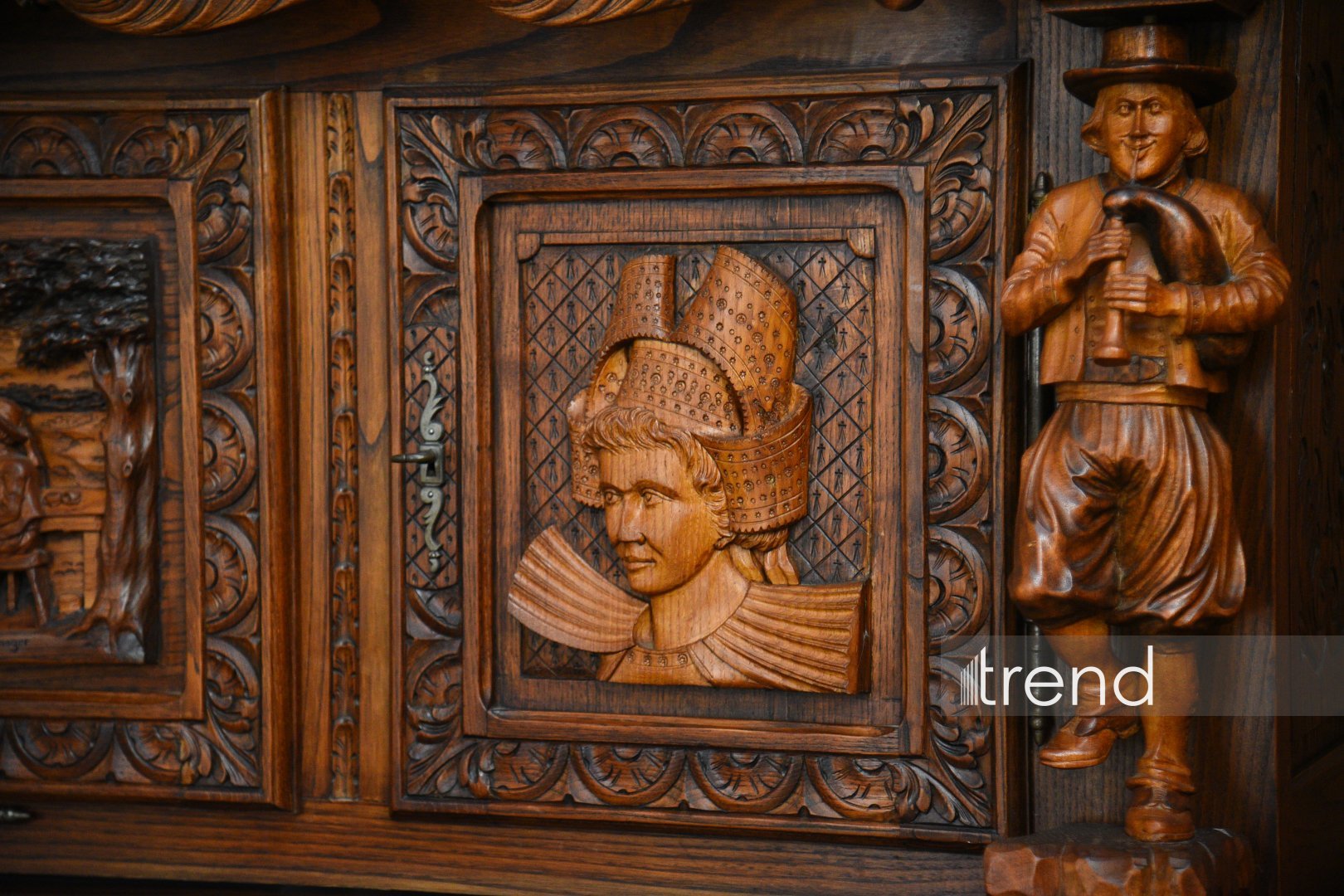
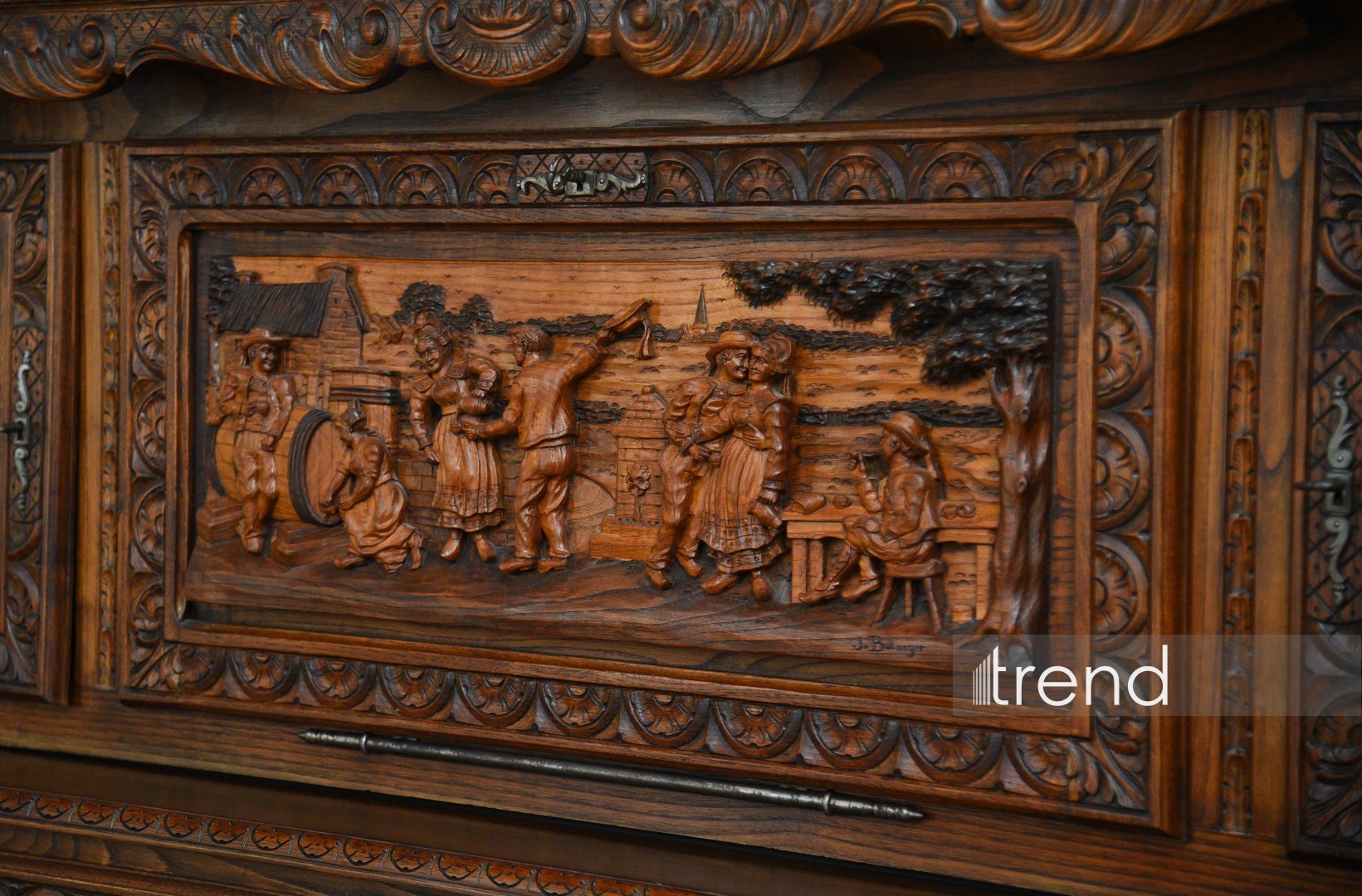
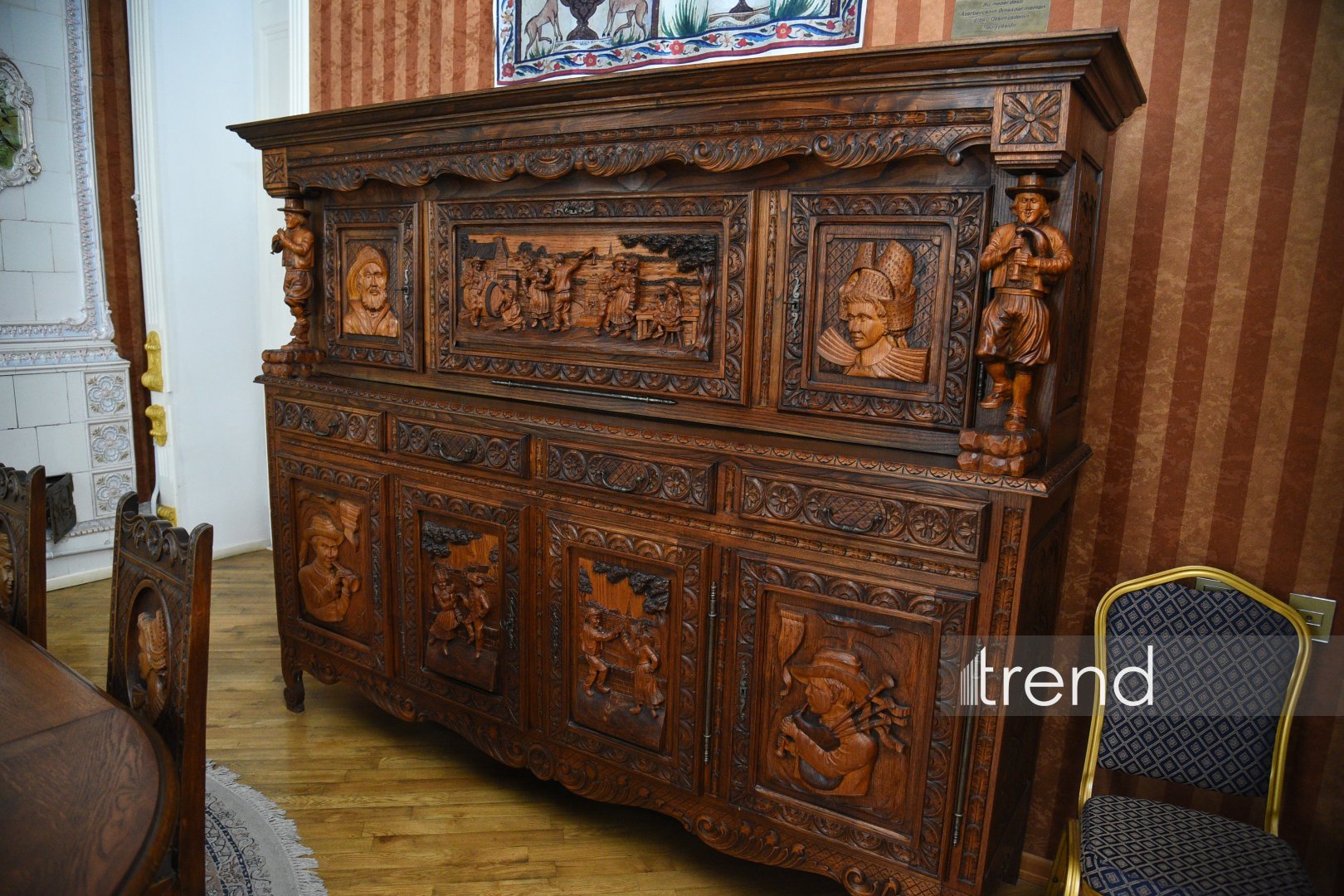
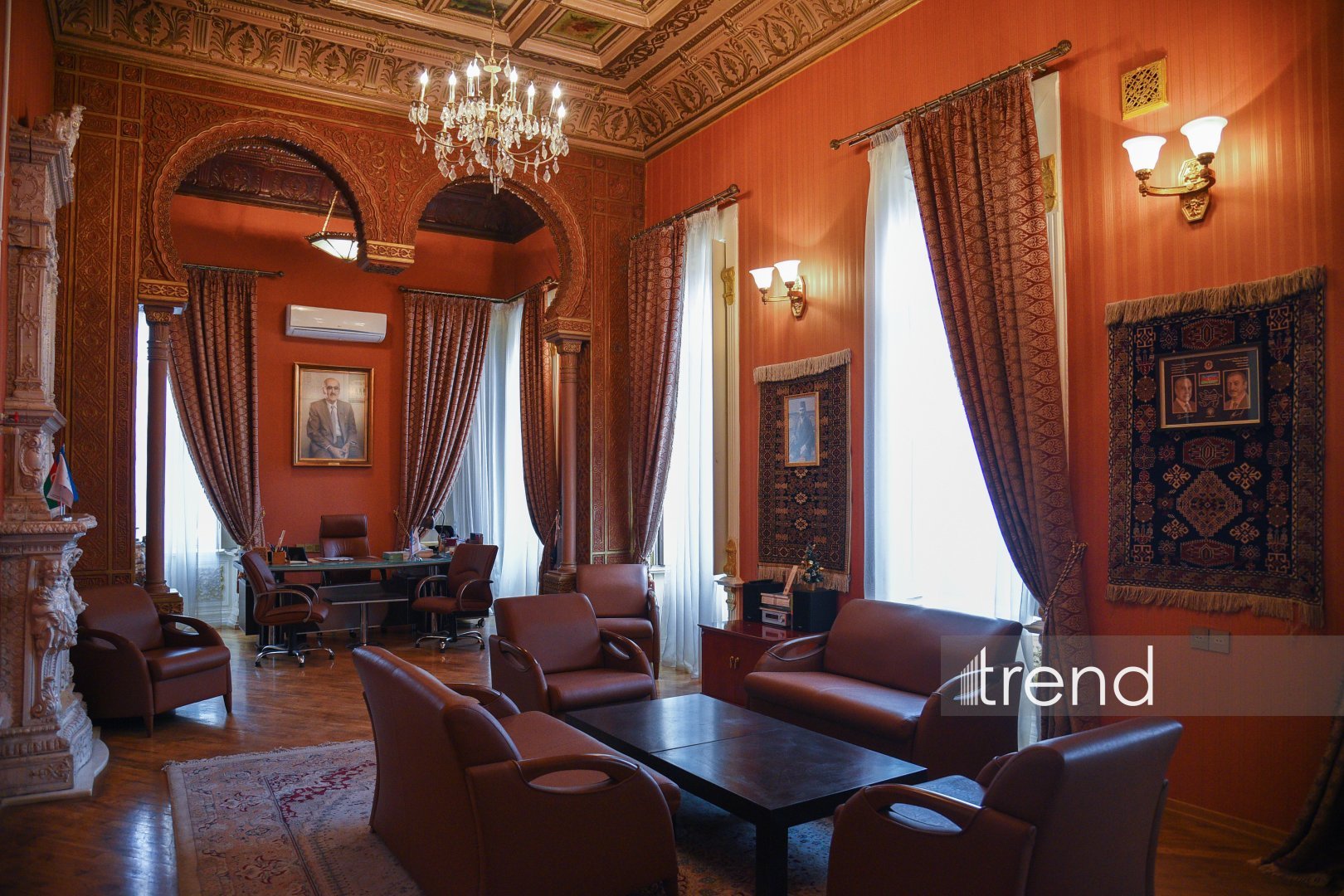
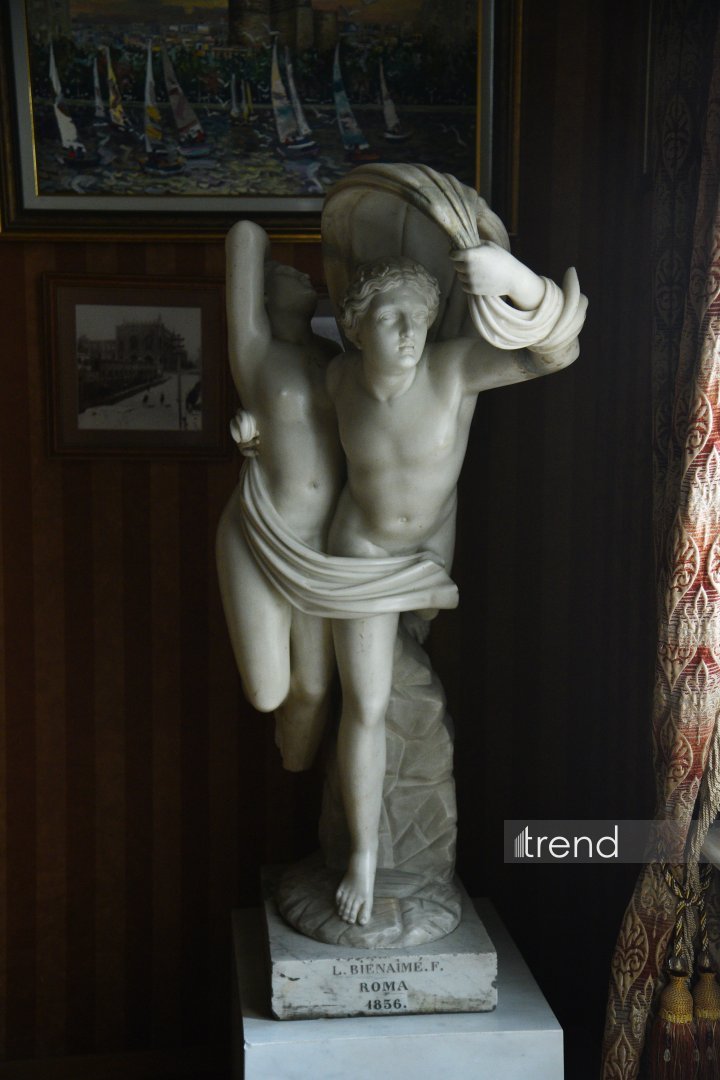
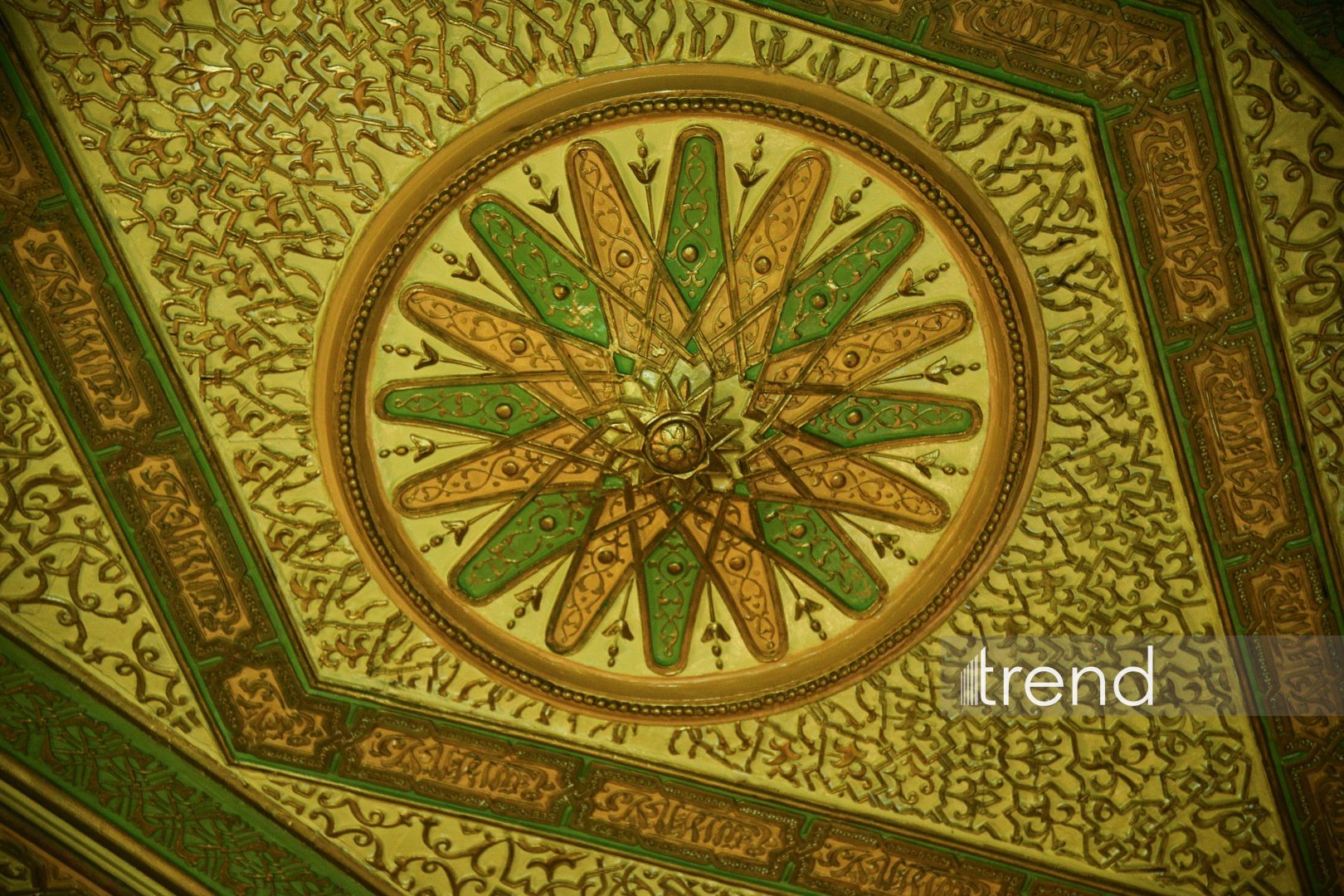
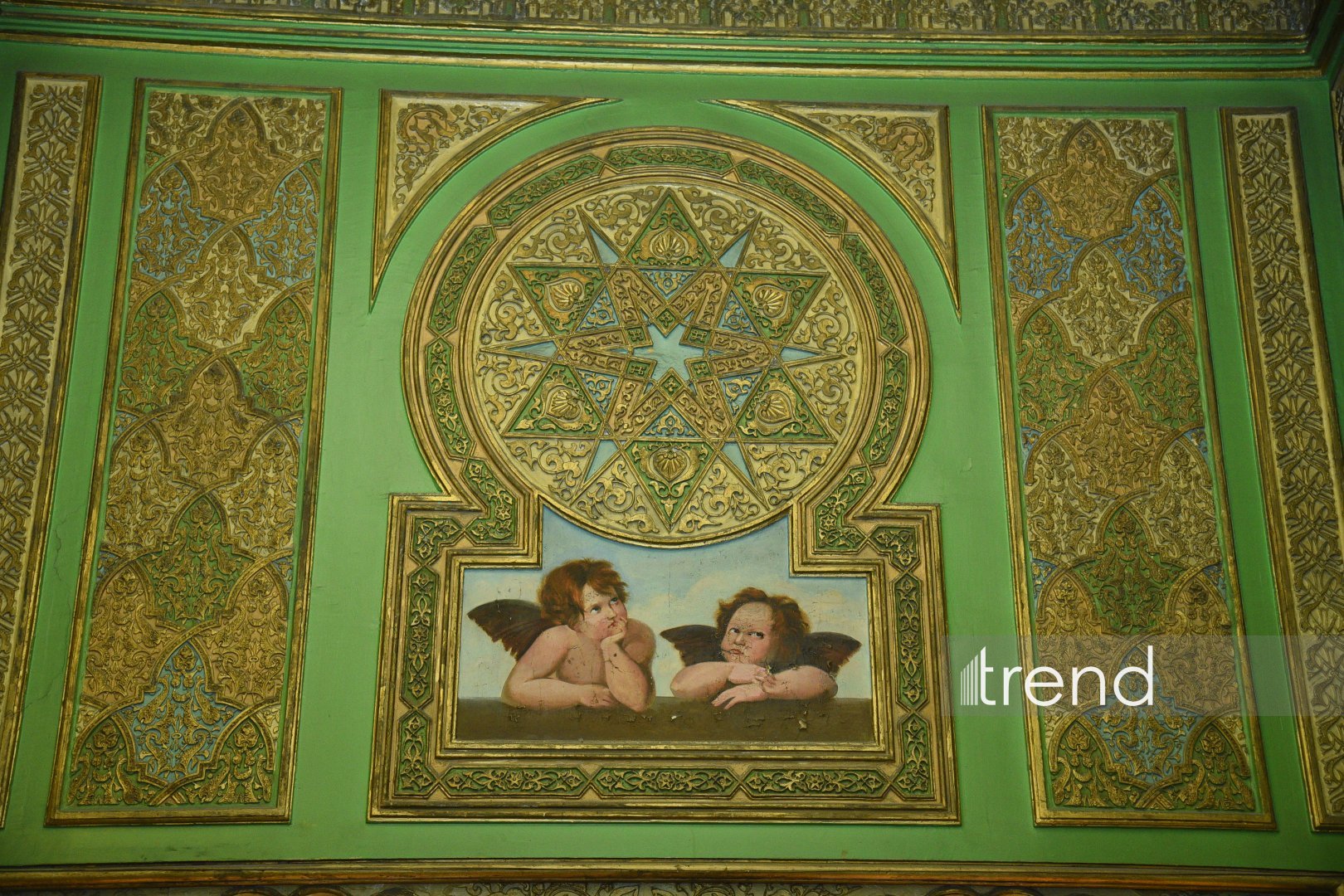
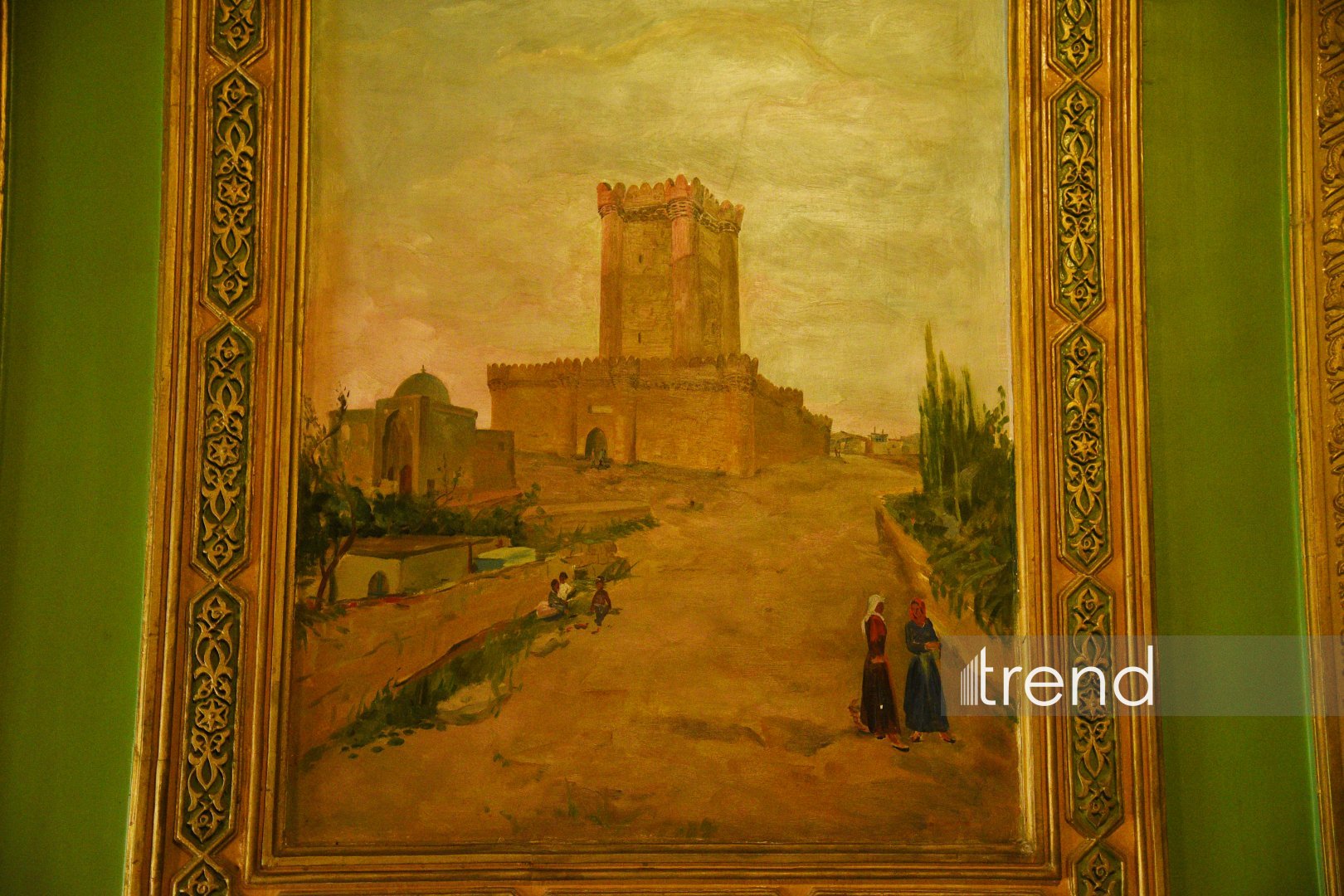
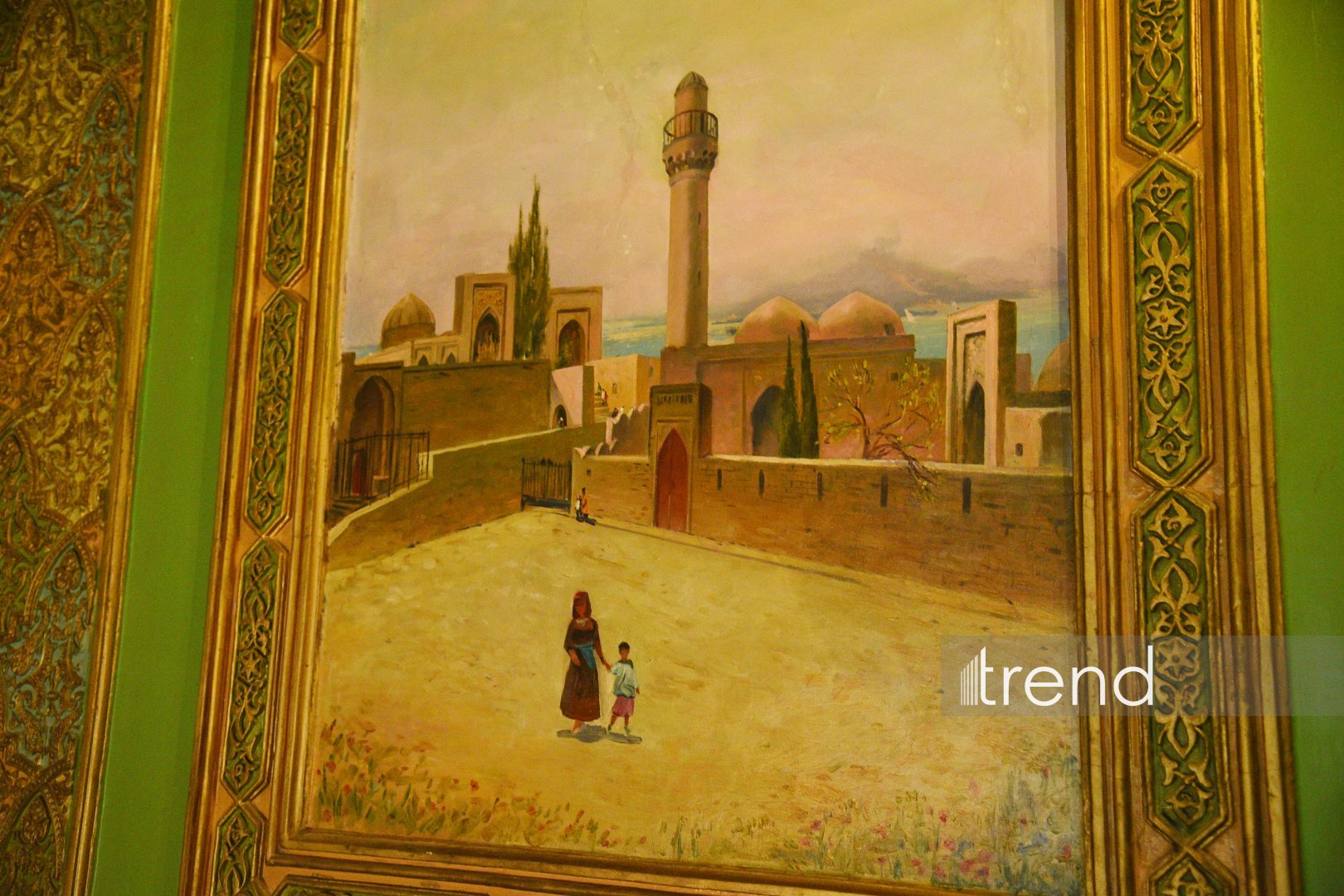
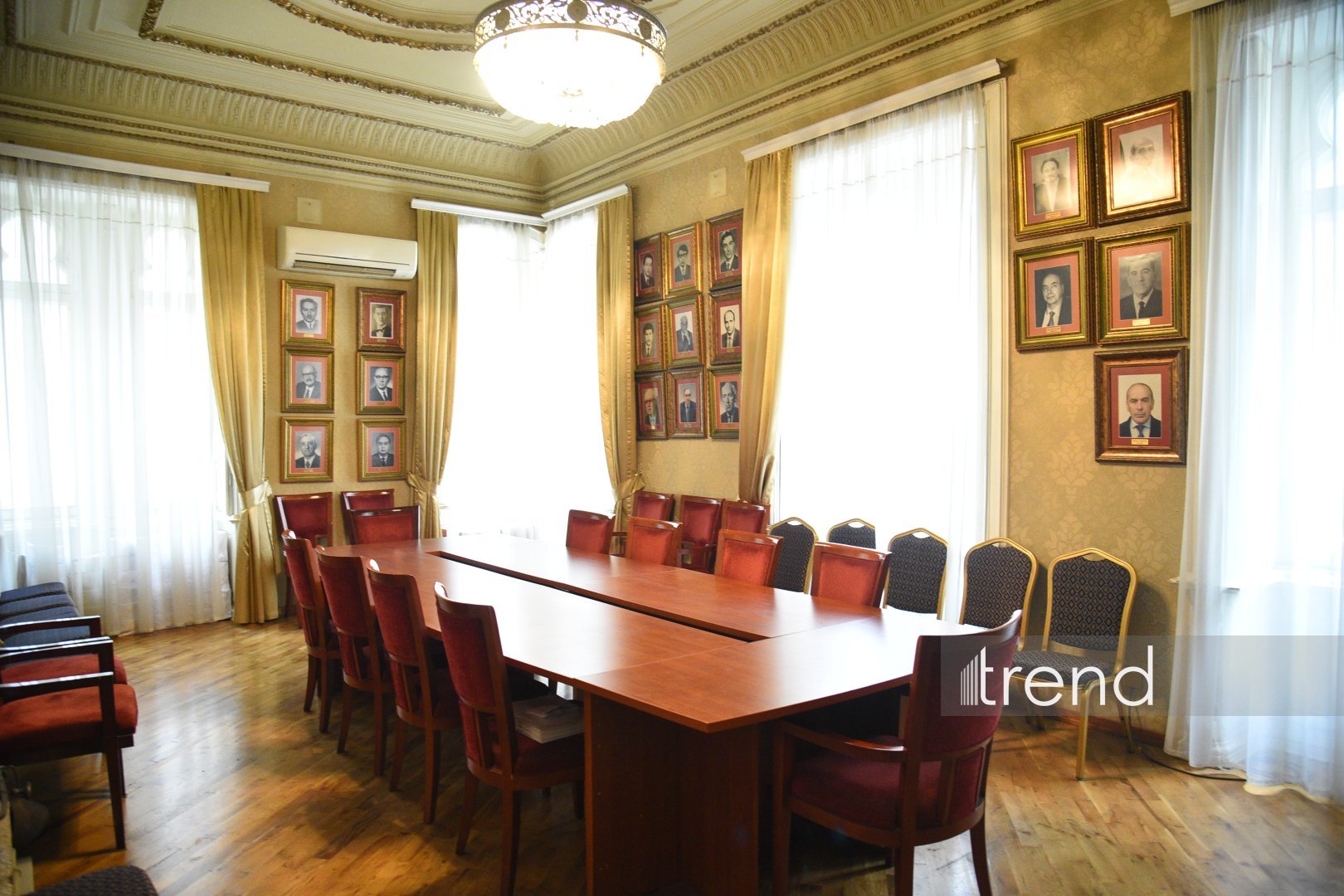
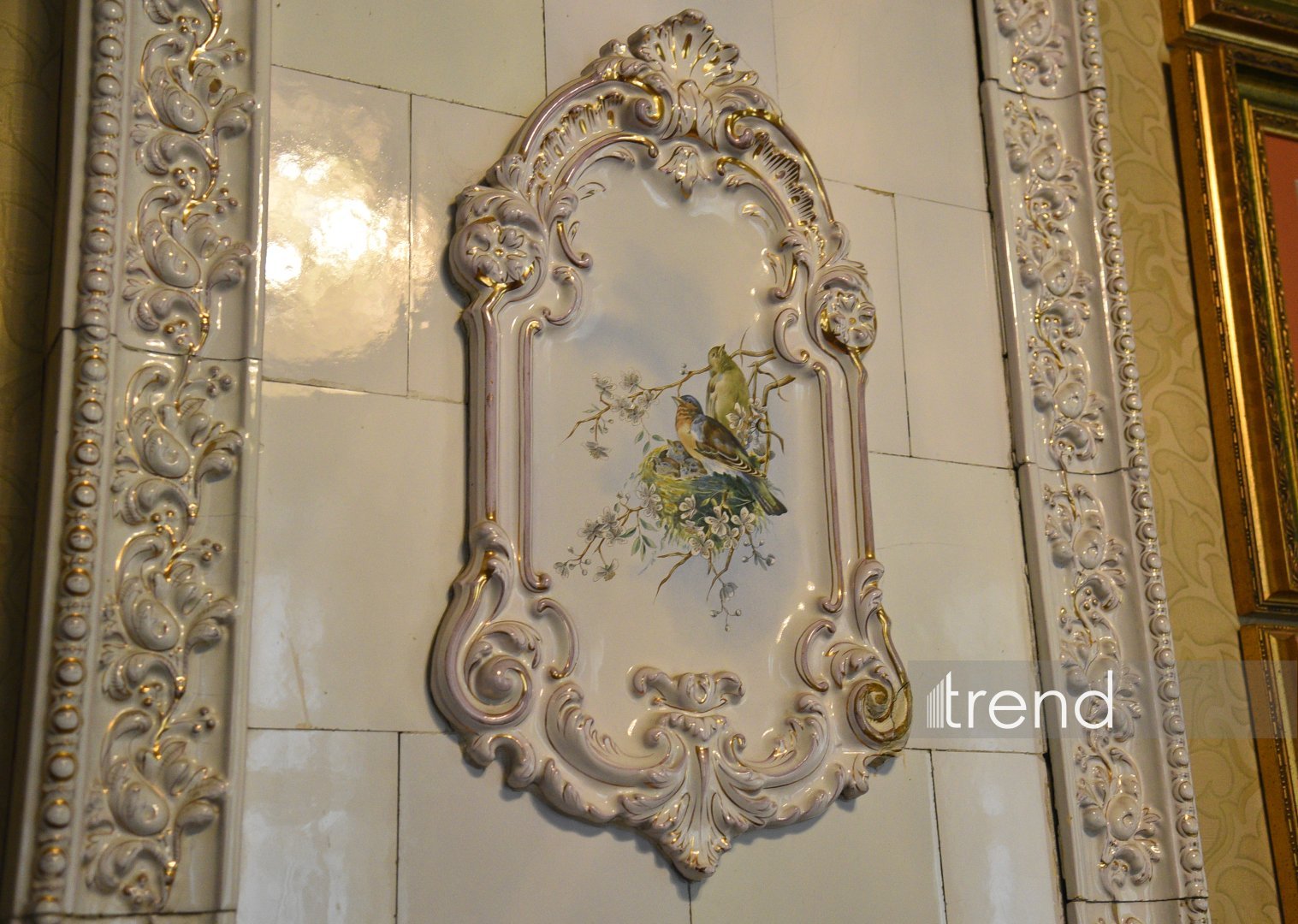
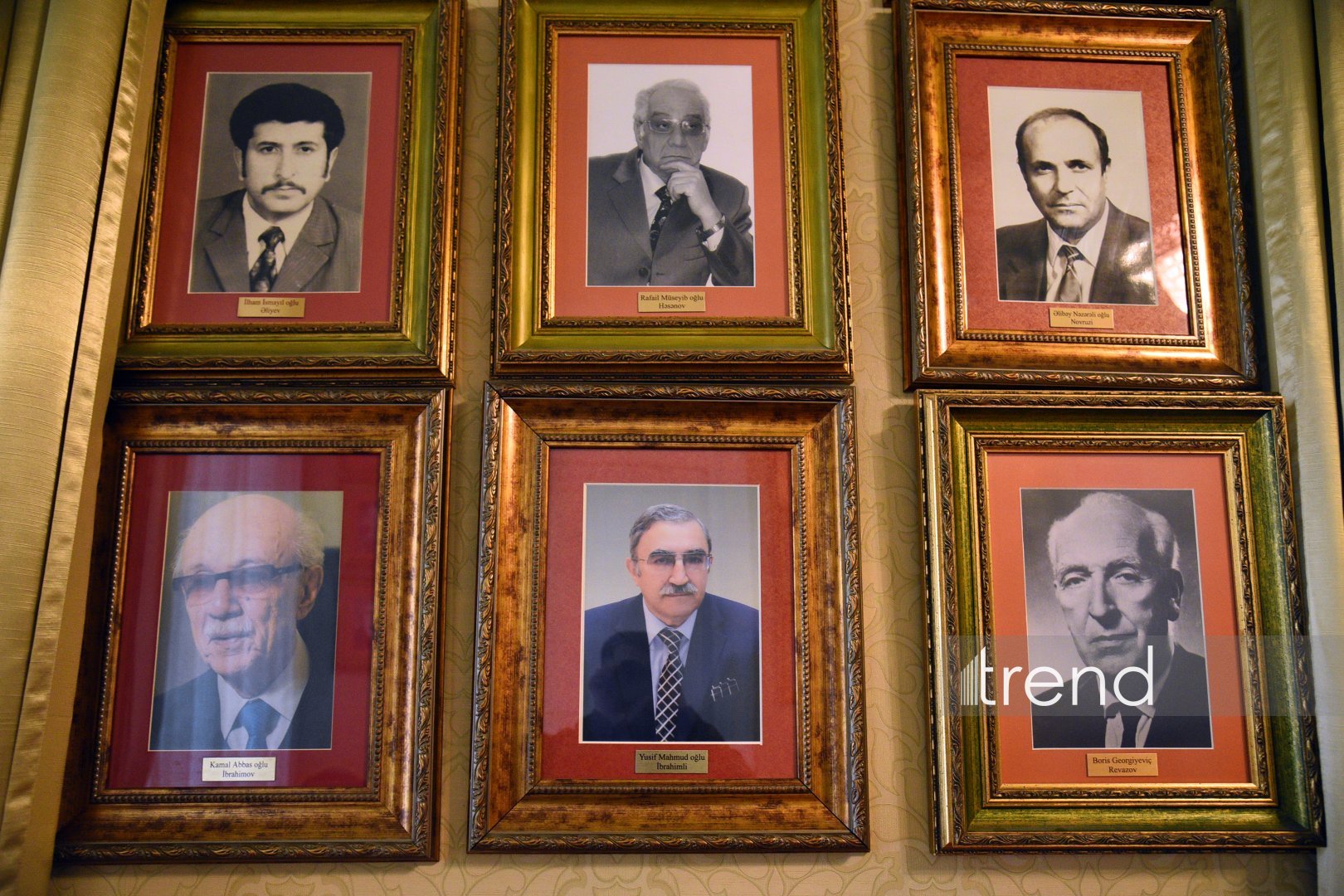
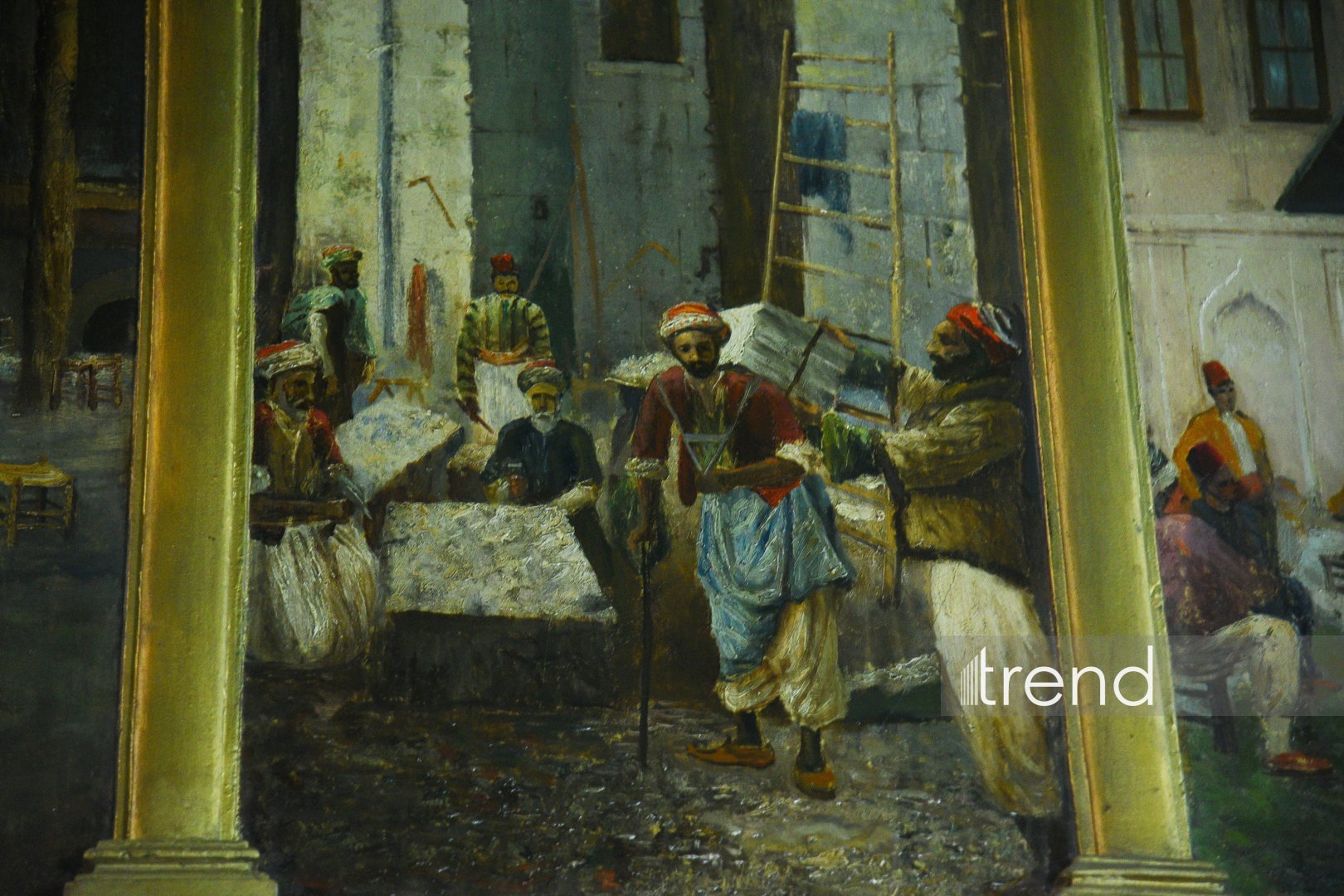
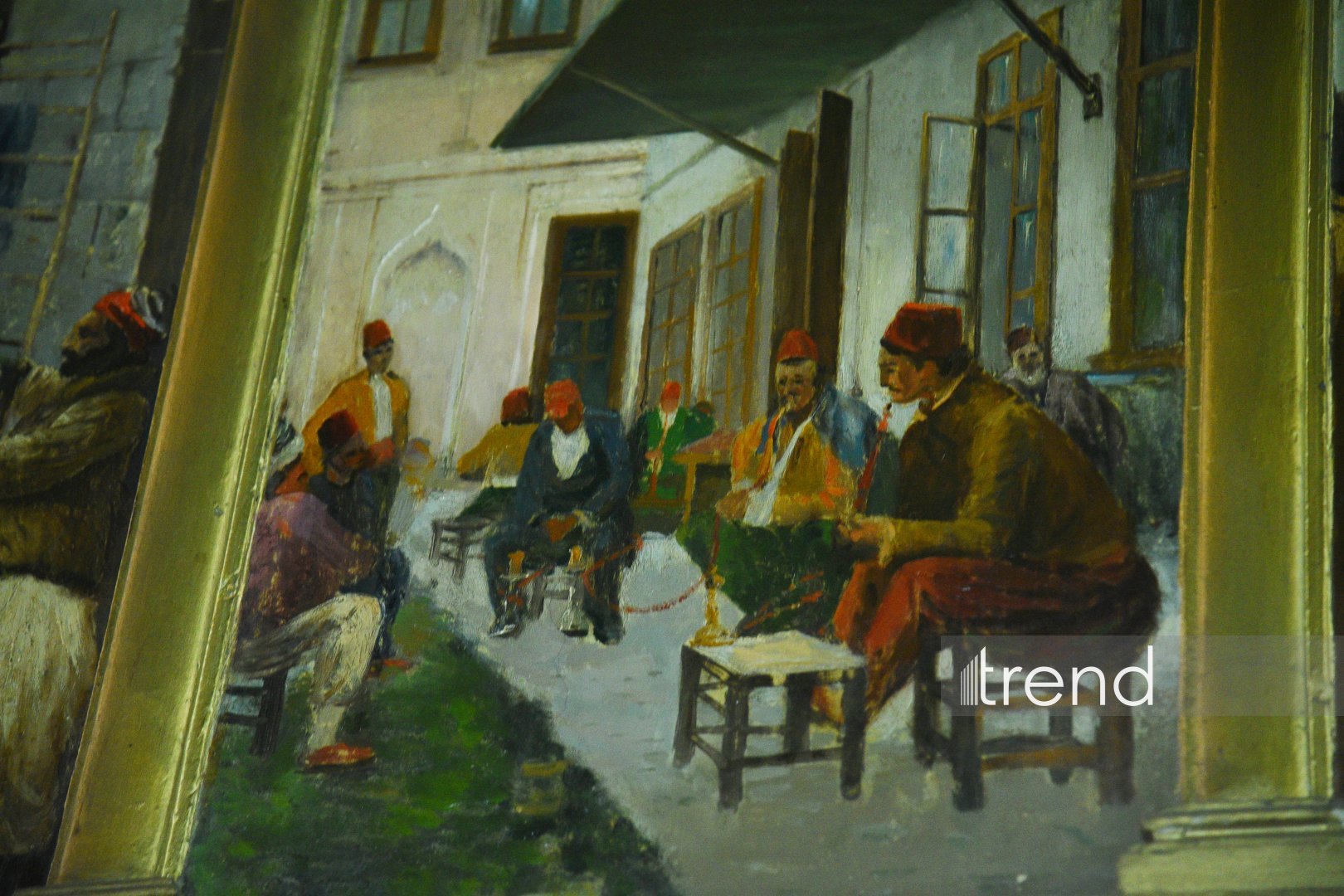
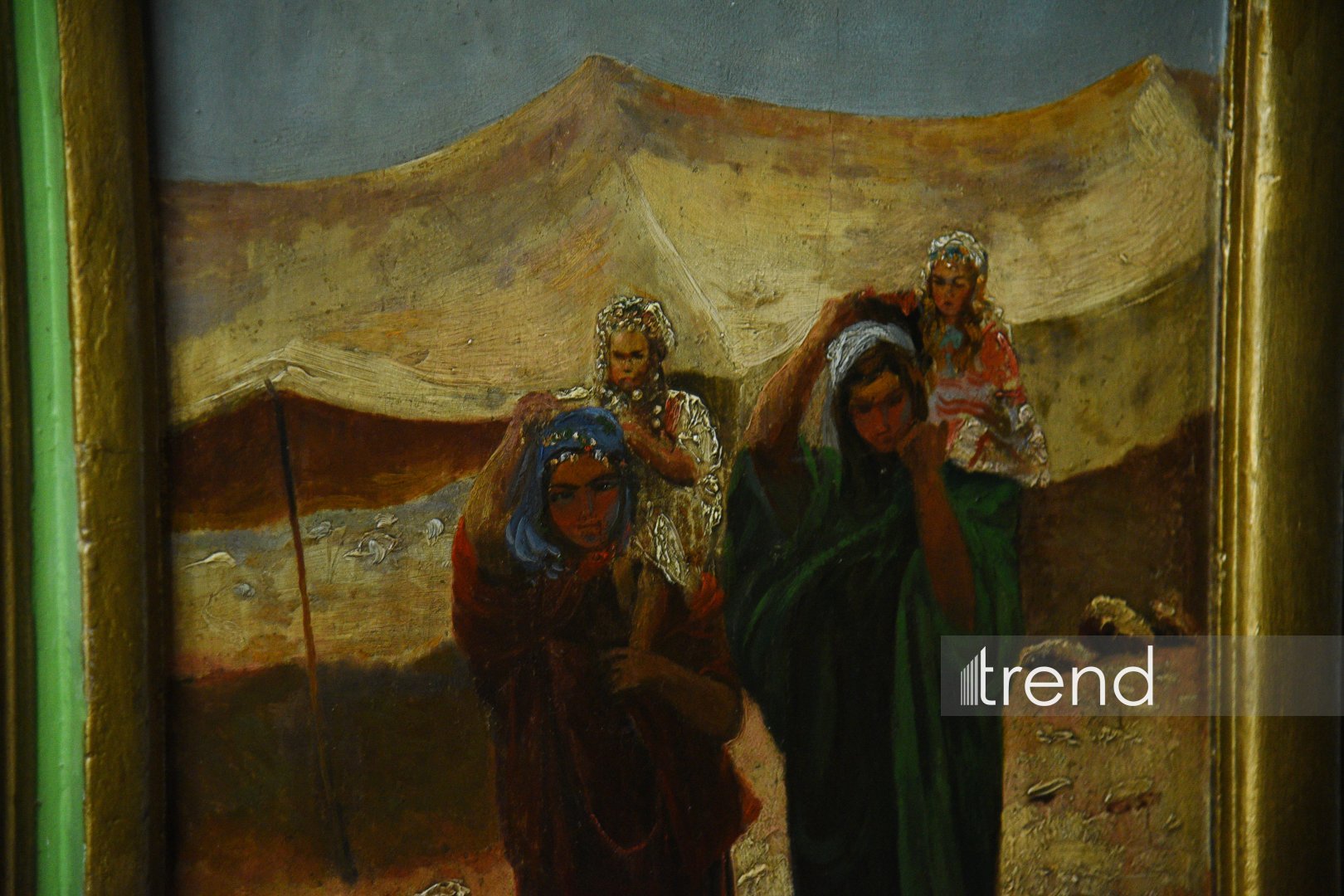
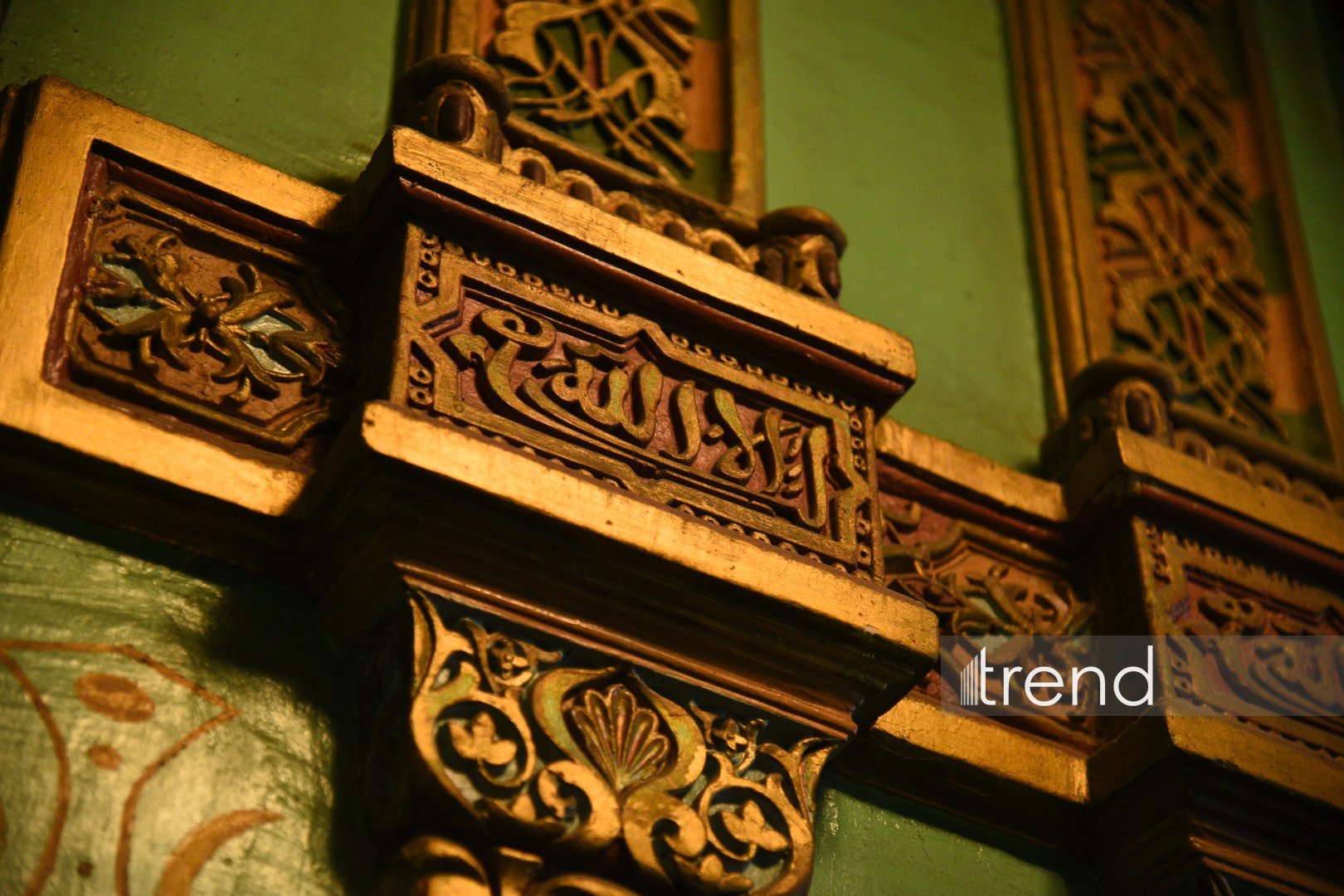
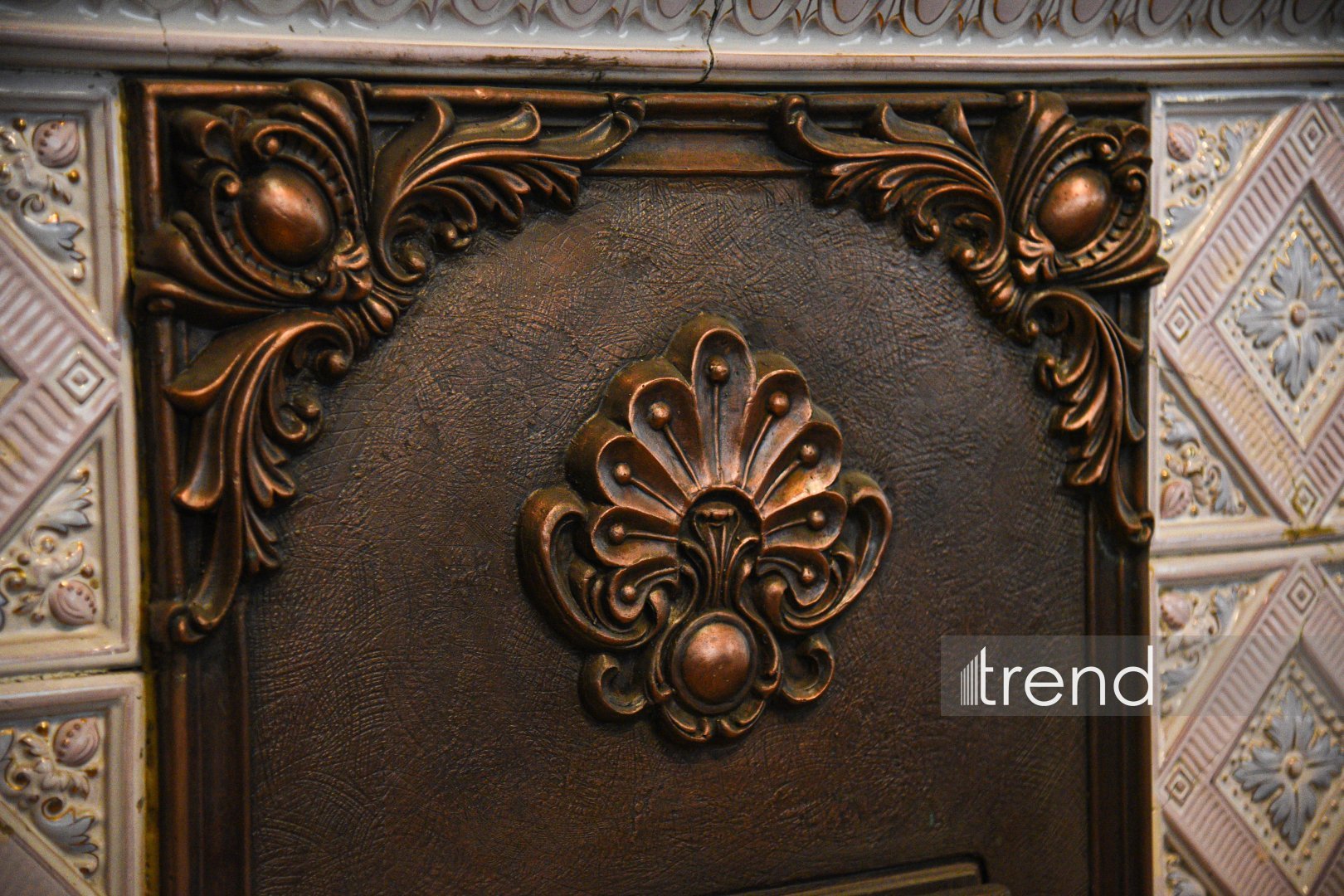
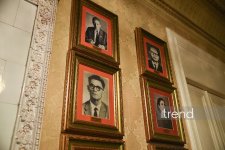
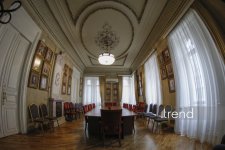
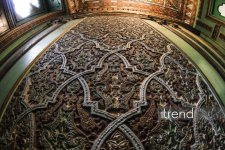
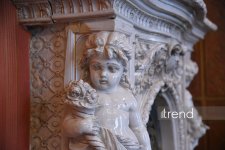
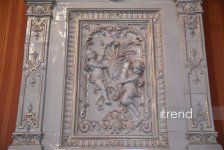
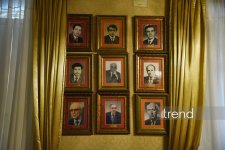
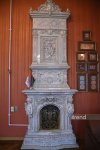
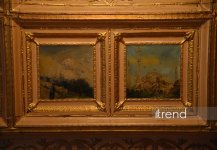
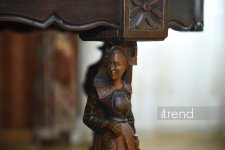
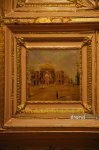
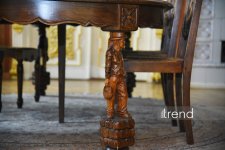
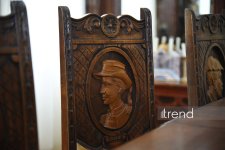
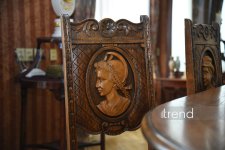
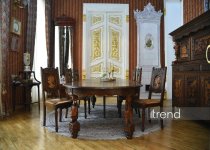
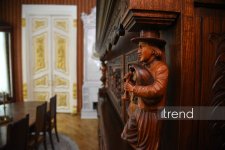
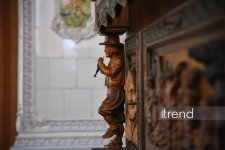
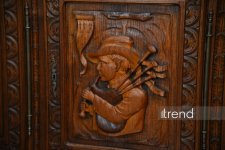
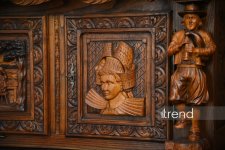
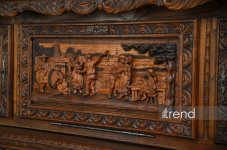
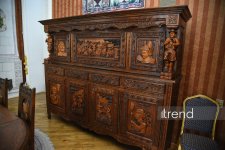
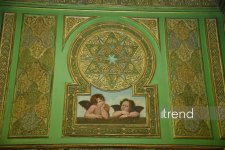
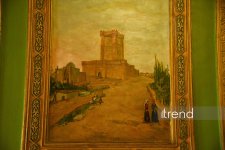
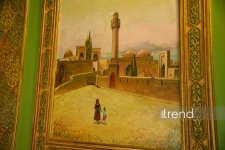
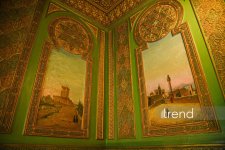
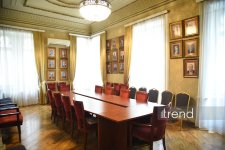
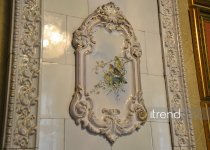
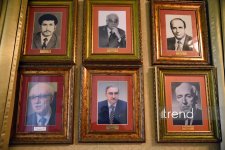
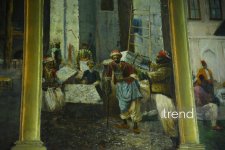
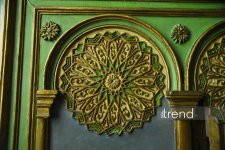
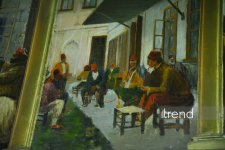
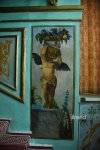
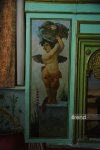
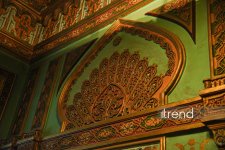
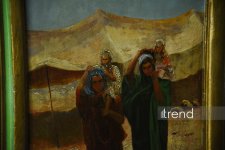
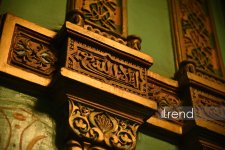
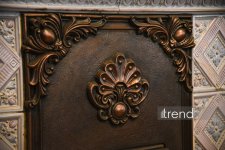
Today, the mansion continues to function. Exhibitions, professional meetings, and project presentations are held within its walls. The atmosphere here is unique: the walls, which recalled the merchant's grandeur, now witness discussions about contemporary architecture and the future of cities. The interiors have partially preserved historical elements—stucco moldings and high ceilings, spacious halls with antique furniture and wood carvings, paintings on the walls, original patterned compositions, and photos of famous architects of the country.
This is not only a monument of national architecture, but also a living space where past and present are in constant dialogue.
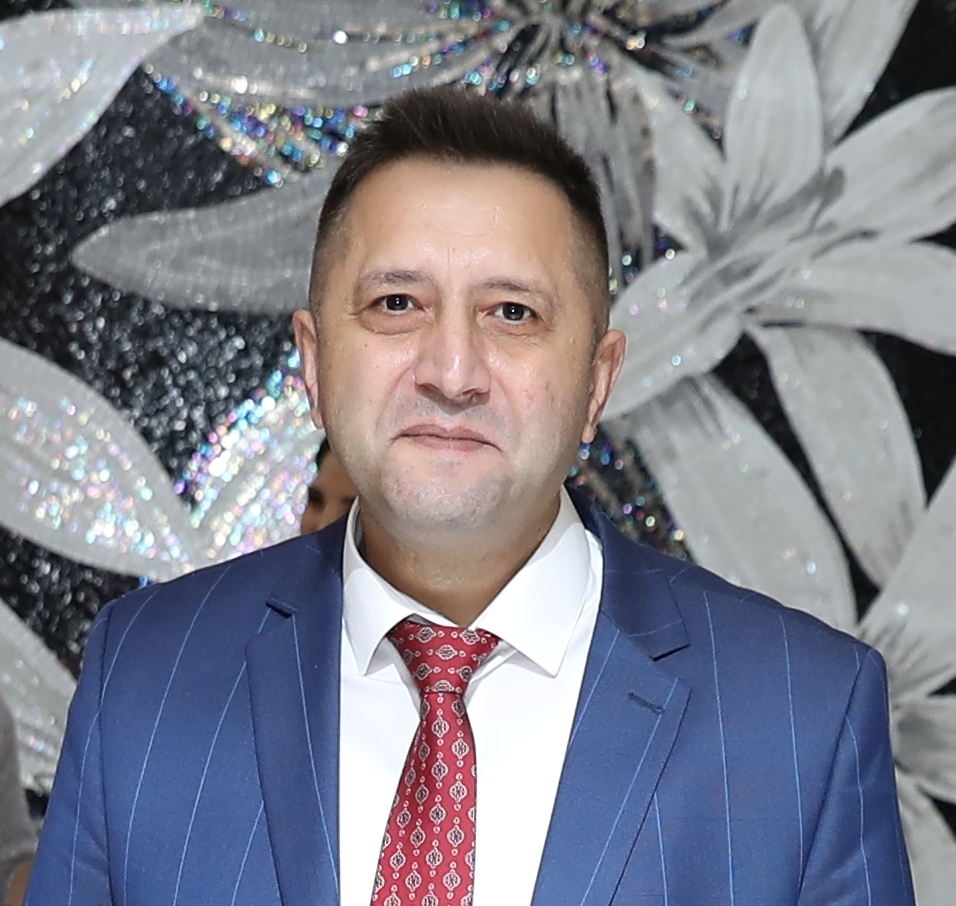
The editorial staff of Trend News Agency expresses gratitude to the Chairman of the Union of Architects of Azerbaijan, to the Honored Architect Elbay Gasimzade, for assistance in organizing the photo report.