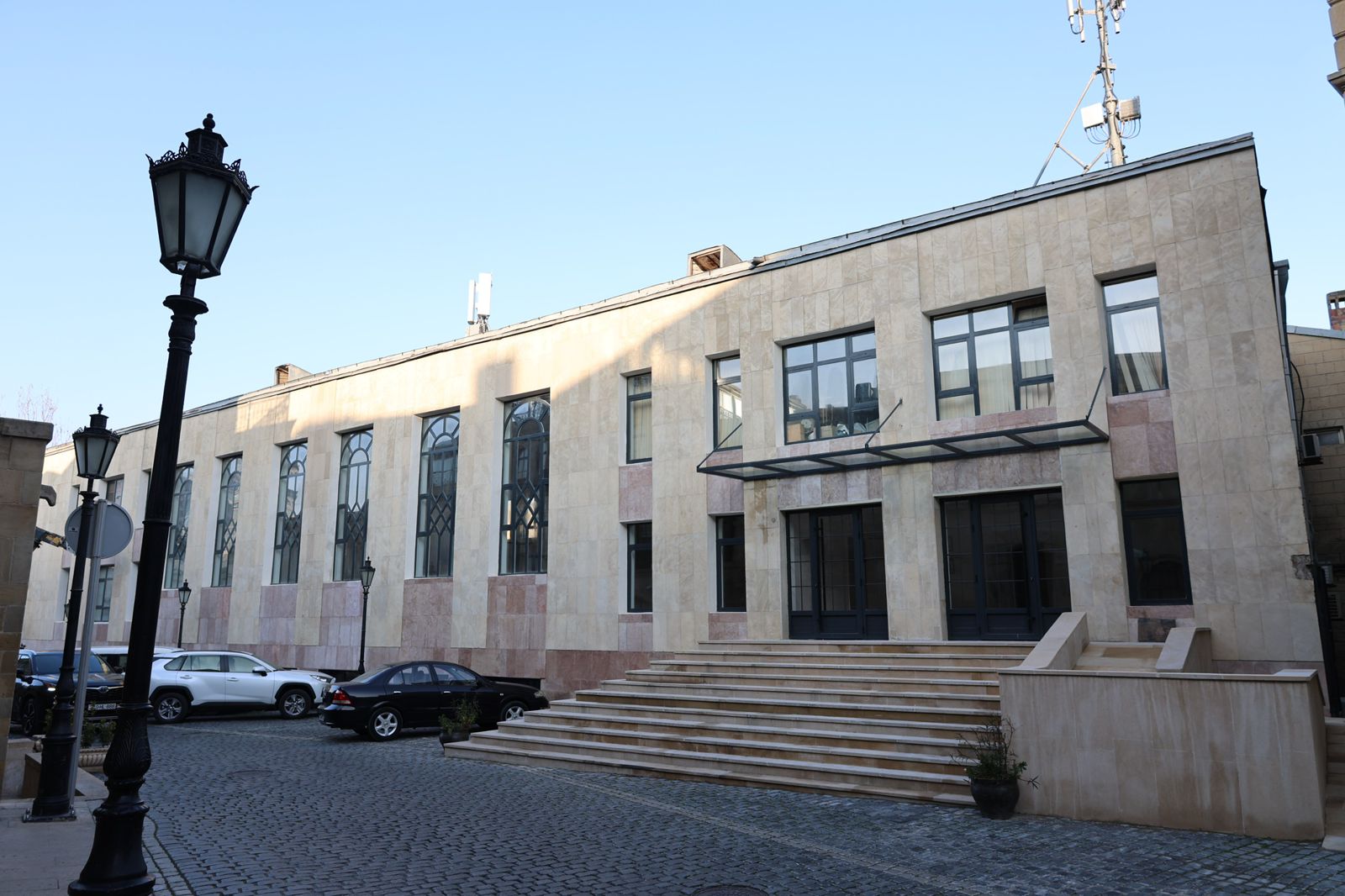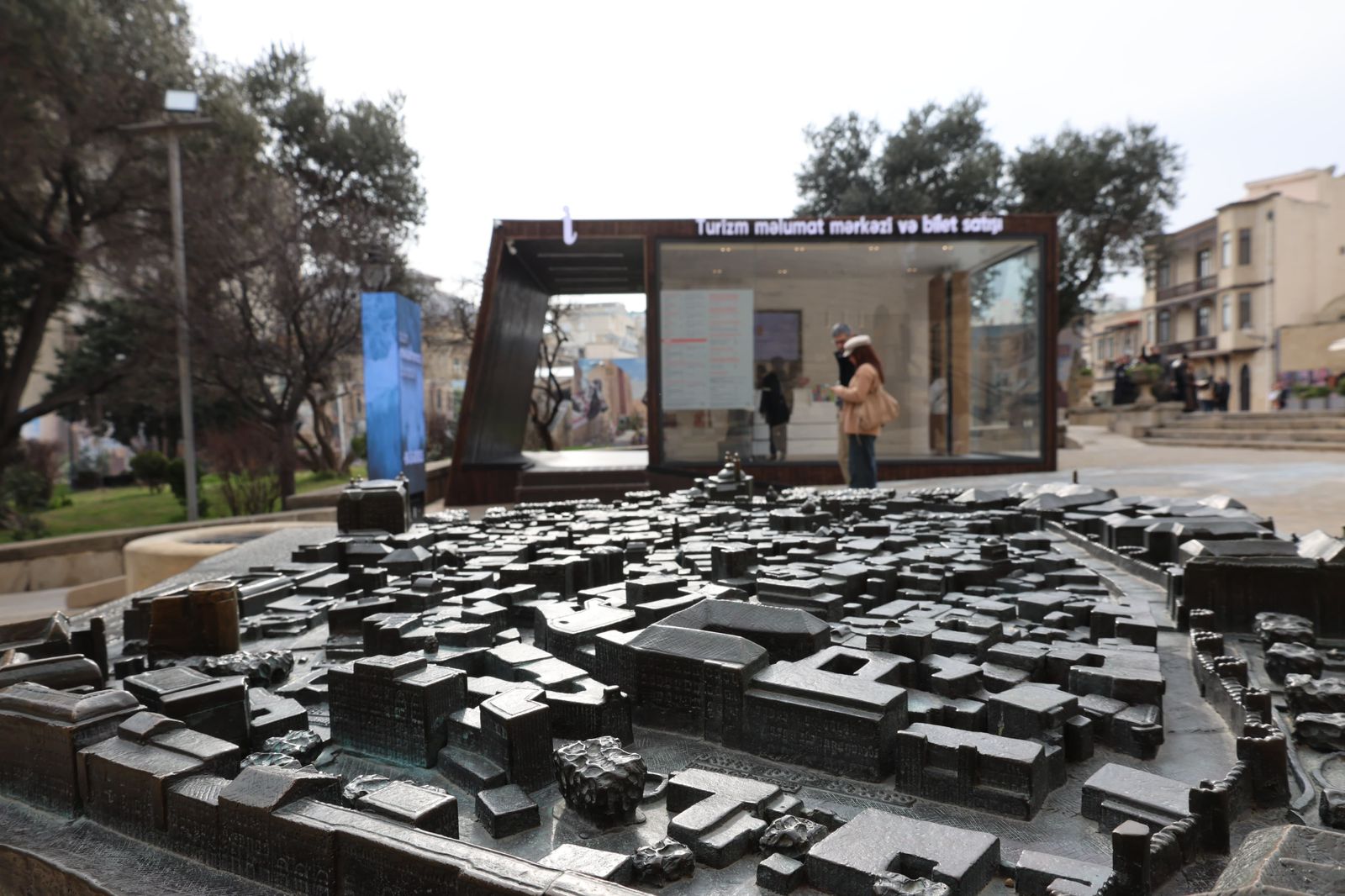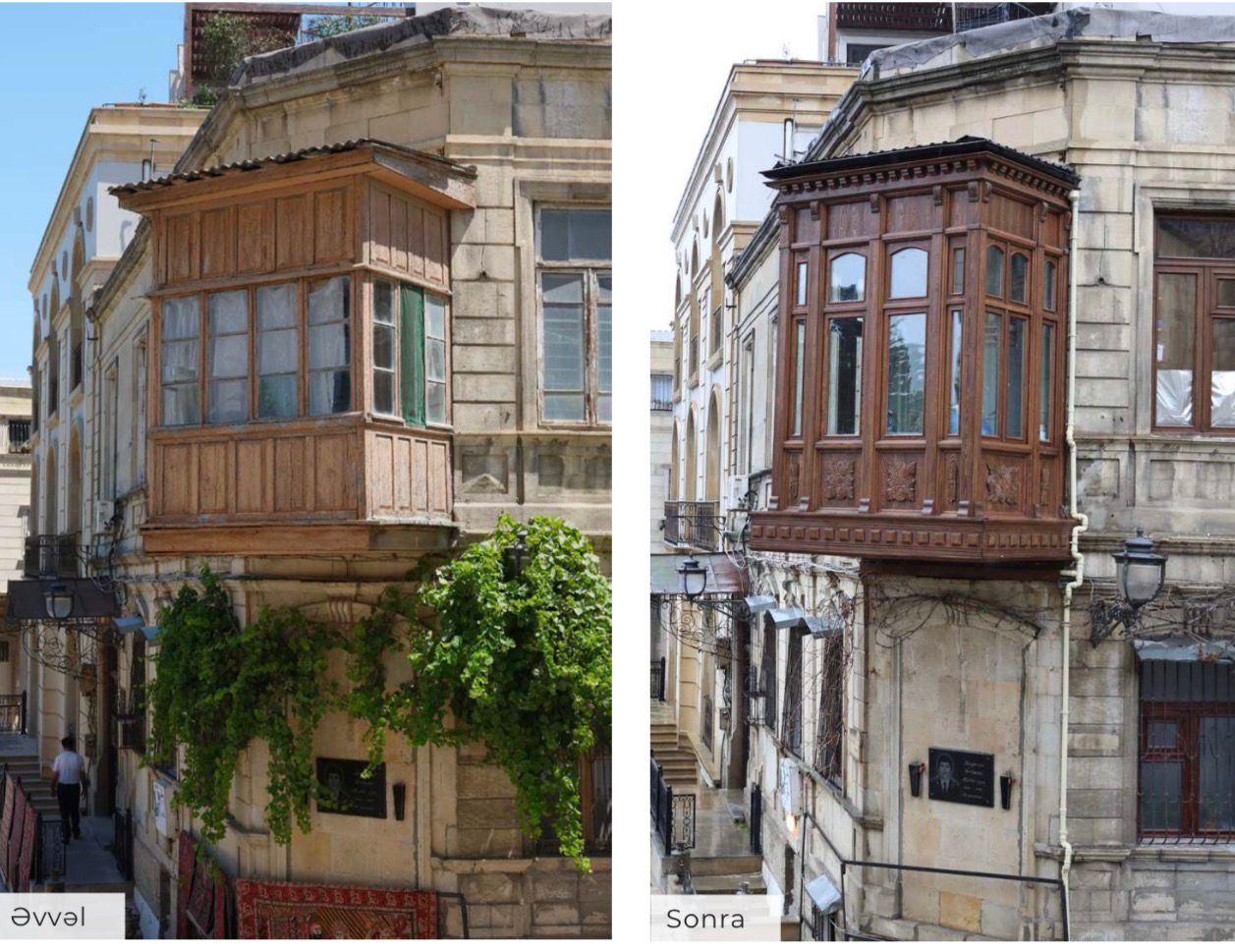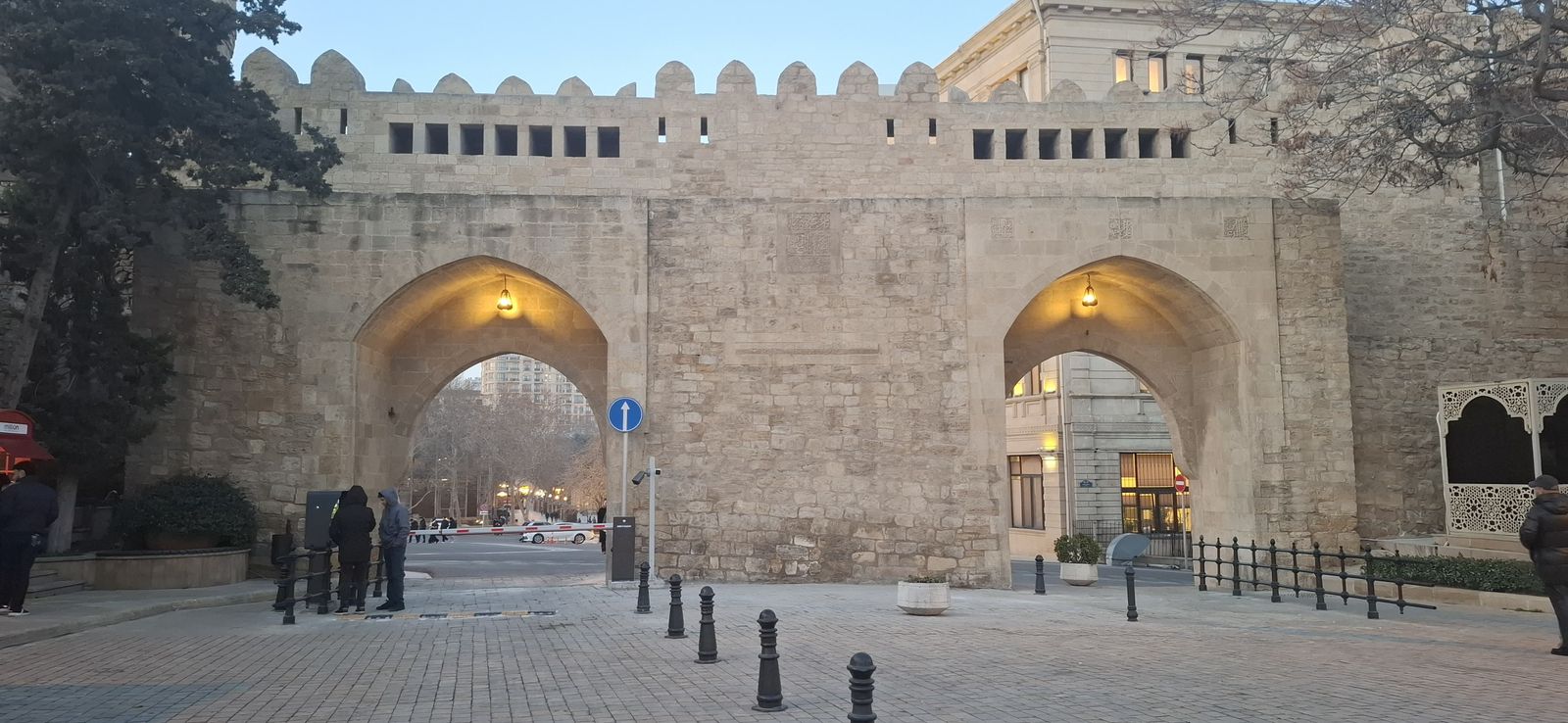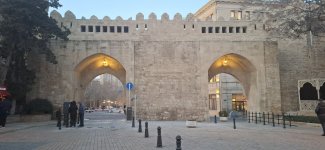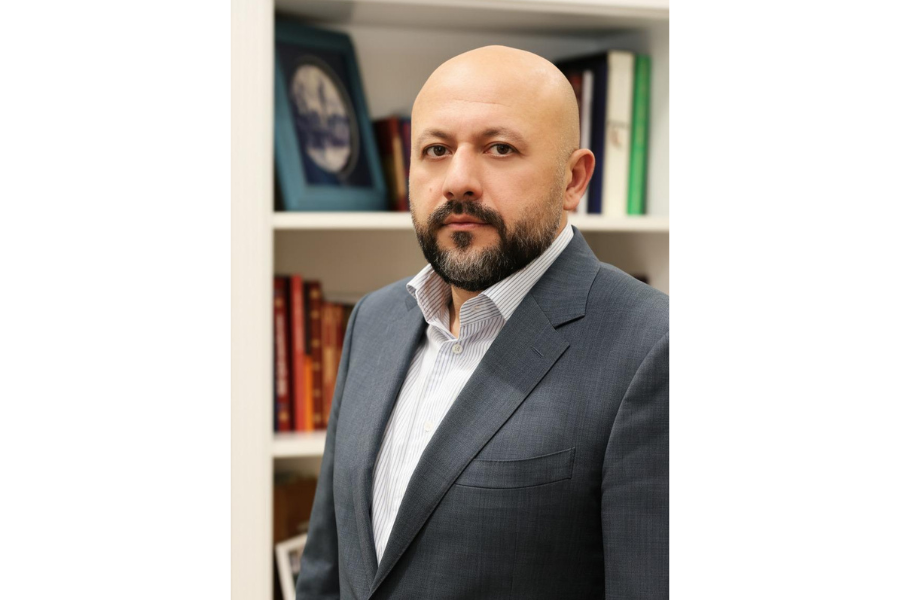



BAKU, Azerbaijan, March 2. The State Historical and Architectural Reserve “Icherisheher” today represents not only a symbol of Azerbaijan's centuries-old history, but also a dynamically developing urban space that combines cultural heritage, modern management, and economic sustainability. Chairman of the Board of the reserve Rufat Mahmud spoke about the strategic role of the Ancient part of Baku Icherisheher, key challenges, and development prospects in an interview with Trend.
He paid particular attention to the role of the state in preserving national heritage. According to him, a consistent policy to protect historical and cultural monuments is being implemented at the strategic level.
"Under the leadership of President Ilham Aliyev, priority attention is given to issues of restoration, preservation of the historical environment, and development of cultural infrastructure. First Vice President Mehriban Aliyeva makes an invaluable contribution to the international promotion of Azerbaijan's cultural heritage and the implementation of restoration projects. Systematic state support creates a solid institutional and financial foundation for the long-term development of Icherisheher as a site of global significance," the chairman of the board emphasized.
According to him, Icherisheher is no longer just the historical center of Baku, but a compact yet highly concentrated cultural and economic cluster. A significant part of the tourist interest in the capital is formed on the territory of about 22 hectares: up to a quarter of all guests of Baku include the Old City in the mandatory program. Over the past year, visitor numbers have grown by 8-12%, the average length of stay of tourists has increased, and event activity has intensified. However, as Rufat Mahmud emphasized, it is not the numbers themselves that are important, but their quality: Icherisheher is gradually transitioning from a “point of attraction” model to the role of a sustainable urban core.
“In a rapidly developing metropolis, the historic center serves as a balancing force—it is a space on a human scale, a pedestrian environment, a hub for local businesses and cultural memory. It is the synergy between modern architecture and the historic environment that shapes a sustainable urban model,” he said.
The reserve's management sees Icheri Sheher primarily as a “living historical city” rather than an open-air museum. The priority remains not only to preserve the facades, but also to improve the quality of life for residents.
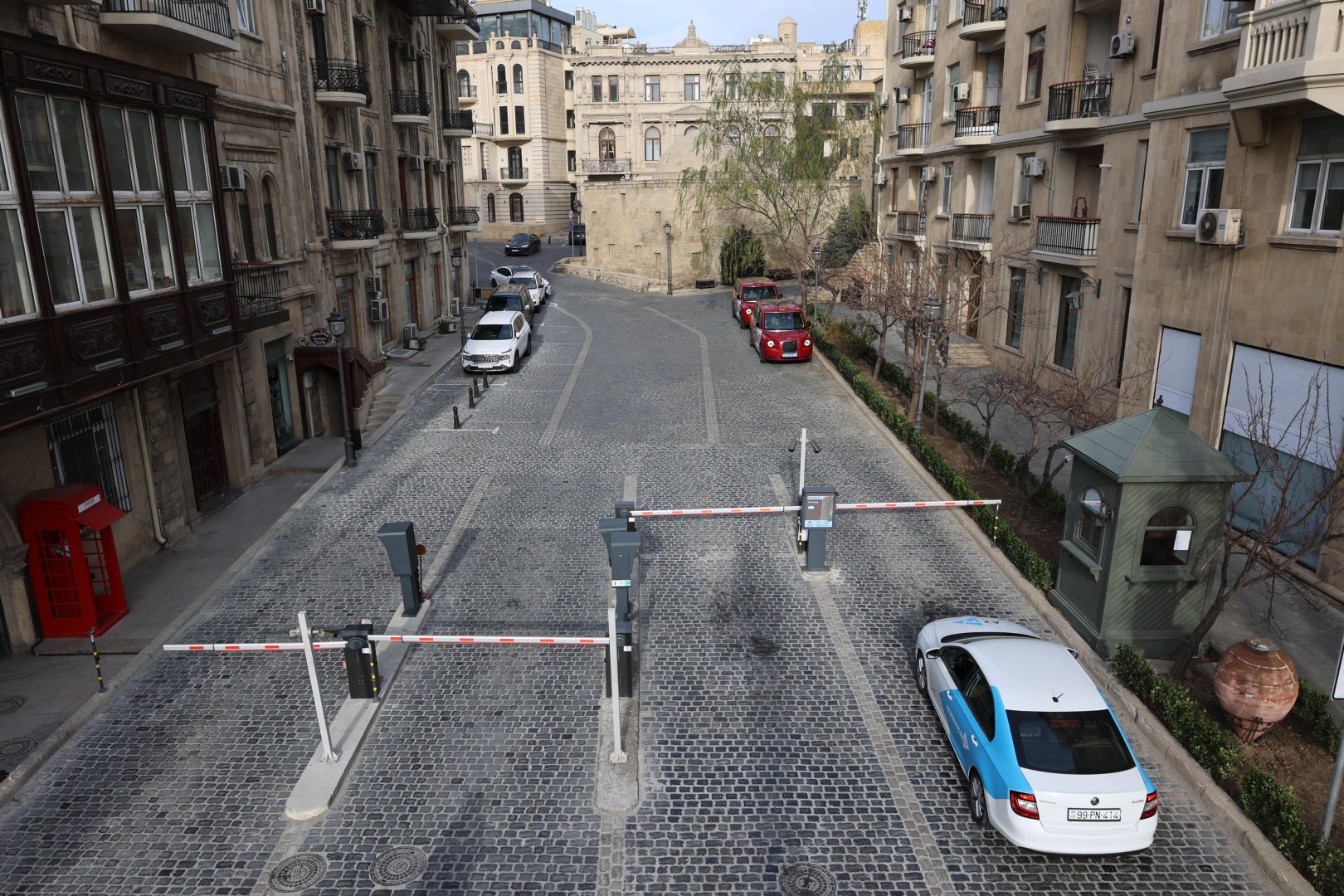
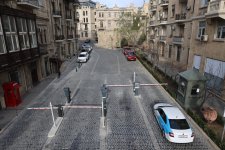
“The engineering infrastructure is being modernized in accordance with the principles of preserving the historical tissue, operational management of facilities is being improved, and uniform regulations for roofing solutions and modern architectural interventions are being developed. At the same time, the transport regime is being optimized, and the priority of the pedestrian environment is being strengthened,” Rufat Mahmud noted.
The digitalization of governance allows for the acceleration of administrative procedures and increased transparency in communication with residents. Efficiency is assessed through a KPI system — from approval times to resident satisfaction levels.
“The historic center must be comfortable to live in, otherwise it becomes a mere backdrop,” Rufat Mahmud said.
From an economic point of view, the Icherisheher represents a cultural microeconomy with high added value per unit of area. It is based on cultural tourism, the hotel and restaurant sector, craft and creative industries, and the events economy. Over the past year, the turnover of the tourism sector has grown, the range of gastronomic projects has expanded, and income diversification has increased.
The administration's strategic goal is to transition from a “tourist traffic” model to value-based tourism, where not only the flow of visitors is important, but also the economic depth and quality of the audience. Among the priorities are the development of the premium segment, support for local entrepreneurship, and the formation of sustainable partnerships with the private sector.
Speaking about the challenges, Rufat Mahmud emphasized the necessity of striking a balance between preserving authenticity and the pressure of commercialization. Key areas include preventive conservation of the historical fabric, control of architectural interventions, management of tourist load, and ensuring financial sustainability.
“The next stage of development is linked to the implementation of the Smart Reserve concept. A unified digital cadastre of real estate and infrastructure is being created, tourist flow analytics are being introduced, a digital navigation and content system is being developed, financial transparency is being enhanced, and a KPI approach is being applied to all areas of activity,” he noted.
In conclusion, Rufat Mahmud emphasized that the main goal is to transform Icherisheher into a model “smart historical city” for the entire region. A space where tradition and technology do not contradict each other, but rather mutually reinforce the sustainability of the urban system, preserving cultural identity and ensuring its development in modern conditions.