


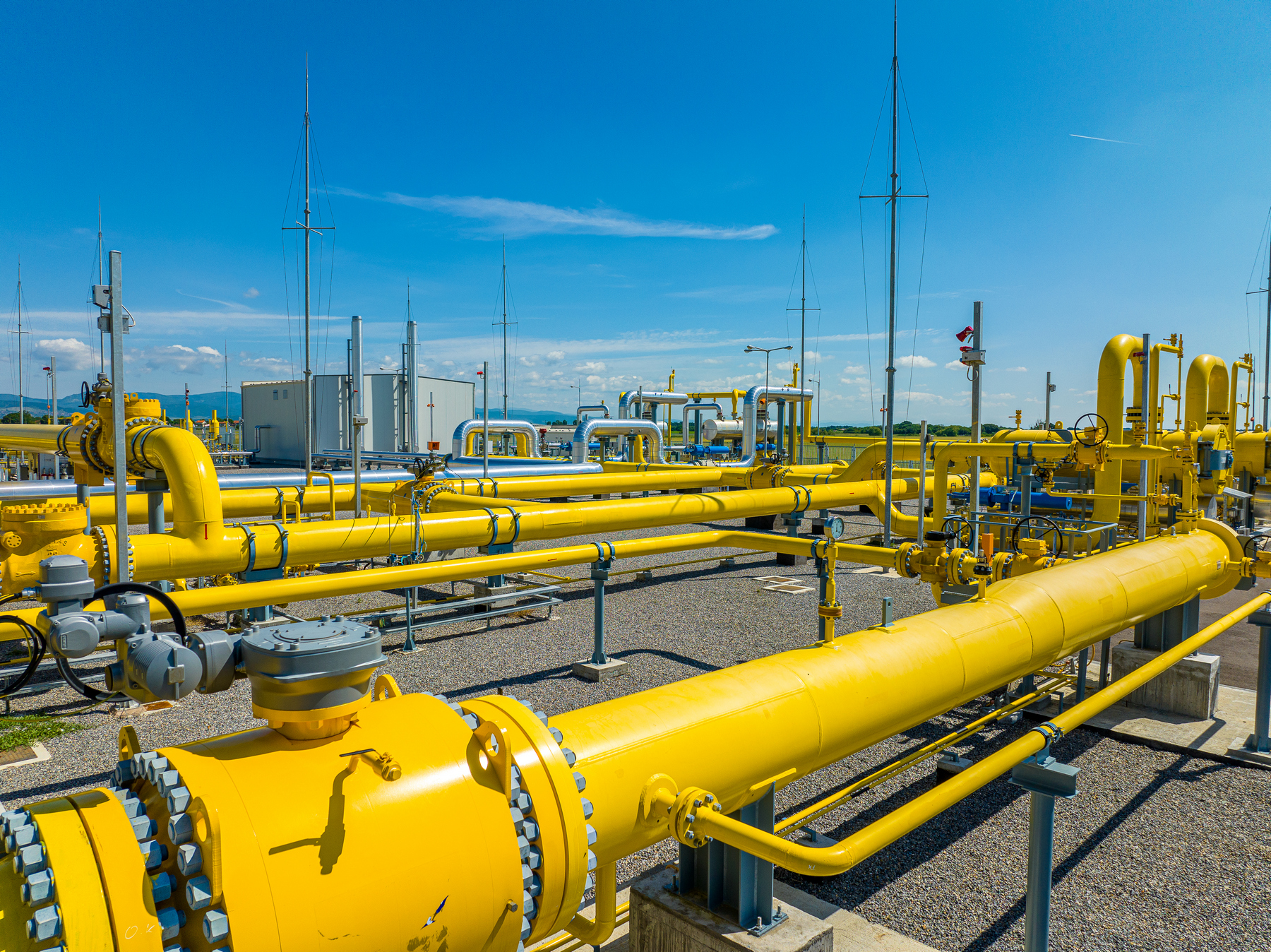

BAKU, Azerbaijan, December 26. Russia's Gazprom has taken a major step toward the construction of the Power of Siberia 2 gas pipeline, following agreements reached with Chinese partners, CEO Alexey Miller said at the company’s annual meeting, Trend reports via Gazprom.
“These agreements are legally binding and represent a pivotal milestone in the commencement of what is poised to be the world’s largest gas investment project,” Miller remarked.
He conveyed his assurance that the pipeline would not only be completed on schedule but potentially ahead of it, emphasizing the high standards of quality that would underpin its construction. He further highlighted Gazprom's deep expertise in executing large-scale energy infrastructure projects as a key factor in its success.
The Power of Siberia 2 stands as one of the most ambitious energy infrastructure endeavors of the decade, with the potential to dramatically alter the flow of natural gas across the Eurasian continent. At its heart, the initiative involves the creation of a vast pipeline designed to transport up to 50 bcm of gas annually from Russia’s Yamal Peninsula, historically the source of energy supplies to Europe, directly to northern China. Spanning nearly 2,600 kilometers and traversing Mongolia via the part of the Power of Siberia-2 project (Power of Siberia-2 Gas Pipeline), this pipeline will serve as the central physical conduit for Russia’s strategic shift toward the East.
The strategic rationale behind this project is closely linked to the significant transformation occurring within global energy markets. In the wake of losing the European market, Russia has sought to integrate its Western Siberian gas reserves with China’s rapidly growing demand for energy. Upon full operationalization, this pipeline, alongside the existing Power of Siberia 1 and the Far Eastern route, could facilitate the delivery of up to 100 bcm of gas annually to China by the mid-2030s. This would meet approximately 20% of China’s projected total gas consumption, thereby reducing Beijing's dependency on maritime LNG imports from Western markets.



