


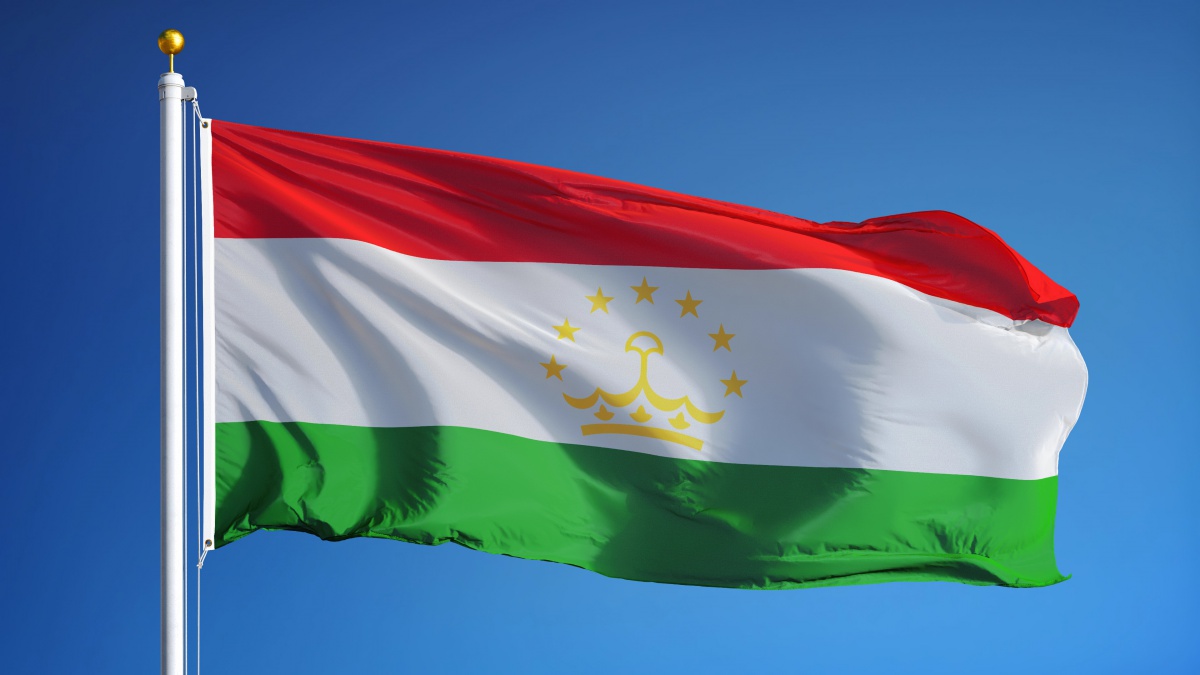

BAKU, Azerbaijan, January 15. Economic diplomacy continues to be one of the key priorities of Tajikistan’s foreign policy in 2026, ensuring the sustainable development of both bilateral and multilateral relations. Since the dawn of the year, the Ministry of Foreign Affairs has been pulling out all the stops to broaden cooperation in the realms of economy, trade, investment, industry, agriculture, hydropower, and tourism, thus bolstering the country’s standing on the global stage.
In this context, the recently held meeting of the Collegium of the Ministry of Foreign Affairs holds particular significance. The meeting reviewed the results of the foreign policy system’s work and outlined key objectives for 2026. Discussions focused on measures to develop economic cooperation with foreign partners, strengthen trade relations, and attract investments. Decisions made at the meeting aim to create conditions for implementing joint projects, modernizing infrastructure, and introducing innovative technologies in strategic sectors.
A vivid example of such practical work is the initiation of joint projects with foreign partners in the energy and agro-industrial sectors. In 2025, Tajikistan attracted over $146 million in investments from Kazakhstan, while bilateral trade with the country reached $1.3 billion (+7.4% compared to 2024). Joint industrial projects with Uzbekistan were also launched, including a metal pipe and profile manufacturing plant with an annual capacity of 100,000 tons and production of 50 types of products.
The comprehensive approach agreed upon at the Collegium also includes attracting investments for the construction of hydropower plants, modernization of agricultural infrastructure, and implementation of educational programs. These initiatives create a platform for long-term sustainable economic growth while simultaneously strengthening bilateral relations with key partners.
The digital age and the banking realm are key players in Tajikistan’s economic diplomacy game. In 2025, a $39 million agreement on digital transformation was signed with the World Bank and SECO, targeting the training of 28,000 people and the provision of broadband access to 100 schools.
Economic diplomacy is also reflected in Tajikistan’s active participation in international and regional initiatives. Special attention is given to water resource management, climate protection, and glacier preservation, while trade relations, the investment climate, and inter-parliamentary contacts continue to develop. Agreements were signed with Iran, China, Mongolia, and Kyrgyzstan in 2025, covering energy, agriculture, digitalization, and financial cooperation, thereby opening new opportunities for the country’s economic development.
Looking ahead, a variety of development paths could unfold. These include further expansion of investments and economic partnerships, successful implementation of initiatives in energy, agriculture, and education, partial implementation or delays due to external or internal factors, as well as strengthening or instability of regional cooperation depending on political, economic, and environmental conditions. The success of these measures will hinge on how well they are put into practice at home and how the global community reacts.
Stay up-to-date with more news on Trend News Agency's WhatsApp channel



