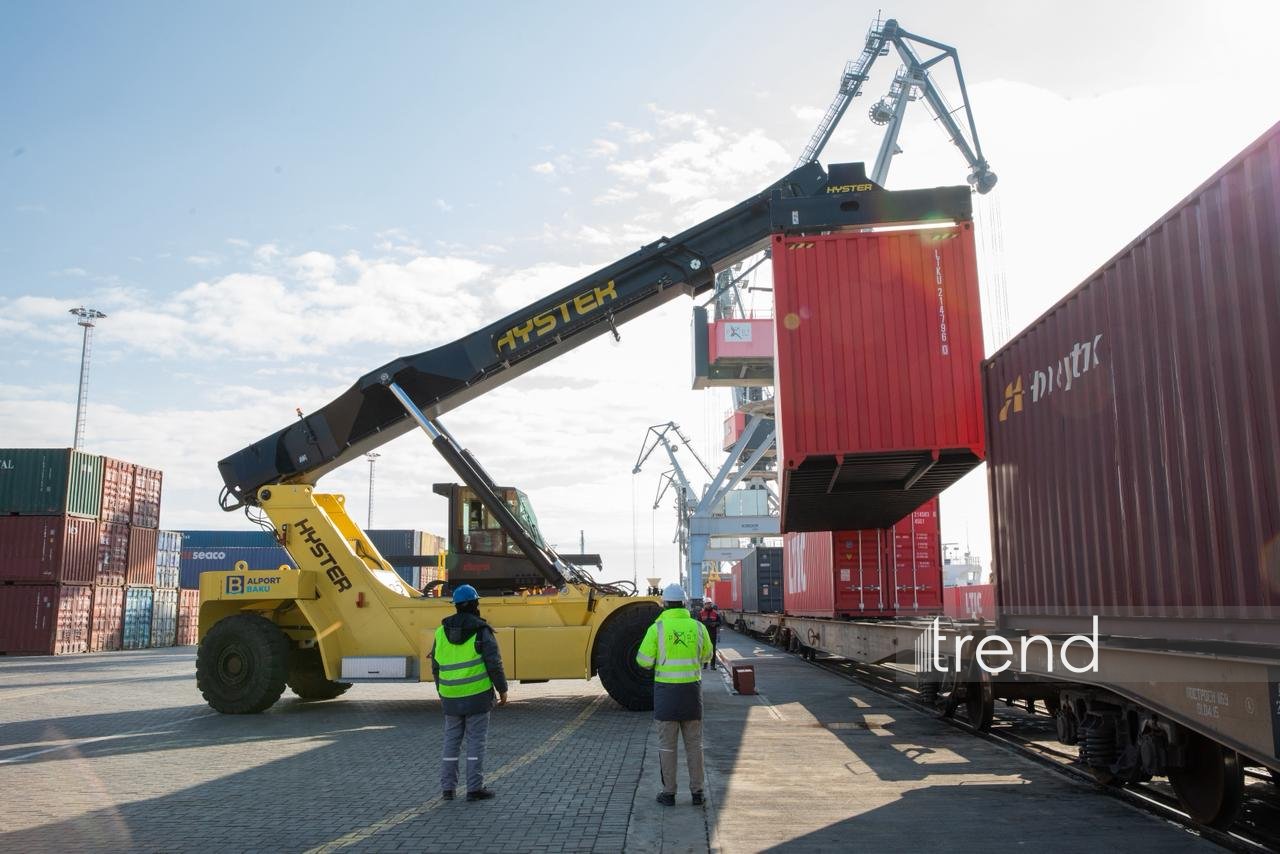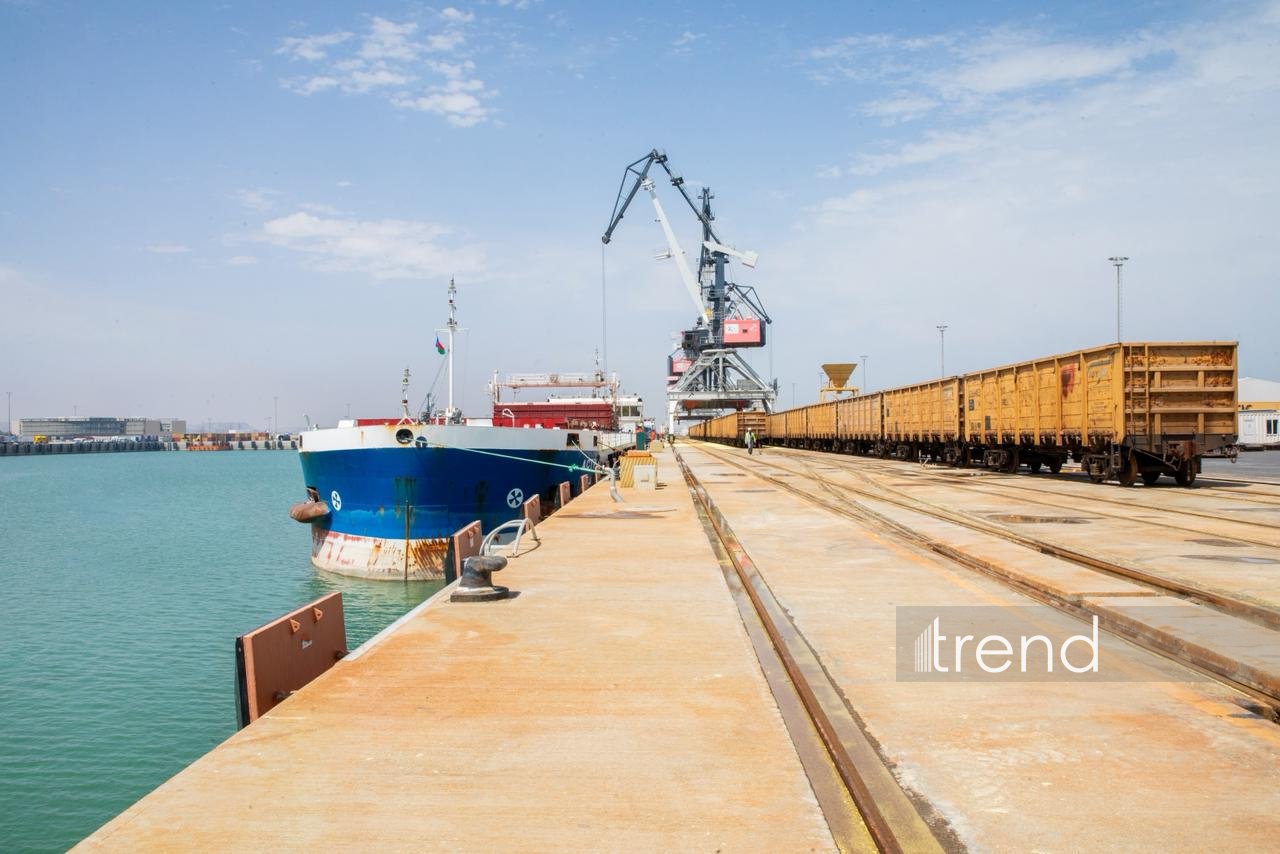

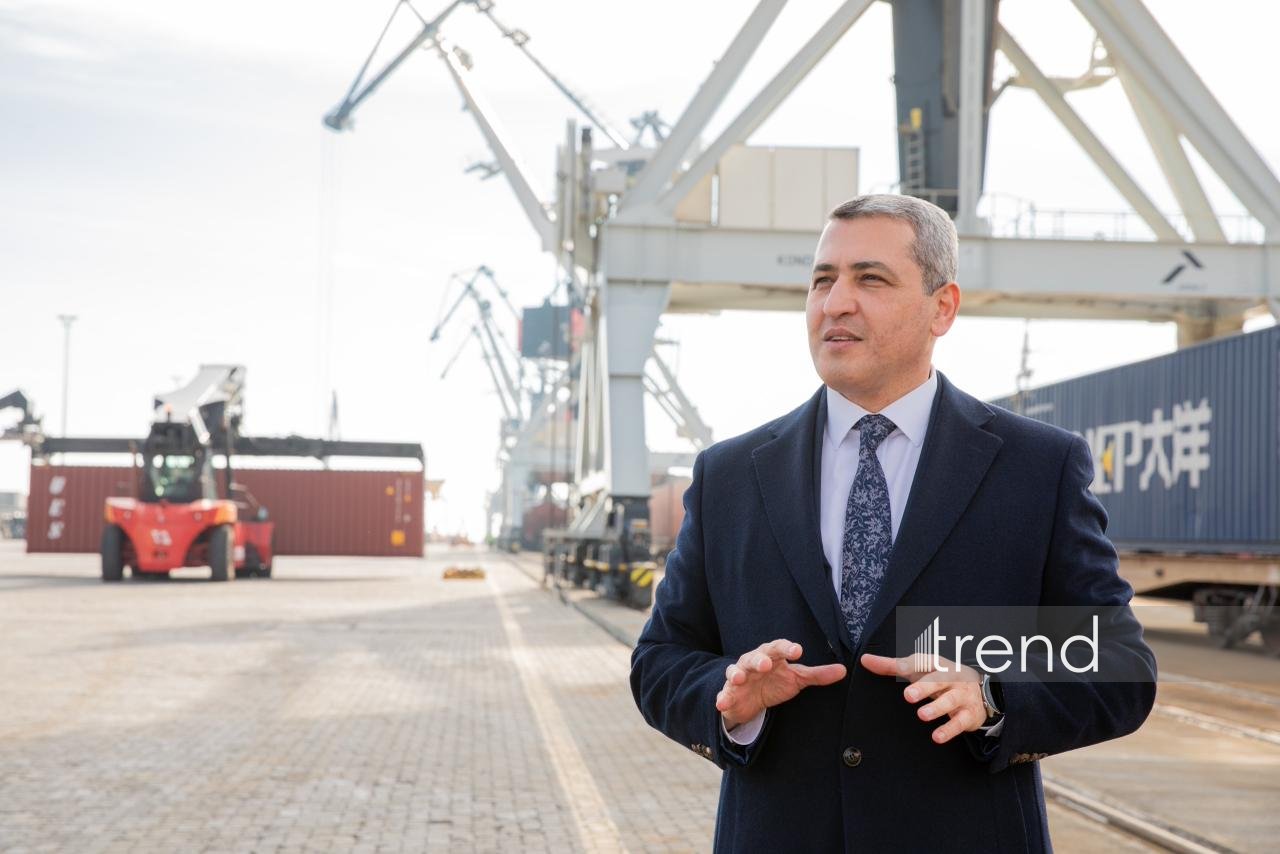
BAKU, Azerbaijan, January 19. Baku International Sea Port has become one of the key hubs not only for Azerbaijan but for the entire region's integration into the global trade chain. Thanks to its infrastructure capabilities, it optimizes cargo flows between Europe and Asia and plays a vital role in the sustainable and efficient operation of the Middle Corridor in conjunction with the railways. Eldar Salahov, the director of Baku International Sea Port LLC, a subsidiary of Azerbaijan Railways CJSC (ADY), gave an interview to Trend, sharing details about the port’s development efforts and plans.
- Since the integration of Baku International Sea Port into Azerbaijan Railways JSC, what key optimization measures have been implemented? How have these changes affected the port’s operational efficiency and service quality?
- Based on the decree of the President of the Republic of Azerbaijan, Ilham Aliyev, dated February 25, 2025, to enhance the efficiency and operational speed of transportation operations and logistics processes in the railway sector, and to more fully meet the needs of maritime transportation, Baku Port was transferred under the Azerbaijan Railways CJSC structure. During the integration process, Baku International Sea Port has been undergoing a deep strategic optimization in logistics and transportation. Primarily, port and railway operations have been integrated under a unified management model, creating tighter coordination between stages such as documentation, customs, cargo unloading-loading, and transfer to the railway.
In a short period of time, the Unified Transit Center, launched at the port, is an important practical outcome of this integration. In this center, the State Customs Committee, the State Border Service, the State Migration Service, Azerpost, and forwarding companies now operate under one roof. As a result, the documentation of cargo and transit procedures for vehicles has been simplified, reducing time losses and logistical bottlenecks.
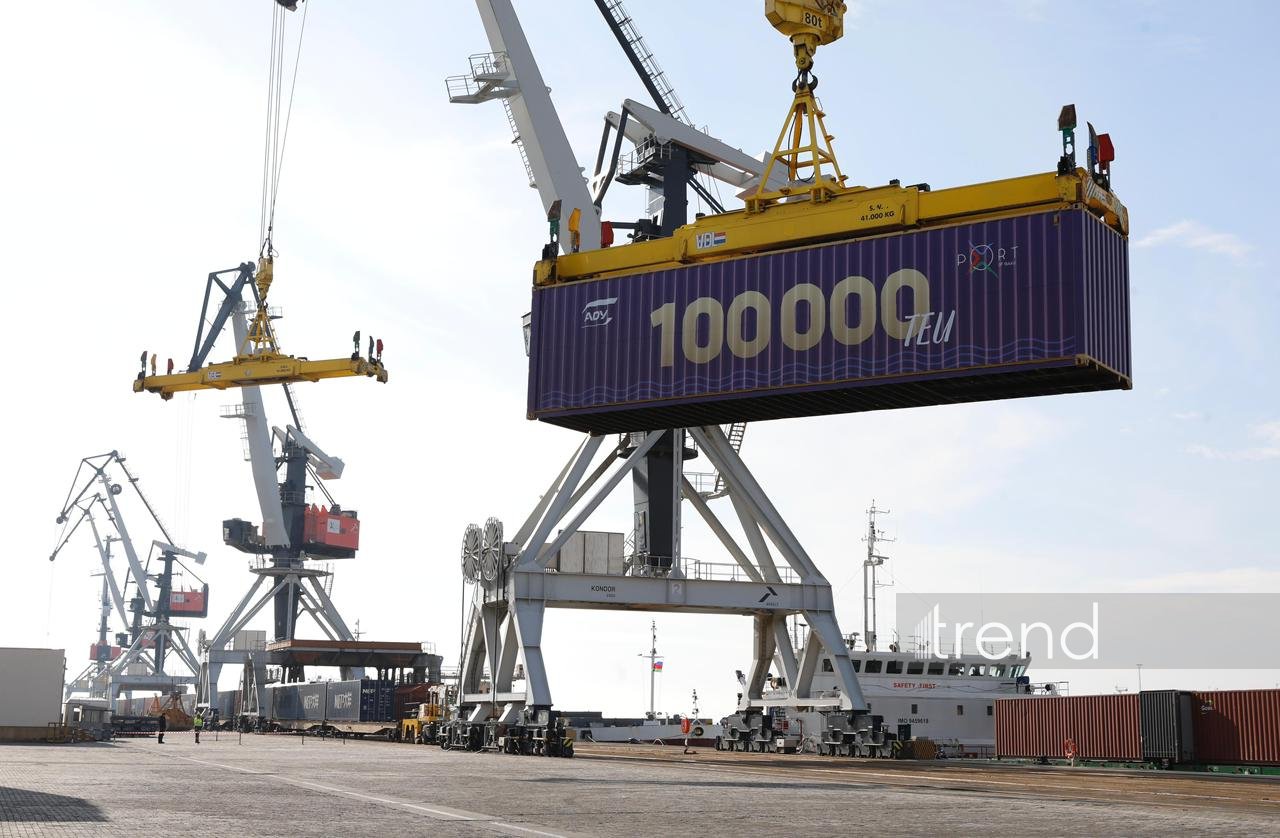
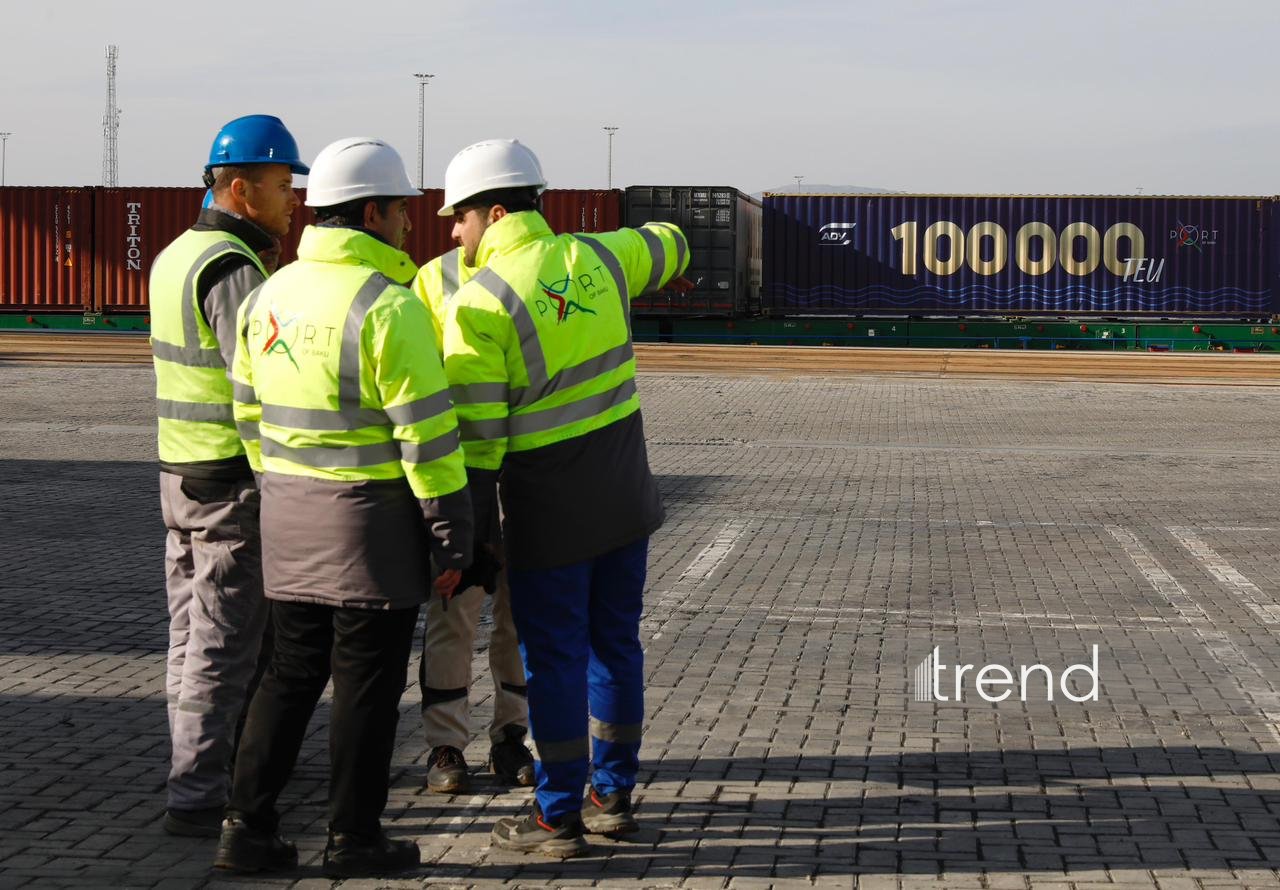
This structured and unified system has significantly increased operational efficiency in the port-railway space. Looking at the figures, in 2025, 8.2 million tons of cargo were handled at the port, which represents an 8.1% increase compared to the same period last year, and is the highest result achieved in the history of independent Azerbaijan. Notably, over 107,200 TEUs were handled last year, marking a 40% increase compared to 2024.
Thus, this integration is not just about structural change, but also about enhancing operational agility, strengthening customer-oriented services, and gaining a strategic advantage in transit cargo flows.
- You mentioned that for the first time in 2025, the annual container throughput at Baku Port exceeded 100,000 TEUs. What prospects does this volume promise?
- In both international and regional logistics, there has been a significant increase in the volume of containerized cargo. One of the main reasons for this is that containerized transport is considered to be more efficient and safer. As you know, when Baku Port was first opened in 2018, its annual cargo handling capacity was 15 million tons and 100,000 TEUs. However, after the integration of the port with ADY at the beginning of last year, the port’s annual container throughput capacity was quickly boosted to 150,000 TEUs. At the same time, additional cargo handling equipment was attracted to the port, and modern logistical solutions were implemented. Thanks to these steps and, most importantly, the efforts of our professional team working around the clock, we have successfully exceeded the 100,000 TEU mark. This result is not just a statistical figure; it represents a significant achievement supported by hard work and teamwork. The outcome has further strengthened the trust of cargo owners and leading logistics companies in us. Our partners continuously monitor the projects we implement and the results we achieve. I am confident that this year, we will exceed last year's record and achieve even higher results.
- How does digitalization and the implementation of unified platforms strengthen the operational transparency and customer orientation of the port? What technological solutions have already been implemented in this direction, and what are the plans for the next phase?
- Digitalization has become one of the most prioritized development directions for Baku Port in recent times, and after the integration with Azerbaijan Railways (ADY), it has moved to a more systematic stage. This approach significantly enhances the port’s operational transparency, consolidates the flow of information, and creates opportunities for a customer-oriented service model.
The first step in this direction is the development of a next-generation Port Management Information System (PMIS). Due to technical limitations that emerged during the operation of the previous system from 2020 through 2023, work on a new concept started in 2025. Currently, active work is being done in this direction. The new system will integrate port operations related to ships, cargo, wagons, trucks, and warehouses into a single operational platform, enabling real-time monitoring of cargo handling planning, queue management, bridge utilization, and resource distribution. As a result of integration with other systems, it will also be possible to provide customers with online updates on the status of cargo, document processing, and operational stages, further strengthening the port's customer-centric service model.
The second major direction is a system that enables the automation of all business processes in the port, integrating them into a unified system. As part of this phased project, daily operations related to procurement, finance, commercial activities, operations, and control points are now being executed in a digital environment. The integration chains between various modules minimize the need for redundant data entry, reduce human errors, and provide more comprehensive real-time reporting capabilities.
The third key direction is the digitization of security and surveillance infrastructure. In the first phase of the project, modern surveillance and analytics equipment was installed at the port, and the system was put into operation. Currently, efforts are focused on activating service contracts and addressing any issues in the existing analytics systems. In the next phase, a centralized control zone will be created, where all surveillance and security systems will be managed from a single panel. This will help in identifying operational risks more quickly and organizing safer and more controlled cargo and transportation movements within the port area.
Overall, the transition to digitization and unified management platforms at the port not only increases the transparency of operations, control capabilities, and the speed of processes but also creates a more predictable and agile service environment for customers. Real-time data exchange, electronic documentation, and the centralization of management processes reduce the operational load on the port, enhance service quality, and strengthen the port’s competitiveness.
- What role does Baku Port play in strengthening transport and logistics connections along the Middle Corridor? What practical steps are being taken to enhance coordination capabilities and organize integrated services?
- Baku International Sea Port, as the main strategic hub along the Middle Corridor, is a crucial infrastructure center that ensures the seamless movement of multimodal transportation between the East and the West. Azerbaijan's geographic position and the national transport policy have transformed the port into not only a cargo handling point but also a key logistics platform where operations along the corridor are coordinated.
The "Action plan for enhancing the transit potential of international transport corridors and promoting transit cargo transportation through the territory of Azerbaijan for 2024–2026," approved by the President of Azerbaijan, placed special accent on increasing the competitiveness of the Middle Corridor and accelerating transit services. As part of this plan, significant work is being done to optimize border-crossing operations, expand the digital environment, implement unified dispatch management, and integrate customs services at Baku Port.
The port is also expanding its cooperation frameworks with other maritime and logistics centers in the region, enabling more agile management of cargo flows. These interconnections are crucial for maintaining the stability of transit routes, coordinating operational planning in advance, and ensuring the smooth rhythm of regional logistics processes. This approach not only ensures the sustainable operation of the port but also creates favorable conditions for the seamless and predictable execution of transit shipments.
In line with the growing demand along the Middle Corridor, Baku Port is continuously expanding its infrastructure. Under a Cabinet of Ministers Decree, funds have been allocated to increase the port's container handling capacity to 260,000 TEUs, with specific tasks identified for this purpose. As part of this investment, new cargo handling equipment is being acquired, the foundations of bridges and container yards are being reinforced, the throughput capacity of the sorting station is being increased, and dredging works to ensure the safe acceptance of large vessels are planned.
Ultimately, Baku Port serves as the central hub that determines the operational resilience, cargo handling capacity, and speed of logistics connections along the Middle Corridor in the country.
- In the context of growing international demand along the Middle Corridor, what strategic partnerships or investment models are being considered to attract more transit cargo flows to Baku Port?
- The rapid growth of cargo volumes along the Middle Corridor requires Baku Port to deepen its coordination with regional partners. Currently, the port is focusing on expanding cooperation mechanisms at both the intergovernmental and operator levels. Key initiatives in this area include aligning tariffs with the main countries along the Trans-Caspian International Transport Route, optimizing port services, and regulating the movement rhythm of vessels. These joint efforts help make the Caspian Sea crossing more predictable and ensure that cargo flows are directed through Baku.
Baku Port is also exploring joint investment models to enhance the resilience of corridor-based cargo flows. These include expanding the Caspian Sea crossing potential, the joint use of terminals, and integrating operational data between regional ports.
In addition, to strengthen the port’s connections with European and Asian transport networks, new cooperation formats with international financial institutions and private investors are being evaluated. Strategic priorities in this context involve infrastructure investments, digitalization projects, and partnerships aimed at increasing the port's capacity for container and Ro-Ro operations to meet growing demand.
Overall, these initiatives aim to boost Baku Port’s competitive position along the Middle Corridor, make the transit of cargo through Baku more cost-effective and reliable, and increase the long-term investment appeal of the corridor.
- What new requirements and challenges arise in port operations due to the increasing cargo volumes? What priority projects are being implemented to expand infrastructure and logistics services to meet this growth?
- The dynamic increase in cargo transportation along the Middle Corridor has introduced new requirements and challenges in Baku Port’s operational system. The growing transit volumes have highlighted key issues such as accommodating larger container flows, managing bridge utilization levels, reducing waiting times for transport vehicles, and increasing the throughput capacity of terminals. Particularly during peak periods, congestion and the existing technical equipment's inability to fully match the cargo handling tempo have created a need for optimization.
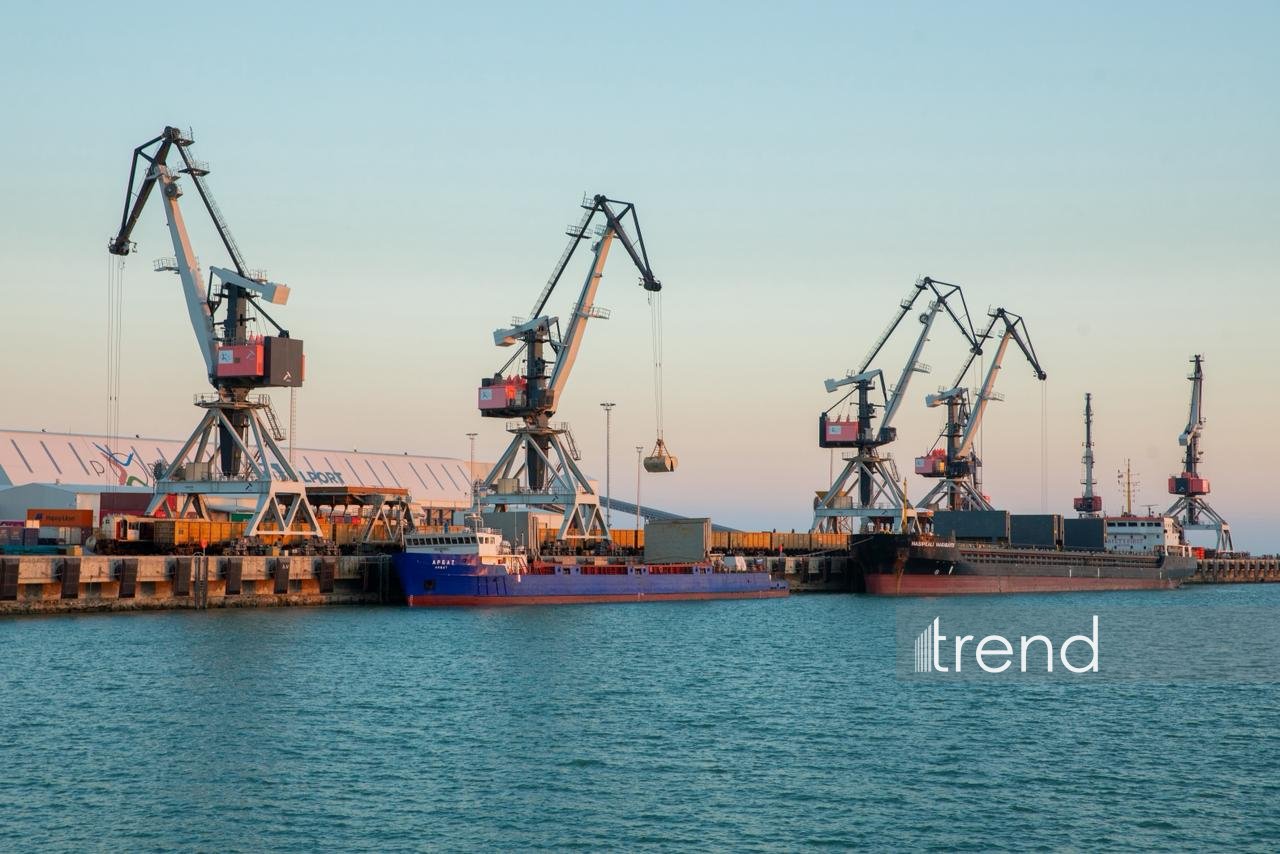
Currently, Baku Port is focusing on several key areas to address these challenges: 1) upgrading and expanding cargo handling equipment to increase speed and throughput; 2) reinforcing bridges and container yard foundations, enabling safer storage of cargo and the ability to accept heavier shipments; 3) increasing the throughput capacity of the sorting station, which will improve the efficiency of the rail-road interface, reduce congestion, and minimize delays; 4) dredging operations are planned to facilitate the safe acceptance of larger vessels and accelerate vessel turnaround time.
Moreover, one of the port's development directions includes a large-scale concept for Phase II, which involves the construction of new terminals, the expansion of multimodal logistics infrastructure, and the creation of new service lines. This will form a long-term, sustainable platform to accommodate the growing cargo volumes in the coming years.
These infrastructure and logistics projects ensure that Baku Port can meet increasing cargo flows, enhance operational agility, and strengthen its position as a leading transit hub along the Middle Corridor.
- What new initiatives are expected in the coming years to strengthen Baku Port's collaboration with ports in regional countries? What strategic steps are planned to enhance the port's competitiveness in international transport corridors?
- In the near future, the main initiatives are concentrated in several directions. Firstly, it's planned to harmonize operational standards, service rules, and technological approaches between ports. This will ensure equal cooperation in the region, flexibility in cargo transit, and the operation of transit routes at a uniform pace. Secondly, it's planned to exchange information on cargo flows, ship schedules, weather conditions, and bridge utilization on an electronic basis. This step will strengthen the coordination required for transit and minimize waiting times.
In addition, the creation of multilateral cooperation platforms between ports is also among the promising initiatives. Through these mechanisms, it will be possible to conduct decision-making processes between countries more efficiently and harmonize a certain part of the common tariff approaches. This will create conditions for the formation of unified logistics packages for the participating countries and increase the attractiveness of the route.
The port's next strategic steps in terms of increasing competitiveness are broader. Expanding infrastructure capabilities, modernizing bridges, and increasing container capacity are among the main goals that will increase the port's transit capabilities. At the same time, an operational model based on digitalization, including real-time data exchange, electronic documentation, and unified management systems, will increase the port's service quality and strengthen its position as a logistics center in the region. In general, the steps that Baku Port will take on regional cooperation will be aimed at strengthening both operational compatibility, standardization, and the strategic partnership framework, and this approach will further strengthen Azerbaijan's role as a transit country by increasing the port's competitive advantage on international corridors.