


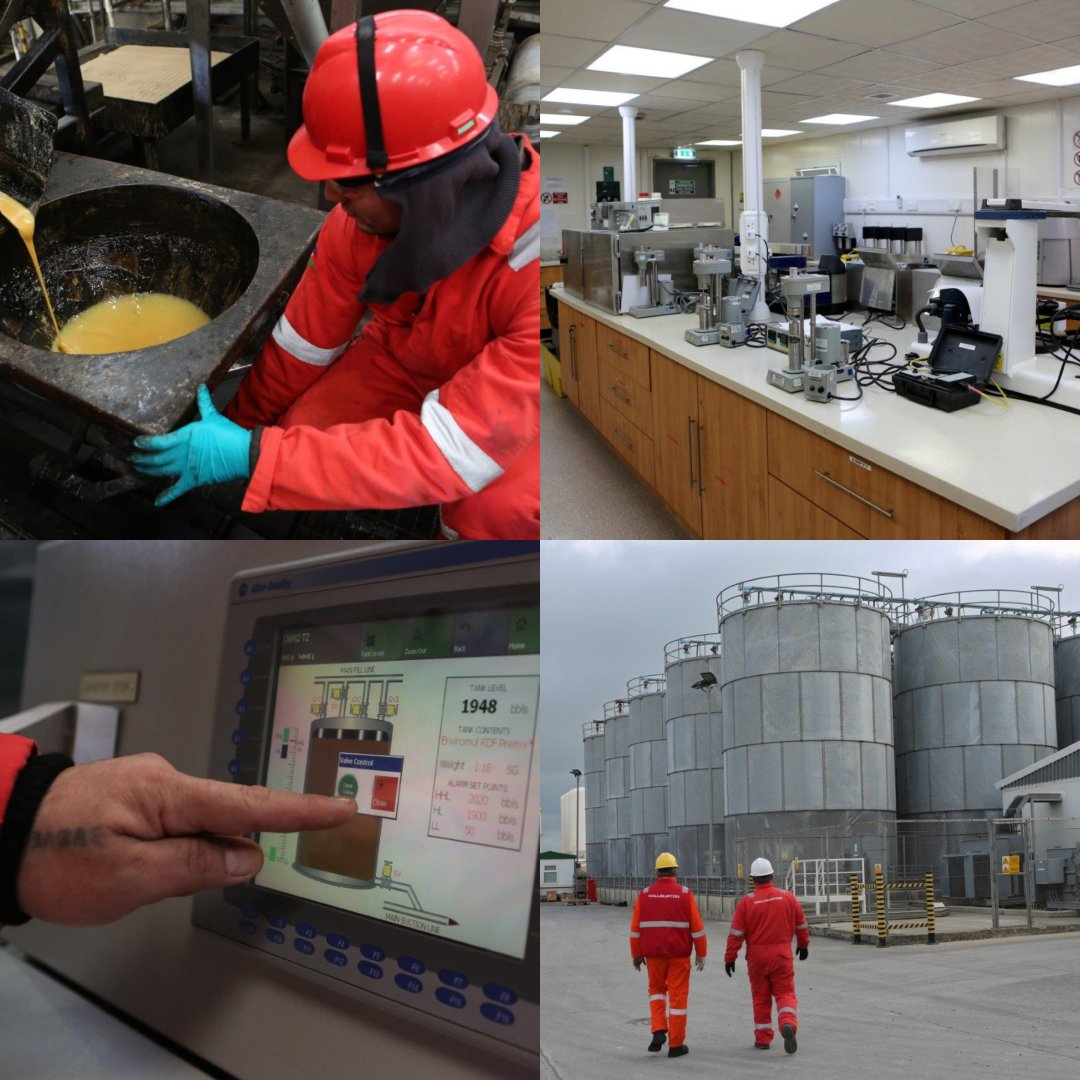

BAKU, Azerbaijan, January 14. bp has introduced an innovative approach to recycling drilling fluids in the Azerbaijan, Georgia, Türkiye region, significantly reducing waste while optimizing operational costs, Trend reports via bp.
Drilling operations in the Caspian can reach depths of up to 7,000 metres through complex sedimentary layers. These challenging conditions require precise control at the drill head and throughout well formation. Specially formulated drilling fluids play a critical role in managing pressure, transporting cuttings, and cooling and lubricating the drill bit. These fluids are mixed, tested and managed at bp’s advanced drilling fluids facility (AFF), where offshore waste drilling mud is returned in bulk for treatment and disposal.
bp specialists have developed a data driven method that uses smart testing combined with machine learning to determine whether waste drilling mud can be recycled and reused. The new process reduces analysis time from up to 90 minutes to just 15, delivering fast, reliable results and helping keep drilling operations on schedule. Using historical data and only two to three key quality variables, the predictive model achieves 93–94% accuracy, enabling confident and timely decisions on fluid reusability.
Since 2023, the initiative has delivered significant benefits:
More than 20,000 barrels of drilling fluids recycled.
Reduced vessel idle time at docks.
Recovery of waste oil for reuse.
Replication of the approach across bp operations globally.
This project demonstrates how innovation and collaboration can reduce waste, unlock cost savings and improve efficiency, delivering tangible value across operations. It also reinforces that sustainability is not only the right thing to do — it is a smart business decision.



