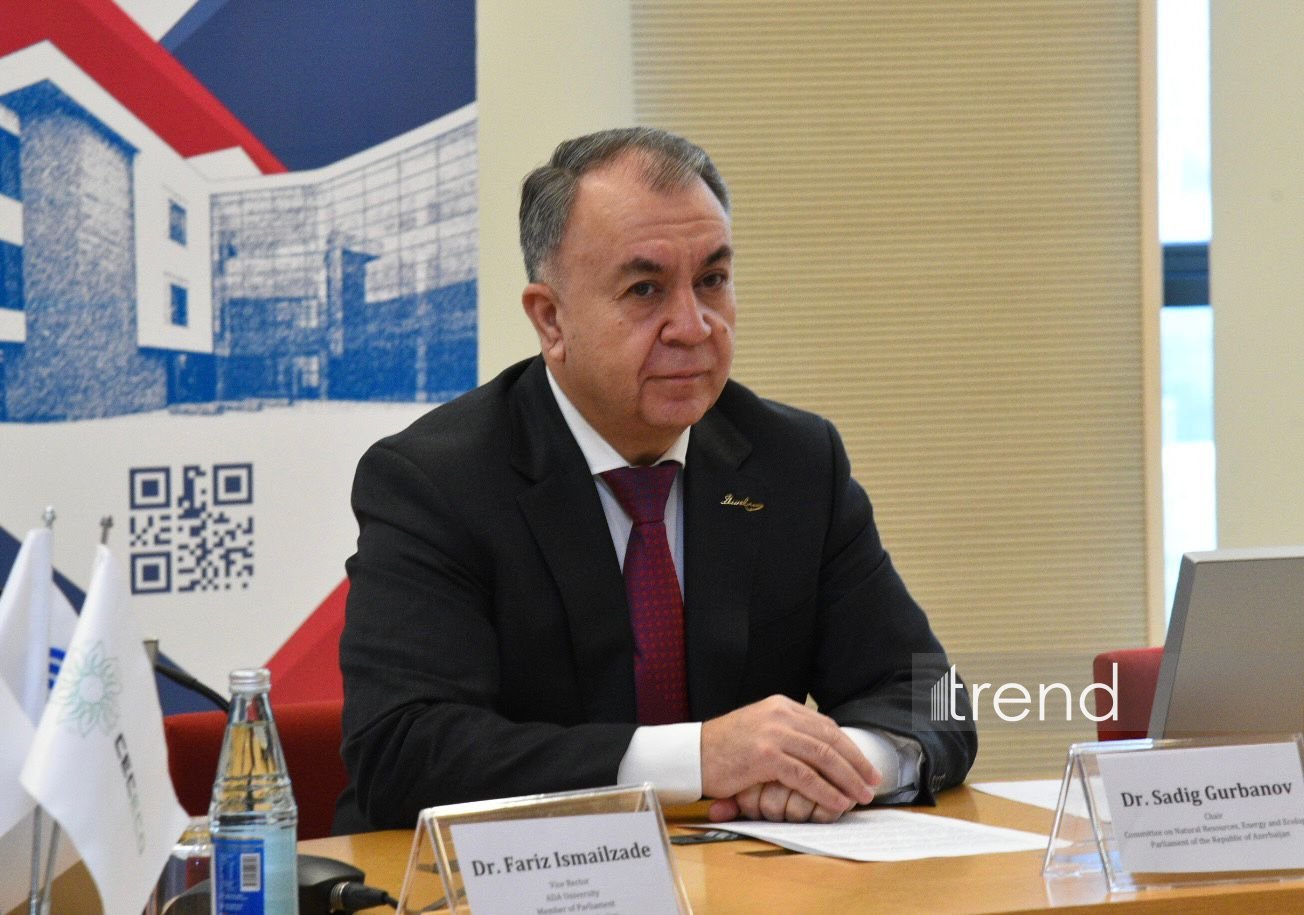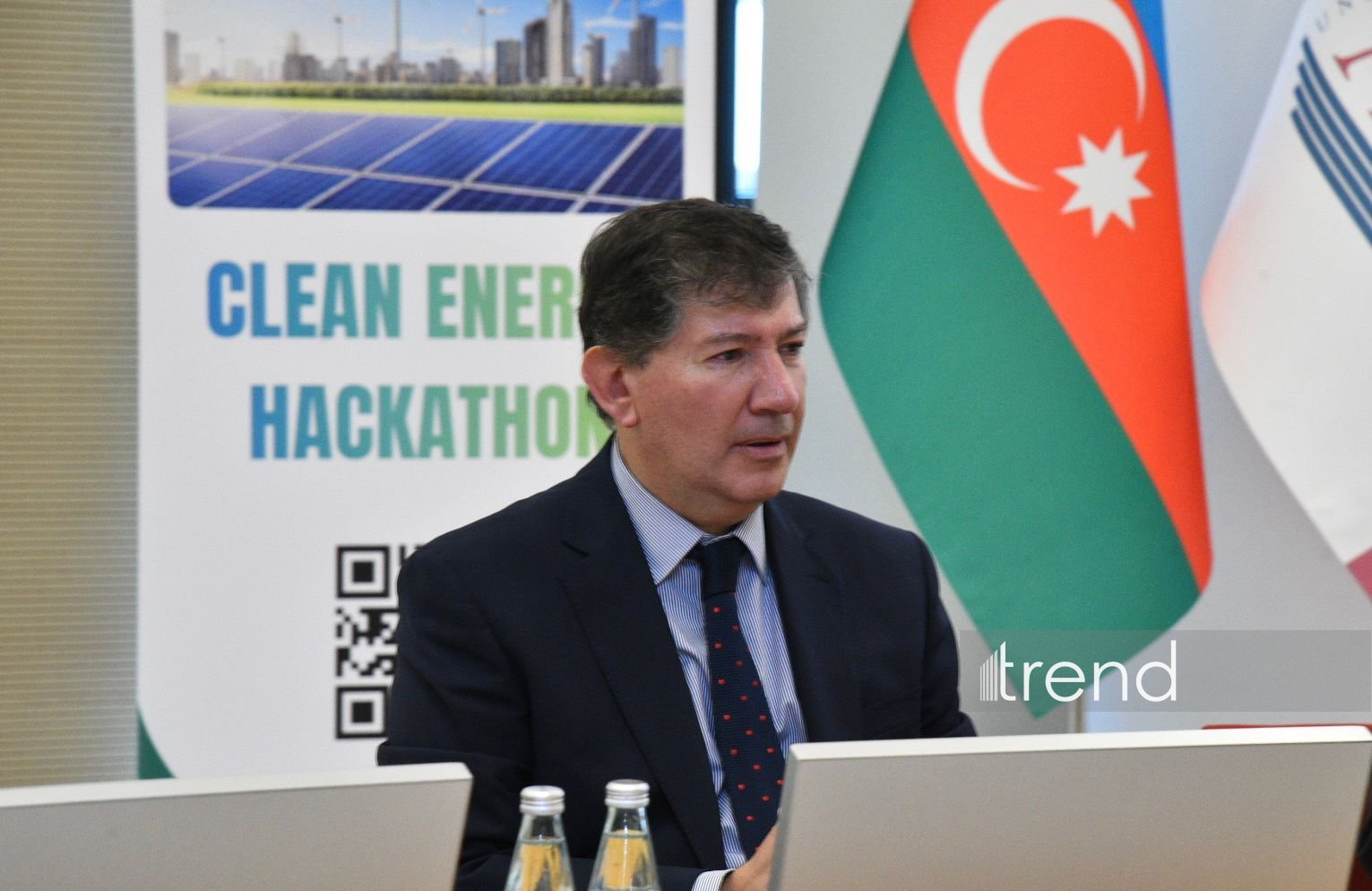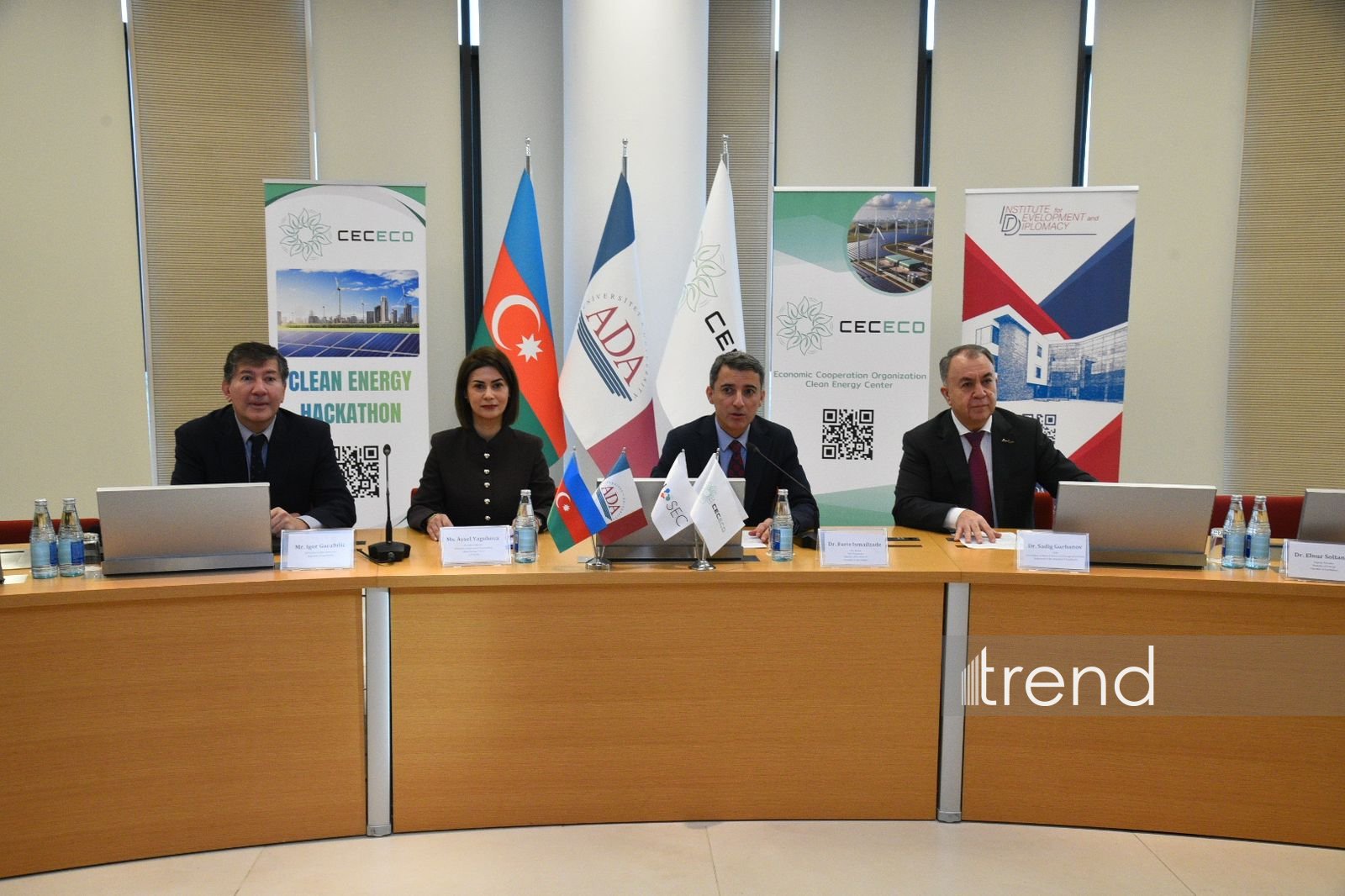

BAKU, Azerbaijan, January 23. A roundtable discussion and an award ceremony of the Clean Energy Center of the Economic Cooperation Organization (ECO) Clean Energy Hackathon 2026 on the occasion of the International Clean Energy Day was held in Baku, Trend reports.
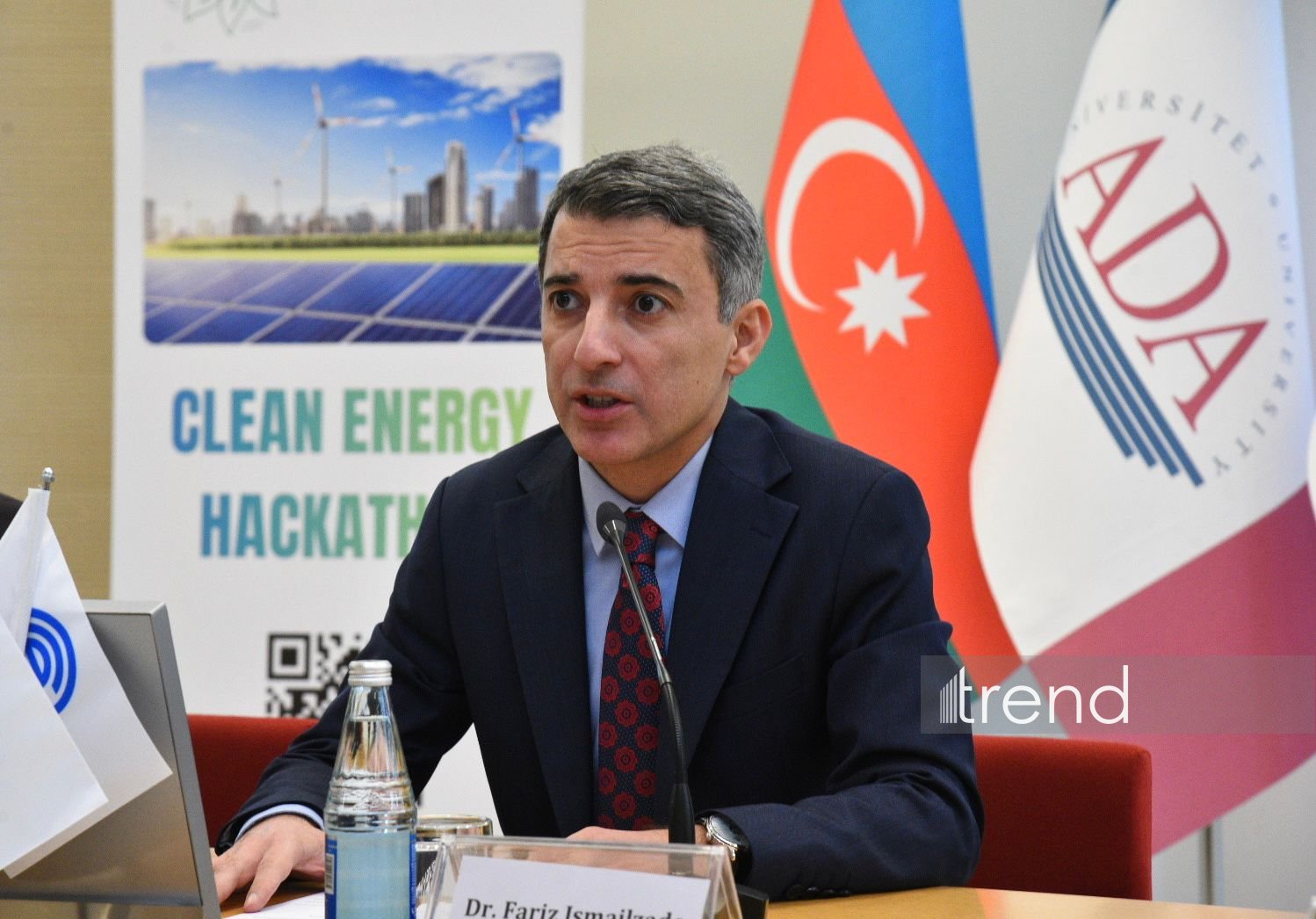
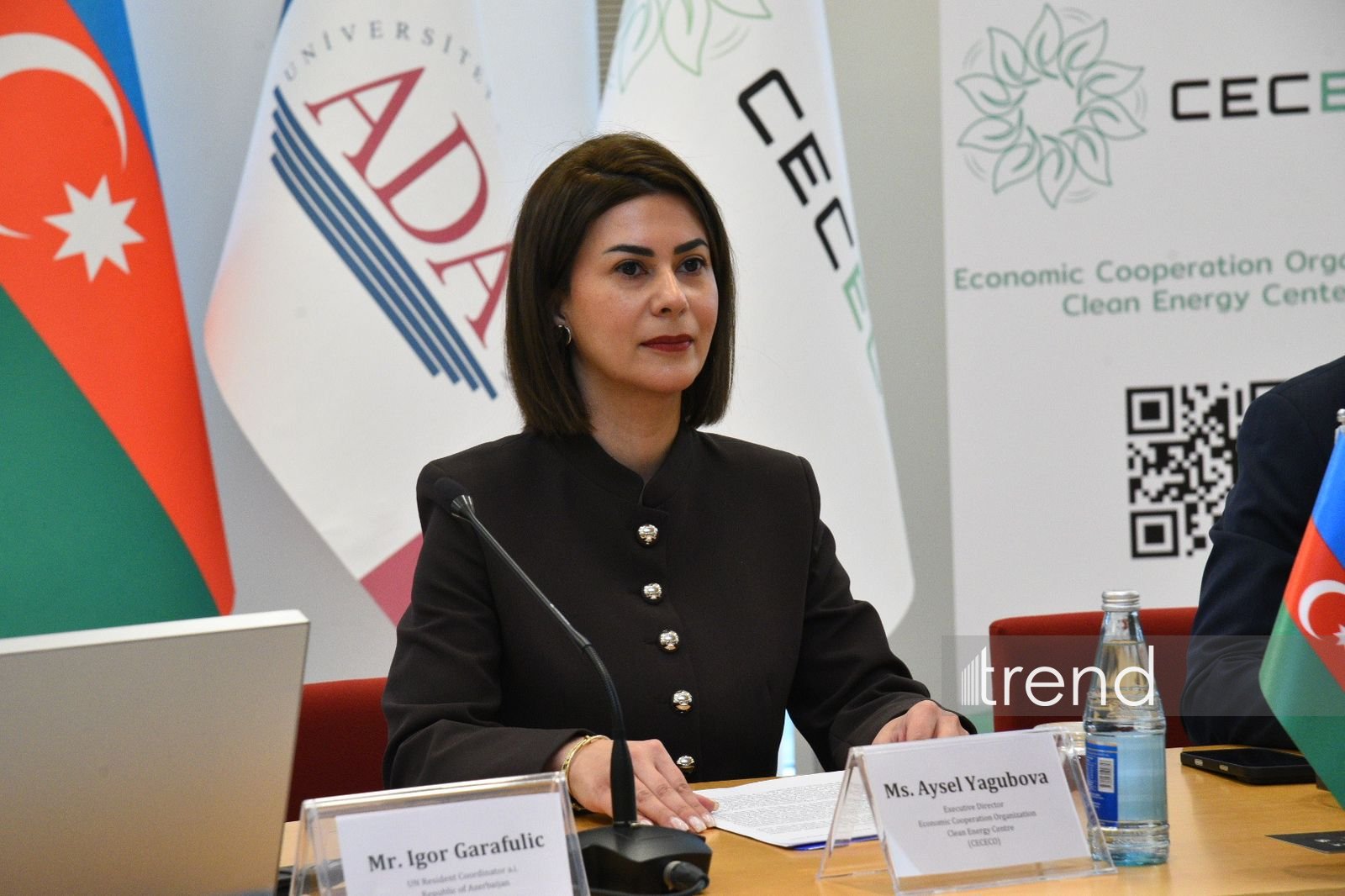
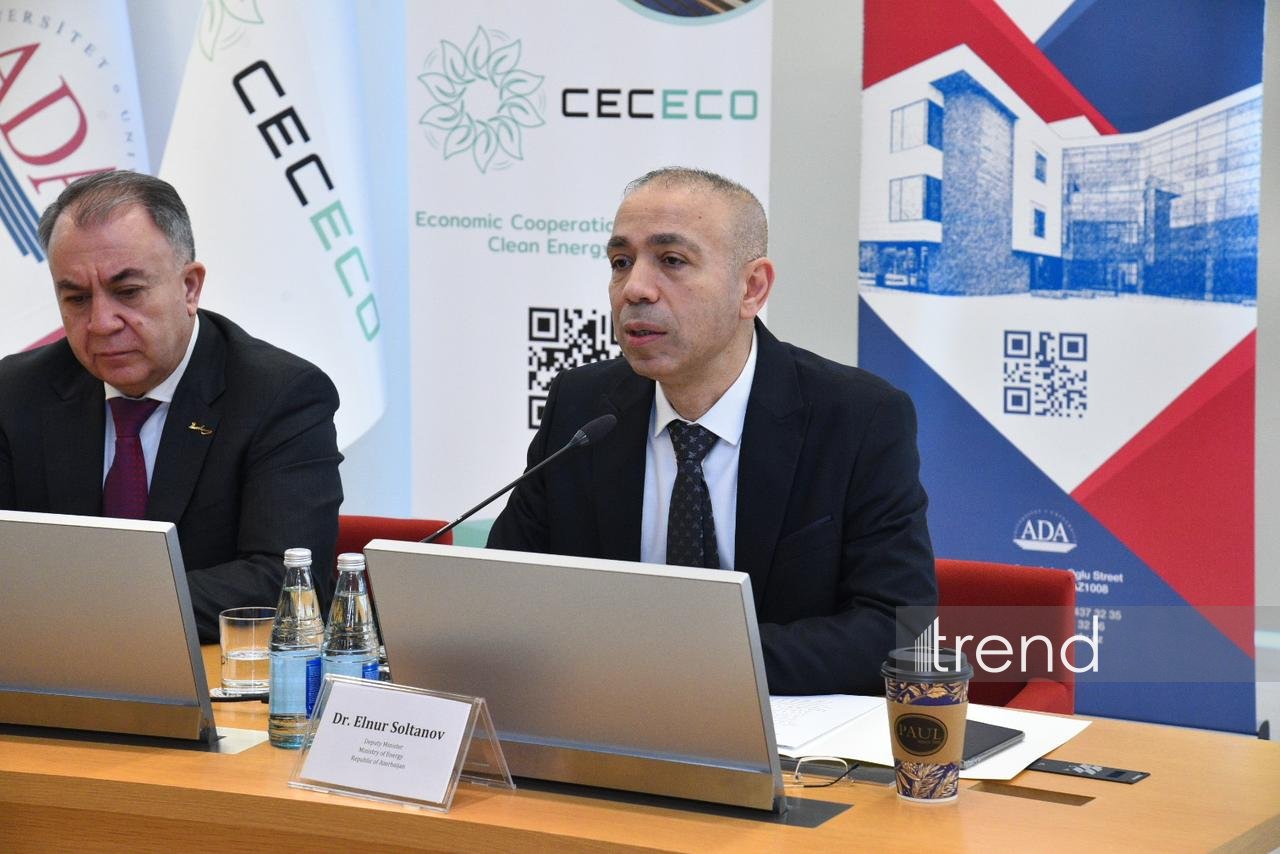
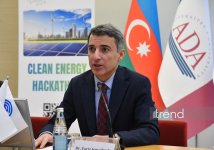
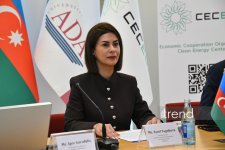
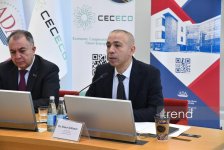
The opening of the event was held by Vice-Rector of ADA University Fariz Ismayilzade, Azerbaijani MP Aysel Yagubova, Executive Director of the Economic Cooperation Organization's Clean Energy Center, Deputy Minister of Energy of Azerbaijan Elnur Soltanov, and Acting UN Resident Coordinator in Azerbaijan Igor Garafulic.
Speaking at the event Igor Garafulic outlined that the UN stands ready to support the Government of Azerbaijan in implementing the ambitious targets under NDC 3.0 and progressing towards Sustainable Development Goal No. 7 (Affordable and clean energy).
He emphasized that today is a perfect opportunity to acknowledge Azerbaijan’s leadership and dedication in the shift towards clean energy.
"We commend Azerbaijan's nationally determined contribution (NDC 3.0) announced at COP30. Previously, the emission reduction target set for 2050 has been advanced by 15 years, with Azerbaijan now committing to reduce emissions by 40% by 2035. This is a clear indication of strong national will to accelerate climate actions," Garafulic noted.
The interim resident coordinator emphasized that the new NDC 3.0 outlines pathways to decarbonization through the development of renewable energy, transportation, and energy efficiency. A fair transition to a green economy will ensure economic diversification and enhance the country's competitiveness.
"Azerbaijan is also making significant progress on Sustainable Development Goal (SDG) No. 7—'Affordable and Clean Energy.' Within the framework of the 2026-2030 Sustainable Development Cooperation Document, the UN is ready to support the government in achieving these ambitious goals," he added.
In turn, Deputy Minister of Energy of Azerbaijan Elnur Soltanov noted that Azerbaijan currently consumes about 15 billion cubic meters of natural gas, and nearly one-third of this generates electricity.
He pointed out that Azerbaijan needs to take a few leaps in the realm of clean energy.
"The main issue here is undoubtedly related to technology and its cost. First of all, in some sectors, the appropriate technology does not yet exist, and we should view this as an exogenous factor. We are not among the countries that create technology, and we must accept this. This should not be considered a serious problem.
Therefore, these issues cannot be fully solved in the short term solely through our internal capabilities, even within the framework of the economic cooperation organization we are discussing today. Long-term strategic goals need to be defined in this direction," Soltanov explained.
The deputy minister mentioned that when it comes to clean energy, the crux of the matter lies in securing financial resources.
"Our region and the Economic Cooperation Organization can give a serious push to these processes.
The third important issue is cooperation in every sense. For example, Azerbaijan has a unique geographical location. We don't have access to the ocean, which creates certain limitations. However, the situation in electricity production is somewhat different.
We allocate approximately five billion cubic meters of gas solely for electricity production, which is more than the total annual gas consumption of some European countries. 'Greening' the electricity sector is not so difficult because the technologies exist. However, the main problem is energy storage systems.
These systems are very expensive, and without batteries, a full transition to solar and wind energy is impossible. Another alternative is to strengthen energy connections with neighboring countries. For example, this model is already being applied in the European Union, and it significantly facilitates the transition to green energy," he added.
Director-General of the International Renewable Energy Agency (IRENA) Francesco La Camera revealed that IRENA will hold the annual investment forum on energy transition in Azerbaijan in June 2026.
"We, together with partners, will convene an annual investment forum on the energy transition for Central Asia in Azerbaijan in June 2026," he emphasized.
In addition, he called on Turkmenistan to accelerate the transition to a sustainable future.
According to him, regional cooperation is of particular importance for Central Asia.
"The region's growing energy demand and abundant renewable energy resources create a unique opportunity to transition to a sustainable, low-carbon future and reduce over-reliance on fossil fuels. Realizing these opportunities requires a solid basis for regional cooperation and investment mobilization. That's why IRENA has launched the 'Accelerated Partnership for Central Asia' (APCA) initiative at COP29. We are trying to unite international and regional partners around four key pillars of cooperation," the director-general explained.
He observed that Kazakhstan, Tajikistan, Kyrgyzstan, and Uzbekistan are currently collaborating.
"We call on Turkmenistan to join them and accelerate its path to a sustainable future," La Camera added.
The event featured a roundtable discussion and an award ceremony on the topic of transition to clean energy and regional cooperation models to accelerate the expansion of renewable energy