


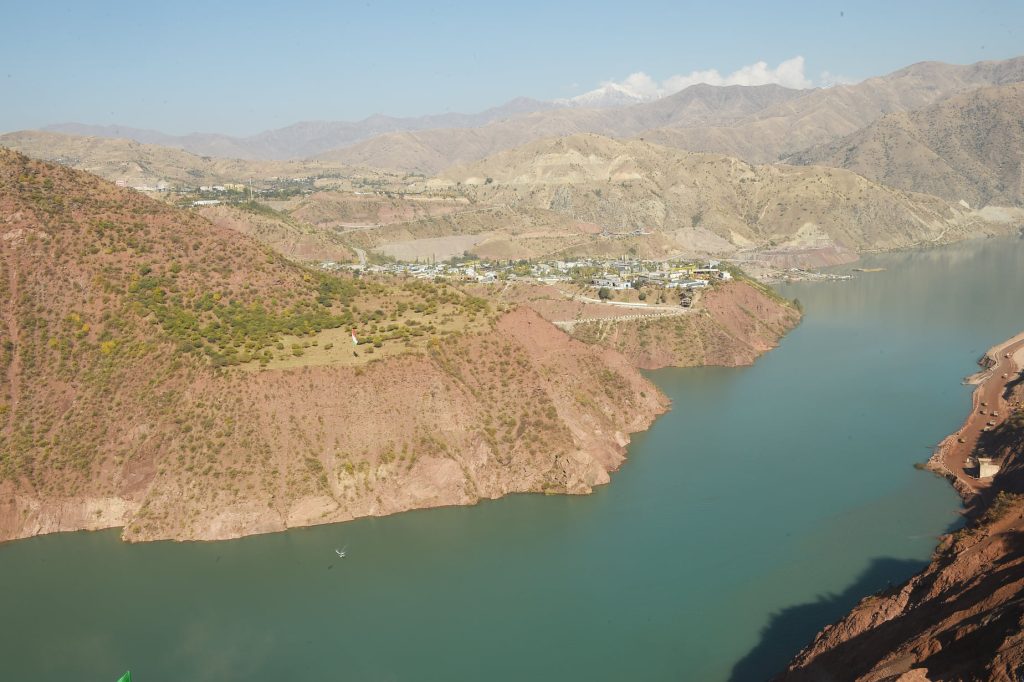

DUSHANBE, Tajikistan, January 10. Tajikistan aims to increase the total volume of its water reservoirs to 29.2 billion cubic meters (km³) over the next 15 years, Trend reports via the country's Ministry of Energy and Water Resources.
The objective is delineated in the National Water Strategy, ratified by governmental authorities in November 2024, aimed at optimizing water supply and sanitation infrastructure nationwide by the year 2040.
Currently, the total volume of Tajikistan’s reservoirs stands at 15.6 km³. The government acknowledges that modern technologies and efficient management of water resources will be key to overcoming water shortages and supporting sustainable development in the country.
In fact, in certain corners of Tajikistan, the lack of water is a thorn in the side, especially when the dry seasons roll around. The main culprits behind water shortages are the lopsided distribution of water resources and the old-hat infrastructure that’s seen better days. The current reservoirs are feeling the pinch as they try to keep up with the ever-increasing demands of both the population and the economy, while the old water supply systems are leaking like a sieve, losing a significant amount of water due to their age and wear.
The situation is further exacerbated by climate change, with reduced precipitation and higher temperatures making irrigation even more challenging. To address these challenges, the government plans to modernize infrastructure, introduce more efficient irrigation systems, and reduce water losses.
Special attention will be given to the lower reaches of the Isfara and Surkhab rivers, where there is a critical need to upgrade water management infrastructure and build small reservoirs. These improvements are expected to ensure a more reliable water supply for agriculture, industry, and local communities.



