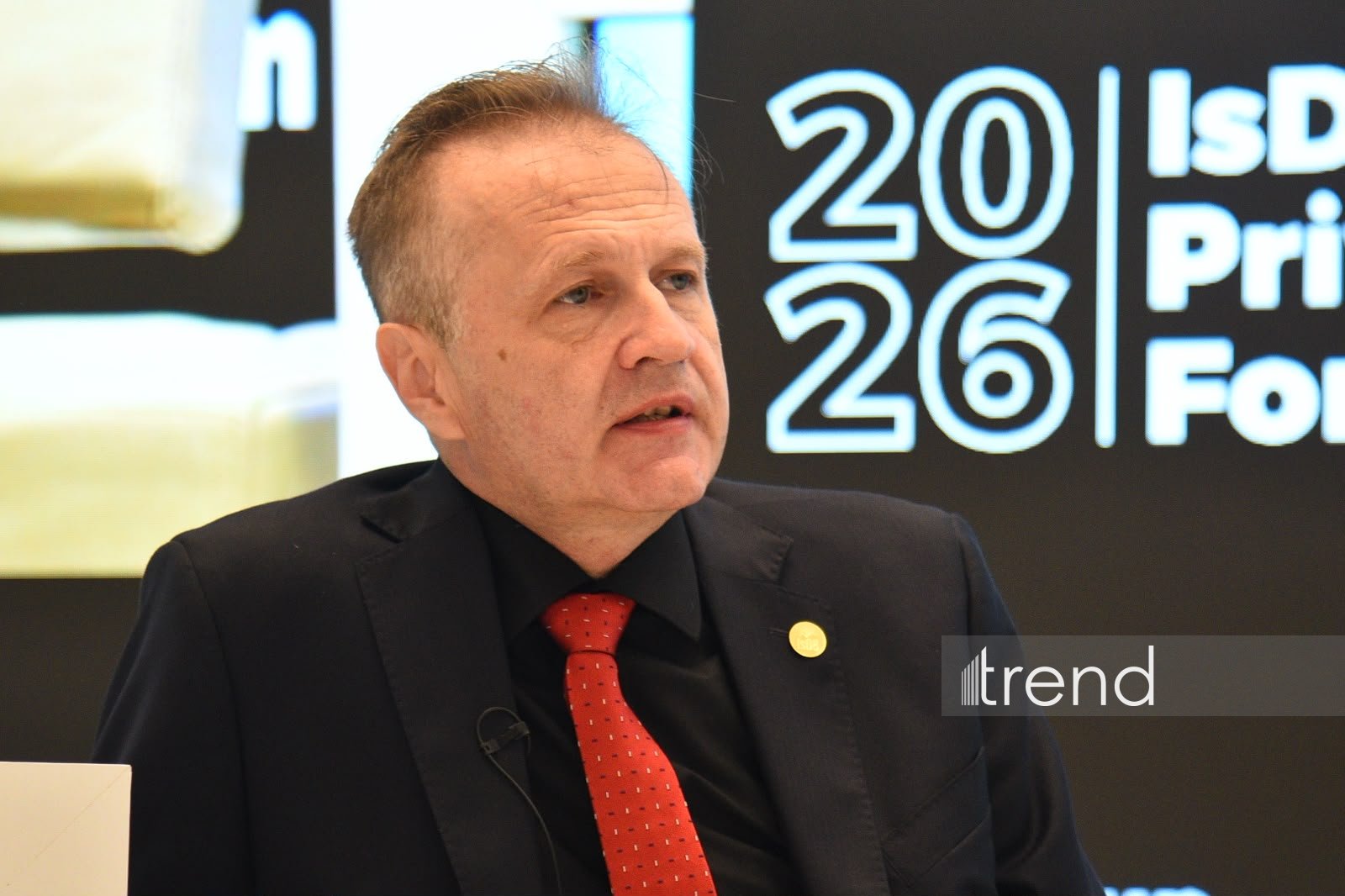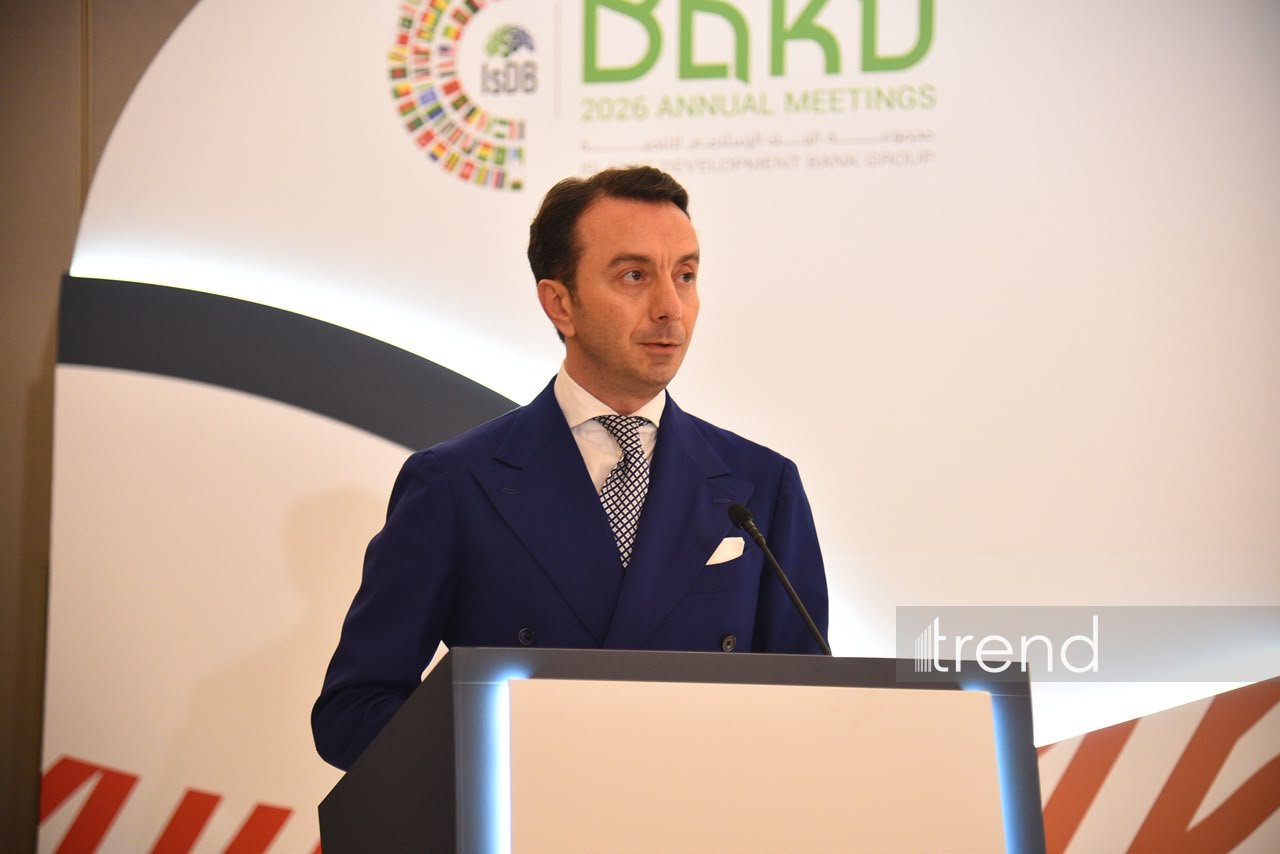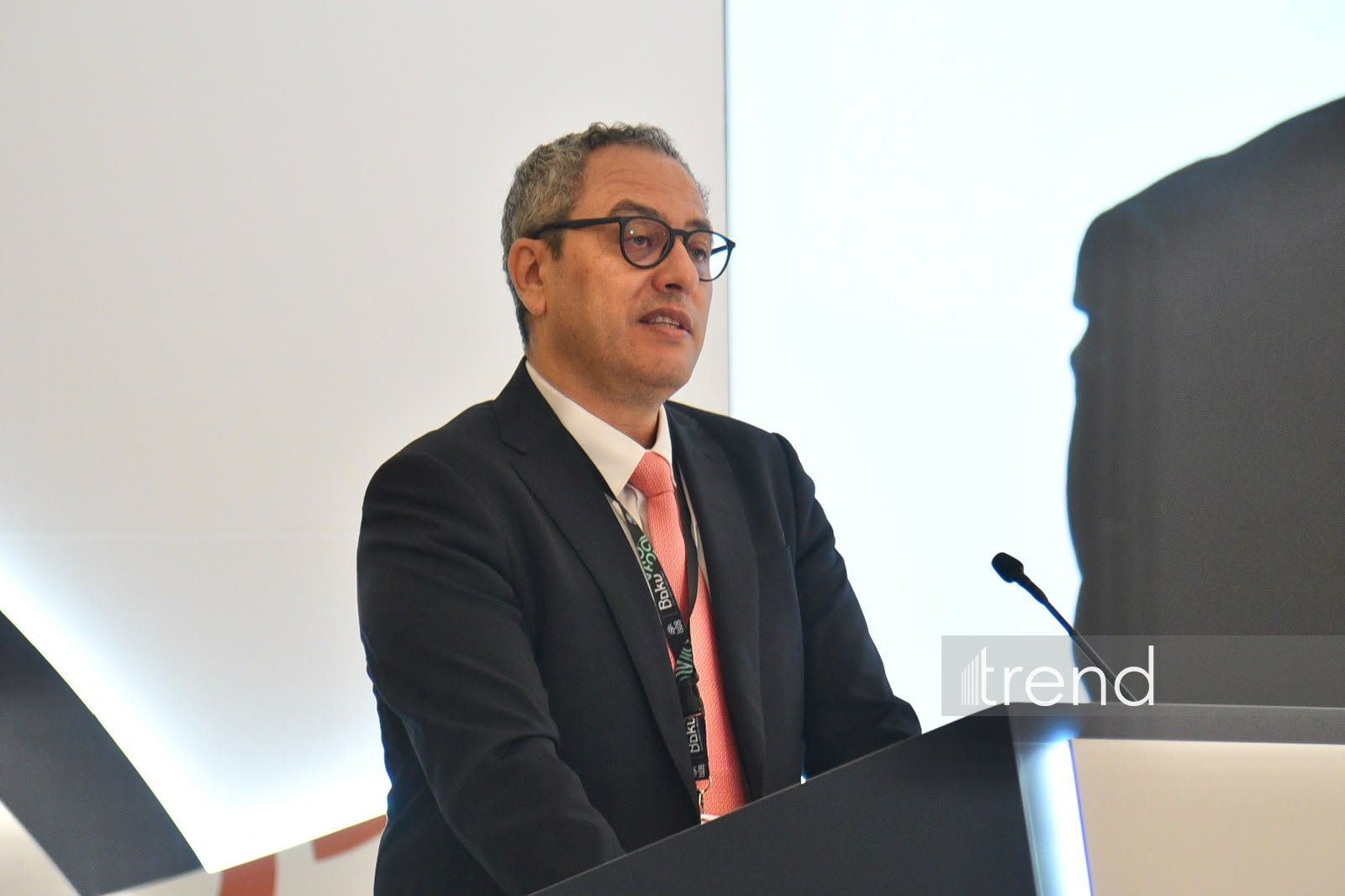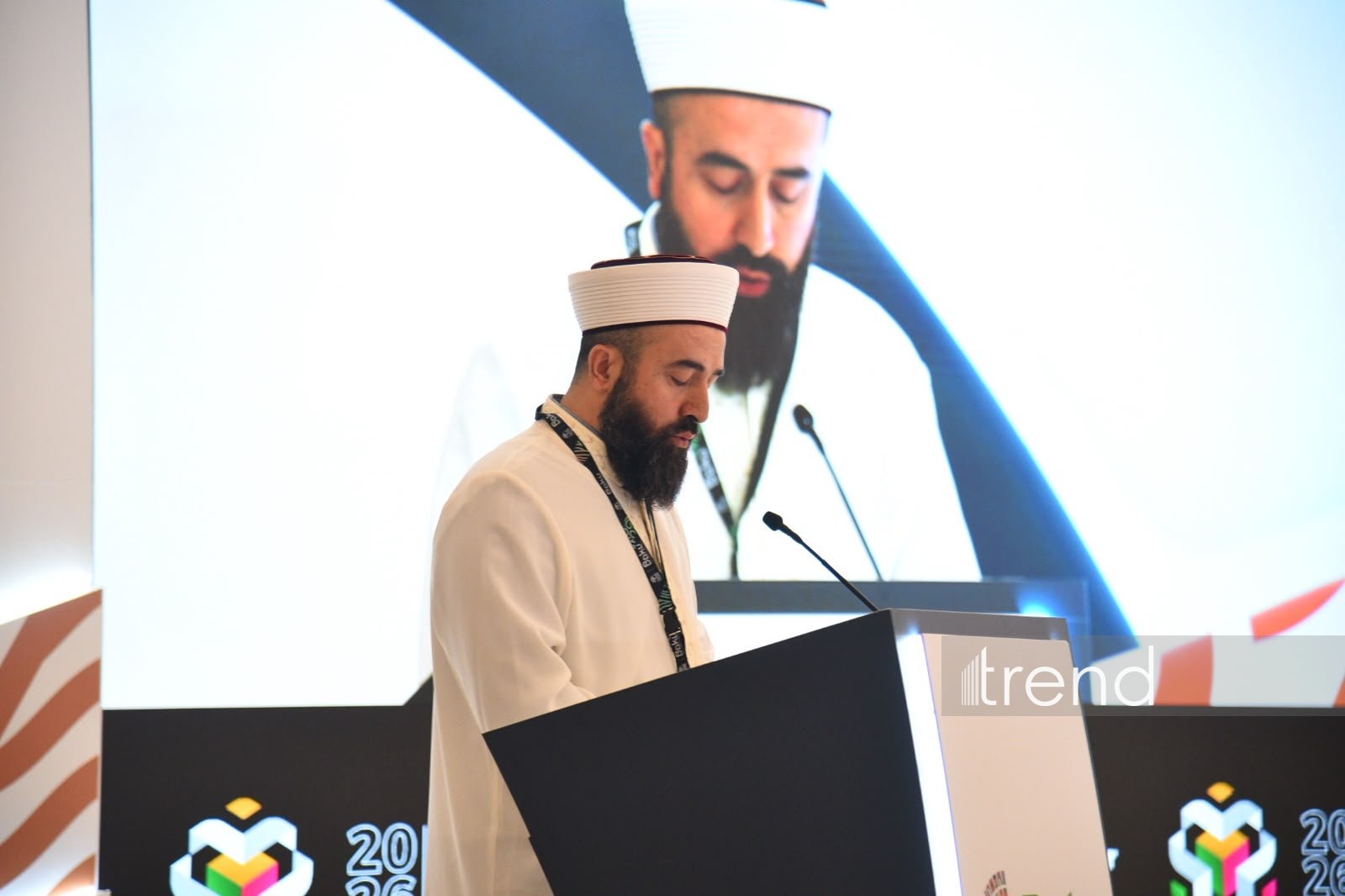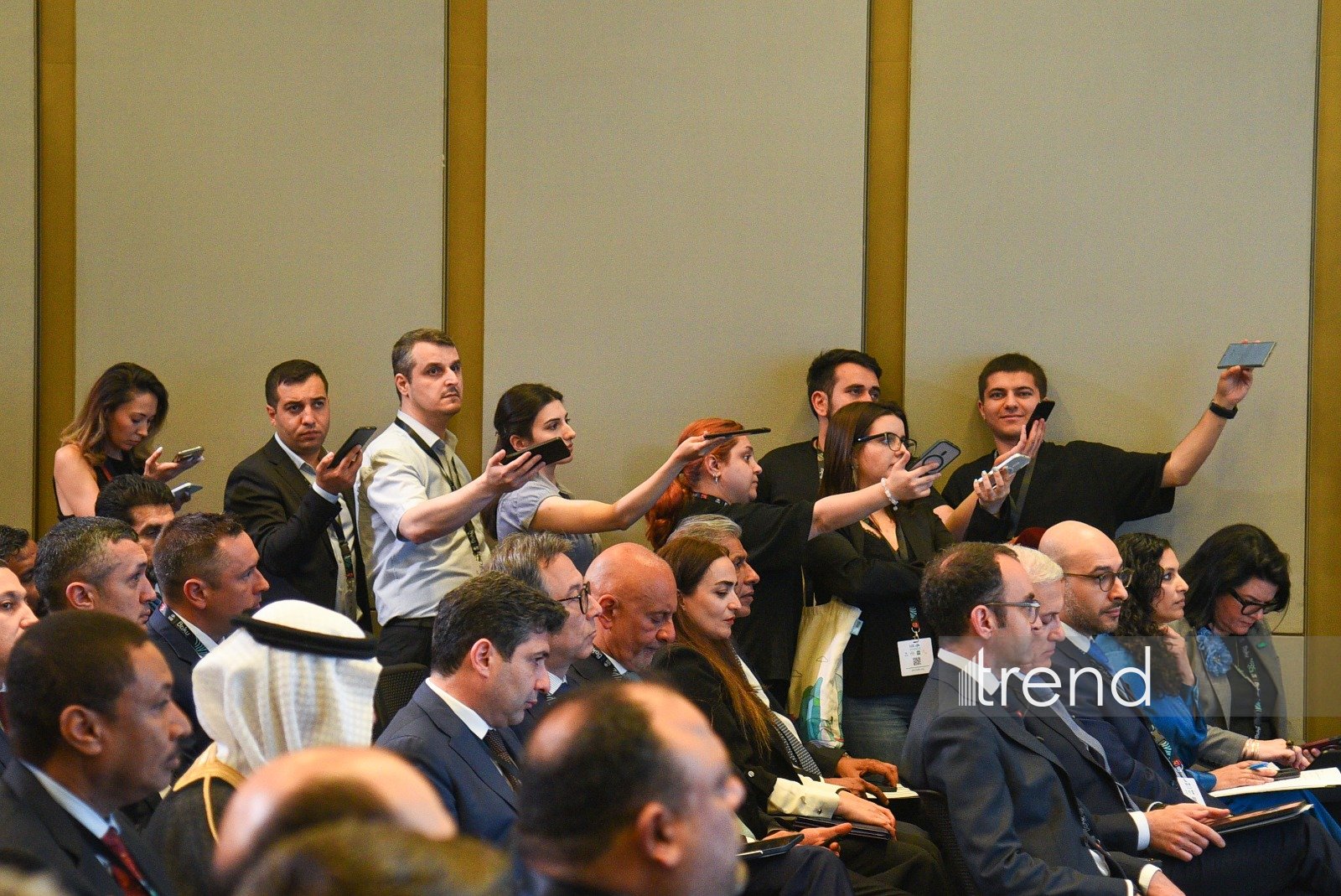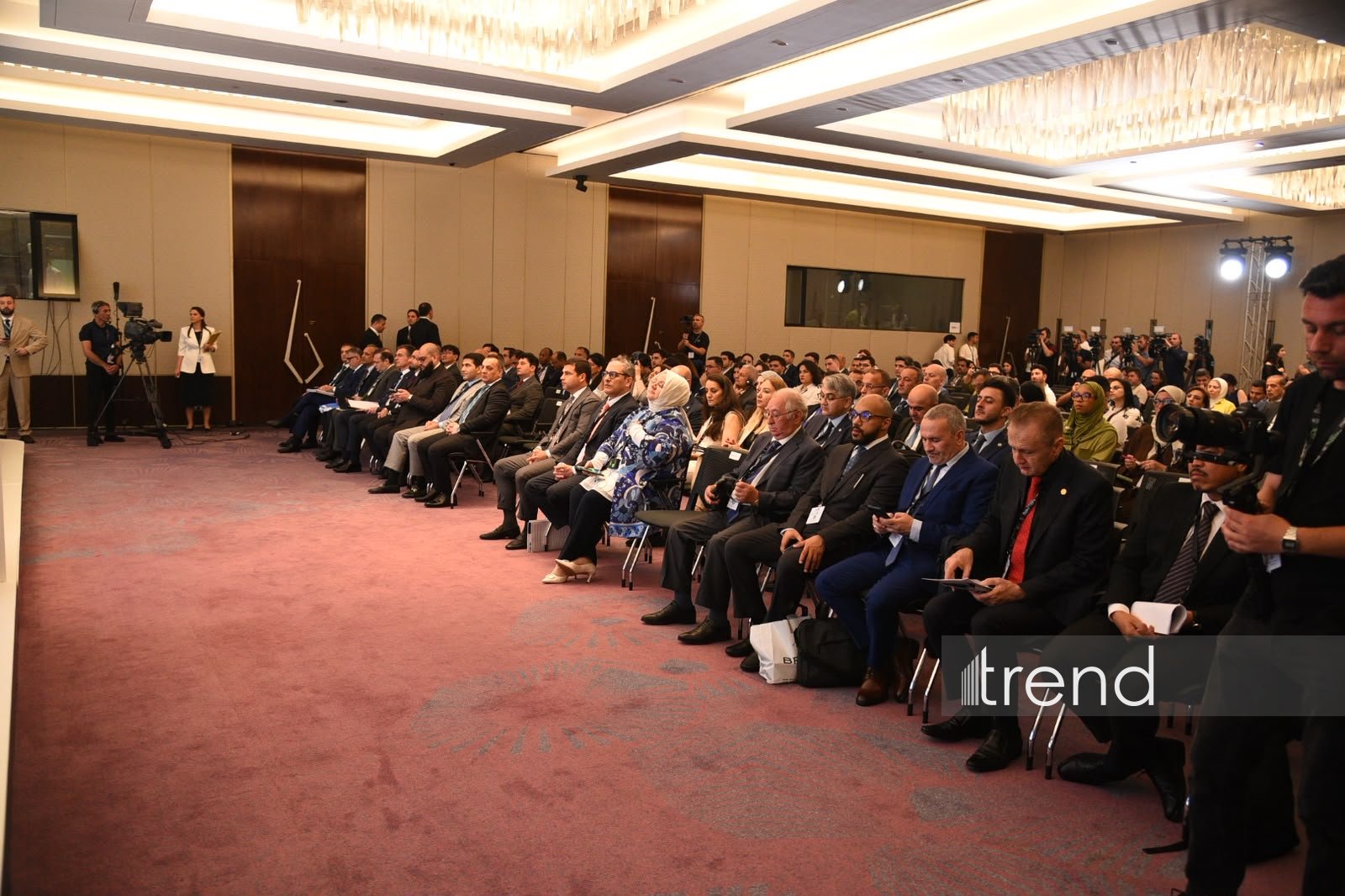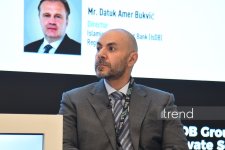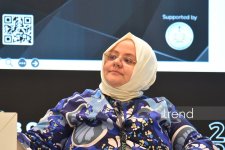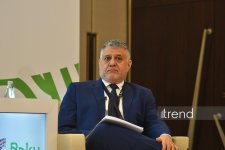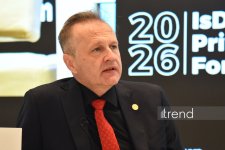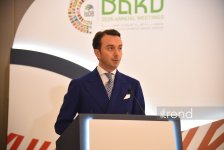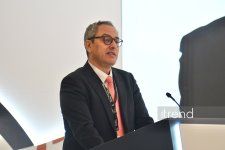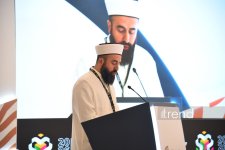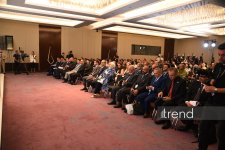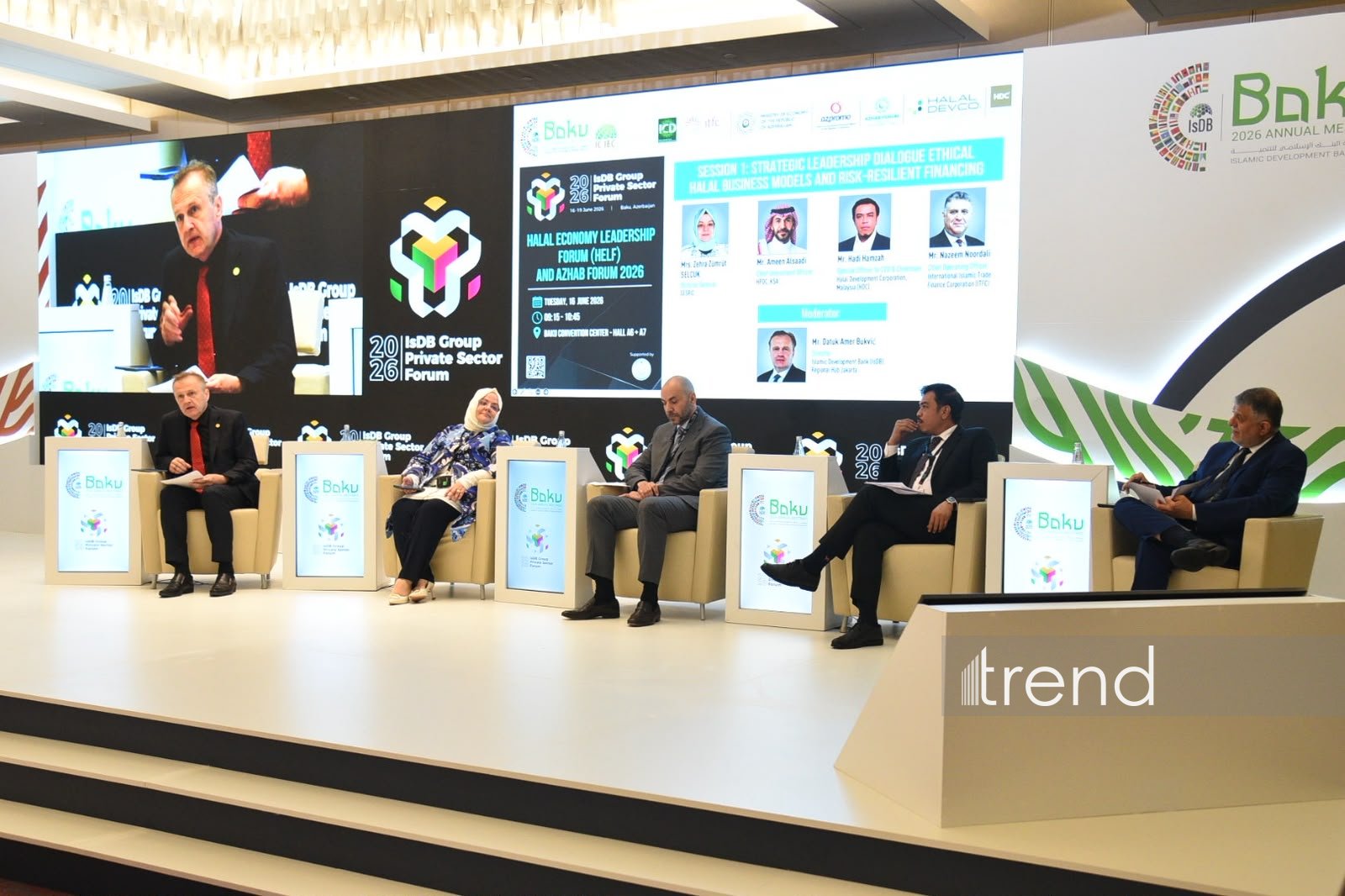

BAKU, Azerbaijan, June 16. The 14th Private Sector Forum (PSF 2026), organized by the entities of the Islamic Development Bank (IsDB) Group as part of the bank's annual meetings, started in Baku, Trend's correspondent reports from the event.
The forum is held under the motto "Regional Integration for Sustainable Prosperity" and brings together representatives from governments, businesses, international financial institutions, and the investment community from IsDB member countries.
As part of the forum's first day, a series of high-level thematic events will take place, including a youth session titled "Youth Without Borders: Driving Shared Regional Prosperity," which is dedicated to the role of youth in ensuring sustainable economic development and regional cooperation.
Additionally, the Halal Economy Forum will be held, where participants will discuss the development prospects of the halal economy. Meanwhile, a strategic dialogue titled "Ethical Halal Business Models and Risk-Resilient Financing" will examine ethical business models and resilient financing mechanisms.
Special attention will be given to Azerbaijan's investment potential during a series of Azerbaijan Investment Outlook Sessions, which will showcase the country's opportunities for foreign investors, promising economic sectors, and ongoing investment projects.
Speaking at the event Head of the Islamic Development Bank Group (IsDB) Center of Excellence in Kuala Lumpur, Samer Elesawi, said that the halal economy is currently one of the fastest-growing sectors of the global economy and has expanded far beyond a niche consumer segment, becoming a large-scale economic ecosystem.
Elesawi noted that the Halal Economy Leaders Forum serves as a unique platform for strengthening cooperation between policymakers, regulators, business representatives, investors, and development partners to advance the global halal economy.
Elesawi noted that the forum, held as part of the IsDB Group's annual meetings, has become one of the organization's key platforms, bringing together stakeholders to develop practical solutions for developing the halal economy in the bank's member countries.
According to Elesawi, global Islamic consumer spending in halal sectors will exceed $3 trillion in the coming years.
"Member countries of the Islamic Development Bank Group represent one of the largest global markets for halal consumption and production, which opens significant opportunities for developing trade within the Organization of Islamic Cooperation, industrial cooperation, investment partnerships, and support for small and medium-sized businesses," he said.
However, he noted existing challenges, including fragmented standards and certification systems for halal products, deficiencies in infrastructure and logistics, limited access to financing for halal businesses, and insufficient integration into global and regional value chains.
"Addressing these challenges requires closer cooperation and coordination between institutions and all participants in the halal ecosystem. That's why the theme of this year's forum, 'Halal Economy for Sustainable Regional Integration,' is particularly relevant," he emphasized.
Elesawi noted that regional integration requires not only the development of trade but also the creation of sustainable value chains, robust institutions, investment flows, knowledge sharing, and effective partnerships.
According to him, the halal economy can become a practical platform for achieving these goals, while simultaneously promoting job creation, small and medium-sized business development, and sustainable economic growth.
He also emphasized that the halal economy should be viewed not only through the prism of trade and consumption, but also as a strategic platform for economic diversification, food security, industrial development, and job creation.
According to Elesawi, the Islamic Development Bank Group is consistently expanding its support for the development of the halal ecosystem in member countries through capacity-building programs, investment promotion, technical cooperation, and the sharing of successful practices.
Chief Operating Officer at International Islamic Trade Finance Corporation (ITFC), Nazeem Noordali, said that a gap remains between the development of Islamic finance and the halal economy, requiring closer coordination and support for small and medium-sized business enterprises (SMEs).
Noordali announced that the global halal economy is estimated to be worth $2.3-2.5 trillion, while the Islamic financial sector's assets range from $5.5 to $6 trillion and, according to him, could grow to $7.5 trillion in the next two to three years.
He noted that, despite this scale, a gap remains between the financial sector and the real economy of the halal industry.
"We see a certain gap between financial strength and the real economy, and we need to find ways to better align financing with the development of the halal economy," the official explained.
He noted that the halal economy includes, in particular, sectors such as food, pharmaceuticals, tourism, and manufacturing.
Noordali pointed out that SMEs need not only access to financing but also technical support and capacity building.
He also announced that SMEs are the backbone of the economy, regardless of industry, including the halal sector.
The official further said that one of the key challenges facing SMEs is the lack of collateral, which limits their access to financing.
"The financing gap for SMEs is estimated at approximately $2.5 trillion.
To develop the halal economy, closer cooperation between government agencies, financial institutions, and businesses is necessary to narrow the existing gap between Islamic finance and the real economy," he added.
Haie Schütte, Deputy Director of the Development Cooperation Directorate at the Organisation for Economic Cooperation and Development (OECD), said that uneven economic and social development across countries is widening amid global crises, with a significant number of economies experiencing slower growth.
He emphasized that in recent years have seen notable divergence in development trends, with some countries continuing to grow while others face economic decline.
According to remarks made at the 14th Islamic Development Bank Group Private Sector Forum in Baku, Schütte said around half of OECD member countries are currently experiencing growth, while the remainder are seeing deterioration in economic performance.
He said conflicts and ongoing crises are key factors shaping these diverging outcomes.
According to Schütte, countries in sub-Saharan Africa remain among the most vulnerable in terms of economic dynamics, while health-related challenges continue to play a significant role in development outcomes.
He added that strengthening monitoring systems and improving data analysis are essential to better understand economic and social trends.
According to Schütte, the OECD has been applying standardized approaches to development assessment and monitoring for about a decade.
He said improving data quality, analytical tools, and policy evaluation frameworks remains a priority.
Rustam Tahirov, Director of the Sustainable Development of the Financial Sector Department at the Central Bank, emphasized that sustainable finance is one of the key elements of the strategic framework of the Central Bank of Azerbaijan.
According to him, Azerbaijan's high exposure to climate and environmental risks, including both transition and physical risks, makes sustainable finance a crucial focus area for the regulator.
"These risks impact the mandate of the Central Bank, particularly financial stability and the resilience of financial institutions. Therefore, sustainable finance has been integrated into the strategic framework of the Central Bank," Tahirov said.
He noted that the Central Bank of Azerbaijan has approved a roadmap for sustainable finance, implemented a green taxonomy, and introduced regulatory requirements for managing climate and environmental risks in the banking sector.
"In addition, disclosure and reporting requirements have been introduced. The green taxonomy serves as a strategic tool for both the state and the private sector. The taxonomy allows funds to be directed into priority areas and supports the decarbonization of the economy," he stated, adding that, according to World Bank estimates, the country will require approximately 2.3% of its GDP annually to achieve carbon neutrality.
According to him, for the private sector, the taxonomy creates opportunities to attract and diversify financing, as well as to develop green financial instruments.
He specifically noted that the taxonomy enhances market transparency and defines the criteria for which projects are classified as green, transitional, or ineligible.
"Projects must align with environmental objectives, technical criteria, the 'do no significant harm' principle, as well as minimum social standards," Tahirov noted.
He added that the Central Bank is implementing regulations for green and sustainable loans and is considering expanding the range of instruments to include green, social, and sustainable bonds, as well as blue bonds (a type of sustainable bond where proceeds are directed toward projects related to water resources and the ocean economy).
Tahirov also recalled that following COP29 in Azerbaijan, the country's banking sector committed 2 billion manats ($1.7 billion) toward sustainable financing.
"Banks have already begun financing projects in renewable energy, energy efficiency, sustainable agriculture, and water resource management," he stated.
Advisor to the Minister of Economy of Azerbaijan, Huseyn Huseynov, said that Azerbaijan strengthens the role of transport-logistics hub and develops green energy.
According to Huseynov, the geographical position of Azerbaijan at the crossroads of Europe, Asia, and the Middle East determines the priority development of the transport and logistics infrastructure.
He stated that the country is paying special attention to transport and logistics, noting Azerbaijan's transit potential in the Caspian Sea and its role in key Eurasian trade corridors.
"The Baku International Sea Trade Port today serves as a key logistics hub in the Caspian, handling growing cargo flows between East and West," he emphasized.
Huseynov noted that the Baku-Tbilisi-Kars railway provides a direct rail link between Asia and Europe, significantly reducing cargo transit times.
According to the ministerial advisor, the Middle Corridor unites transport routes and is acquiring strategic importance amid the diversification of global supply chains. He added that Azerbaijan serves as a transit and logistics hub linking Central Asia, the Caspian region, Türkiye, and European markets.
Huseynov stated that the growth of transit cargo traffic through the country confirms the effectiveness of infrastructure integration. He also noted that energy remains the second key area of regional development for Azerbaijan.
"Oil and gas pipelines connecting the Caspian Sea to global markets have long ensured Azerbaijan's contribution to energy security," he said. Huseynov added that the country is expanding its participation in renewable energy and implementing cross-border green energy initiatives.
He emphasized the need to modernize customs systems, expand digital trading platforms, and simplify border procedures.
"We must modernize customs systems, expand digital trading platforms, and simplify border procedures so that goods, services, and capital move more quickly and with fewer delays," he announced.
According to the official, regional integration requires coordinated efforts between countries.
"The Islamic Development Bank's financing, technical assistance, and analytical work support cross-border infrastructure and regional cooperation platforms," he concluded.
Majnun Mammadov, Minister of Agriculture of Azerbaijan, noted that Azerbaijan is working to reduce investment risks in the agricultural sector by developing modern infrastructure.
According to him, modern agro-logistics centers are being established in the country, cold chain supply infrastructure is being strengthened, and measures are being taken to reduce post-harvest product losses.
Mammadov noted that the sector's operational efficiency is supported by the Electronic Agricultural Information System (EKTIS), which has ensured transparency in state support and subsidization mechanisms.
He announced that the system's infrastructure is currently expanding through the integration of artificial intelligence technologies and data analytics tools.
"For business, this means guaranteed end-to-end product traceability, a higher level of quality control, and compliance with strict international halal standards," the minister said.
Mammadov also put forward a number of proposals for the further development of the industry.
According to him, one of the top priorities should be the creation of a unified platform for halal certification and digital traceability.
"Investors need a single, authoritative, and internationally recognized standard. We are ready to take a leading role in this direction and invite partners to join this effort," he stated.
The minister also proposed the development of integrated green halal agro-hubs that combine production, processing, certification, and cold chain logistics powered by renewable energy sources.
Furthermore, he emphasized the importance of utilizing the potential of the Middle Corridor to expand halal product exports.
"Priority must be given to logistical routes connecting our producers with the markets of the Persian Gulf countries and Europe," he said.
Mammadov stated that Azerbaijan is open to cooperation and intends to build its potential as a regional hub for halal production.
"Let us work together to make Azerbaijan a leading regional hub for the production of ethical, high-quality, and competitive halal products," he added.
The forum will continue its work tomorrow.