


BAKU, Azerbaijan, July 2. Iran intends to hold preliminary talks on importing electricity from Türkiye due to damage sustained by power plants that supplied electricity to petrochemical plants during the war (February 28 through April 7).
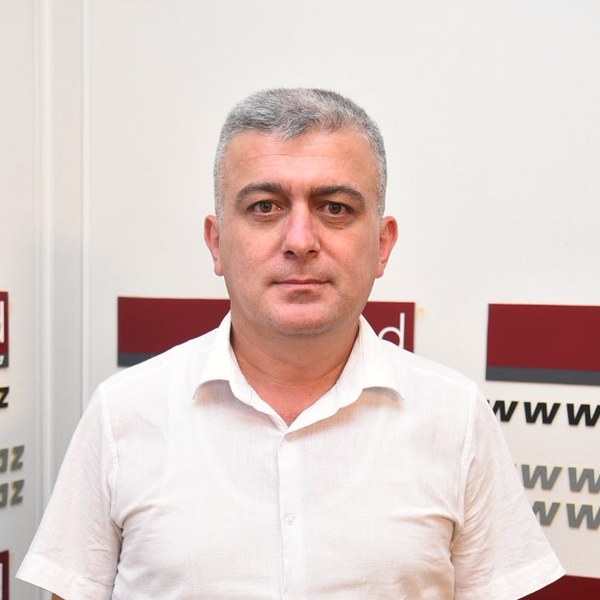
This was announced by the press service of the Iranian Ministry of Energy, citing a statement from Mostafa Rajabi Mashhadi, Deputy Minister of Energy and Executive Director of the Iranian Electricity Generation, Transmission, and Distribution Company (TAVANIR).
“The Ministry of Energy is making efforts to ensure the supply of electricity to the power plants that supplied electricity to Iranian petrochemical plants during the war. A preliminary plan has been drawn up in this regard, and if an agreement is reached with Türkiye, Iran will supply electricity to petrochemical plants by importing it from Türkiye with the participation of the private sector,'' Deputy Minister said in a statement.
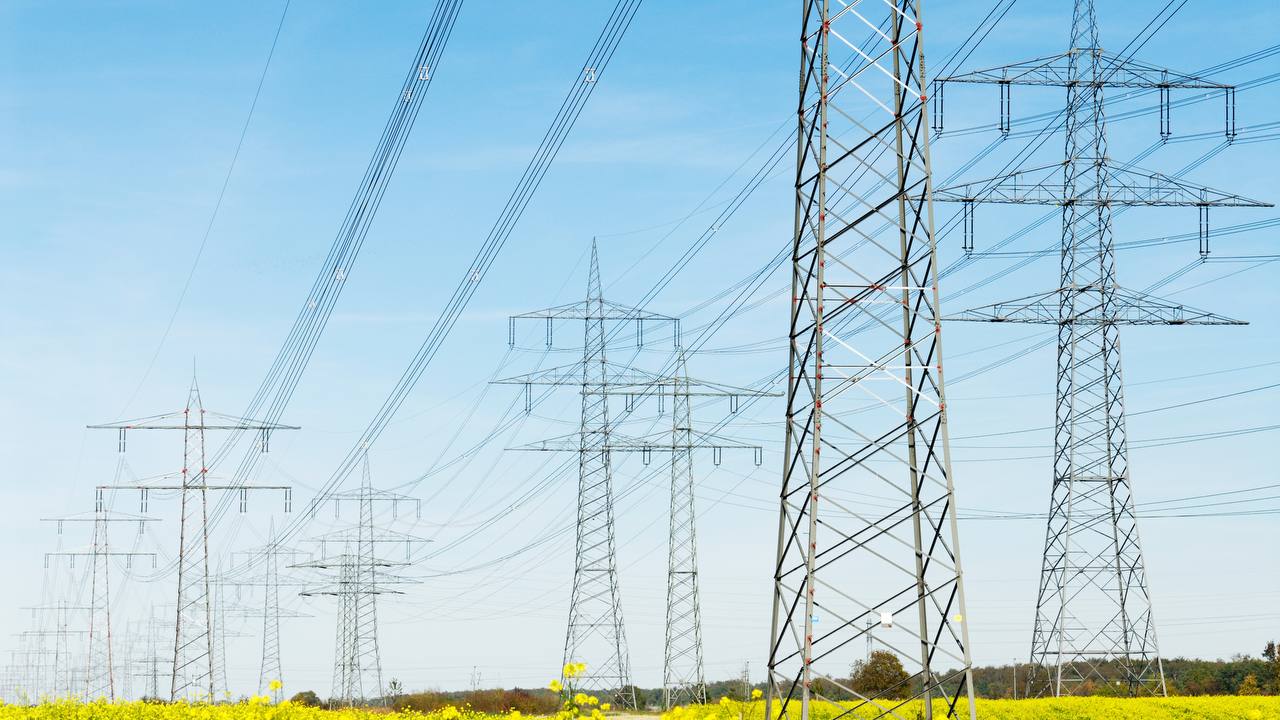
According to the ministry, Mostafa Rajabi Mashhadi stated that technical frameworks exist between the two countries. Currently, there is a modern “back-to-back” power substation at the border, and the issue of transmitting 450 megawatts of electricity via the Van-Hoi power line is on the agenda.
The deputy minister said that this plan is still in its initial stages and that an agreement has not yet been reached.”
“The main purpose of my visit to Türkiye is to hold preliminary negotiations and reach an agreement on the price of imported electricity. If the parties reach a final agreement, a trilateral agreement will be signed between the Iranian Ministry of Energy, the National Iranian Petrochemical Company, and the Turkish side. A private company will act as an intermediary in this agreement, and the process of transporting electricity will begin,” he said.
Meanwhile, as no tangible progress was made in the nuclear negotiations between the U.S. and Iran, the situation escalated on February 28, when the United States and Israel launched military airstrikes against Iran. In retaliation, Iran initiated missile and drone strikes targeting Israeli and U.S. installations in the region. Following these developments, a two-week ceasefire agreement was brokered on April 7 through Pakistan's mediation.
A peace memorandum was signed between Iran and the U.S. on June 18. The memorandum was signed by Iranian President Masoud Pezeshkian and U.S. President Donald Trump. The memorandum came into effect on June 19.
On June 21, the first round of talks between Iran and the U.S. took place in Switzerland, mediated by Pakistan and Qatar.



