


BAKU, Azerbaijan, November 25. Iran’s gas shortage is projected to rise to 430 million cubic meters per day during peak hours in the winter months.
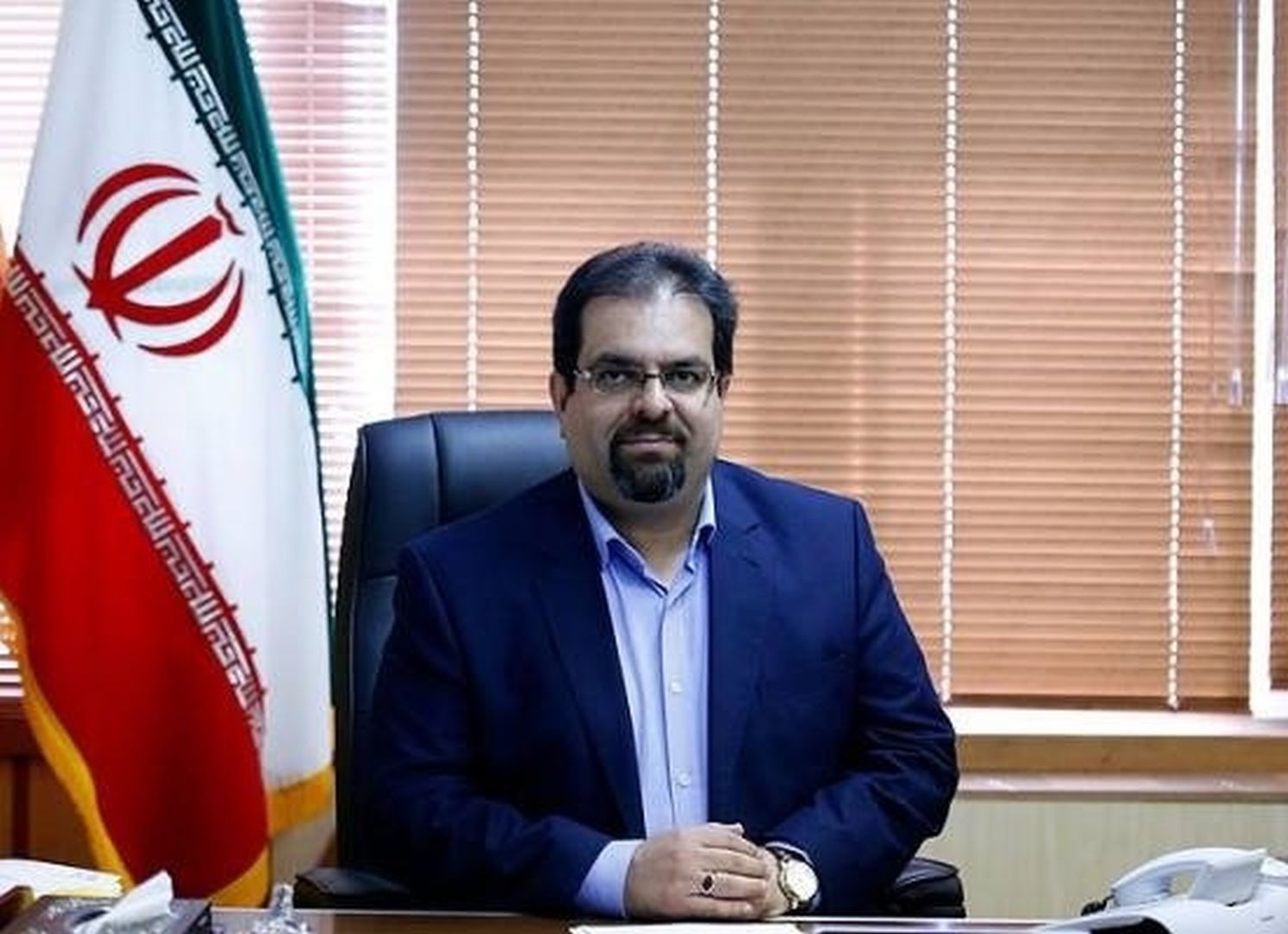
According to the National Iranian Gas Company, this was stated by Saeid Tavakkoli, Deputy Minister of Oil and Managing Director of the National Iranian Gas Company (NIGC).
“It is currently estimated that the country’s gas production capacity has been reduced by 130 million cubic meters per day (literally: production capacity amounting to 130 million cubic meters per day has been taken out of service).” Some private-sector entrepreneurs predict that during peak hours, the gas shortage will reach 500 million cubic meters per day. Gas production is currently ongoing, and a 500-million-cubic-meter shortage has not been recorded. However, if production stability is not ensured or any problems arise, the gas shortage during peak hours is estimated at 430 million cubic meters per day,” he noted.
Tavakkoli reported that the gas shortage in the country is not limited to the northern provinces. In other words, in addition to the provinces of Mazandaran, Golestan, and North Khorasan, gas shortages could occur in eight other provinces as well. About 80% of the country’s gas consumption is accounted for by the residential sector, the food service and retail sectors, and small industrial enterprises. During such periods, large factories and thermal power plants (TPPs) may use liquid fuel (diesel).
The deputy minister added that during a period when the country’s gas production stood at about 880 million cubic meters per day, lowering the temperature in residential buildings by 1 degree resulted in a reduction in consumption of 25 million cubic meters per day. This is equivalent to the daily production volume of a single gas processing company.
According to him, there are no penalties for customers with high gas consumption. Instead, the amount charged on their utility bills is calculated based on the fourth tariff. The price under the fourth tariff is 75% of the cost of exported gas.
Tavakkoli reported that, of the four plants belonging to the South Pars Gas Processing Company, two are being restored by the National Iranian Gas Company (NIGC), while the other two are being restored by the National Iranian Oil Company (NIOC). According to the plan, all four plants are expected to be back online within the next 18 months.
“The shortage in the country is not just a gas shortage; there is an overall energy shortage. Although gas is produced in large volumes, it is supplied to a wide variety of industries. In this regard, it is necessary to ensure the diversification of the country’s energy mix,” he noted.
While Iran’s annual natural gas production had previously stood at 297 billion cubic meters, it fell to 242 billion cubic meters per year following US and Israeli airstrikes on Iranian territory. Thus, as a result of damage to the country’s infrastructure, annual natural gas production decreased by 55 billion cubic meters.
Before these attacks, Iran’s gas deficit stood at 45 billion cubic meters per year. Following the strikes, the country’s annual gas deficit increased to 100 billion cubic meters.


