


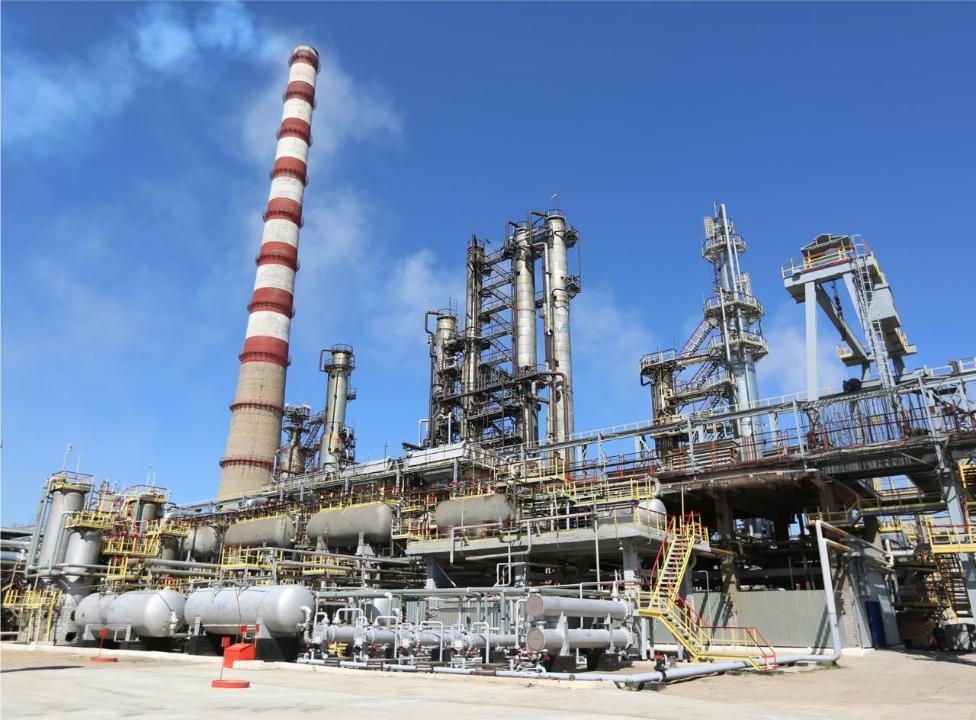

ASTANA, Kazakhstan, July 22. The Kazakh government has approved the Concept for the development of the oil refining industry for 2025-2040, aimed at modernization, increasing refining capacity, and expanding exports in the face of global challenges of the energy transition.
Data obtained by Trend from the country's Energy Ministry shows that the strategy envisages investments in infrastructure and sustainable practical integration to strengthen Kazakhstan's position in the Central and South Asian markets. After modernizing three key refineries in Atyrau, Pavlodar, and Shymkent, the country’s total refining capacity reached 17 million tons of oil per year, with a refining depth of 89 percent. Motor fuel production now meets Euro-4 and higher standards, covering 90–95 percent of domestic demand and enabling exports of high-value-added products.
Key priorities include ensuring full domestic supply with forecast consumption growth of 1.5–2 percent annually, driven by urbanization and industrial development. Export growth will focus on China, India, and Central Asian countries, aiming to increase the export share to 30 percent of total production by 2040. The petrochemical industry’s development involves creating new production chains, such as polymers and fertilizers, with potential investments of up to $5 billion.
The strategy also aims to deepen processing, increase GDP contribution, and create new jobs. Improvements to the regulatory framework and human resources include partnerships with international companies for technology exchange.
The concept was developed in collaboration with government agencies, Samruk-Kazyna Fund, KazMunayGas, KAZENERGY Association, and industry experts. It aligns with UN Sustainable Development Goals 8, 9, 12, and 13, supporting decent work, innovation, responsible consumption, and climate action.
Kazakhstan’s oil reserves, totaling 30 billion barrels, underpin the strategy’s goal to shift from raw material exports to high-tech processing, enhancing economic resilience against oil price fluctuations. The implementation starts in 2025 with pilot projects aimed at refinery digitalization.



