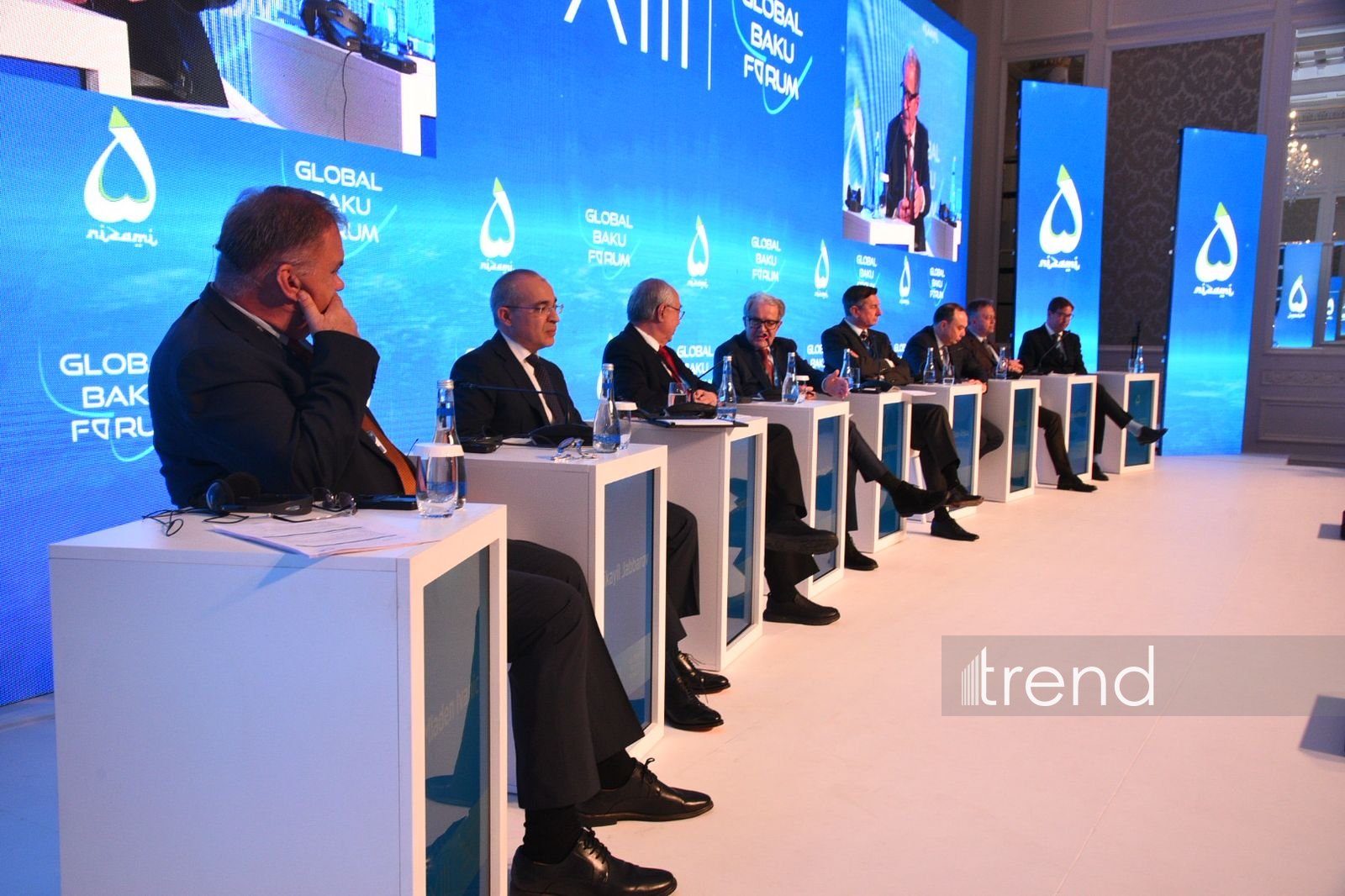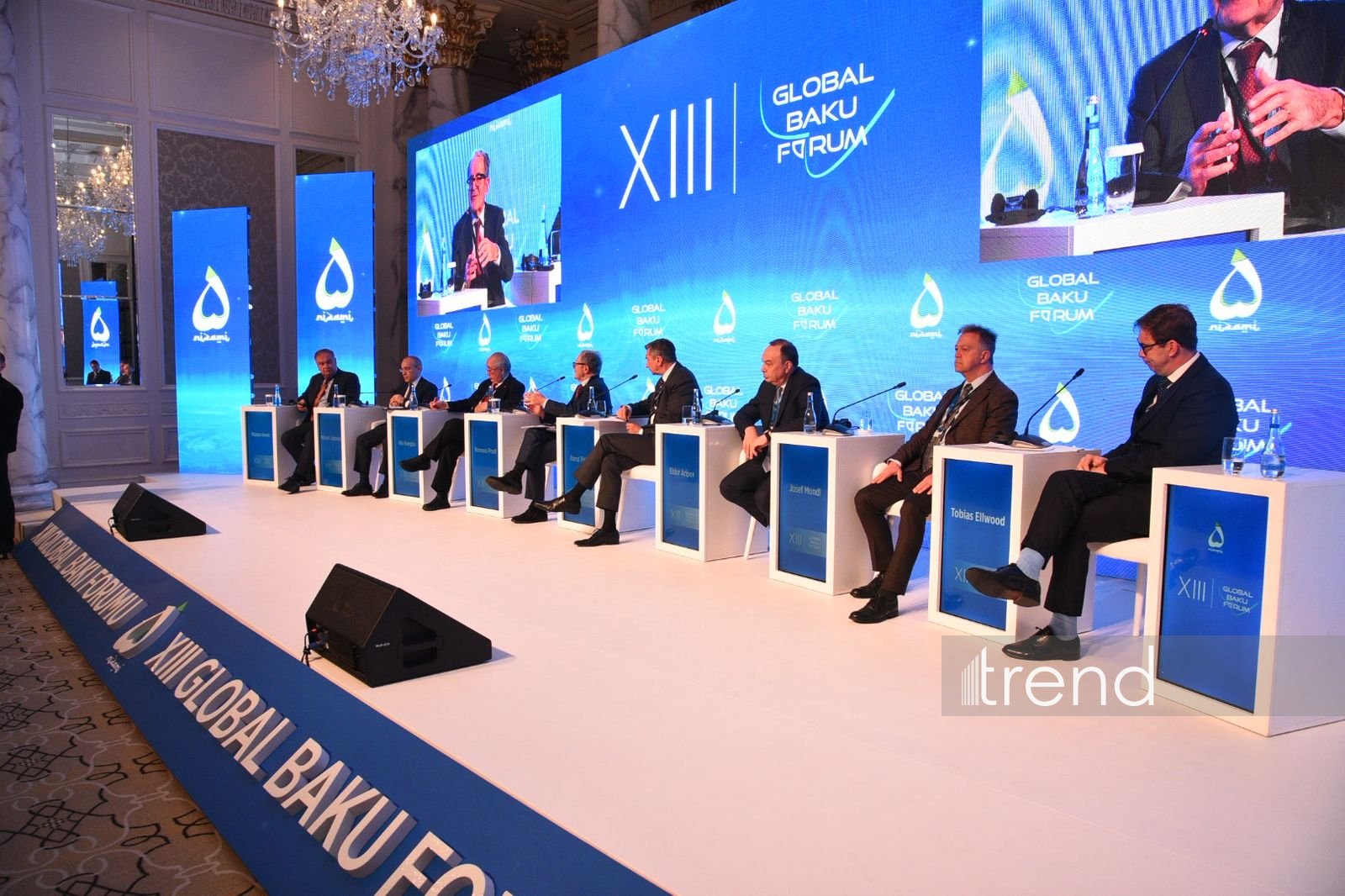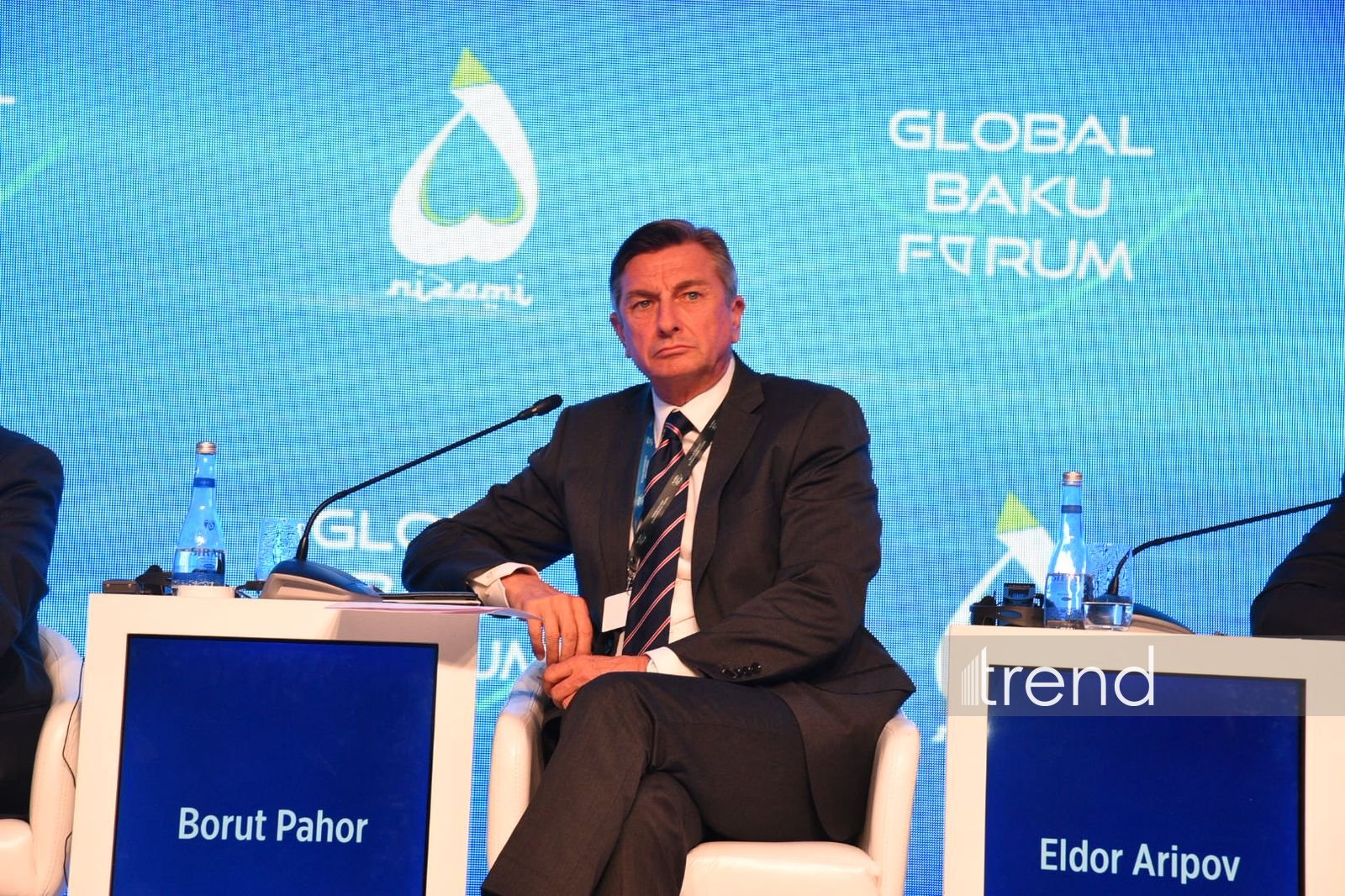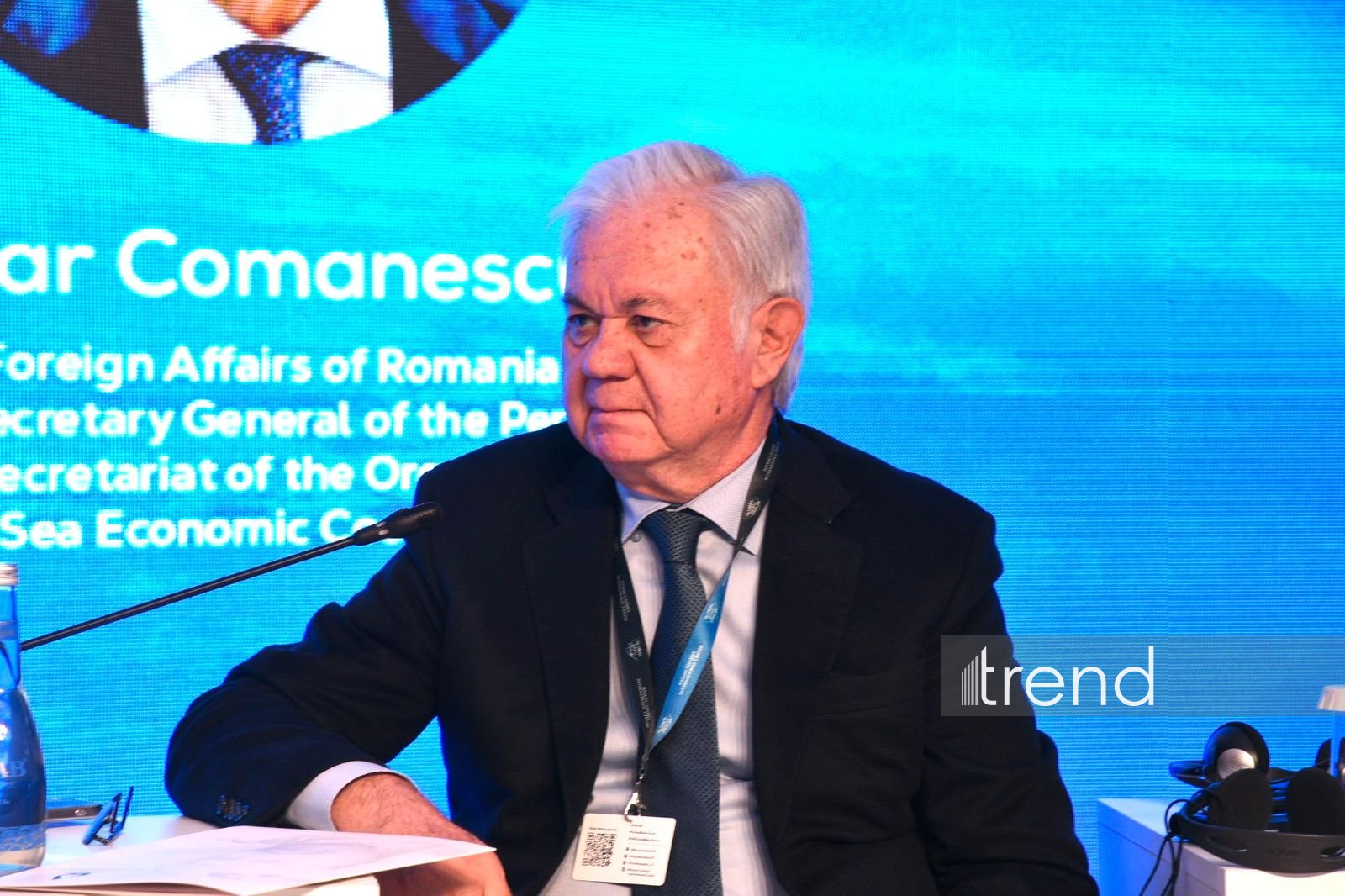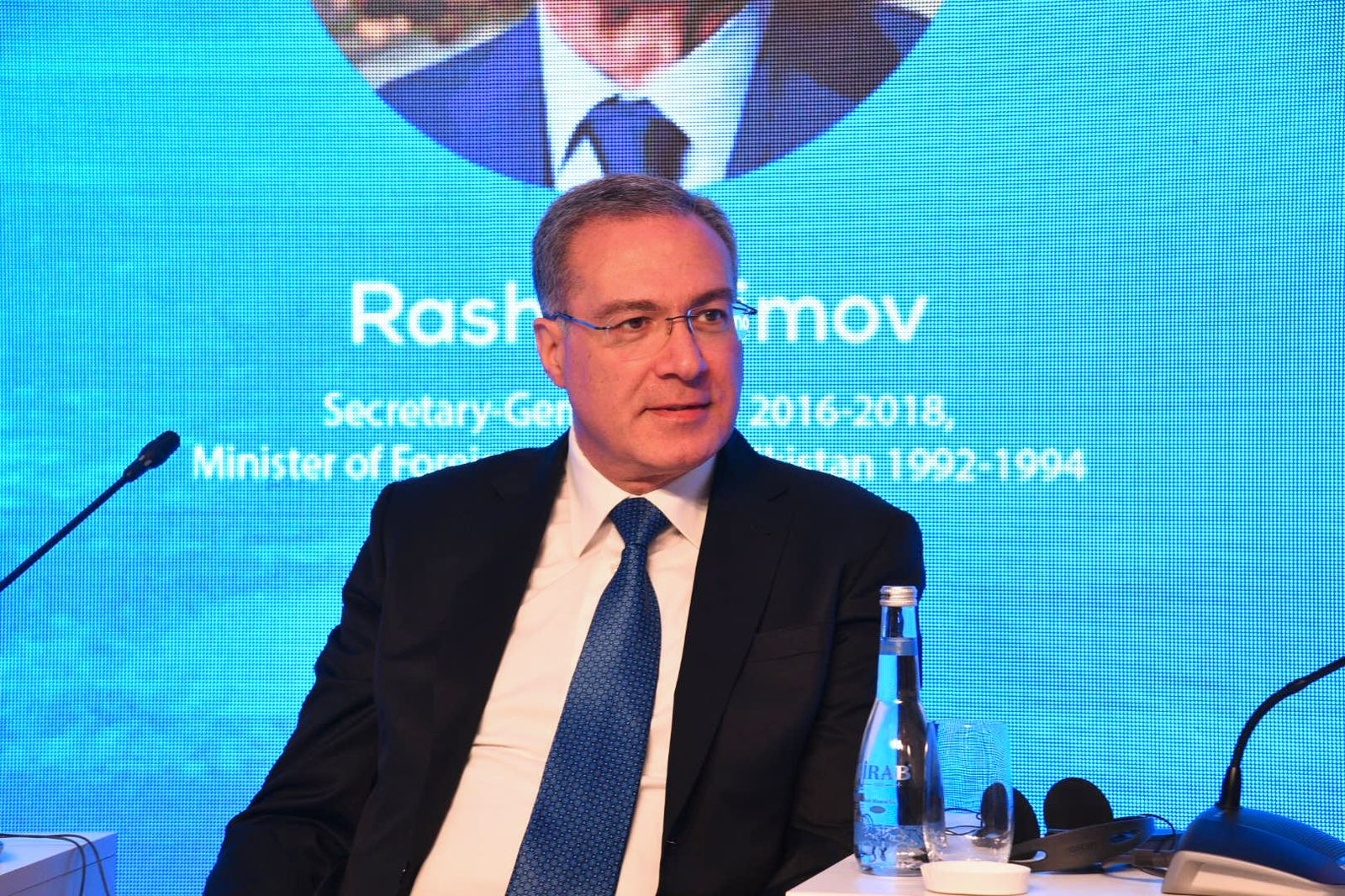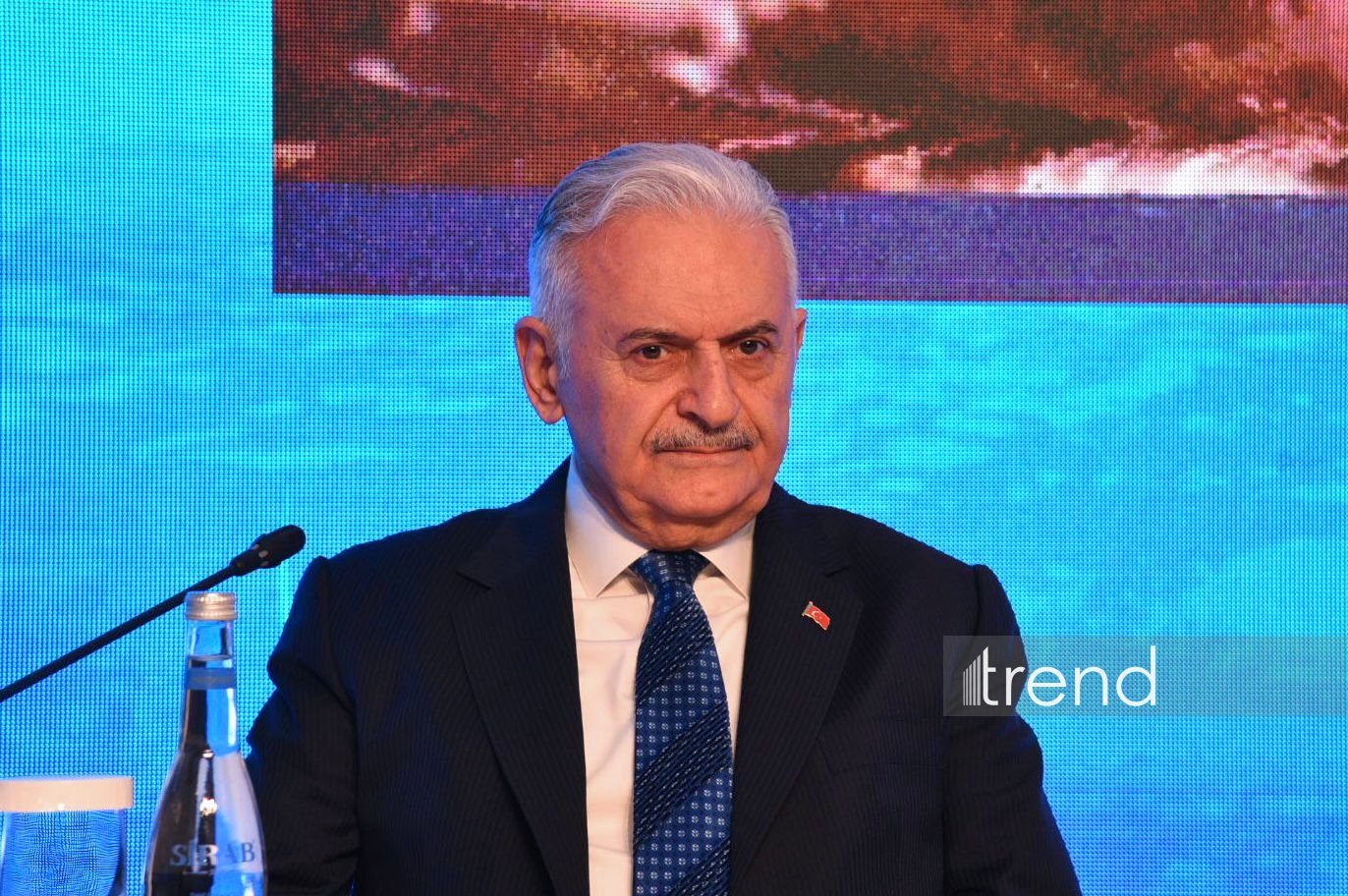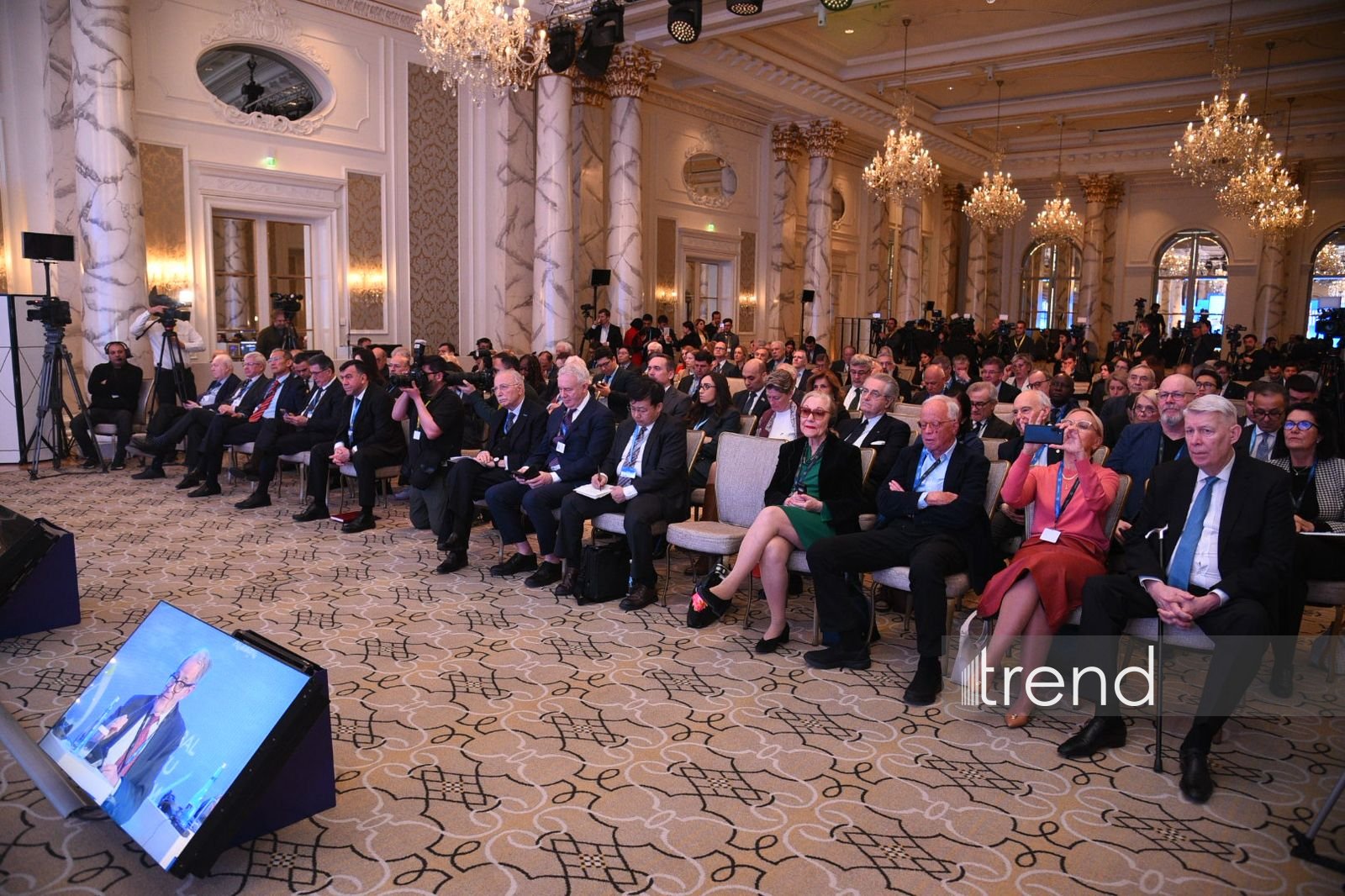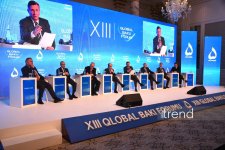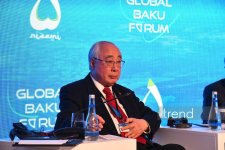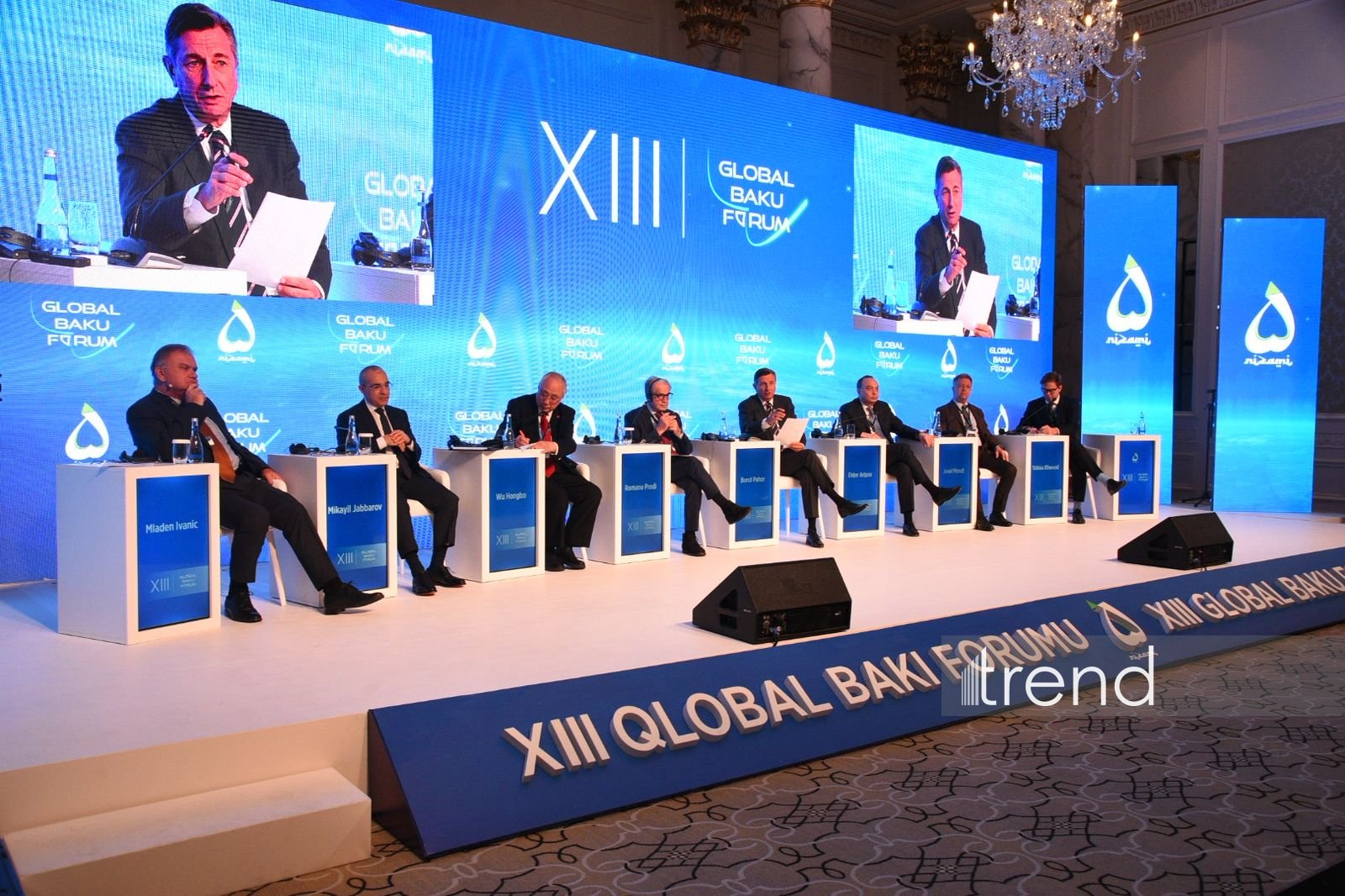

BAKU, Azerbaijan, March 13. The second day of the 13th Global Baku Forum, titled "Bridging Divides in a World in Transition," has finished, Trend reports.
The event discussions covered the following topics: "China and Global Governance Initiative," "Beyond Negotiations: The Battle to keep COP Alive," "Middle Corridor and Eurasian Connection Gateway," "Africa: Today and Tomorrow," and "Accelerating the 2030 Agenda: Inclusive Growth and Sustainable Connectivity".
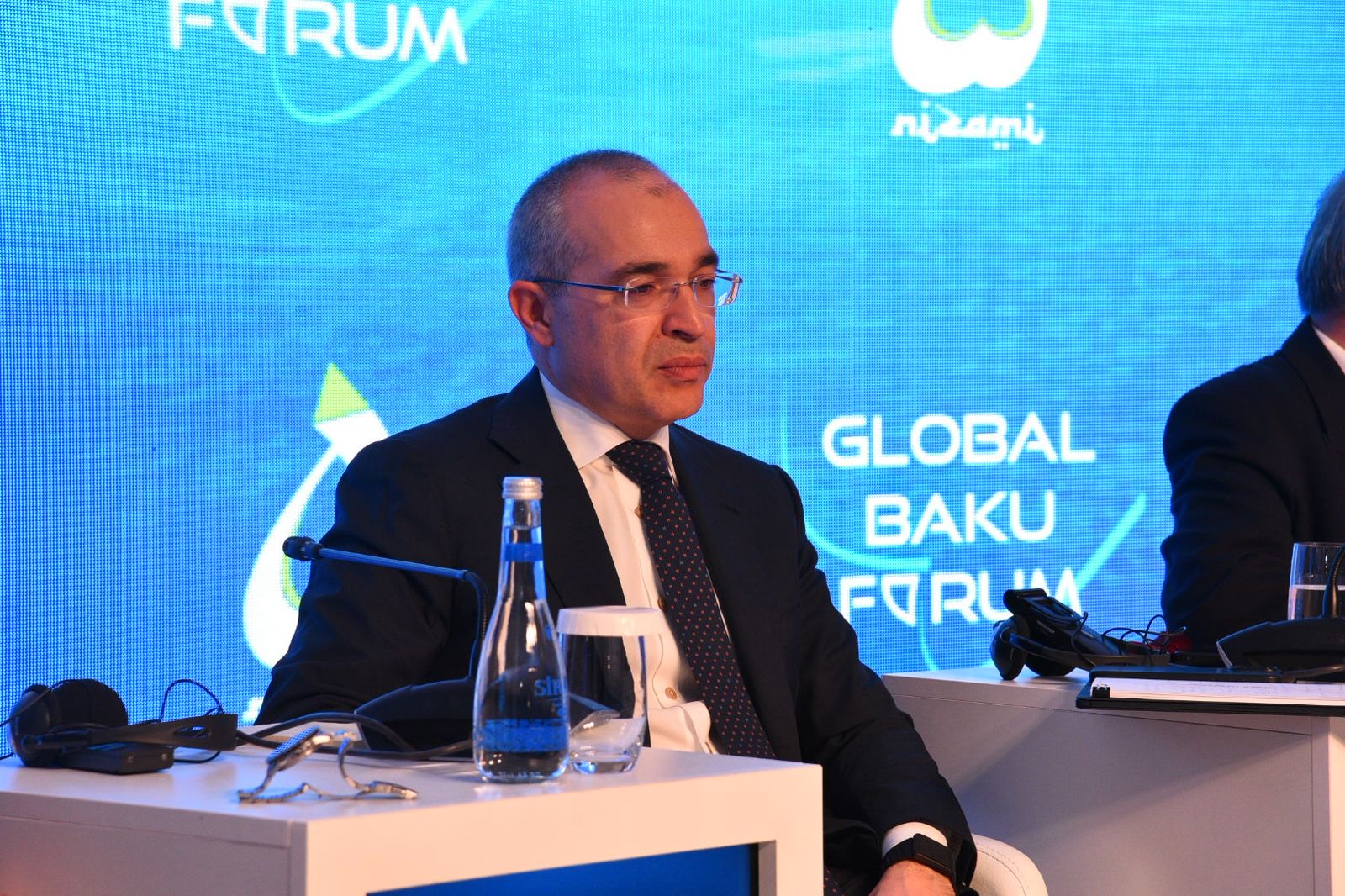
Speaking at the event Azerbaijani Economy Minister Mikayil Jabbarov said that the Middle Corridor is a driving force for the integration of the Central Asian and South Caucasus regions with the West.
The minister noted that the Middle Corridor connects Central Asia and the South Caucasus into a single space.
"It's important not only for trade and transit of goods from China and Asia to Türkiye and Europe and back. But even more importantly, it's used as a real driving force for economic growth, trade, and the region's integration with the West," Jabbarov said.
He emphasized that serious challenges exist in the transport sector in a broad sense. While there are differing views on the issue of universal rights, according to him, any rules are better than none at all.
The minister also emphasized that various platforms exist for discussion, exchange of opinions, and debate on existing challenges. Such formats ultimately serve to achieve a common goal.
Former Deputy Prime Minister of Romania, Ana Birchall outlined that the TRIPP (Trump Route for International Peace and Prosperity) project is another step towards strengthening cooperation between East and West.
"TRIPP - a 42-kilometer segment - will provide a valuable alternative, increasing turnover and expanding the attractiveness of the Middle Corridor for both public and private participants. Thus, in the current environment, the Middle Corridor should become a stabilizing axis. It is much more than an infrastructure project. It is a strategic tool for stability, diversification, and independence," she said.
Birchall noted that nowadays, the Caucasus and Central Asia are no longer seen just as transit corridors for energy or trade.
“They've become strategically important places whose political decisions, security architectures, and economic stability will shape not only their own future but also the balance of power from Europe to Asia,” she said.
According to her, Azerbaijan has become an indispensable anchor of the Middle Corridor, demonstrating a unique ability to serve as a link between regions, markets, and cultures.
“The shocks of recent years have reconfirmed that the stability of the transport system is the stability of the entire country. They have demonstrated the necessity of creating secure alternative corridors and opened up the opportunity for the region to play a much more significant role in global supply chains,” Birchall concluded.
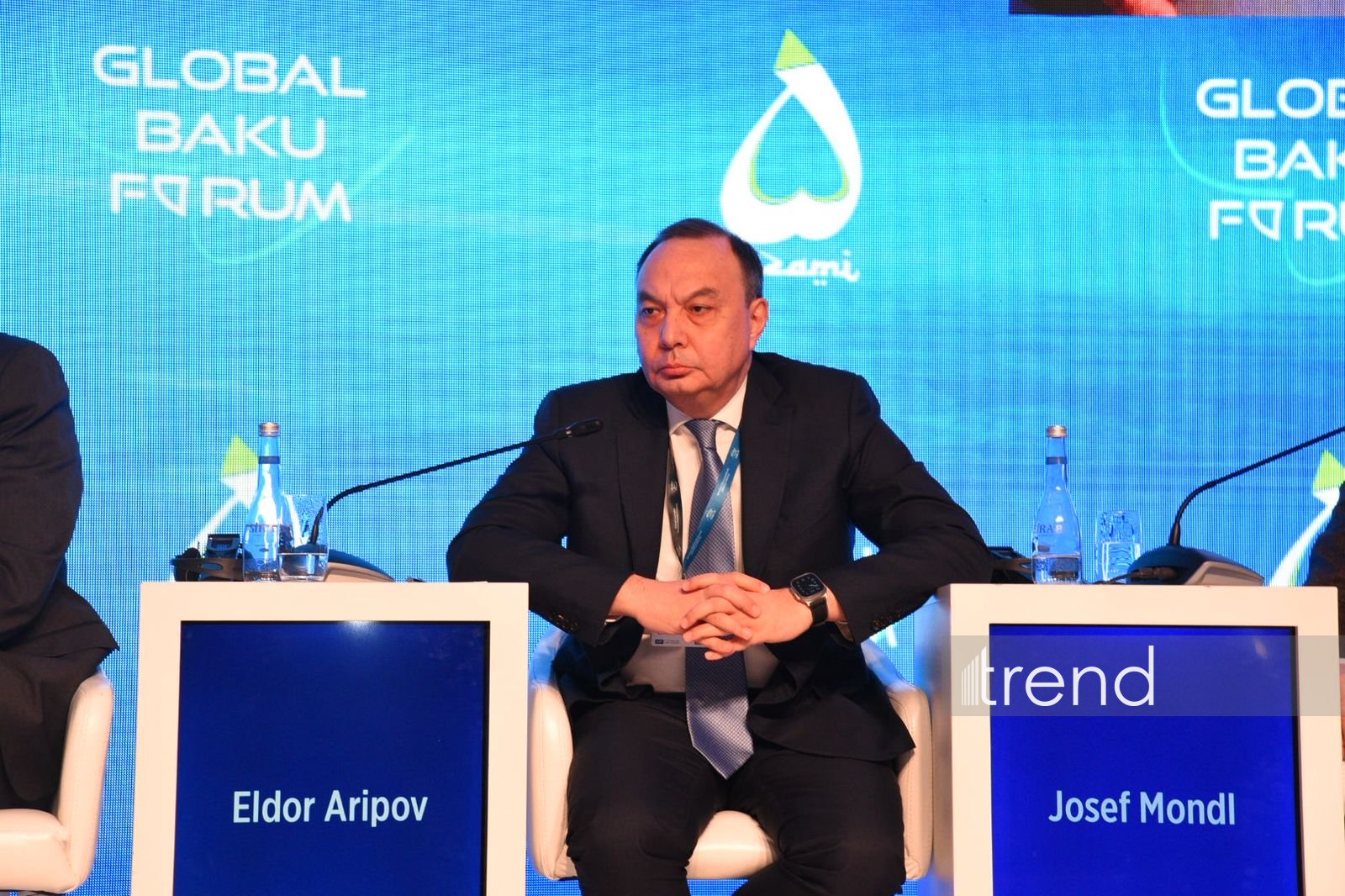
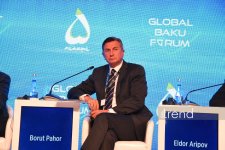
The Director of the Institute for Strategic and Interregional Studies under the President of the Republic of Uzbekistan, Eldor Aripov said that relations between China and Central Asian countries have undergone a profound transformation.
“Ten years ago, China had already become the number one investor for all Central Asian countries. Last year, trade turnover between China and Central Asia reached a historic record level of $106 billion. And China's total investment in the region reached $40 billion,” he said.
Aripov stressed that this is not just about the economy. The entire architecture of China's cooperation with Central Asian countries is changing. Previously, cooperation was mainly bilateral, but today China has its own format - “Central Asia plus China” with a permanent secretariat.
“At the last summit of this format, China promised to provide Central Asian countries with $3.7 billion in loans and grants,” Aripov noted.
According to him, cooperation in the field of infrastructure is expanding, and new land transport corridors between China and Kazakhstan are being built, which help solve logistical problems in the region.
“In addition, China is expanding cooperation in other areas, such as security. Joint projects have begun to be implemented after many years of discussion,” Aripov said.
Mukhtar Babayev, Representative of the President of Azerbaijan on Climate Change, President of COP29 said that climate finance is crucial for reforming programs in this area and the entire climate agenda.
According to him, multilateral cooperation is under great pressure, and the entire UN system is experiencing significant strain. Therefore, close collaboration is crucial to achieving not only positive decisions but also their practical implementation.
He recalled that during COP29 in Baku, an agreement was reached to launch a Loss and Damage Fund, a financial target of mobilizing at least $300 billion per year for developing countries by 2035 was agreed upon, and a practical plan for mobilizing $1.3 trillion in climate finance was presented.
Babayev noted that the implementation of the decisions taken regarding the Loss and Damage Fund is currently being monitored.
"In the first years, we saw a fairly active influx of donor funds into the Loss and Damage Compensation Fund, but last year it became clear that this process was gradually losing momentum. This fund accumulates resources to provide assistance, primarily to small island developing states and other vulnerable countries, so they can rebuild their economies and social life after major disasters," he added.
At the same time, Babayev emphasized that the commitment to mobilize at least $300 billion annually for developing countries, as well as the practical plan to mobilize $1.3 trillion, are also currently under significant pressure.
"Politicians around the world are increasingly considering re-prioritizing their financial commitments. In 2024, we had a unique atmosphere in Baku, where donors decided to contribute $100 million and continue progress toward the 2035 goals. However, unfortunately, we are now hearing about steps back in these decisions, and we await the 2025 report from the Organization for Economic Cooperation and Development to see the real results of these contributions.
We understand that today, other challenges—state security, defense, and military issues—are increasingly consuming attention and financial resources. Countries are increasingly considering how to protect themselves from these threats, wars, and conflicts, but life is changing, and we are all living in these changes. We need to adapt, but we also need to invest and secure funding, because without financial support, all our steps and actions, unfortunately, will not lead to a real solution to the problem or achieve results," Babayev concluded.