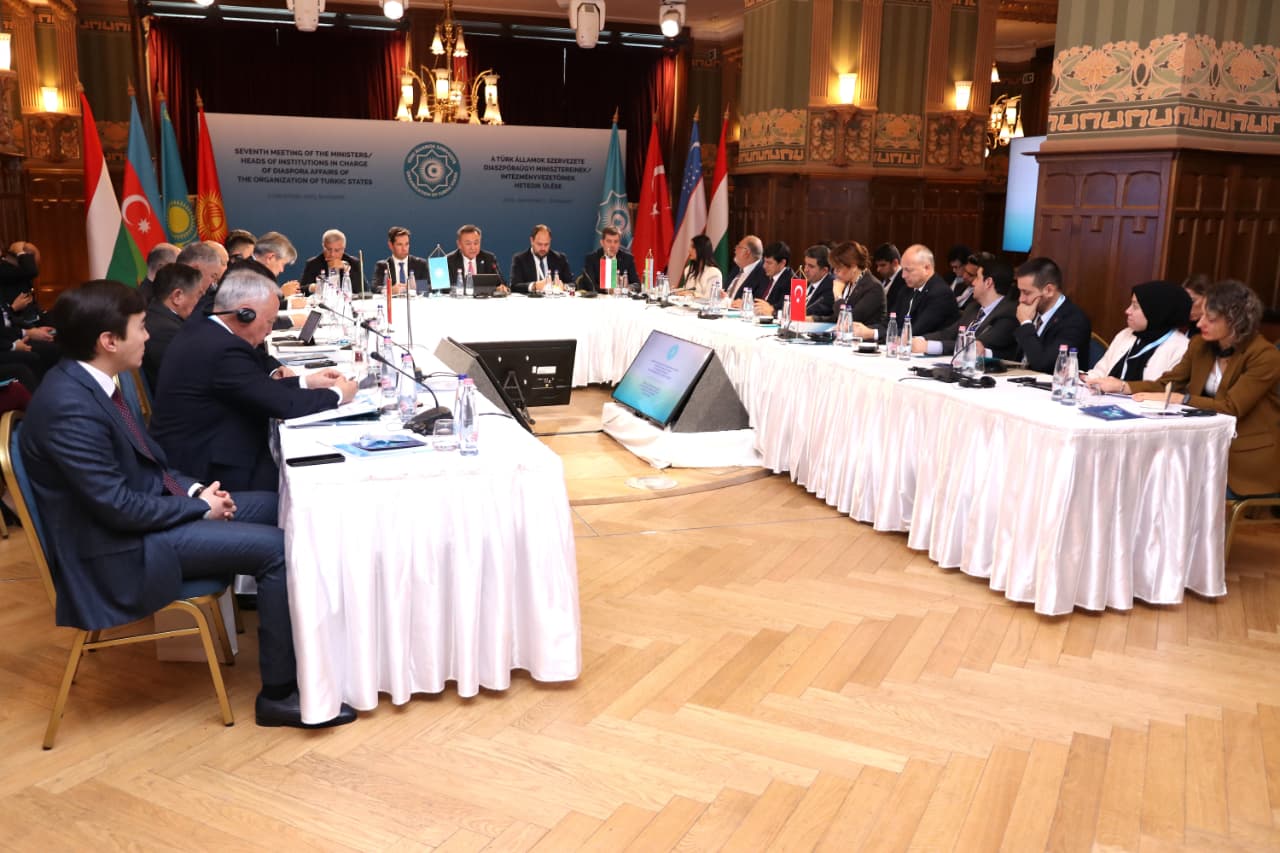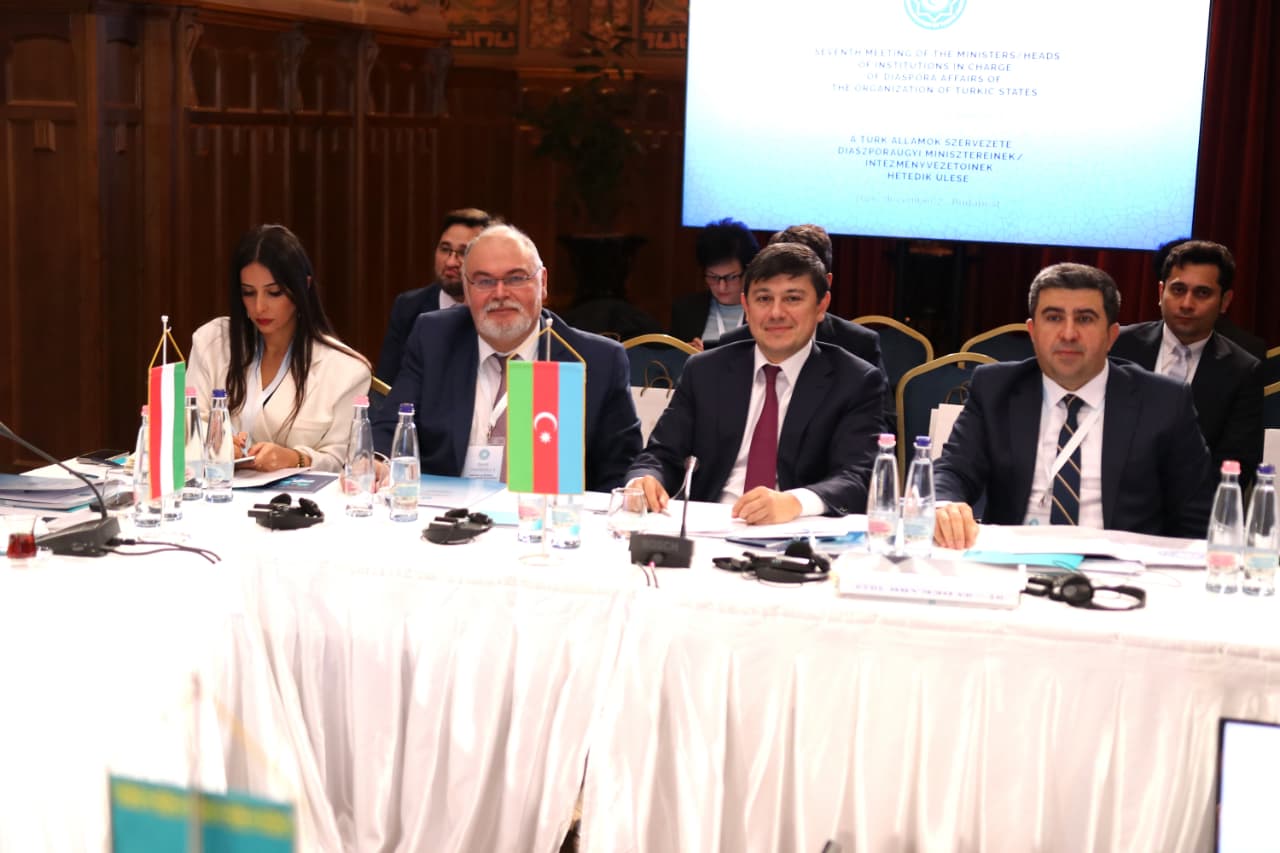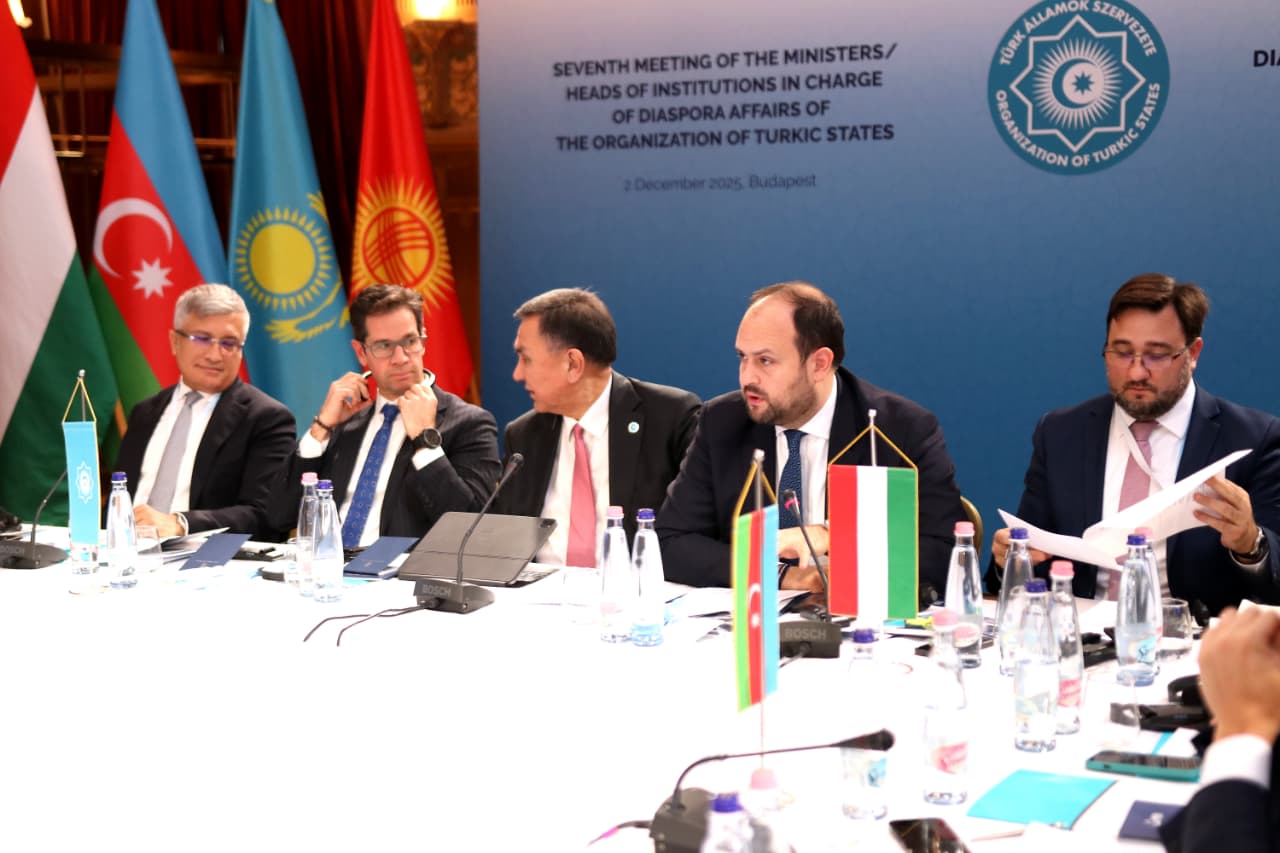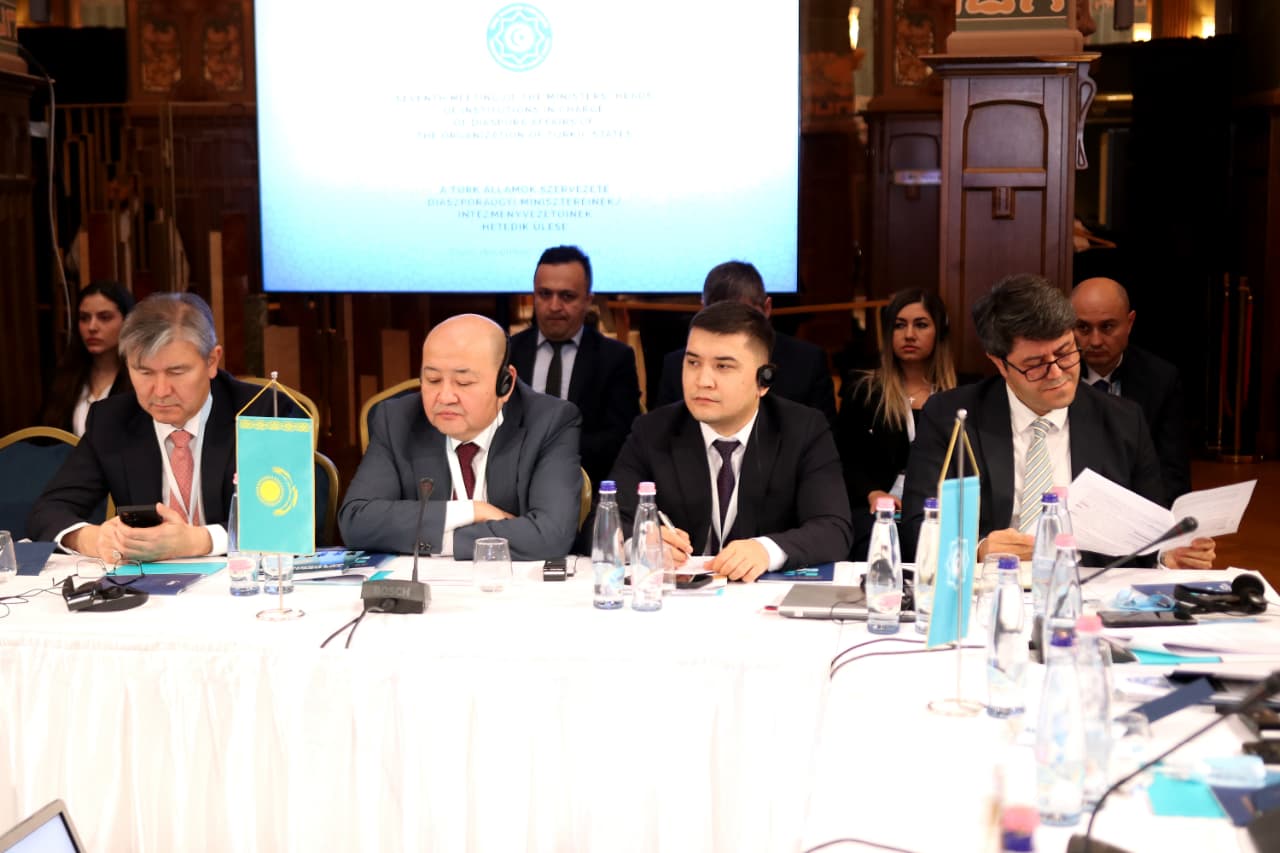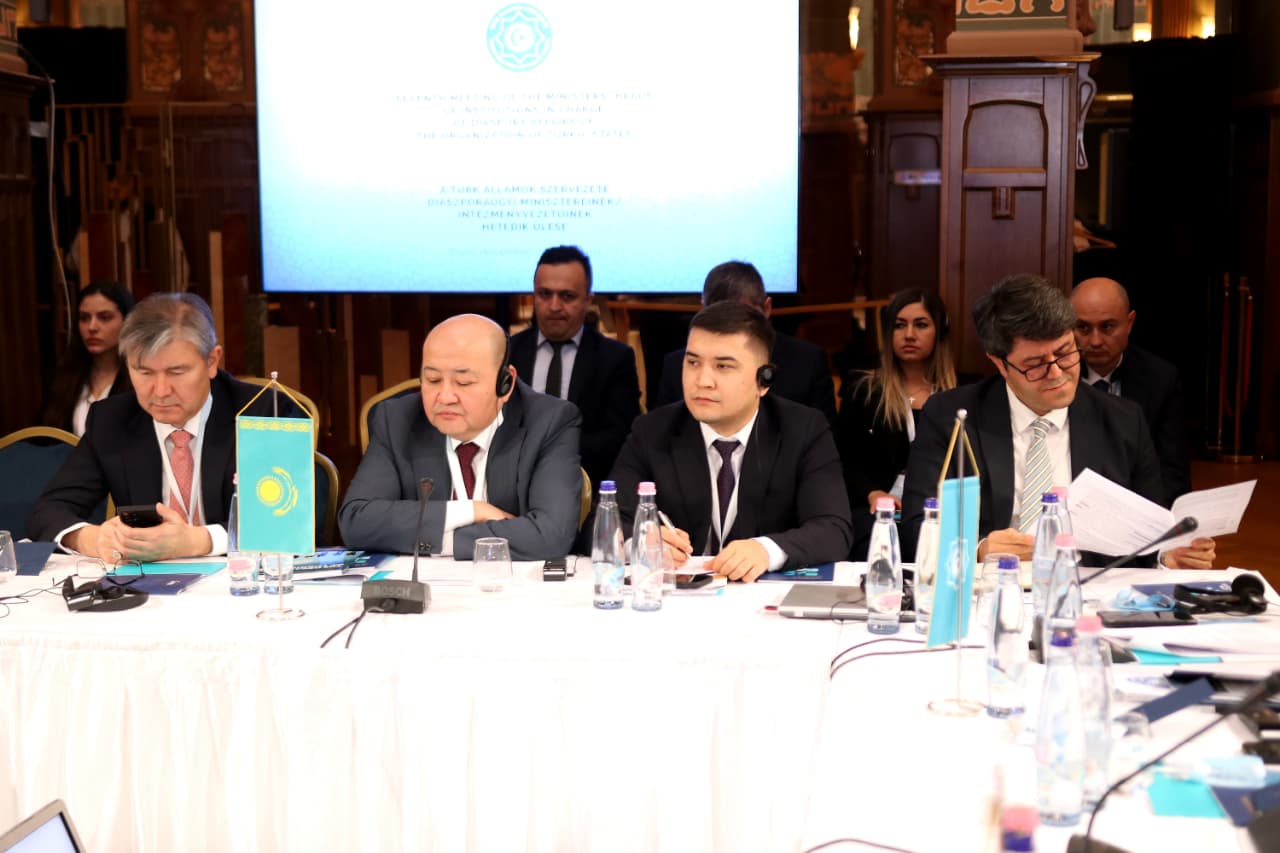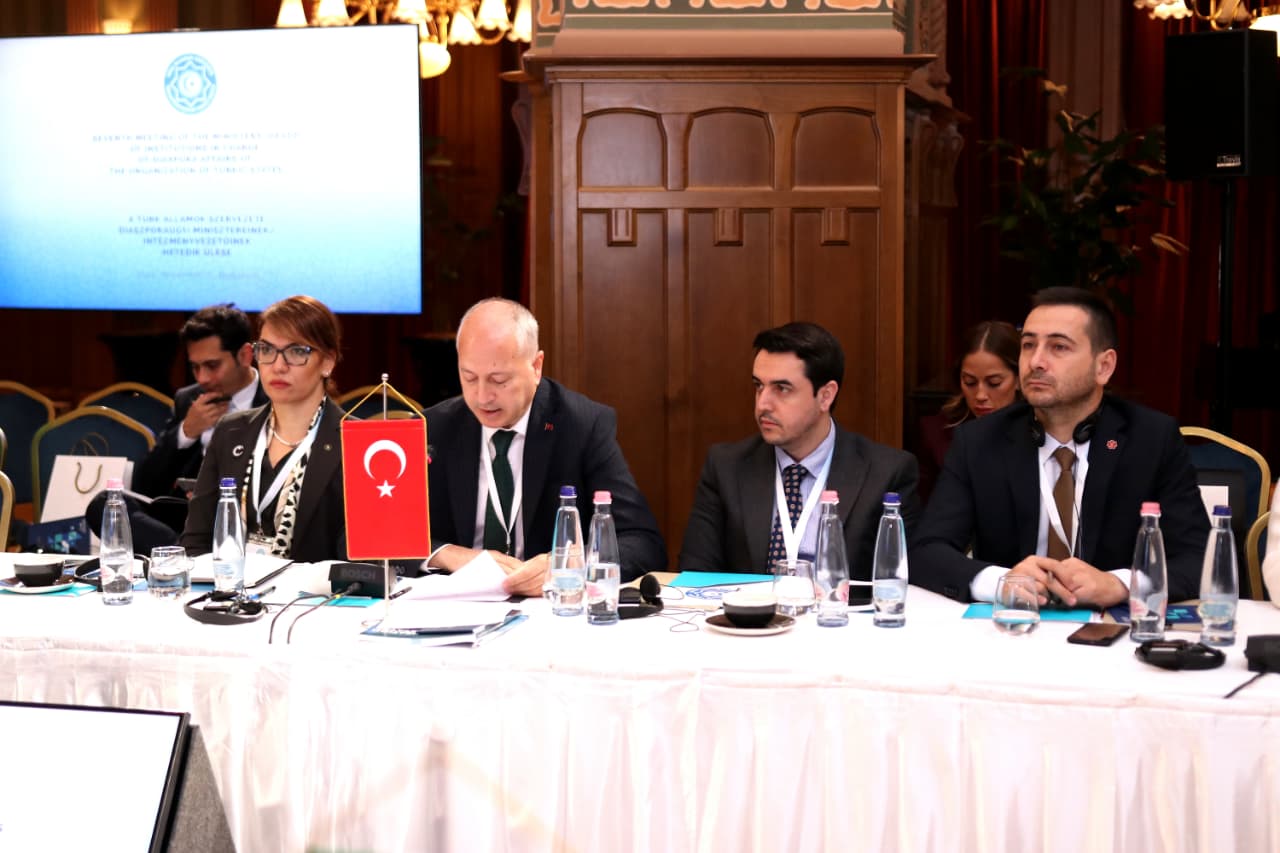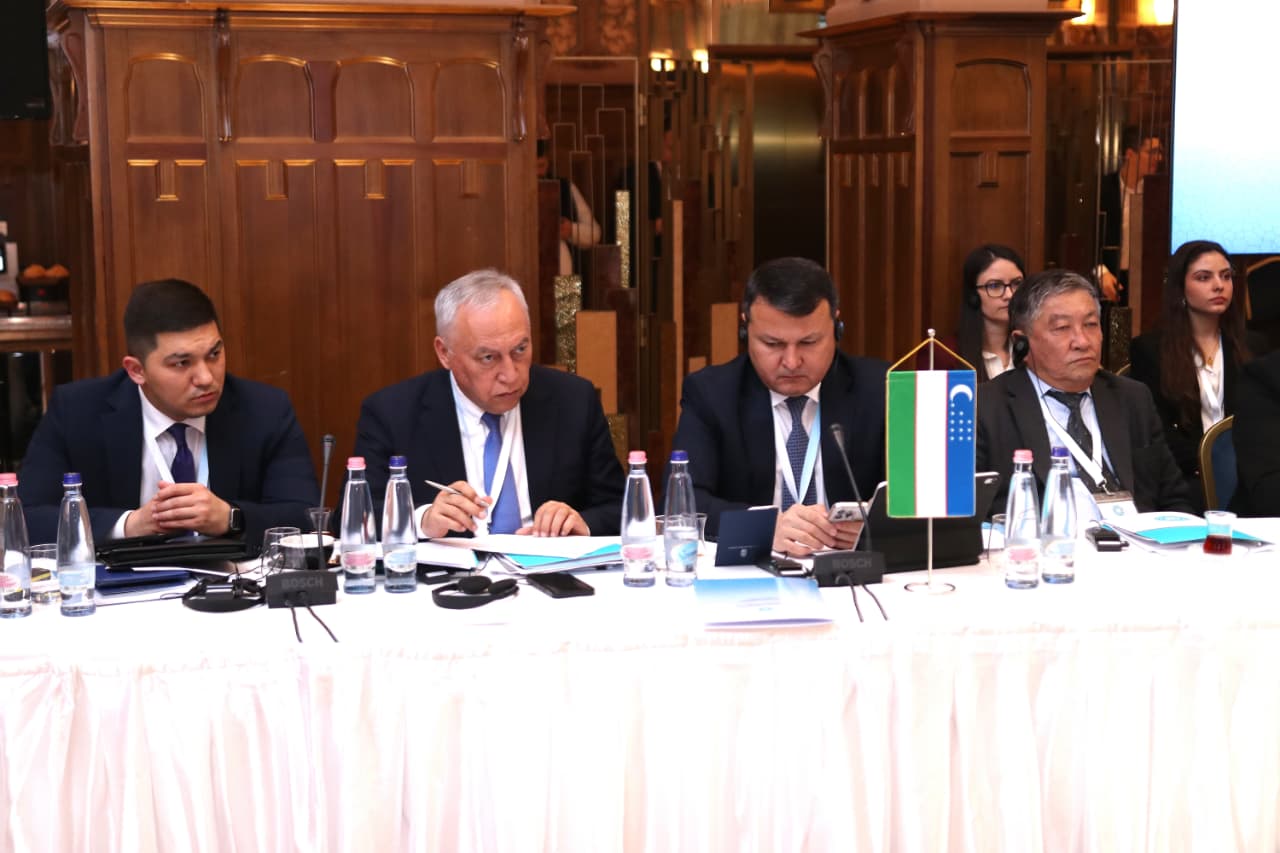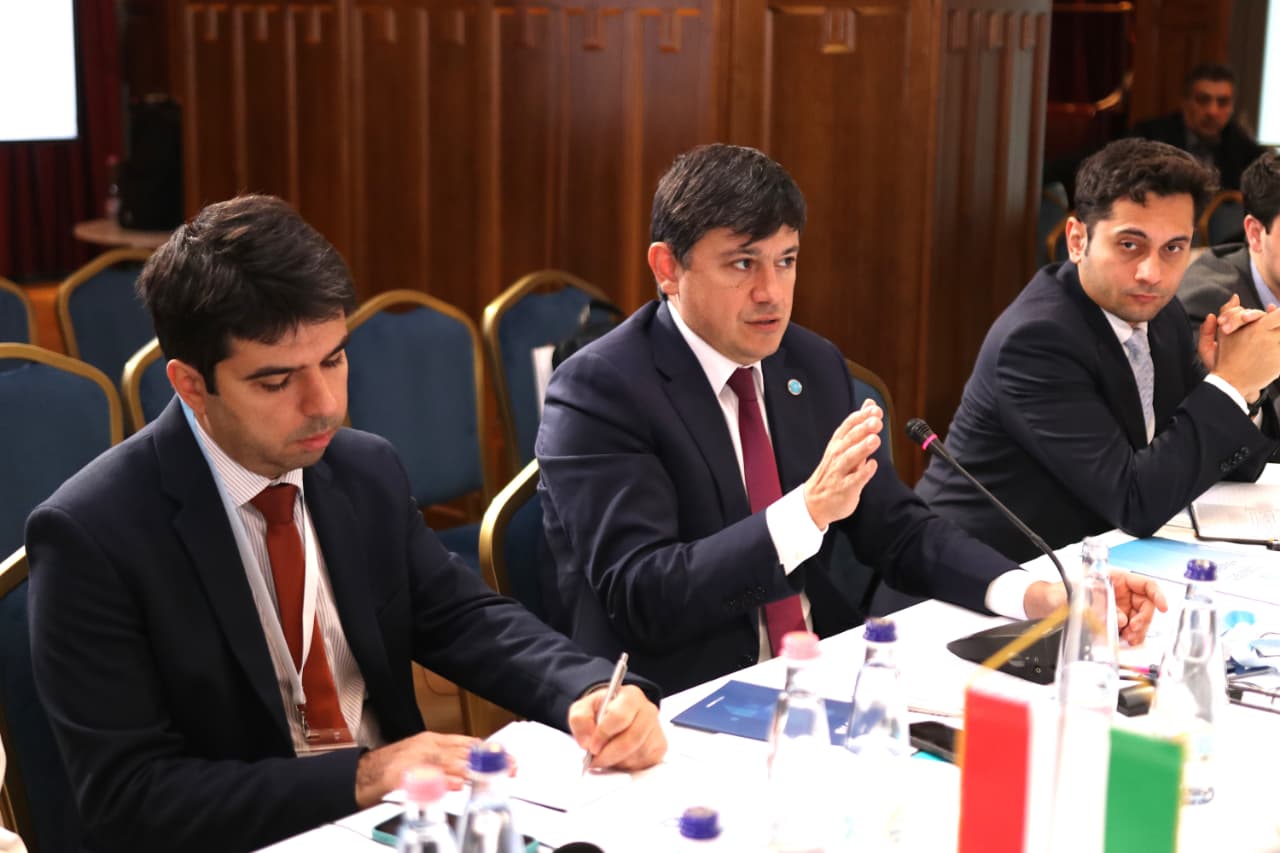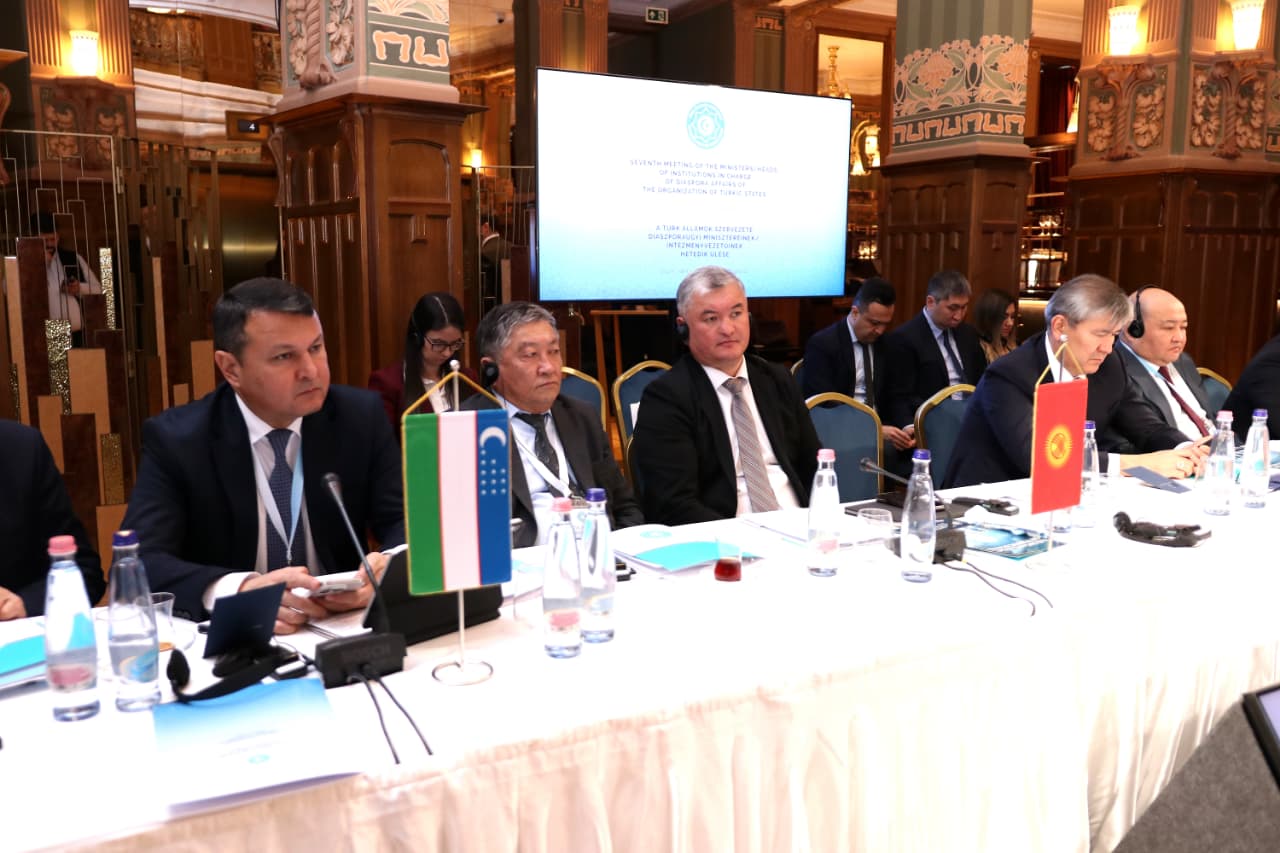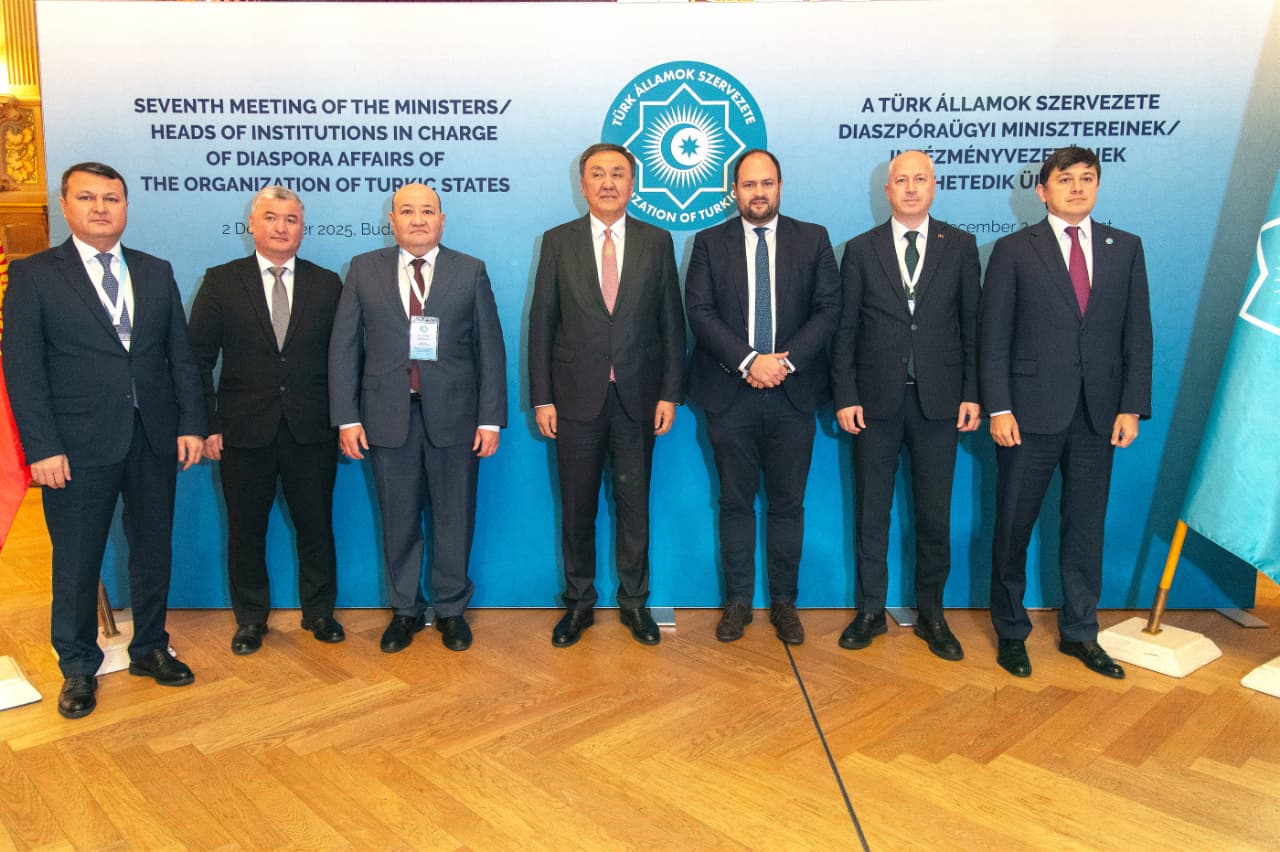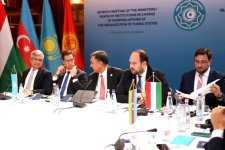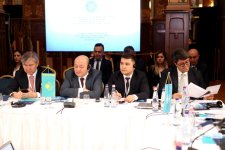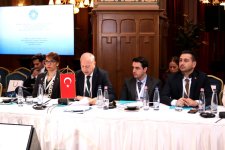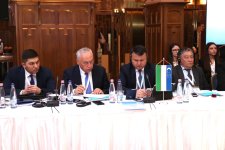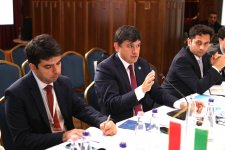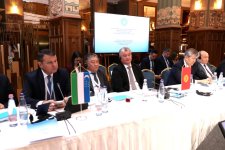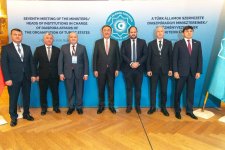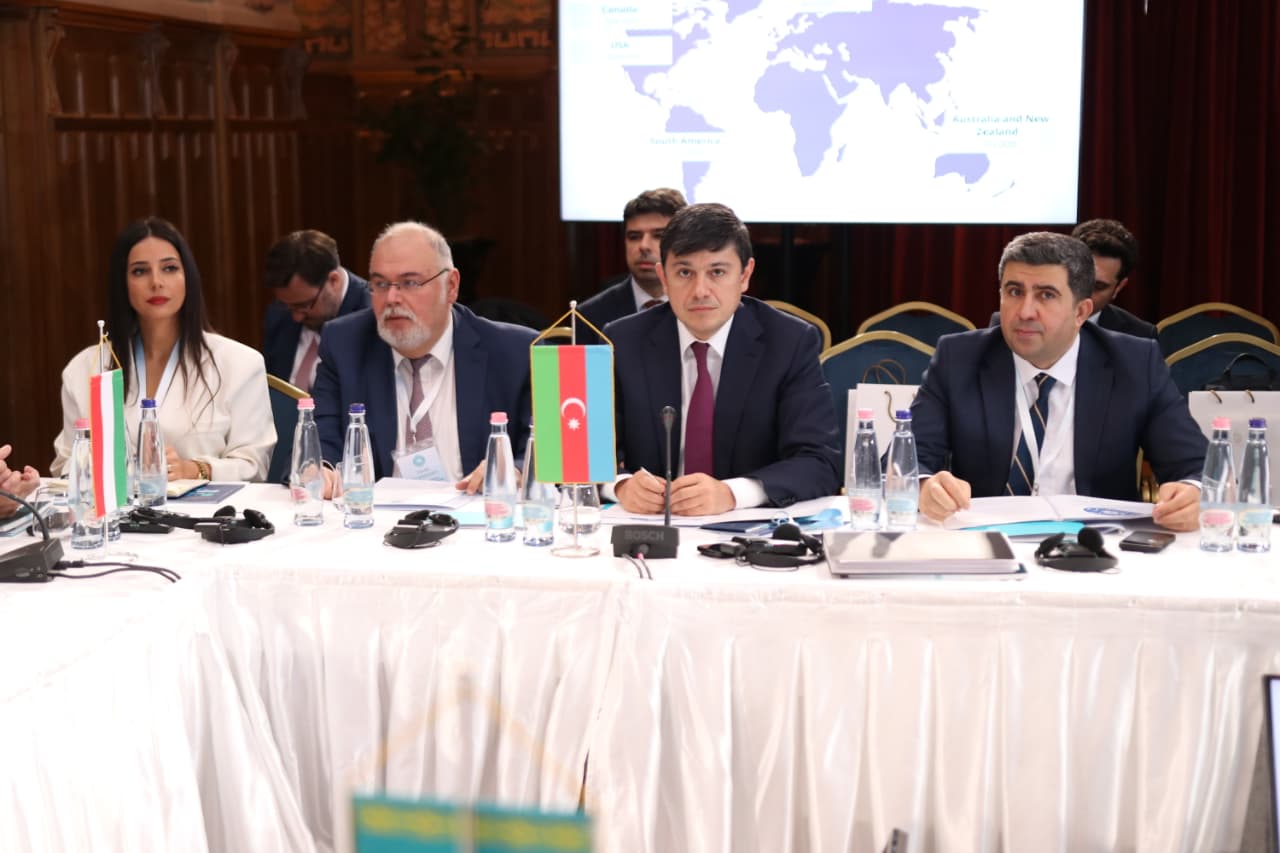




BAKU, Azerbaijan, December 2. The 7th meeting of heads of state agencies responsible for diaspora issues in the member countries of the Organization of Turkic States was held in Budapest, the capital of Hungary. The event became another important platform for deepening cooperation between Turkic countries in one of the key areas of modern foreign policy — public diplomacy. The meeting was attended by the Secretary General of the OTS, representatives of Türkiye, Azerbaijan, Kazakhstan, Kyrgyzstan, Uzbekistan, and the host country, Hungary. Azerbaijan was represented at the event by Fuad Muradov, Chairman of the State Committee on Work with the Diaspora, whose position became one of the central points of discussion.
The diaspora policy has long gone beyond supporting compatriots abroad. Today, it is a full-fledged instrument of international influence, allowing OTS countries to shape a common humanitarian and cultural context, strengthen their information presence, and promote strategic interests at the global level. Millions of representatives of Turkic peoples in different countries around the world represent enormous potential that requires a systematic, collaborative, and complementary approach. It is the diaspora that becomes the global bearer of common values, culture, and language, as well as the link between Turkic states and the international community.
Azerbaijan has been developing the most comprehensive and effective model of diaspora policy in recent years, becoming a benchmark for other members of the OTS. A modern multi-level system of interaction with Azerbaijani communities abroad has been formed, based on constant communication, support, educational programs, and extensive cultural activities. Consequently, this system has not only strengthened ties with compatriots around the world but has also transformed into a full-fledged instrument of the country's international humanitarian influence.
In his speech, Fuad Muradov emphasized that strengthening Turkic cooperation in the humanitarian sphere is of strategic importance. He recalled that the OTS was created on the basis of the Nakhchivan Agreement and noted that interaction between the countries of the Organization has become even more intense in recent years. According to him, it is the implementation of the Turkic Strategy for Joint Action of Diasporas. “Bilateral and multilateral meetings, programs, forums, and initiatives within the framework of the OTS make an important contribution to expanding and strengthening cooperation between our countries,” Muradov said.
In Budapest, special attention was paid to coordinating diaspora work within the framework of the OTS, and Azerbaijan's experience is one of the most successful in the Turkic world. The State Committee consistently develops international partnerships, builds systematic work with diaspora organizations, responds promptly to challenges related to disinformation, and actively advocates for the creation of a unified humanitarian agenda for Turkic countries. In the course of the discussions, the representatives of the countries noted that joint work should continue to be based on “agreed strategies and shared responsibility,” which is fully in line with Azerbaijan's approach.
A significant outcome of the meeting was the adoption of the “Joint Action Plan on the Diaspora” for 2026, a document that unites the efforts of Turkic countries in developing a unified humanitarian and cultural policy. This step was the result of multifaceted discussions, a broad exchange of experience, and Azerbaijan's active position, which once again confirmed its status as one of the key centers for the formation of public diplomacy in the Turkic world.
The meeting in Budapest demonstrated that OTS countries are interested in a gradual transition to a new architecture of public diplomacy based on complementarity and strategic coordination. Against this backdrop, the activities of Azerbaijan's State Committee on Work with the Diaspora stand out for their systematic approach, long-term vision, and innovative approach. The initiatives being implemented, the scale of the projects carried out, and the strategic approach make the Azerbaijani model one of the most successful examples of working with the diaspora in the region, providing the country with a sustainable humanitarian and informational effect in the international arena.