


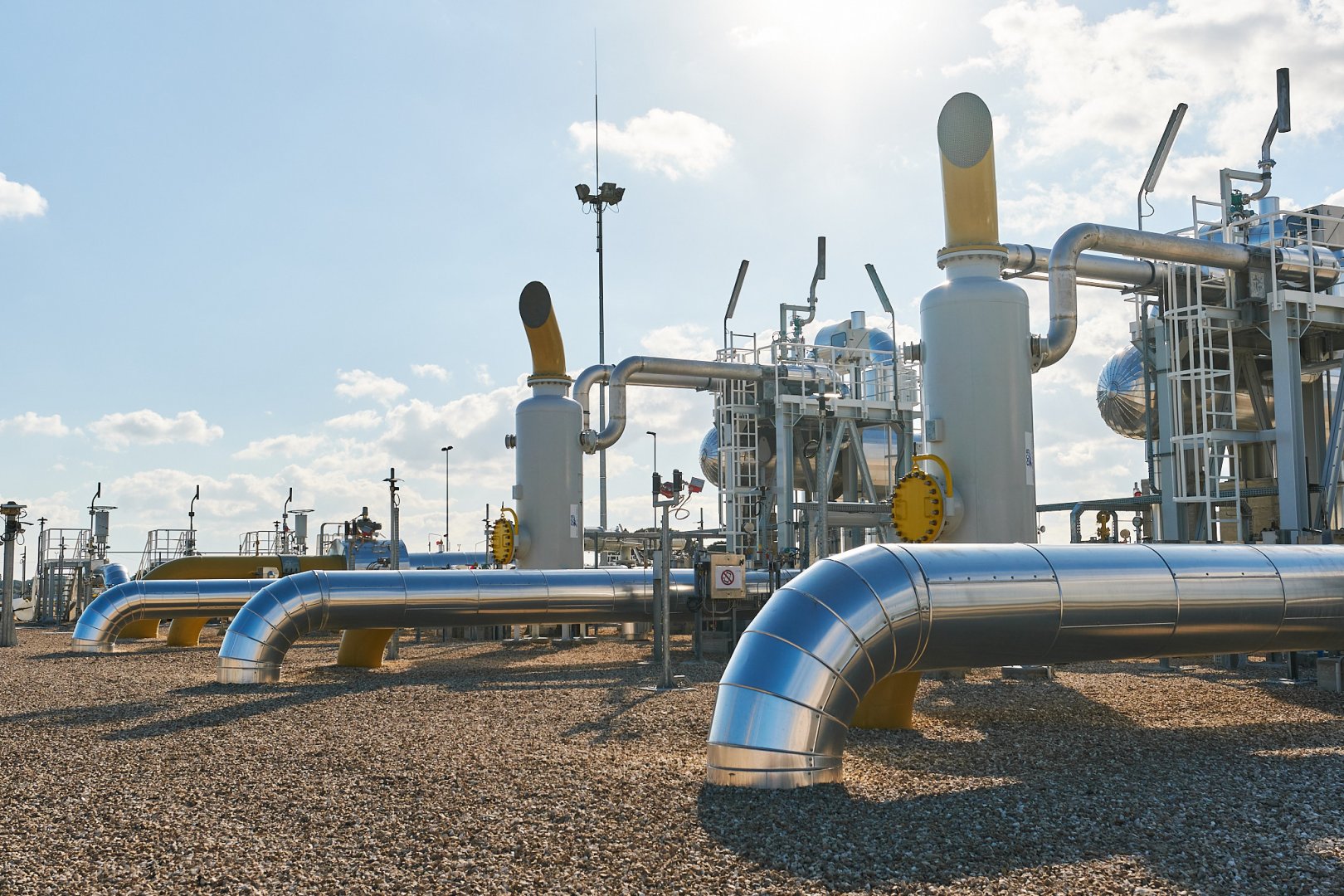

BAKU, Azerbaijan, July 10. The volume of gas transportation via the Trans Adriatic Pipeline (TAP) has reached 60 billion cubic meters, TAP AG said.
“One flow, two milestones. TAP has now delivered over 60 bcm of natural gas to Europe, including 50 bcm to Italy. A reflection of our continued contribution to Europe's energy security and diversification of supply,” said the consortium.
TAP forms the European section of the Southern Gas Corridor, delivering natural gas from Azerbaijan’s Shah Deniz field to European consumers. The 878-kilometre pipeline stretches from the Greece–Türkiye border across Greece and Albania, traverses the Adriatic Sea, and reaches the coast of southern Italy.
The pipeline currently has an annual transportation capacity of 10 bcm, which can be increased to 20 bcm depending on market requirements and the necessary regulatory approvals.
TAP Managing Director Luca Schieppati earlier said in an exclusive interview with Trend that the Final investment decision on the Trans Adriatic Pipeline's (TAP) expansion is expected in Q1 2027.
"A Market Test is a regulated process, which aims to allow shippers to express their interest and potentially commit to long-term capacity bookings. These commitments are a key condition for successfully moving forward, as they need to demonstrate that any expansion is both commercially viable and sustainable. Any Market Test is structured in two phases: a non-binding phase, followed by a binding phase," he said.
Schieppati noted that the non-binding phase of the 2025 Market Test, launched in July 2025, is still progressing, and the process is now moving into the next stages, where the potential expansion is further developed and assessed, including through a consultation process and a final project proposal.
"In practical terms, this means that there is interest from the market, but the process is still ongoing and no final investment decision has yet been taken. The decision to invest in new capacity will depend on sufficient binding long-term commitments from shippers to ensure project viability. The next key steps include completing the consultation process, finalising the project proposal and moving towards the binding phase, where subject to sufficient binding commitments, capacity may be allocated to shippers and a final investment decision can be taken. This final step is currently foreseen to take place in the course of Q1 2027," he explained.



