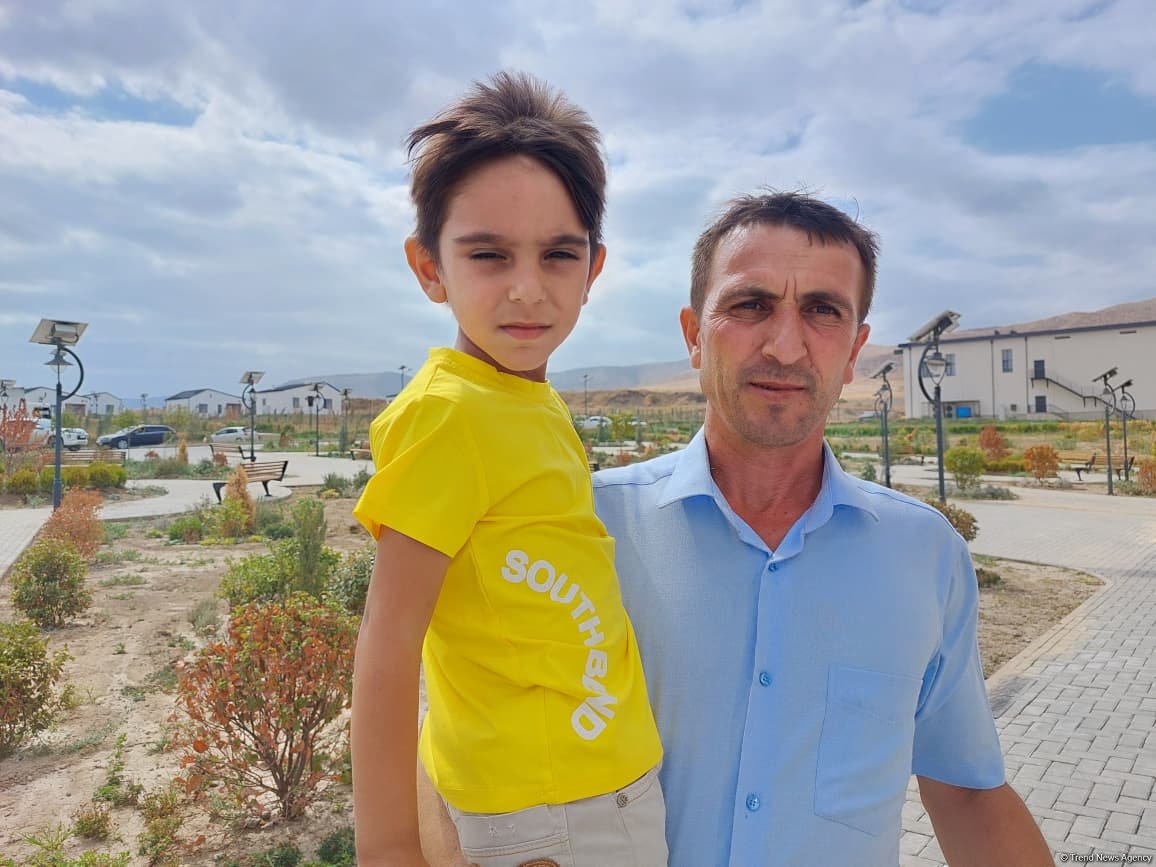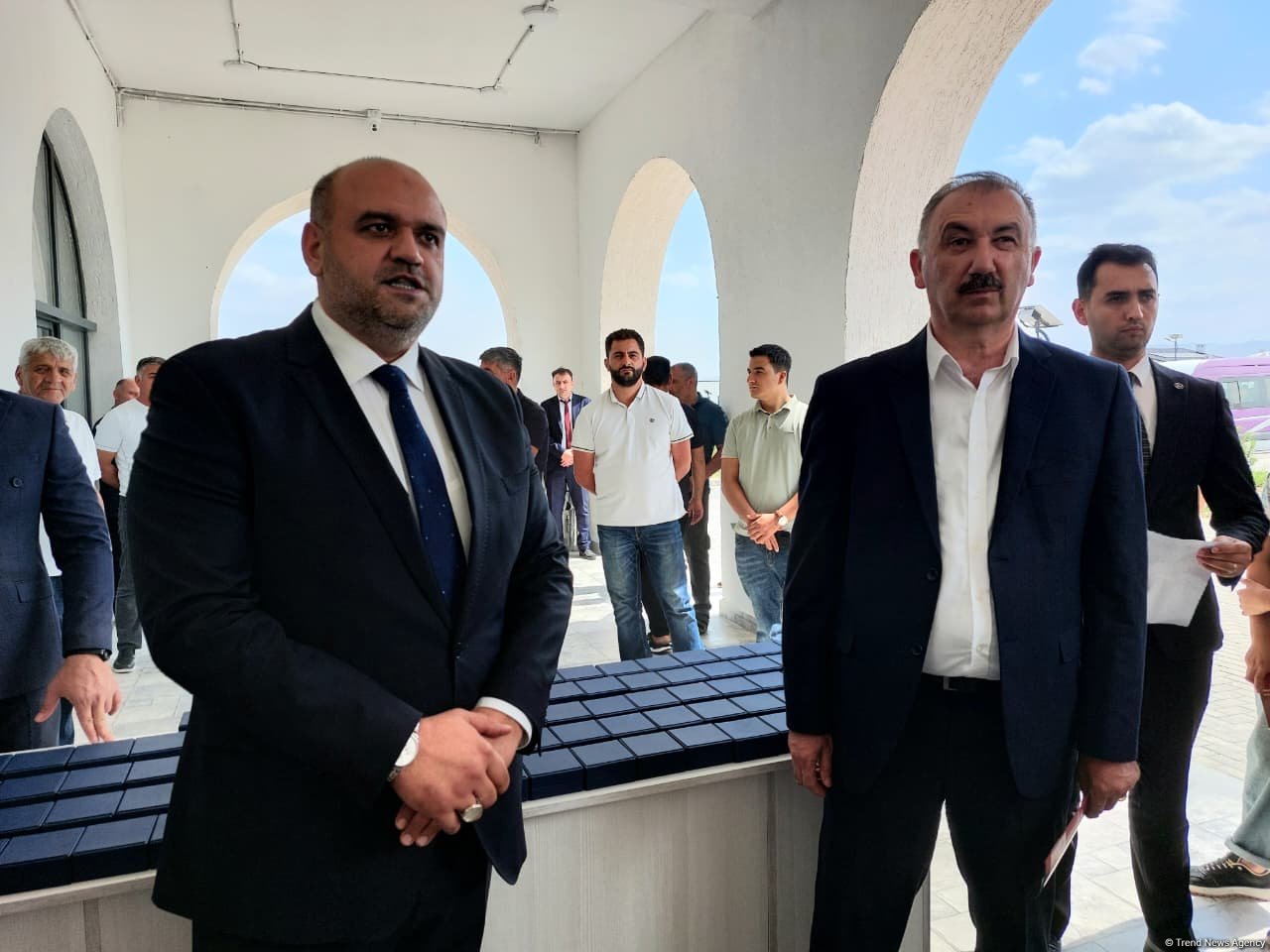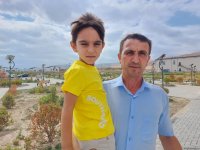




BAKU, Azerbaijan, August 27. Another group of displaced persons, sent to their homeland on August 27, reached the village of Khidirli in the Aghdam district, Trend reports.
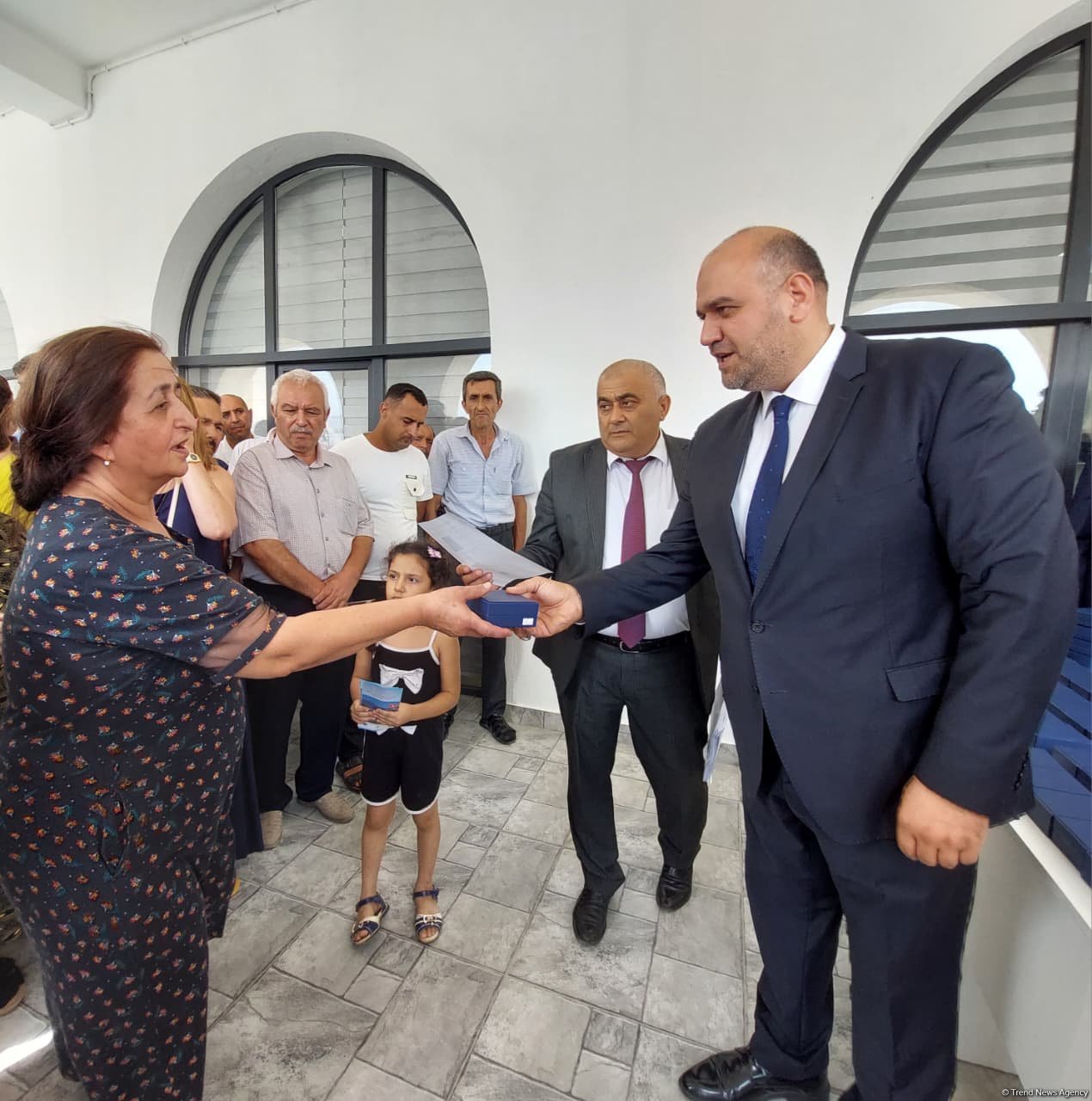
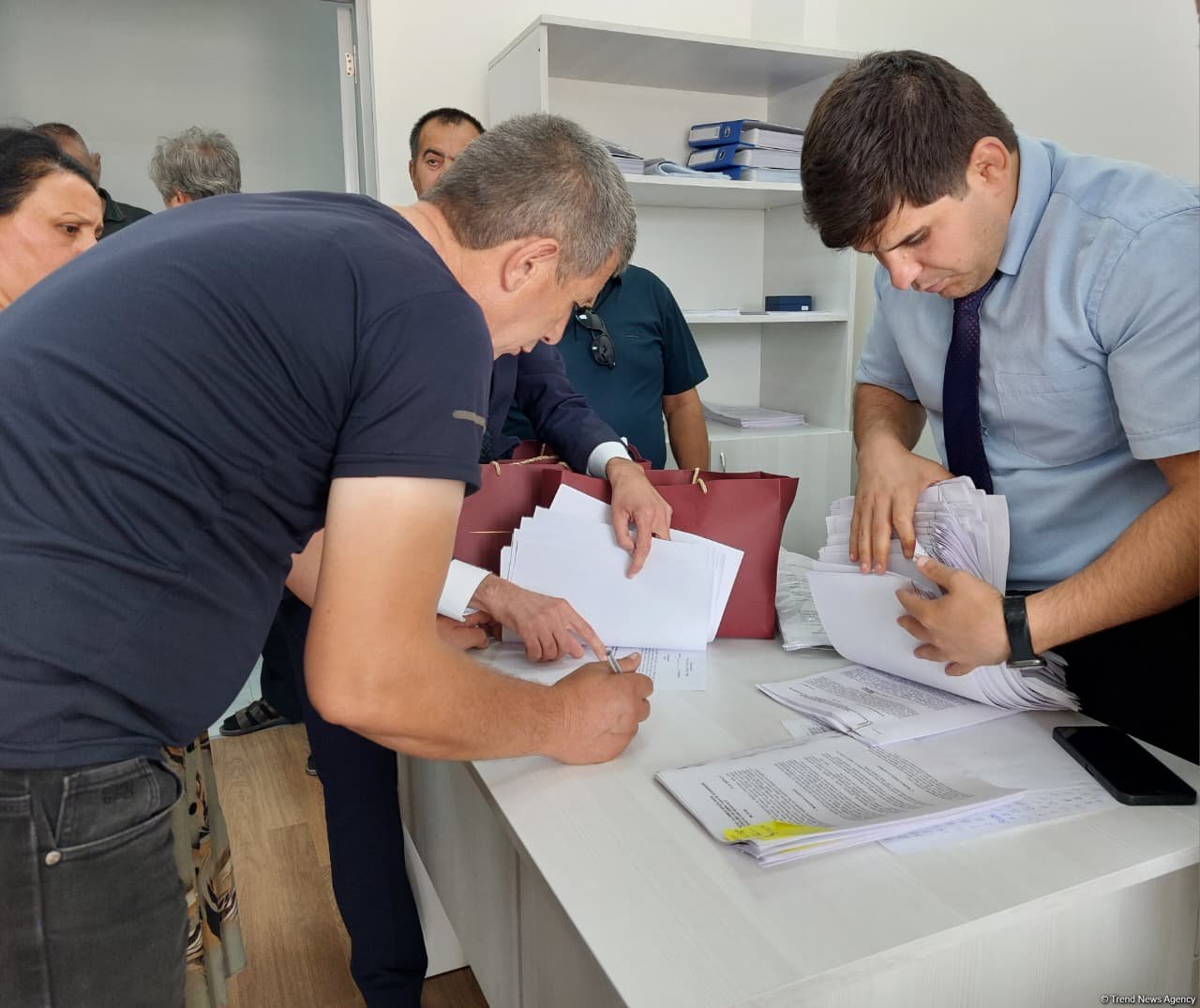
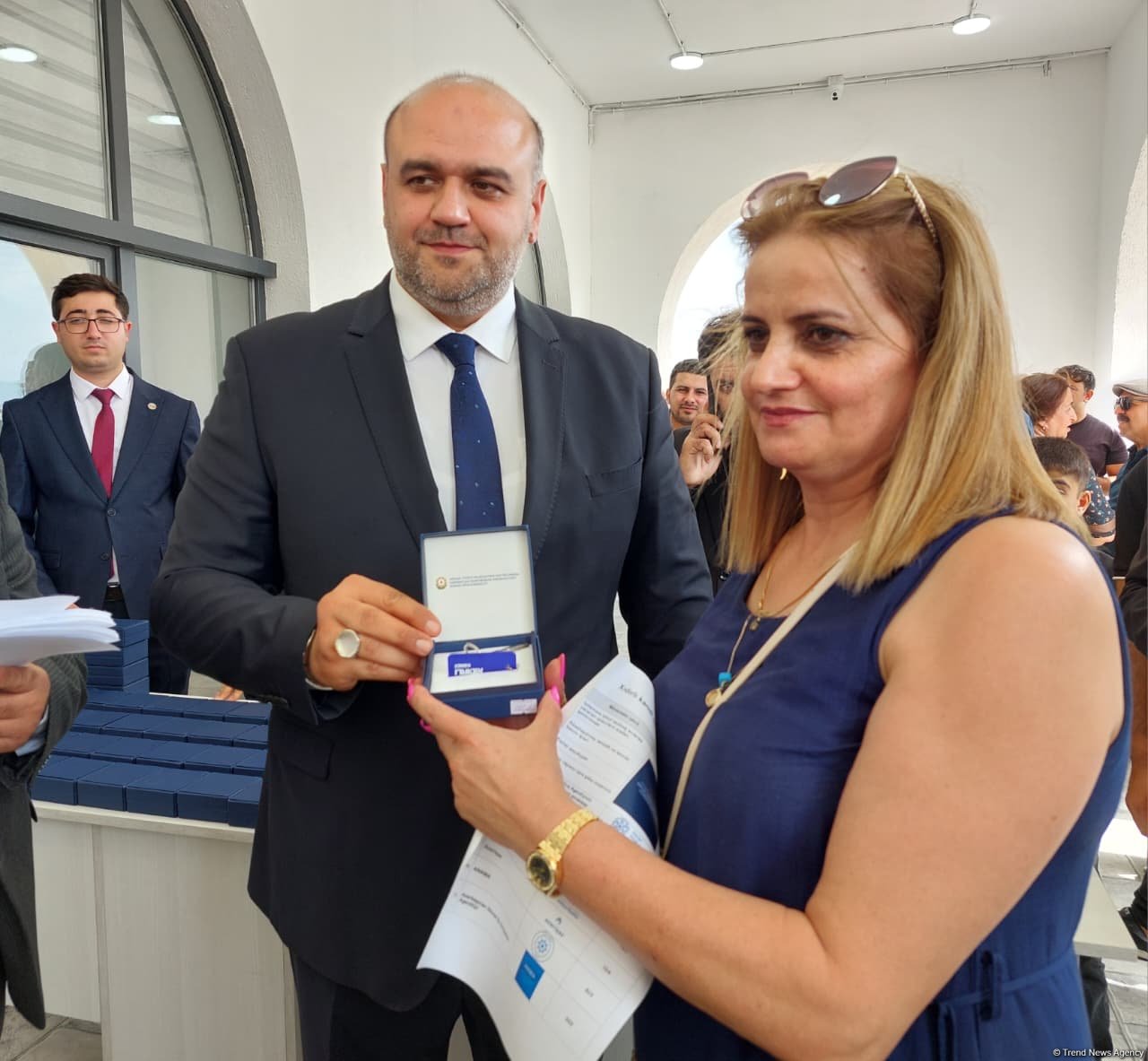
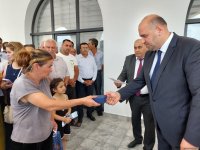
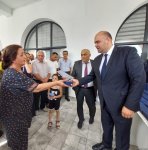
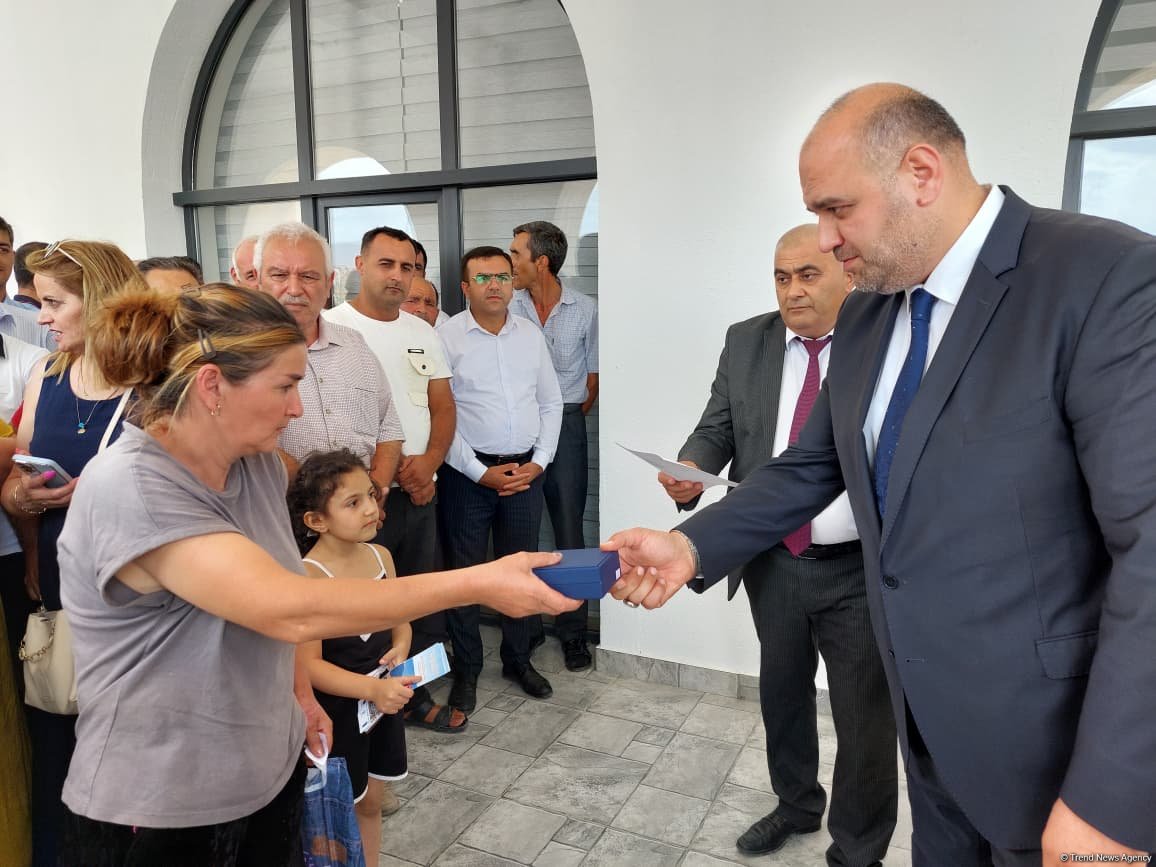
The 104 families, consisting of 370 people, who were resettled at this stage, were handed the keys to their new individual houses.
The ceremony was attended by representatives of the Special Representative of the President of the Republic of Azerbaijan in Aghdam, Fuzuli, and Khojavend districts, as well as the State Committee for Refugees and Internally Displaced Persons.
The residents who returned to their homeland expressed their gratitude to President Ilham Aliyev and First Vice President Mehriban Aliyeva for the comprehensive state care. They also expressed their gratitude to the valiant Azerbaijani army, our heroic soldiers and officers who liberated our lands from occupation, and prayed for the mercy of our martyrs who gave their lives on this path.
At present, in addition to former internally displaced persons who have been resettled there, more than 50,000 people live in Karabakh and Eastern Zangezur, working on projects implemented in the region, performing their duties in local branches of various state structures, working in health care, education, culture, tourism, industry, and energy, as well as studying.
07:03
BAKU, Azerbaijan, August 27. Today, another group of former internally displaced persons, consisting of families temporarily settled in dormitories, sanatoriums, pioneer camps, and administrative buildings in various territories of Azerbaijan, was sent to the Khidirli village of Aghdam district from the Garadagh district of Baku, Trend reports.
At this stage, another 104 families (370 people) moved to the Khidirli village.
Khidirli residents thanked President Ilham Aliyev and First Lady Mehriban Aliyeva for their comprehensive care and expressed gratitude to the valiant Azerbaijani Army, which liberated the lands from occupation.
Currently, more than 50 thousand people live in Karabakh and Eastern Zangezur. Among them are former internally displaced persons who have returned to these areas, as well as employees involved in the implementation of restoration and construction projects, employees of local departments of various government agencies, as well as specialists employed in healthcare, education, culture, tourism, industry, and energy institutions that have resumed their activities.